
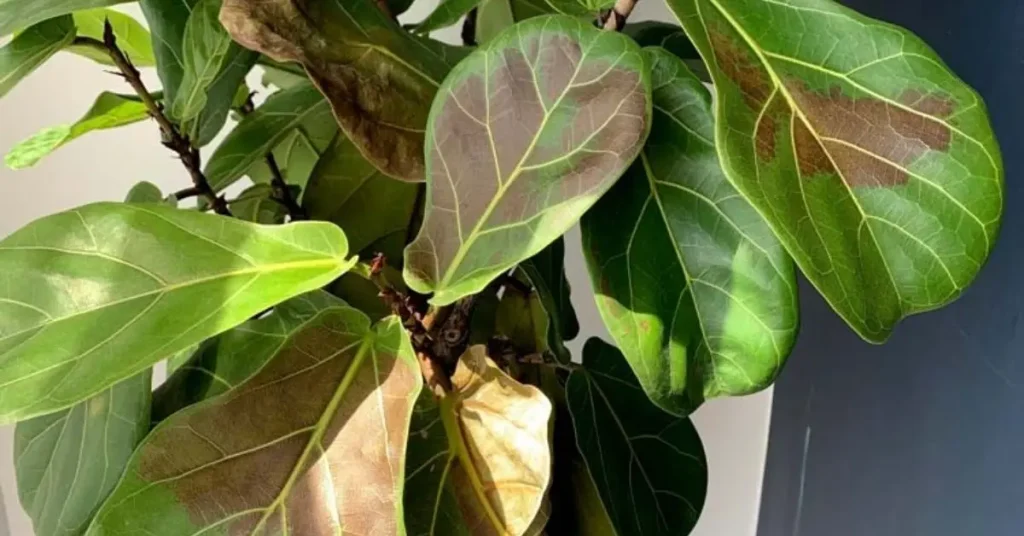
You know that moment when you step outside to check on your garden, only to find your plants looking a little worse for wear? Leaves curling, turning yellow, or even having those dreaded brown spots. Sunburn in plants might seem like a minor issue, but it’s a real problem that can stunt their growth or, worse, kill them.
I’ve seen it happen too many times. The scorching heat hits your plants, and before you know it, they’re suffering. The worst part? Sunburn can sneak up on you. You might not even notice until the damage is already done. But here’s the good news — you can save your plants.
It’s not too late to help them bounce back. With the right steps, you can rescue your sunburned plants and keep them healthy in the future. In this article, I’ll break down the causes of sunburn, how to spot the signs early, and most importantly, five easy fixes that will bring your plants back to life.
So if you’ve been struggling with sunburned plants, don’t stress. Let’s dive into some practical solutions that will help your garden thrive, no matter how hot the weather gets.
Understanding the Causes of Sunburn in Plants
Understanding the causes behind sunburn in plants is crucial for preventing and addressing the issue before it leads to irreversible damage. Identifying the root of the problem early on will help you take swift action and save your plants.
What exactly causes sunburn in plants? It might seem obvious — the sun, right? But the reality is a bit more complex. Plant sunburn happens when your plants are exposed to intense sunlight and heat that they aren’t equipped to handle. The problem becomes even worse during heatwaves or extended periods of intense sunlight.
Several factors contribute to this damage:
- Heat Stress: Just like us, plants can get overheated. When temperatures rise beyond what plants can tolerate, they experience heat stress, which weakens their ability to absorb water and nutrients.
- UV Radiation: Plants are naturally exposed to UV rays, but too much can damage the chlorophyll in their leaves. Chlorophyll is what gives plants their green color and enables photosynthesis. Too much UV radiation disrupts this process, leading to sunburn.
- Exposure Time: Extended periods of exposure to direct sunlight are particularly harmful. If plants are exposed to full sun for hours without relief, they’re more likely to suffer from dehydration, scorched leaves, and ultimately, sunburn.
Common Plants Susceptible to Sunburn: Not all plants are equally vulnerable. Some plants, especially those that prefer shaded environments or tropical climates, are more likely to burn under direct sunlight. For example, plants like ferns, begonias, and delicate houseplants like peace lilies are more prone to sunburn. On the other hand, succulents and cacti are built to thrive in sunny conditions but can still get sunburned if exposed to too much heat.
The 5 Common Signs Your Plants Are Sunburned
I will help you identify sunburn symptoms quickly so you can take action and prevent further damage. The sooner you recognize these signs, the better your chances of saving your plants.

Sunburn doesn’t always show up overnight. Sometimes, it takes time for the damage to fully appear, but if you keep an eye out for these five common signs, you can catch it early:
- Wilting, Leaf Burn, and Yellowing: One of the first things you’ll notice is wilting. When the plant is stressed by heat, it may lose its ability to keep its leaves upright. This often leads to leaf burn, where the tips or edges turn brown or black. Leaves might also begin to yellow as they die off due to the plant’s inability to carry out proper photosynthesis. Yellowing leaves or wilting can also signal disease. Learn more about common plant diseases and their treatments.
- Blisters or Brown Spots on Leaves: Look closely at the leaves for blisters or brown spots. These are clear signs that the plant has been overexposed to the sun and has suffered tissue damage. Blisters often appear when plant cells burst under intense heat, and brown spots are the result of the breakdown of chlorophyll.
- Leaves Curling or Drooping: Another common sign of sunburn is leaf curling or drooping. As the plant tries to conserve moisture, it may curl its leaves in an attempt to protect itself from further sun exposure. This is often seen in plants that are stressed or dehydrated due to the heat.
The Spruce article also notes that these symptoms are often the first signs that your plant is experiencing heat stress. If you catch them early, the damage is usually reversible.
5 Easy Fixes to Save Your Sunburned Plants
If you’ve spotted the signs of sunburn in your plants, don’t panic. There are several simple fixes you can try to help them recover. Here are five of the best ways to give your plants the relief they need:
- Shade Your Plants: The first thing you should do is provide some shade. Plants might also face pest problems. If so, try a homemade insecticide spray to protect them. If your plants are being scorched by direct sunlight, use garden shade nets or cloths to create a cooler, protected space. You can also use larger plants to create natural shade. This will give your plants immediate relief from the harsh sun, especially during the hottest parts of the day.
- Rehydrate with Proper Watering Techniques: When your plants are stressed, they need proper hydration to recover. But be careful not to overwater. Deep watering is key, as it helps the roots access moisture deep in the soil, encouraging healthy growth. Water early in the morning or later in the evening to avoid evaporation from the sun. This allows the water to reach the roots without burning your plants further.
- Trim the Damaged Leaves: Sometimes, removing damaged leaves can help your plants bounce back. Pruning the dead or sunburned foliage will redirect the plant’s energy towards healthy growth. By cutting away the most damaged areas, you encourage new, strong growth and prevent the plant from wasting energy on dead parts.
- Repotting for Stressed Plants: If your plant is severely sunburned and struggling, it might need a change of environment. Repotting it into a cooler, more protected area can give it the recovery space it needs. A fresh pot with well-drained soil can help reduce stress, especially if the plant has been exposed to extreme temperatures for too long. Make sure to place the pot in a location that offers dappled sunlight or partial shade until the plant regains its strength.
- Use Mulch and Ground Covers: Adding mulch or ground covers around your plants can make a huge difference. Mulch helps keep the soil cool and moist, protecting the roots from intense heat. It also reduces the amount of water loss, keeping your plant hydrated for longer. Organic mulch like wood chips, straw, or compost is ideal, but even grass clippings can help retain moisture.
For further advice on saving heat-stressed plants, ALS Garden Center offers useful tips on how to help your plants survive the heat. They emphasize the importance of shade and watering techniques, as well as using ground covers to maintain optimal soil conditions.
Preventing Future Sunburn: What Every Gardener Should Do
Preventing sunburn in the future is all about making smarter choices now. I will help you avoid recurring problems with plant sunburn by focusing on proactive solutions and long-term care strategies.

To keep your plants safe from future sunburns, there are a few things you need to consider when planning your garden. Let’s explore the key steps:
- Choosing the Right Plants for Your Climate: One of the most important decisions you can make is choosing plants that are suitable for your climate. By understanding hardiness zones, you can pick plants that are naturally equipped to handle your local temperature extremes. For example, if you live in a hotter climate, opt for drought-resistant plants or those that naturally thrive in full sun. For cooler climates, choose plants that can handle shade or partial sun to avoid exposing them to unnecessary stress.
- Proper Placement of Plants: It’s not just about the type of plants you choose; it’s about where you place them. Proper placement is crucial for avoiding sunburn. You need to spot the best spots for your plants, taking into account how much direct sunlight each area gets. Some plants, like succulents, love direct sunlight, while others, like ferns, do better in dappled light or partial shade. By observing the movement of the sun throughout the day, you can make sure your plants are placed in spots that suit their light needs.
- Seasonal Care Tips: As the seasons change, so should your plant care routine. Preparing your garden for summer heat is essential to prevent sunburn. This includes things like mulching your plants early, increasing watering, and providing temporary shade if you’re expecting a heatwave. Getting ahead of the season will help your plants thrive when the temperature rises.
The Role of Soil, Mulch, and Watering in Protecting Plants from Sunburn
- How Quality Soil Retains Moisture and Helps with Heat Stress: Good quality soil is the foundation of a healthy garden. To improve moisture retention, try using wood ash in your soil. When your plants have nutrient-rich, well-drained soil, it helps them retain moisture better, which is essential during hot weather. Moisture retention is key to keeping plants hydrated and reducing the risk of sunburn. If your soil is dry and sandy, consider amending it with organic matter or compost to improve its water-holding capacity.
- The Role of Organic Mulch in Temperature Regulation: Mulch is one of the best ways to protect your plants from extreme heat. Organic mulch, like bark chips, straw, or compost, serves as a natural insulator. It keeps the soil cool, reduces moisture evaporation, and prevents temperature fluctuations around the roots. Mulching not only protects your plants from sunburn but also helps them retain the moisture they need to survive hot days.
- Proper Watering Schedules: Early Morning vs. Evening: When it comes to watering, timing is everything. Watering early in the morning gives your plants a good start, allowing them to absorb the moisture before the sun gets too hot. Evening watering can work, too, but make sure the plants have time to dry off before nightfall. Wet leaves left overnight can attract pests and disease. Consistent watering at the right times will help your plants stay hydrated and protected against sunburn.
For more advice on preventing sunburn and caring for your plants, Better Homes & Gardens provides expert insights on houseplant sunburn and care. They emphasize the role of moisture retention and mulching as key factors in protecting plants from environmental stress.
Why You Should Regularly Check Your Plants for Stress Signs

Regularly monitoring your plants for stress signs is crucial for preventing problems like sunburn and other issues that could harm your garden. The sooner you spot a problem, the sooner you can fix it, and that makes all the difference in your plants’ health.
- Routine Inspection: What to Look for in Plant Health: It’s essential to make plant inspections a routine part of your gardening schedule. Look for signs like wilting, yellowing leaves, leaf curling, or dry, crispy edges — these can all indicate stress, often from too much sun, lack of water, or pests. Regularly check your plants for any changes in color or structure, especially after a heatwave or sudden weather shift.
- Tools and Techniques for Monitoring Plant Stress: Thankfully, there are several ways to monitor your plants’ health. You can use soil moisture meters to check if the soil is too dry or too wet, which helps ensure your plants are neither overwatered nor dehydrated. Plant health apps are also handy for tracking the growth of your plants and keeping an eye on their overall well-being. They can give you reminders to water or fertilize and offer advice based on the type of plants you have.
- How Often Should You Check Your Plants? Ideally, you should inspect your plants at least once a week, especially during the hot summer months. However, you may need to check more frequently if you’re dealing with sensitive plants or extreme weather. After storms or heatwaves, take a closer look to ensure your plants are still thriving and haven’t experienced any stress.
Conclusion: Keep Your Plants Safe and Thriving All Year Round
Remember to keep your plants healthy and happy year-round, not just when issues arise. By following the tips provided, you can build a sustainable gardening routine that protects your plants from sunburn and other common stresses.
- To recap, always shade your plants, rehydrate with proper watering, trim damaged leaves, repot when necessary, and use mulch to protect your soil. Don’t forget to choose plants suited for your climate, place them strategically, and prepare them for the changing seasons.
- Regular care and consistent monitoring are key to keeping your garden healthy. By making plant care part of your routine, you’ll be able to avoid many common issues, like sunburn, and ensure your plants thrive all year long.
Want more tips on keeping your garden healthy? Explore our other gardening resources at Plant Care Dairy! Let’s keep your garden thriving together!
Disclaimer: The information provided in this article is for general gardening advice and may not apply to every plant or situation. For specific concerns or persistent issues, it’s recommended to consult with a professional horticulturist or garden expert.