

I used to pull out every weed I saw in my garden, thinking I was protecting my plants. Dandelions, clover, purslane—they all went straight into the bin. But after years of gardening, I realised something surprising: a few of those “unwanted guests” were actually doing more for my soil than the fertiliser bags I was buying.
The truth is, not all weeds are troublemakers. Some of them loosen hard soil with deep roots, bring nutrients back up to the surface, and even shield young plants from heat or erosion. In fact, many experienced gardeners quietly let a handful of these weeds grow because they make the whole garden healthier.
If you’ve ever wondered whether it’s worth keeping certain weeds instead of fighting them, this guide is for you. I’ll show you five of the most useful ones, explain exactly why they help, and share how you can manage them without letting your yard turn into a jungle.
What about you—do you usually pull every weed out, or have you noticed some that actually seem to help your soil?
Why Some Weeds Are Soil Superheroes
When you think of weeds, the first instinct is to yank them out before they take over. I get it—I’ve done the same. But here’s the part nobody tells you: a handful of weeds quietly do the heavy lifting for your garden. They aren’t just freeloaders; they’re workers hidden in plain sight.
Some of the smartest gardeners (and even university research) point out that plants like dandelions and clover actually improve soil instead of harming it. They break up tough ground, add nutrients, and even protect your beds from erosion. In fact, Martha Stewart’s gardening guide highlights how weeds like chicory, violets, and dandelions help condition the soil and support pollinators.
Here’s why keeping a few of them can change the way your soil behaves:
- Soil aeration: Deep taproots (like dandelion’s) punch holes through compacted soil, letting air and water move where your plants need it most.
- Nutrient cycling: Clover is a natural nitrogen fixer, meaning it adds back what your vegetables constantly use up.
- Erosion control: Ground-hugging weeds like chickweed or purslane spread fast and shield bare soil from washing away in the rain. Just like certain weeds protect your soil from washing away, you can also plant deep-rooted plants that stop erosion to keep your garden beds strong through heavy rains.
- Moisture balance: Some weeds create a living mulch effect, keeping the soil cool and damp through hot spells.
- Wildlife support: By blooming early, weeds like violets and dandelions give pollinators a food source long before your garden flowers kick in.
I know it sounds counter-intuitive, but letting a few strategic weeds grow is less about being lazy and more about being clever. Think of them as cover crops you didn’t have to plant.
If you’ve ever spotted clover spreading in your yard and wondered whether to mow it down or let it be, you’re not alone—many gardeners on forums admit they leave it because the soil (and bees) thrive when it’s around.
Weed #1 – Dandelion (Taraxacum officinale)

I know most of us see dandelions as bright yellow pests, but they’re actually soil doctors in disguise. Their deep taproots break up compacted ground and pull calcium and other nutrients back up to the surface. That means your veggies benefit from minerals they couldn’t otherwise reach.
They’re not just good for the soil—pollinators rely on dandelions as one of the first food sources in spring. And if you’ve ever tasted dandelion greens in a salad, you’ll know they’re nutrient-packed for us too.
How to use it smartly:
- Let small patches bloom early in spring for pollinators.
- Harvest young greens for salad or compost.
- Cut them back before seeds spread everywhere.
Weed #2 – Clover (Trifolium species)
Clover is one of those plants I used to mow down without thinking, but once you know what it does, you start seeing it as free fertiliser. Clover fixes nitrogen thanks to bacteria on its roots—basically enriching the soil while it grows. It also acts as a living mulch, keeping moisture in and weeds out, while its flowers keep bees busy.
How to use it smartly:
- Mix clover into lawns if you want less mowing and greener soil.
- Plant between vegetable rows to save water and cut down weeds.
- Pick a variety suited to your region for the best results.
For a deeper dive, Southern Living explains why clover deserves a spot in your yard.
Weed #3 – Purslane (Portulaca oleracea)
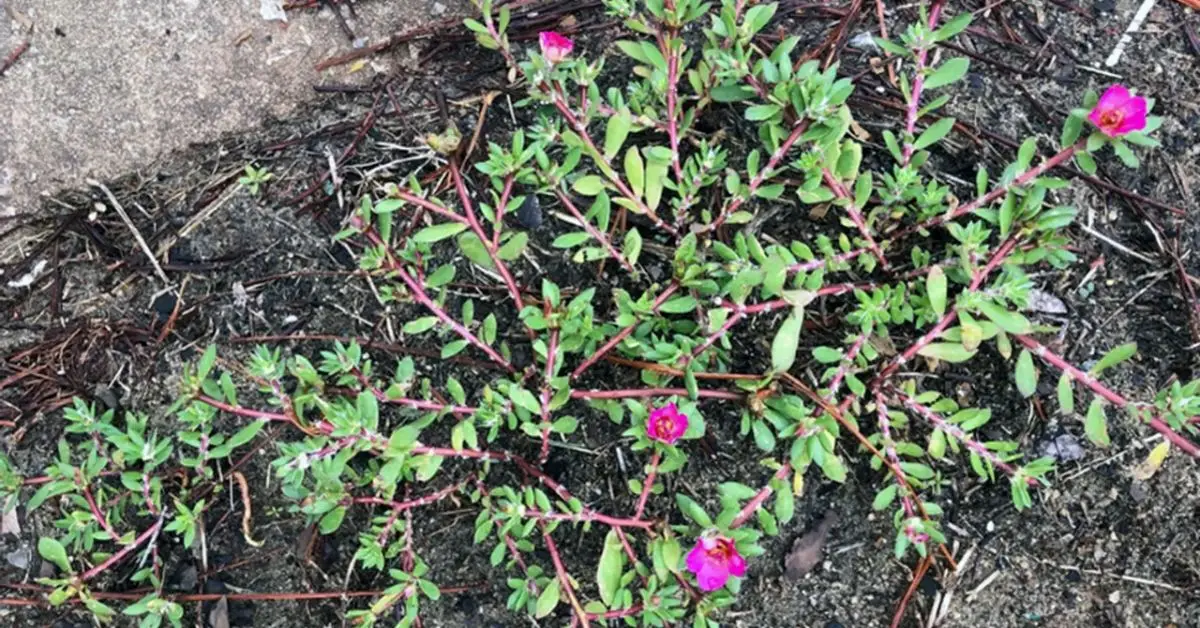
This one often shows up in hot, dry corners of the garden, and instead of ripping it out, you can put it to work. Purslane is a tough ground-cover that prevents erosion, keeps soil cool, and even makes nutrients available to nearby plants. Bonus: it’s edible, with a lemony crunch that’s great in summer salads.
How to use it smartly:
- Let it spread between raised beds as a living cover.
- Harvest tender leaves for salads or stir-fries.
- Keep it trimmed so it doesn’t get invasive.
Weed #4 – Common Blue Violet (Viola sororia)
These little purple blooms may look delicate, but they’re surprisingly powerful for soil health. They form dense mats that suppress other weeds and help stop erosion. Plus, they provide nectar for early pollinators and a food source for local wildlife.
How to use it smartly:
- Grow them as a shady ground-cover or border plant.
- Thin them out if they spread too far.
Weed #5 – Self-Heal (Prunella vulgaris)
True to its name, self-heal is a resilient ground-cover that thrives in shady, damp areas where other plants struggle. It can handle foot traffic, stabilises the soil, and feeds pollinators with its purple blooms.
How to use it smartly:
- Plant along pathways or in shaded inter-rows.
- Trim occasionally to keep it tidy.
Bonus Weeds for Advanced Gardeners
Once you’ve seen how the common weeds work, you might want to experiment with a few others that serious gardeners swear by. These aren’t for everyone, but if you’re curious about permaculture or soil-building, they’re worth a try.
- Plantain: Flat leaves, strong roots—loosens compacted soil and signals soil health.
- Goldenrod: A magnet for pollinators, it provides nectar when little else is blooming.
- Chicory: Deep roots improve long-term soil structure and bring minerals up.
- Yarrow: Known for drought resilience and even mild pest-repelling properties.
Try-this tip: Set aside a small corner or border of your yard for one of these weeds, and track how your soil and pollinator activity change over a season. It’s a low-risk way to see if they earn their keep.
Building Your “Weed-scape” Strategy

Here’s where it all comes together. You don’t want weeds taking over, but you also don’t want to lose their benefits. The solution? A plan I call a “weed-scape.”
Think of it as designing zones where useful weeds are allowed to grow, while the rest of your garden stays neat. For example, Ideal Home suggests keeping dandelions in less-manicured areas rather than pulling them all out.
Smart rules for a balanced weed-scape:
- Timing: Let weeds bloom early, then trim before they set seed. Managing your weed-scape is a lot like caring for ornamental grasses—timing and technique matter. If you want an easy seasonal guide, here’s how to trim ornamental grasses without damaging your garden’s balance.
- Containment: Keep them to borders, edges, or wild corners.
- Companion planting: Mix clover between veggie rows or violets under shrubs.
- Mowing strategy: Cut high so clover flowers survive while grass stays tidy.
This way, you get the soil and pollinator benefits without feeling like your garden’s been abandoned.
Voices from the Garden – Social Media & Community Insights
Sometimes the most convincing proof doesn’t come from books—it comes from other gardeners like you and me.
On a Reddit thread, one gardener summed it up perfectly: “Clover has benefit to pollinators and keeps my soil healthy, so I just let it spread.” Simple, honest, and backed by experience.
Soil Science Snapshot
I know some of us like things laid out clean and simple. Here’s a quick look at the five main weeds plus a couple of extras:
| Weed | Key Soil Benefit(s) | Edible? | Pollinator Friendly? |
|---|---|---|---|
| Dandelion | Breaks compacted soil, adds calcium | Yes | Yes |
| Clover | Fixes nitrogen, living mulch | No | Yes |
| Purslane | Prevents erosion, drought tolerant | Yes | Limited |
| Common Blue Violet | Ground-cover, erosion control | Yes | Yes |
| Self-Heal | Stabilises shady soil, resilient | Medicinal use | Yes |
| Plantain (bonus) | Loosens compacted soil, soil health indicator | Yes | Some benefit |
| Goldenrod (bonus) | Long bloom for pollinators | No | Yes |
Wrap-Up
If there’s one thing I’ve learned, it’s that not every weed is the enemy. A few of them are quiet allies, improving soil, feeding pollinators, and saving you work in the long run. Instead of pulling them all out, try a small experiment: pick one weed from this list and let it grow in a controlled patch for a season. Watch how your soil, plants, and even pollinator visits change—you might be surprised at the results.
Why not create your own mini-weed-scape zone and see what happens? And just like roses need careful pruning to bloom beautifully, as I shared in my guide on how and when to prune roses, your weed-scape also needs the right touch at the right time. Share your experience in the comments below—I’d love to hear which weeds you kept and how they worked for you.
And if you’re looking for more practical, down-to-earth tips on gardening and plant care, don’t forget to visit Plant Care Dairy for fresh ideas and guides tailored for gardeners like you.
Disclaimer: This guide is for general gardening purposes only. Always identify plants correctly before using them, and check local guidelines to make sure a weed isn’t invasive in your area.