
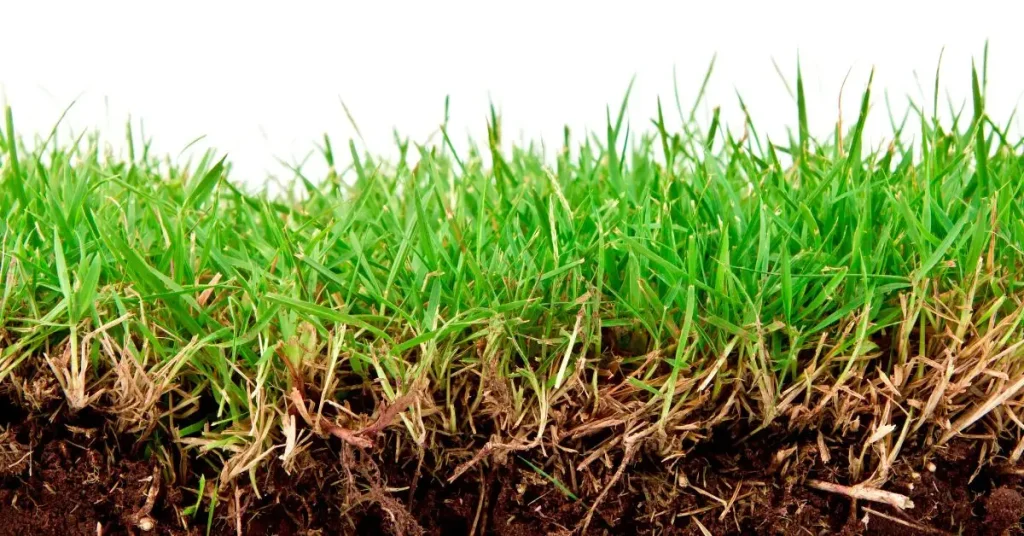
I know the feeling when a heavy rain hits and your beds start sliding—mulch floats, rills cut through the soil, and you’re left rebuilding the same edge every week. If you’re tired of watching your topsoil wash away, you don’t need another quick fix—you need roots that grab and hold.
Here’s the simple truth: shallow cover alone won’t stop erosion. Pretty groundcovers help, but without deep‑rooted plants to anchor the slope, water will still find a path. The goal is to slow the flow, bind the soil, and let more water soak in where your plants can use it.
In this guide, I’ll show you five deep‑rooted plants that stop soil erosion in your garden—not just the usual list, but picks that work on real slopes, near downspouts, and along paths. I’ll explain why they work, where to place them, and what to avoid if you don’t want a future headache.
You’ll get clear notes on root habits, sun and soil needs, spacing, and low‑effort care. I’ll also share a simple layering plan—how to pair these anchors with surface cover so you get fast coverage now and long‑term stability later.
Before we dive in, tell me: where is erosion hitting you the hardest—on a slope, under a roof edge, or along a walkway? Drop your spot and climate in the comments so I can help you pick the right plant from the list.
1. Vetiver Grass (Chrysopogon zizanioides) — The Bioengineer’s Choice

If there’s one plant I’d bet on for tough erosion problems, it’s vetiver grass. This isn’t your average ornamental grass—it’s a powerhouse. Its roots grow almost straight down, reaching 3 to 4 metres deep in the very first year. Imagine having a natural anchor system under your garden, holding everything in place no matter how heavy the rain gets.
Here’s why vetiver shines:
- It can cut water runoff by nearly 70% when planted in rows.
- It traps up to 90% of sediment, keeping your soil where it belongs.
- Unlike some aggressive grasses, non-fertile vetiver cultivars won’t spread invasively.
If you’ve got a slope or an area where water gushes after every storm, planting contour hedgerows of vetiver is a game-changer. Give it full sun and space the plants along the contour line of your slope. Over time, those hedges thicken into living walls that slow water, protect soil, and even filter pollutants.
2. Sea Buckthorn — Native Nitrogen-Fixing Slope Anchor
Now, let’s talk about sea buckthorn, a hardy shrub with an equally impressive underground system. Its taproot can reach 4 metres deep, and from there it spreads out laterally—sometimes up to 10 metres. That means it not only anchors the soil but also locks in entire slopes.
But sea buckthorn doesn’t stop there. It’s a nitrogen-fixing plant, which means it naturally enriches poor soils. At the same time, its berries provide food for birds and pollinators. So when you plant it, you’re not just stabilizing the land—you’re building a mini-ecosystem.
Why you’ll love it:
- Strengthens weak, sandy, or degraded soils.
- Provides natural fertilizer through nitrogen-fixation.
- Supports wildlife while protecting your garden.
For anyone aiming for a sustainable garden, sea buckthorn is a triple-win: soil security, fertility, and biodiversity.
3. Crownvetch — Long-Term Groundcover for Sunny Banks (With Caution)
Finally, there’s crownvetch, a legume with an aggressive but highly effective root system. It forms a dense mat of foliage, and below the surface, its deep roots knit into the soil. This makes it fantastic for erosion control on sunny slopes, banks, or roadsides where nothing else seems to hold.
The catch? Crownvetch spreads quickly and can become invasive in smaller gardens. That’s why you’ll often see it used by highway departments or in large reclamation projects. In the right setting, though, it’s a workhorse.
Things to keep in mind:
- Excellent choice for large, sunny banks where erosion is a serious issue.
- Needs room to spread; not suitable for tight flower beds.
- Low maintenance once established—just let it run.
If you decide to use crownvetch, treat it like a specialist tool: brilliant in the right spot, but risky in the wrong one. For more background, you can check the Wikipedia entry on Crownvetch, which explains both its erosion-control benefits and invasive tendencies.
4. Prairie-Native Ground Covers (like Creeping Phlox, Pachysandra, Liriope)

Not every erosion-fighting plant has to be tough-looking. Some of the best protectors are also the prettiest. Creeping phlox, Japanese spurge (pachysandra), and lilyturf (liriope) are all excellent choices if you want your garden to look inviting while still keeping the soil in place.
What makes them special is how they spread laterally, forming thick mats of foliage. Underneath, their roots weave through the top layers of soil, stabilising it against rain or foot traffic. They’re especially handy for filling gaps in mixed beds, covering slopes that look bare, or edging pathways where water tends to run. If you’re adding groundcovers for erosion control, it’s also worth learning the right way to maintain them—like knowing how to trim ornamental grasses easily so they keep looking fresh while continuing to stabilize the soil.
Why you’ll like them:
- Low-maintenance: once established, they’re hardy and fuss-free.
- Aesthetic appeal: add colour, texture, and seasonal blooms.
- Soil stabilisers: dense roots that protect against erosion.
If you’re after plants that blend form and function, these ground covers are a reliable pick.
5. Nature’s Underdogs — Helpful Weeds You Might Actually Let Grow

Here’s a surprise: some of the “weeds” you’ve been pulling out might actually be doing your garden a favour. Plants like clover, purslane, and even dandelions have strong root systems that naturally fight erosion.
Take clover, for instance. It spreads quickly, locks in nitrogen, and keeps the soil cool. Purslane has a sprawling habit that covers bare patches, reducing water loss. Even dandelions—with their deep taproots—break up compacted soil and improve aeration. According to Southern Living, these weeds can support soil health and even help retain moisture. Pairing these helpful weeds with other seasonal tasks can make a big difference in your garden’s resilience—just as timing matters when you prune roses for a lush flower-filled garden.
Why this matters:
- Cost-free solution: they grow on their own.
- Eco-friendly: no chemicals, no maintenance.
- Functional: fight erosion while enriching the soil.
Instead of waging war on every wild sprout, you can selectively keep the ones that quietly protect your garden.
Smart Layering & Site Strategy for Maximum Effect
Now, let’s put it all together. No single plant can solve erosion everywhere—but a layered strategy can. The key is to match plant types with the conditions of your site.
Here’s how you can build your own erosion-proof system:
- Tall anchors: use plants like vetiver or sea buckthorn on steep slopes or contour lines to act as living walls.
- Mid-level shrubs or groundcovers: creeping phlox or lilyturf to stabilise open patches.
- Weeds or low covers: allow clover or purslane to fill cracks and suppress bare soil quickly.
By combining plants with different root depths and growth habits, you create a multi-layer defence system. Water slows, soil stays in place, and your garden thrives instead of washing away.
Think of it like teamwork—each plant plays a role, and together, they keep your garden secure. Layering erosion-fighting plants works even better when you sync it with seasonal routines; for example, following late-summer gardening tips every gardener should know will keep your whole garden thriving while the roots quietly hold the soil together.
Your Garden’s Erosion-Proof Plan
When you’re battling soil erosion, it’s easy to feel like you’re patching the same problem again and again. But with the right mix of plants, you can put an end to it for good.
Here’s the simple recipe I’d follow if I were starting today:
- Pick one heavy lifter like vetiver grass or sea buckthorn to act as the backbone of your defence.
- Pair it with ground covers such as creeping phlox or lilyturf to fill bare patches and add beauty.
- Let weeds like clover or purslane play their hidden role in binding and enriching the soil.
- Arrange everything in layers by slope—anchors at the top or contour lines, spreads in the middle, and fast fillers at the base.
Do this, and you don’t just control erosion—you build a garden that looks good, feeds the soil, and takes care of itself season after season.
Now it’s your turn: Which of these plants do you see working best in your garden? Share your thoughts and experiences in the comments—I’d love to hear what’s worked (or hasn’t) for you.
And if you’re hungry for more practical, plant-smart tips, visit us at Plant Care Dairy for guides, ideas, and inspiration to make your garden thrive.
Disclaimer: The plant suggestions shared here are for general gardening guidance. Always check your local extension office or regional plant authority before planting, as some species may behave differently in certain climates or be considered invasive in your area.