
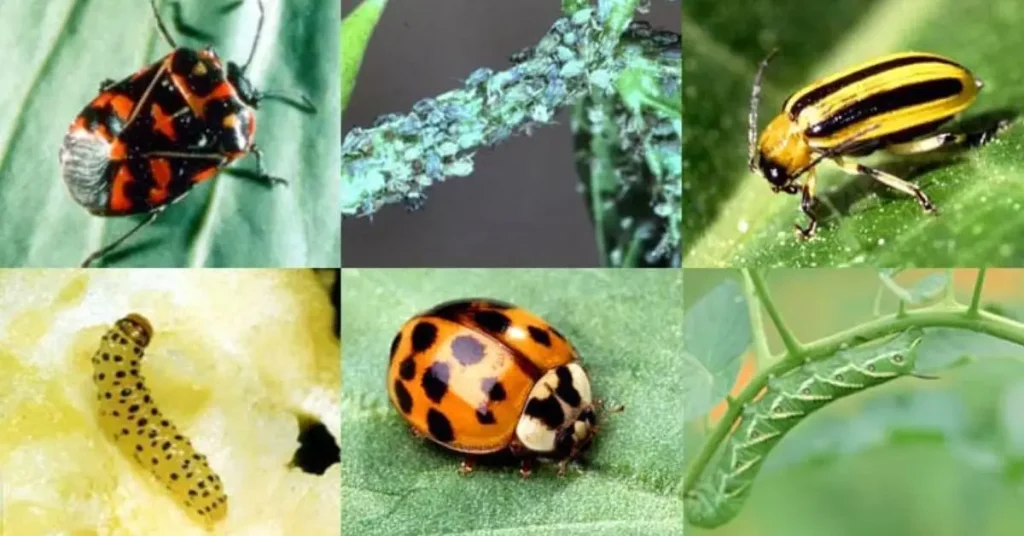
Have you ever walked into your garden, only to find that your plants are suddenly wilting, yellowing, or covered in holes? It’s frustrating, right? As someone who spends time nurturing plants, it’s hard to watch them suffer. But here’s the thing: most of the time, your plants are under attack by pests — tiny, often invisible invaders that can quickly destroy weeks or months of care.
Knowing how to identify common pests in your garden isn’t just important — it’s essential. The earlier you spot an infestation, the easier it is to control and prevent long-term damage. Whether you’re a seasoned gardener or a beginner, understanding the signs of pest damage gives you the upper hand, so you can protect your plants before it’s too late.
In this guide, we’ll dive into the world of garden pests — from aphids to caterpillars — and show you exactly what to look for. By the end, you’ll have the tools to spot, identify, and take action against these garden pests. Trust me, with a bit of knowledge and vigilance, you can keep your garden healthy and thriving.
Understanding the Most Common Pests in Your Garden
When it comes to your garden, pests are the silent invaders. They might be tiny, but they can cause serious damage if left unchecked. Let’s take a closer look at some of the most common pests you might encounter in your garden — knowing them means you can act quickly when they show up.
- Aphids: Aphids are those little green or black bugs that tend to gather in clusters on the undersides of leaves or at the tips of new growth. They suck sap from your plants, weakening them over time. You’ll notice stunted growth, yellowing leaves, and a sticky residue, which is the honeydew they excrete.
- Caterpillars: Caterpillars love to munch on leaves, and you’ll see the damage almost immediately. If you find holes in your plant leaves or the edges of the leaves are chewed up, it’s likely that a caterpillar is to blame. Some caterpillars even leave behind silken webs that can further harm your plants.
- Spider Mites: These tiny pests can be difficult to spot with the naked eye. They feed on the plant’s sap, causing yellow spots or speckles on leaves. If left untreated, you’ll notice that the leaves start to turn bronze or silver. The damage is often more evident in hot, dry conditions.
- Whiteflies: These pests resemble tiny white moths, and they can be found hovering above your plants. Whiteflies suck out the sap from plants, leading to yellowed leaves, wilting, and stunted growth. You’ll usually find them on the underside of leaves, especially when plants are stressed.
Identifying pests early means you can stop them before they do serious damage. Recognizing these common pests in your garden allows you to take proactive steps, keeping your plants healthy and thriving. Plus, when you know exactly what you’re dealing with, it’s easier to choose the right treatment for your garden.
Visual Signs: How to Spot Pest Damage on Your Plants

One of the first signs that your plants might be under attack is the damage they display. But it’s not always obvious, and it can sometimes look like a problem caused by something else — like poor watering or weather stress. Understanding the visual signs of pest damage can help you pinpoint what’s going wrong and address it quickly.
Here are some of the most common damage patterns to look for:
- Discolored Leaves: If your plants’ leaves are turning yellow, brown, or even have white patches, it could be a sign of a pest problem. Aphids and spider mites are notorious for causing these kinds of symptoms.
- Holes in the Leaves: Large holes or irregular chewed edges on your plant leaves are usually a giveaway that caterpillars or beetles are at work. If you’re seeing this, check your plants closely — you may even catch the culprit munching away!
- Sticky Residue: A sticky substance on your plants or the ground below can indicate the presence of aphids or whiteflies. This substance is honeydew, which they excrete while feeding on the plant’s sap. If you notice a sugary buildup, you may want to inspect for pests.
- Skeletonized Leaves: This is when the outer edges of leaves are eaten away, but the veins remain intact. It’s a sure sign of caterpillars or certain beetles. The leaves often look like lace.
- Wilted or Drooping Plants: If your plants start wilting or drooping for no apparent reason, and you’ve ruled out overwatering or drought, pests could be causing the issue. Check for any signs of pest infestation, such as tiny insects or discolored spots.
Wilting plants can be a sign of pest damage, but it’s important to remember that proper watering also plays a huge role in plant health. If you want to ensure you’re watering your plants correctly to keep them healthy and pest-resistant, check out our tips on how to water houseplants correctly.
Recognizing pest damage early gives you a clear advantage. Instead of waiting for the damage to worsen, you can identify the issue and start addressing it immediately, minimizing the impact on your garden.
For a closer look at what these pests might look like, check out HGTV’s guide to common garden pests for detailed pictures and further insights.
Detailed Guide to Identifying Specific Pests
Understanding your garden’s pests requires a sharp eye and the ability to recognize key traits. While pests might seem like a nuisance, spotting them early is your best defense. Let’s take a deeper dive into identifying some of the most common pests that could be sneaking around your garden.
1. Aphids
Characteristics: Aphids are tiny, soft-bodied insects that often appear in clusters on your plant stems, new growth, and the underside of leaves. They can range in color from green to black, and sometimes even red or yellow. Aphids are known for their ability to reproduce quickly, which is why a small problem can escalate into a major one in no time.
How to Identify Aphids:
- Look for clustered groups of these small bugs on plant stems or leaf undersides.
- Check for yellowing or curled leaves where aphids have been feeding.
- You may notice a sticky residue (honeydew) on the leaves or surrounding plants, which aphids secrete as they feed.
- Often, ants are seen “herding” aphids, as they enjoy the honeydew the aphids produce.
What to Do: Early intervention with natural predators like ladybugs or an organic insecticidal soap can help control aphids without harming your garden.
2. Spider Mites
Characteristics: Spider mites are extremely tiny, making them tough to spot with the naked eye. They often look like tiny dots on your plants and are known to spin webs on plant stems and leaf surfaces. They prefer hot, dry conditions, so you’re likely to encounter them during warmer months.
How to Identify Spider Mites:
- Look for yellow speckling or bronzing on leaves, which happens as spider mites suck out the plant’s sap.
- Webbing: Fine webbing can often be seen around leaf veins or on the plant’s stems.
- Hold a white piece of paper under a plant leaf and tap it — if you see tiny moving dots on the paper, you’ve probably got spider mites.
What to Do: Increase humidity around your plants, as spider mites prefer dry conditions. You can also spray plants with neem oil or a mixture of water and soap to get rid of them naturally.
3. Whiteflies
Characteristics: Whiteflies are small, winged insects that hover around plants, much like tiny moths. They often settle on the undersides of leaves and are known for causing plant yellowing and wilting due to their feeding.
How to Identify Whiteflies:
- Look for tiny, white, moth-like bugs that scatter when disturbed.
- Check the undersides of leaves for whiteflies, as they like to hide there.
- Leaves may start to yellow, curl, or have a sticky coating from honeydew, a sign of whitefly presence.
What to Do: Whiteflies can be controlled by using yellow sticky traps to catch the flying insects or by introducing natural predators like parasitic wasps. Additionally, neem oil can work wonders in repelling them.
By understanding the specific characteristics of each pest, you can identify them early and apply the right solution. It’s not just about knowing what they look like — it’s about using that knowledge to take effective action, saving your garden from potential damage. The more you know about the pests you’re dealing with, the easier it is to protect your plants and keep them healthy.
For more detailed pest identification tips, visit GardenTech’s pest ID guide.
Organic and Eco-friendly Ways to Prevent and Manage Pests
When it comes to protecting your plants, you don’t have to turn to harsh chemicals. There are plenty of natural, eco-friendly solutions that not only safeguard your garden but also protect the environment. Let’s dive into a few of the most effective and sustainable pest control methods.
1. Natural Predators: Ladybugs and Lacewings
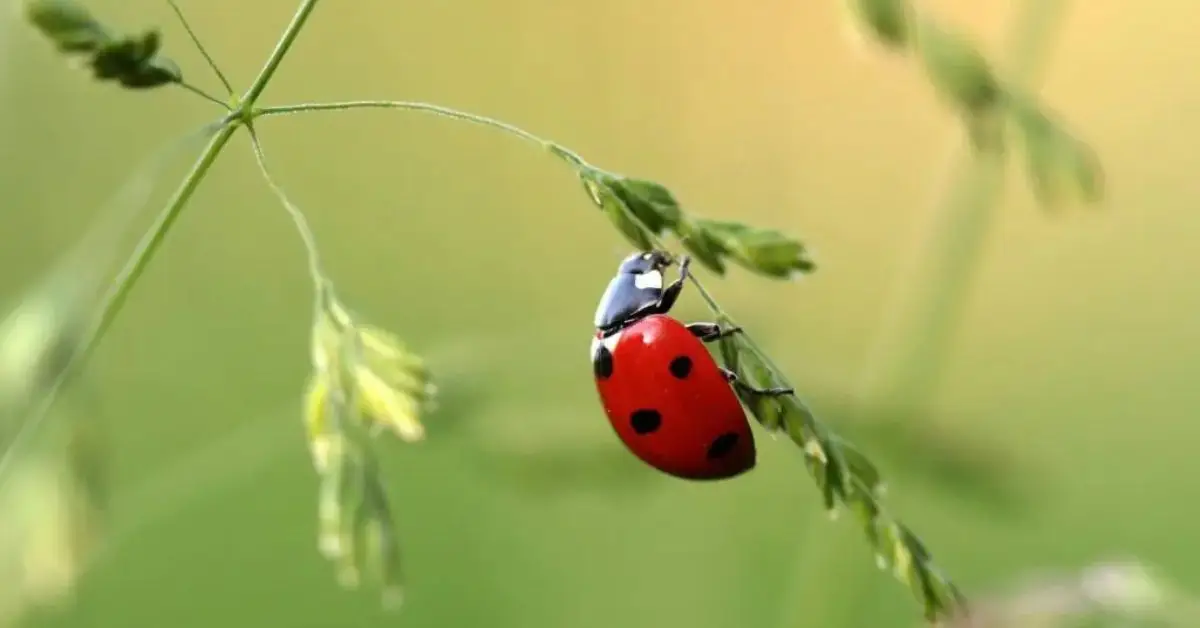
One of the best ways to deal with pests is by introducing their natural predators into your garden. Ladybugs and lacewings are your garden’s best friends when it comes to pest control. Both of these insects love to feast on aphids, mealybugs, and other common garden pests.
How They Help:
- Ladybugs consume large quantities of aphids in their lifetime, keeping your plants safe from these tiny but destructive pests.
- Lacewing larvae are voracious eaters of aphids, caterpillars, and even thrips, making them ideal for pest management.
Ladybugs and lacewings are great natural predators that help keep pests like aphids and caterpillars in check. If you’re dealing with hornworms, which can also be a major problem for your plants, make sure to read up on how to control and prevent them effectively in our guide on hornworm control.
2. Neem Oil: The All-Natural Solution
Neem oil is another fantastic eco-friendly pest control option. It’s derived from the seeds of the neem tree and works by disrupting the pest’s hormonal systems, effectively preventing them from feeding, mating, and laying eggs.
How It Works:
- Neem oil is safe for your plants but deadly to pests like aphids, whiteflies, spider mites, and caterpillars.
- It works both as a pesticide and a fungicide, providing double protection for your garden.
How to Use: Mix 1–2 tablespoons of neem oil with water and a few drops of dish soap, then spray it directly onto the affected plants. This mixture won’t harm beneficial insects like bees or ladybugs but will target the pests causing damage.
3. Homemade Remedies: Garlic and Soapy Water Spray
If you prefer something DIY, homemade remedies are a great option. Garlic spray and soapy water are simple to make and can be highly effective in keeping pests at bay. They’re also completely safe for the environment.
- Garlic Spray: Blend garlic cloves with water, strain the mixture, and spray it on your plants. The strong odor deters pests like aphids and beetles.
- Soapy Water: Simply mix water with a small amount of mild dish soap (preferably eco-friendly) and spray it on the plants. The soap coats pests, suffocating them and disrupting their ability to move.
Eco-friendly pest control methods are not only safer for the environment but also reduce your reliance on harmful chemicals. By using natural solutions, you’re creating a sustainable, healthy garden that supports biodiversity and promotes plant health.
For more tips on organic pest control methods, visit Gardeners.com’s plant pest photo gallery here.
The Importance of Early Detection: Protect Your Garden From Pest Infestation
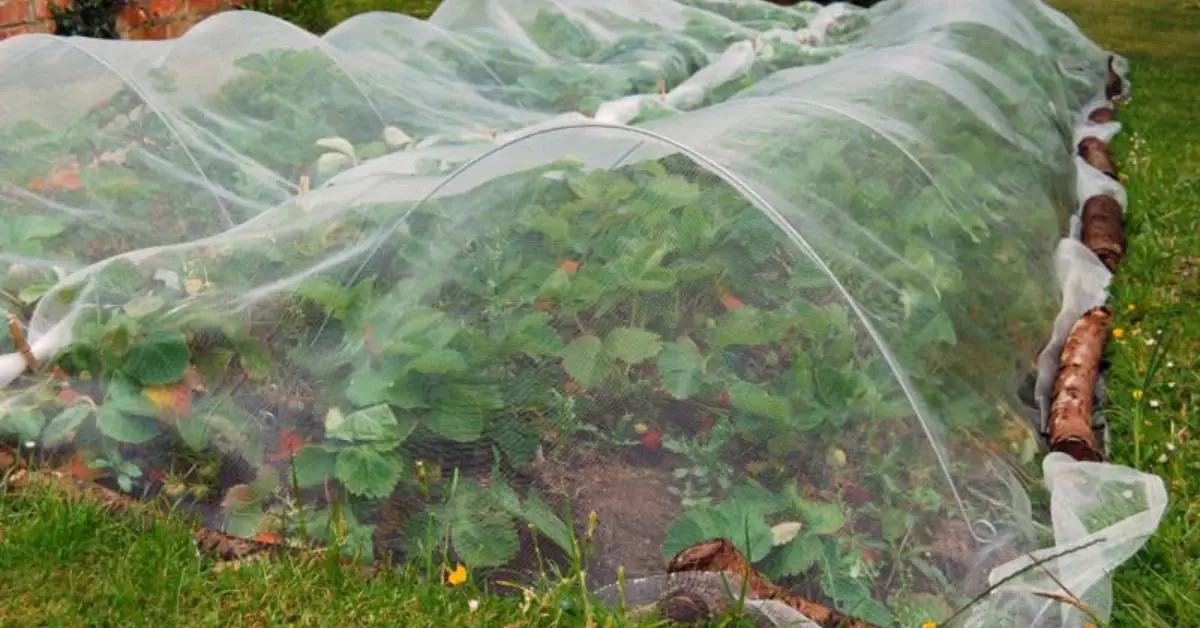
The key to a healthy, thriving garden is catching problems early — and that includes pests. Early detection of pests can save you a lot of time, money, and heartache. Let’s talk about why inspecting your plants regularly is the best approach for preventing pest infestations and ensuring long-term garden health.
Why Early Detection Matters
Most pests start small. Whether it’s a few aphids on a single plant or tiny spider mites hiding on the underside of leaves, catching them early allows you to control them before they cause significant damage. Consistent, proactive inspection of your plants is your best defense.
How to Detect Early Signs:
- Inspect leaf undersides regularly for pests or signs of damage.
- Check for discolored or damaged leaves, which are often the first indication that something isn’t right.
- Use a magnifying glass to catch small pests like spider mites or aphids.
How Early Action Saves You Money and Time
Addressing pest problems early doesn’t just protect your plants — it also saves you from the hassle and cost of dealing with a full-blown infestation. The longer pests are allowed to thrive, the more likely they are to spread to other plants, potentially causing irreversible damage.
Financial Benefits: Proactive pest control helps prevent the costly damage that pests can cause, especially if left unchecked. By identifying pests early, you can avoid spending on expensive pesticides, damaged plants, or major garden repairs.
Early detection is crucial, but a healthy garden is also about proactive care. Ensuring that your plants are properly watered can make them more resilient to pests. For some great watering tips, take a look at our detailed guide to maintaining healthy plants.
Conclusion: Keep Your Garden Safe from Pests Year-round
As we’ve seen, identifying and managing pests early is the key to keeping your garden thriving and healthy. Regular inspection, combined with eco-friendly pest control methods, will not only protect your plants but also ensure that they grow strong and vibrant season after season.
Remember, pests don’t wait for the perfect moment to invade, so don’t wait to act. By staying vigilant and taking a proactive approach, you’ll keep your garden safe from the damage these invaders can cause.
We’d love to hear your thoughts! What pest-fighting tips have worked for you in your garden? Share your experiences in the comments below.
And for more gardening tips, expert advice, and eco-friendly solutions, visit Plant Care Dairy for all the resources you need to keep your garden in top shape.
Disclaimer: The information provided in this article is for general gardening advice. While we strive to offer accurate and reliable tips, results may vary depending on the type of plants, environment, and pest species. Always test remedies on a small area first and consult a professional if needed.