

When it comes to maintaining a healthy garden, trimming ornamental grasses might not be at the top of your to-do list — but it should be! Whether you’ve been caring for your garden for years or you’re just starting, trimming your ornamental grasses is essential for their health, appearance, and longevity.
You might be wondering, “When’s the best time to trim? What tools do I need? How do I even begin?” Don’t worry, I’ve got you covered. In this guide, we’ll walk through the easy, step-by-step process of trimming your ornamental grasses, ensuring you get the best results without the stress. Let’s dive into why trimming these grasses not only keeps them looking neat but also promotes their growth season after season.
Why Trimming Ornamental Grasses is Essential for Garden Health
Trimming ornamental grasses isn’t just about keeping your garden tidy — it’s a crucial step for ensuring your plants stay healthy and vibrant throughout the year. Let’s dive into why trimming is so essential for both the health and aesthetic of your ornamental grasses.
Benefits of Trimming:
- Encourages Healthier Growth: Trimming removes dead or damaged growth, allowing the plant to focus its energy on producing fresh, new shoots. This not only improves the plant’s overall appearance but also promotes stronger, healthier growth in the long term.
- Enhances Aesthetic Appeal: A well-trimmed ornamental grass looks neat, tidy, and lush, enhancing the beauty of your garden. When grasses get too long or unruly, they can lose their shape and start to look wild and messy. Trimming helps maintain a crisp, defined look.
Prevents Overgrowth & Thatch Build-up:
If you’ve ever noticed that your ornamental grasses are starting to crowd each other or look a bit too “bushy,” trimming helps to prevent overgrowth. Overgrown grasses can lead to thatch build-up — a dense layer of dead plant material that can block nutrients, water, and sunlight from reaching the roots. Regular trimming helps to manage this build-up, ensuring your grasses receive the nutrients they need to thrive.
When is the Best Time to Trim Ornamental Grasses?
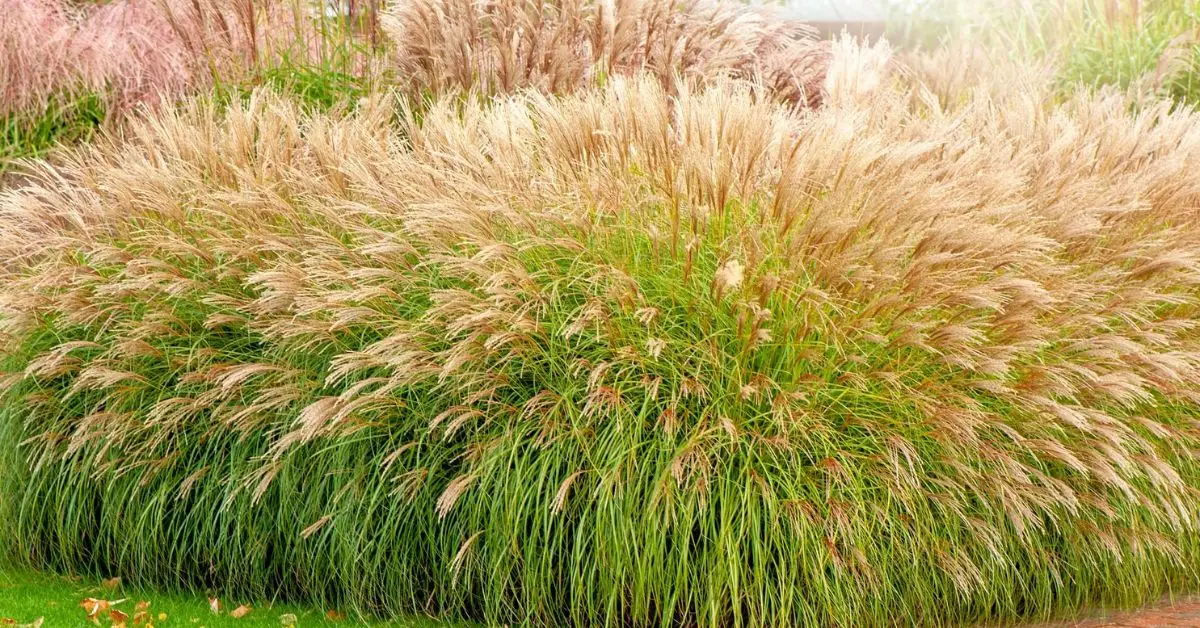
Now that we understand why trimming is essential, let’s talk about when it should be done. The timing of your trimming can significantly impact the health and appearance of your ornamental grasses. The best time varies depending on your climate and the type of grass you have.
Spring vs Fall:
- Spring Trimming: The most popular time to trim ornamental grasses is in the early spring. This timing ensures that you remove any dead or damaged growth from the previous year, making way for fresh, healthy shoots. If your grass blooms in summer or fall, spring trimming helps to clear out old growth while encouraging new shoots to grow.
- Fall Trimming: In some cases, particularly for grasses that have a strong winter interest (like certain varieties that hold their shape and color through the winter), fall trimming might be preferable. However, for most grasses, it’s best to leave them standing throughout the colder months for insulation and to avoid cutting back new growth prematurely.
Climate-Specific Tips:
- Cooler Climates: In cooler climates, you should wait until late spring (after the last frost) to trim your ornamental grasses. Trimming too early can damage tender new growth that’s vulnerable to frost. If you’re in a region with harsh winters, wait until new shoots begin to show signs of life before cutting back the old growth.
- Warmer Climates: If you live in a warmer climate, you may be able to trim back ornamental grasses earlier in the spring. In some cases, trimming in early spring encourages healthier growth as these grasses often grow year-round in warmer conditions. Just be mindful of not cutting them back too early, especially if frost is still a risk.
By knowing why and when to trim ornamental grasses, you’re on the right path to maintaining a beautiful, healthy garden. Understanding the benefits of trimming and choosing the optimal time based on your specific environment ensures your grasses stay vibrant year after year.
For more information on when to trim different types of plants, check out the full guide from the Royal Horticultural Society.
Step-by-Step Guide: How to Trim Ornamental Grasses Like a Pro
Trimming ornamental grasses might seem like a daunting task, but with the right approach, it’s easier than you think. Whether you’re a beginner or just looking for a more efficient method, follow these simple steps to ensure a clean, professional-looking trim.
Step 1: Gather the Right Tools
Before you start trimming, it’s important to have the right tools on hand. The right tools not only make the job easier but also ensure that you don’t damage your grasses during the process.
- Scissors or Shears: Choose sharp scissors or garden shears to ensure a clean cut.
- Gloves: Protect your hands from sharp grass blades or thorns, especially if you’re trimming more aggressive grass types.
- Trash Bag or Bucket: Have a container ready to collect the cuttings for easy disposal.
If you’re new to pruning, you might also find our guide on How and When to Prune Roses for a Lush Flower-Filled Garden helpful in perfecting your gardening skills.
Step 2: Prepare the Grass
Properly preparing the grass before you start cutting can make a huge difference in the outcome. Here’s how:
- Clear the Area: Remove any debris or weeds around the base of the grass so that you can easily access the plant.
- Wet the Grass: Lightly water the grass before trimming to soften it, making the cutting process smoother.
Step 3: Trimming Techniques
When trimming ornamental grasses, different grass types require different cutting techniques. Here’s what to keep in mind:
- Cutting Tall Grasses: For taller grasses, cut them down to about 4–6 inches above the ground. Be sure to leave enough height to encourage new growth.
- Short Grasses: Shorter grasses can be trimmed closer to the base, but avoid cutting too deeply into the crown (the center of the plant), as this can damage the plant.
Step 4: Post-Trimming Care
Once you’ve finished trimming, give your grasses a little extra love to help them thrive.
- Watering: Water the grass immediately after trimming to help it bounce back quickly.
- Fertilizing: Consider using a light, balanced fertilizer to encourage healthy growth.
- Mulching: Apply a thin layer of mulch around the base to retain moisture and keep weeds at bay.
Top Tools You Need for Trimming Ornamental Grasses

Having the right tools makes trimming ornamental grasses a breeze. Here’s what you’ll need to get the job done:
Best Shears & Scissors for Ornamental Grasses
Not all tools are made equal, so choosing the right one can make your trimming experience smoother and more effective.
- Bypass Pruners: These are great for cutting through stems cleanly. Their sharp, scissor-like blades make them ideal for most ornamental grasses.
- Long-handled Shears: If you’re trimming tall grasses, long-handled shears allow you to reach higher parts without straining your back.
- Hand-held Shears: For smaller grasses, these are perfect for making quick and precise cuts.
Maintenance of Tools
Just as important as having the right tools is maintaining them. Here’s how to keep your tools in top shape:
- Clean After Every Use: After trimming, clean your tools thoroughly to remove any sap or grass debris. This helps prevent rust and keeps them sharp.
- Sharpen Blades Regularly: Dull blades can cause ragged cuts, which harm the grass. Regularly sharpen your shears using a sharpening stone or file.
- Oil Moving Parts: To keep your tools functioning smoothly, oil the hinges and moving parts every few uses.
By taking care of your tools, you’ll not only make trimming easier but also extend the life of your equipment.
Common Mistakes to Avoid When Trimming Ornamental Grasses
Even seasoned gardeners can make mistakes while trimming ornamental grasses. Here are a few common issues and how to avoid them:
Cutting Too Early or Too Late
Timing is everything. Trimming too early, especially before the last frost, can expose tender shoots to the cold, while trimming too late may prevent your grasses from blooming properly.
- Solution: Trim at the recommended time for your specific grass type. Early spring is generally the best, after the last frost but before new growth begins.
Cutting Too Short or Too Long
Finding the right trimming length is crucial. Cutting too short can harm the plant, while cutting too long can make the grass look messy and unkempt.
- Solution: Trim back about 1/3 of the plant’s height. For most ornamental grasses, cutting too close to the base can stress the plant, so be careful.
Ignoring Grass Type
Different grasses have different needs. What works for one type might not work for another.
- Solution: Always research your specific grass type and its ideal trimming method. For example, warm-season grasses might need a different approach than cool-season grasses.
By avoiding these mistakes, you’ll help ensure that your ornamental grasses stay healthy, look great, and grow back beautifully each season.
If you’re new to trimming ornamental grasses and need more guidance on the exact steps and timing, The Spruce has an excellent guide that walks you through the entire process. Check it out here for expert advice on keeping your grasses healthy and looking their best.
Troubleshooting: What to Do if Your Ornamental Grasses Don’t Respond Well After Trimming

After putting in the work to trim your ornamental grasses, it’s frustrating when they don’t respond the way you expected. Don’t worry! Here are a few common issues and practical solutions that can help you get your grasses back on track.
If Grass Turns Brown or Dies:
One of the most common issues after trimming is the grass turning brown or even dying. This can happen for several reasons, but the most common are:
- Timing Issues: Trimming too early in the spring can expose your grasses to late-season frost, which can damage the plant.
- Cutting Too Short: Cutting too much of the plant back can stress it out, leaving it vulnerable to disease or pests.
- Improper Watering: After trimming, grasses need a little extra care. If you don’t water them properly, they might dry out and turn brown.
What to do:
- Ensure you’re trimming at the right time (usually after the last frost).
- Avoid cutting too deeply into the crown of the grass.
- Water consistently, keeping the soil moist but not soggy.
If you’re looking for more tips on troubleshooting plant issues, be sure to check out our guide on 10 Late Summer Gardening Tips Every Gardener Should Know, where we cover a variety of common plant care challenges.
For more in-depth advice on caring for your ornamental grasses, check out the expert tips from Proven Winners here.
If Grass Doesn’t Grow Back Properly:
Sometimes, even when you follow all the right steps, your grass might not grow back as expected. This could be due to:
- Cutting Too Much: If you trimmed back too aggressively, the plant may struggle to regrow, especially if you cut into the crown.
- Poor Soil Quality: If the soil doesn’t have the right nutrients or drainage, the grass may not thrive after trimming.
- Pests or Disease: Sometimes, pests or disease can prevent new growth, especially if your trimming exposed areas that were previously protected.
What to do:
- Make sure you’re not cutting back too much of the plant. Leave enough height for healthy regrowth.
- Fertilize your grass with a balanced fertilizer to encourage growth and improve soil quality.
- Check for pests or disease and treat accordingly.
Seasonal Trimming for Different Grass Types
Not all grasses are the same, and when it comes to trimming, different grass types require different care. Understanding these differences can make all the difference in keeping your garden looking beautiful throughout the seasons.
Tall Grasses vs Short Grasses:
- Tall Grasses: These grasses often need to be cut back more significantly than shorter varieties. However, you should always leave at least 4–6 inches of growth to protect the plant from frost damage.
- Short Grasses: For shorter grasses, you typically only need to trim back the older, dead growth while leaving the fresh, green growth intact. This ensures that the plant can continue to thrive and look full.
Warm-Season vs Cool-Season Grasses:
- Warm-Season Grasses: These grasses (like Zoysia or Bermuda) typically start growing when the weather warms up, so they need trimming in late spring or early summer. Cutting back too early can damage the plant before it has a chance to grow.
- Cool-Season Grasses: These grasses (like Blue Fescue or Ryegrass) are best trimmed in early spring, before the new growth begins. They often need a lighter trim compared to warm-season grasses.
For those looking to expand their gardening knowledge, Growing Roses from Cuttings at Home is another fantastic beginner guide for propagating plants effectively.
Understanding these differences ensures that you’re trimming according to the grass type, which can lead to healthier plants and a better-looking garden.
By following these troubleshooting tips and understanding the seasonal needs of different grasses, you can ensure that your ornamental grasses continue to thrive and stay healthy after trimming.
For more information on caring for ornamental grasses throughout the year, check out the detailed guide from Proven Winners.
Conclusion: Enjoy a Beautiful, Healthy Garden with Proper Grass Trimming
Trimming ornamental grasses may seem like a small task, but it plays a significant role in maintaining a beautiful, thriving garden. Whether you’re looking to improve the aesthetics of your outdoor space or ensure healthy growth for your grasses, proper trimming is key. By following the simple steps, understanding your grass types, and timing it right, you’ll be able to keep your grasses looking their best throughout the year.
Remember, a well-trimmed garden is not only visually appealing but also ensures better health and growth for your plants. So, grab your shears, get trimming, and enjoy the results!
For more gardening tips, care guides, and expert advice on keeping your plants healthy, visit us at Plant Care Dairy today! We’ve got everything you need to make your garden flourish.
Disclaimer: The information provided in this article is intended for general gardening advice. Always consider your specific climate, grass type, and local conditions before making decisions regarding plant care.