
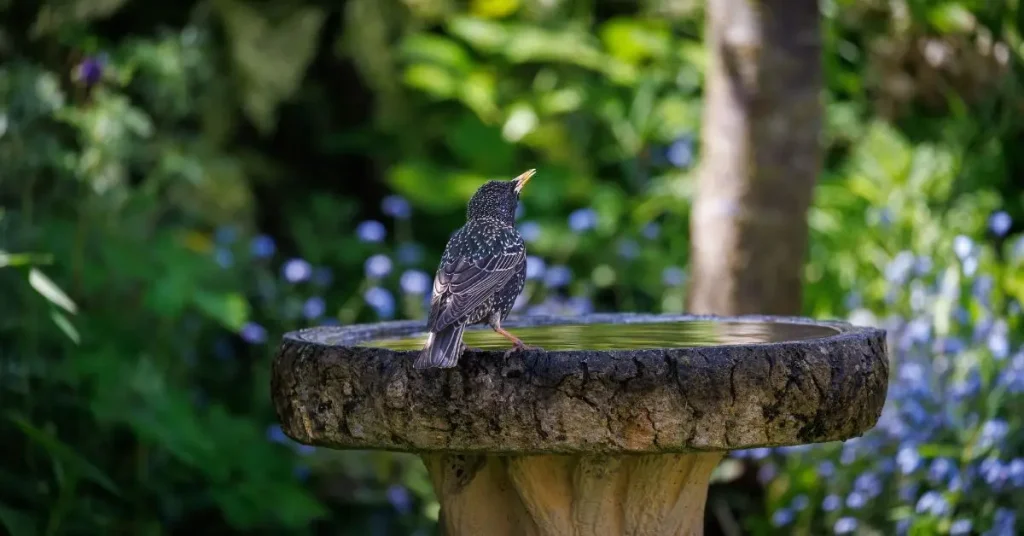
I’ve lost count of how many guides told me, “Just add a bird bath and the birds will come.” I believed that too. I set one up in the middle of my garden, filled it with fresh water, and waited. But nothing happened—no sparrows, no robins, not even a curious finch.
It turns out the problem wasn’t the bird bath itself. It was where I put it. Birds are picky about safety and comfort. If the water feels exposed, overheats, or sits too close to danger, they’ll ignore it completely. I learned that the hard way after weeks of silence.
What surprised me most was how quickly things changed when I moved it. With just a little shade, some nearby cover, and a safer distance from busy spots, the same bath suddenly became the busiest corner of my garden.
If you’ve ever wondered why your bird bath feels more like a garden ornament than a wildlife magnet, you’re not alone. Have you made any of these placement mistakes yourself?
Why Bird Bath Placement Matters More Than You Think
When I first added a bird bath, I thought it was just a pretty touch for the garden. But a bird bath is more than decoration—it’s a lifeline. Birds need safe, clean water to drink and bathe, especially during hot summers when natural sources dry up.
Here’s the catch: if you place it wrong, it won’t just sit unused—it can actually put the birds at risk. A bath in the wrong spot can:
- Leave birds exposed to predators
- Heat up too quickly and turn into a breeding ground for algae
- End up stagnant, attracting mosquitoes instead of wildlife
So if you’ve been frustrated that your bird bath stays empty, it’s not because the birds don’t like you—it’s because the setup isn’t working for them.
Mistake #1 – Placing the Bird Bath in Full Sun Without Cover

I made this mistake myself: a bright, sunny patch in the middle of the lawn. It looked perfect to me, but for the birds it was a disaster. Here’s why:
- Overheating water: Direct sun warms the bath fast, and birds avoid hot, uncomfortable water.
- Algae growth: Sunlight fuels algae blooms, making the water slimy and unsafe.
- Predator risk: In the open, birds feel exposed. They need quick cover to escape if a cat or hawk appears.
The fix is simple: place your bath where it gets partial shade, ideally under a tree canopy or near tall shrubs. The shade keeps the water cooler, reduces algae, and makes the spot feel safer.
As the Cornell Lab of Ornithology explains in their birdbath care guide, adding shade and shallow edges encourages more species to visit and stay longer.
Think of it this way—you and I wouldn’t enjoy sitting in a boiling hot tub under the blazing sun with no cover. Birds feel the same way. A little shade can turn an empty basin into the busiest spot in your garden.
Mistake #2 – Positioning Too Close to Windows, Feeders, or Busy Spots
I once thought keeping everything close together—feeders, flowers, and the bath—would make my garden more inviting. Instead, it turned into a problem. Birds don’t like chaos; they like safety and space.
Here’s what happens when a bird bath is too close to the wrong things:
- Near feeders: Seeds and droppings fall into the water, making it dirty within hours. It’s not just messy—it can spread disease among the very birds you’re trying to help.
- Near windows: Reflections confuse birds. A quick takeoff from the bath can turn into a deadly window strike.
- Near busy walkways or patios: Constant human movement makes birds nervous, so they’ll avoid the bath altogether.
The solution? Give the bath its own quiet corner. Keep it a few feet away from feeders and at least several feet from windows. If you want to watch the activity, set it where you can see it comfortably from indoors, but not so close that it puts birds in danger.
As Homes & Gardens points out in their placement guide, the best bird baths are those in calm, lightly sheltered spots where birds feel secure enough to linger.
I learned that the hard way. The first week I shifted my bath away from the feeder zone, the water stayed cleaner, and the visits doubled. Sometimes, just a little space is all it takes for birds to feel at home.
Mistake #3 – Setting the Bird Bath on the Ground Without Proper Surroundings

When I first placed my bath directly on the ground, I thought I was keeping it “natural.” But ground-level placement is one of the riskiest choices you can make for birds. It might look simple, but for them it feels unsafe.
Here’s why:
- Predator danger: Cats, raccoons, or even foxes can easily ambush birds at ground level.
- Feeling exposed: An open lawn with no cover makes birds uneasy—they need quick escape routes.
- Dirty water: Baths on the ground collect soil, leaves, and debris much faster than elevated ones.
The fix? Raise the bath on a pedestal or stand, and think about the space around it. Birds prefer layered surroundings:
- Low groundcovers where they can land safely
- Mid-height plants (waist level) for nectar, insects, and partial cover
- Shrubs or small trees nearby to perch and escape if threatened
This “three-layer ring” creates a natural oasis, making birds feel at ease. Even a simple setup with potted shrubs can transform how much activity you see.
If you’re adding shrubs or flowering plants near your bird bath for extra cover, pruning them at the right time is just as important. Our guide on how and when to prune roses for a lush flower-filled garden shows you how to keep plants healthy and dense—perfect for giving birds natural shelter.
As soon as I lifted my bath off the lawn and tucked it beside a lilac hedge, I noticed the difference. Instead of a quick sip and dash, birds actually stayed, preened, and returned throughout the day. It showed me that safety and surroundings matter as much as the water itself.
How to Correct These Mistakes: The Smart Placement Formula
When I finally stopped guessing and started following a simple rule, everything clicked. I call it the Rule of 3: Shade + Shelter + Safety. If your bird bath has these three, it will almost never sit empty.
Here’s how you can set it up:
- Shade: Position the bath where it gets partial shade during the hottest part of the day. This keeps water cooler and cleaner.
- Shelter: Add shrubs, hedges, or mid-height plants nearby so birds feel protected while drinking.
- Safety: Keep it off the ground and a safe distance from busy spots. Ideally, put it within view of a window so you can enjoy watching, but not so close that birds risk hitting the glass.
Even the RSPB explains in their bird bath guide that placing a bath about 2–3 metres from thick cover gives birds confidence to use it while staying safe from predators.
The difference this formula makes is remarkable—you’re not just giving birds water, you’re giving them a place they trust. If you’d like to add low-maintenance blooms around your bird bath, consider drought-tolerant varieties. Something like Mexican Hat flowers not only adds colour but also attracts pollinators, making your garden more lively and bird-friendly.
Bonus Tips Most Gardeners Miss

Once the basics are right, a few small tweaks can turn your bird bath into the most popular spot in the garden:
- Add gentle movement: A solar fountain, dripper, or even a small bubbling feature keeps water fresh and instantly catches a bird’s attention.
- Keep it clean: Empty and refill every couple of days. This prevents mosquitoes and keeps water safe. Healthy planting all around your garden makes a difference too—birds often pick off pests while visiting. If you’re growing vegetables nearby, you might find our guide on tomato plant problems and how to fix them fast useful to keep both your crops and your bird bath area thriving.
- Think seasonally:
- In summer, add deeper shade or move it out of direct sun.
- In winter, use a simple heating stone or place it where it won’t freeze over completely.
Most guides stop at “keep it clean,” but if you want birds year-round, these seasonal adjustments make all the difference.
Key Takeaways – Making Your Garden the Birds’ Favorite Stop
Looking back, the difference between an empty bird bath and a busy one comes down to a few simple choices:
- Mistake #1: Don’t leave it in full sun. → Fix: place it in partial shade to keep water cool and clean.
- Mistake #2: Don’t crowd it near feeders or windows. → Fix: give it its own quiet corner, safe but visible.
- Mistake #3: Don’t set it flat on the ground. → Fix: raise it up and surround it with layered plants for cover.
These small shifts add up to a big change. When your bath offers shade, shelter, and safety, birds don’t just visit—they return, linger, and thrive. And the best part? You get to enjoy a livelier, healthier garden every day.
Have you tried moving or adjusting your bird bath before? Did it make a difference? Share your experience in the comments—I’d love to hear what worked for you.
For more practical guides and tips to make your garden thrive, visit Plant Care Dairy for fresh ideas and expert-backed advice.
Disclaimer: The tips shared here are based on personal experience and trusted wildlife sources. They are meant for general gardening guidance only. Always follow local wildlife recommendations to ensure the safety and wellbeing of birds in your area.