
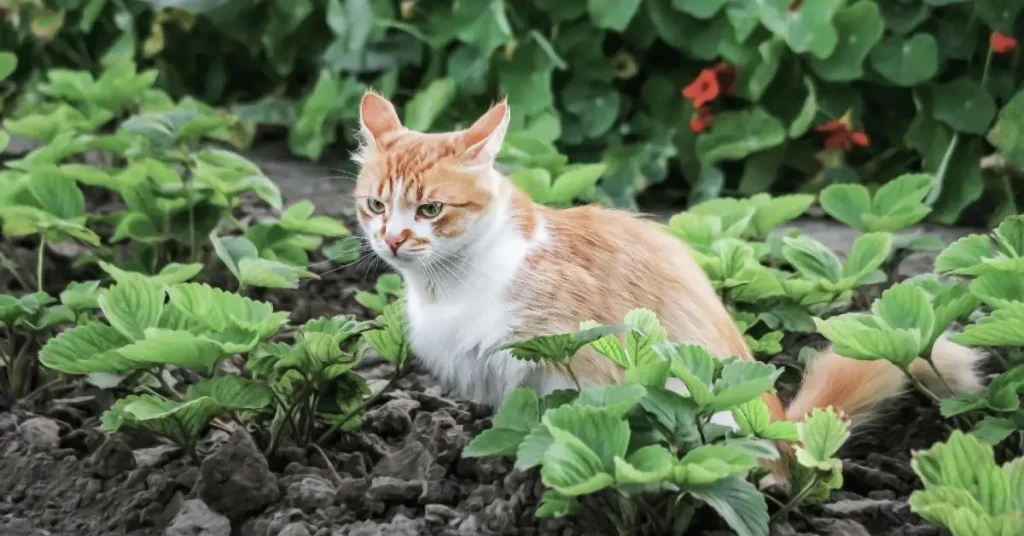
I’ve had that moment—you walk out to check your beds and spot the unmistakable mess. You wonder, “Is this going to hurt my plants… or me?” I’ve seen gardeners shrug it off like free manure. I’ve also seen crops fail and people get sick because they didn’t take it seriously.
Here’s the straight answer: cat feces can burn young roots, contaminate soil, and introduce pathogens that don’t care how careful you are at harvest. The risk jumps if you’re growing leafy greens or root crops. It’s not about panic; it’s about smart steps that keep you and your garden safe.
Most guides either downplay the problem or go full scare. I won’t do either. I’ll show you what actually matters—how long the risk lasts in soil, which beds are most vulnerable, what to do today if you find a fresh deposit, and how to stop repeat visits without turning your garden into a fortress.
If you’ve dealt with this already, what did you do first—clean, cover, or ignore it and hope for the best?
Can Cat Poop Actually Damage Plants? The Surprising Truth
When I first started gardening, I assumed all manure was good manure. After all, cow and horse waste are prized in compost piles—so why not cat? The problem is, fresh cat feces packs nearly twice the nitrogen of cattle manure. Instead of feeding your plants, that nitrogen overload can “burn” delicate roots and leaves, leaving you with wilted growth instead of healthy greens.
The bigger issue isn’t just about the plants—it’s about what lives inside that waste. Cat feces can carry Toxoplasma gondii, Salmonella, E. coli, and roundworms. These parasites and bacteria don’t simply disappear when you hose the bed down. They can linger in soil and potentially transfer to your crops, especially those you eat raw. That’s why using cat feces as “free fertilizer” is far riskier than it looks. Just like some plants that hate coffee grounds, not everything natural is safe for your garden—knowing the difference can save your crops.
Yes, technically cat poop contains NPK (nitrogen, phosphorus, potassium) just like animal manure, but the health risks far outweigh any nutrient benefit. As one gardener bluntly put it on a forum: “It’s not the plants you need to worry about—it’s you”.
What Experts Say—and What Winter Covers Reveal
Now, here’s where it gets interesting. Some research suggests that cold winter conditions can naturally reduce soil pathogens. The Maine Cooperative Extension notes that if the cat hasn’t returned to the bed, and you remove visible waste, soil exposed to freezing temperatures may be safe for planting the following season.
But don’t take this as a green light to ignore the problem. Gardeners online are divided:
“It is just manure, so won’t harm the plants. Wash your veg, if the poo is unburied.” – Comment from Reddit
Balanced by more cautious voices:
“Keep in mind… pathogens… the fresher the poop the higher the risk.” – Katy in the Garden
The takeaway? Cold winters may help, but time and temperature alone aren’t guarantees. If you’re growing food, especially greens or root crops, a little caution now will save a lot of worry later. Garden science is evolving quickly, with tools like electronic tattoos for plants that monitor plant stress in real time—but even the smartest tech can’t fully erase the risks of contaminated soil.
Garden Safety: When to Be Concerned—And When Not To Be
Not every garden bed carries the same level of risk. If you’re pregnant or have a weaker immune system, cat feces in soil can be particularly dangerous because of toxoplasmosis, a parasite that can survive underground for more than a year. That means even when the waste has disappeared, the soil may still be unsafe.
For ornamental flower beds, the problem isn’t usually about harming the plants, but about hygiene. Wearing gloves, washing your hands, and staying cautious is important because repeated deposits can still build up harmful organisms. Pets or children playing in the same space may unknowingly be exposed. Whether you’re growing vegetables or roses, taking time to clean up always reduces the risk.
When to be most cautious:
- Pregnancy or weak immune system → high toxoplasmosis risk
- Edible beds (leafy greens, root crops) → highest contamination risk
- Repeated deposits in the same spot → buildup of pathogens over time
Hidden Risks Beyond Plant Damage
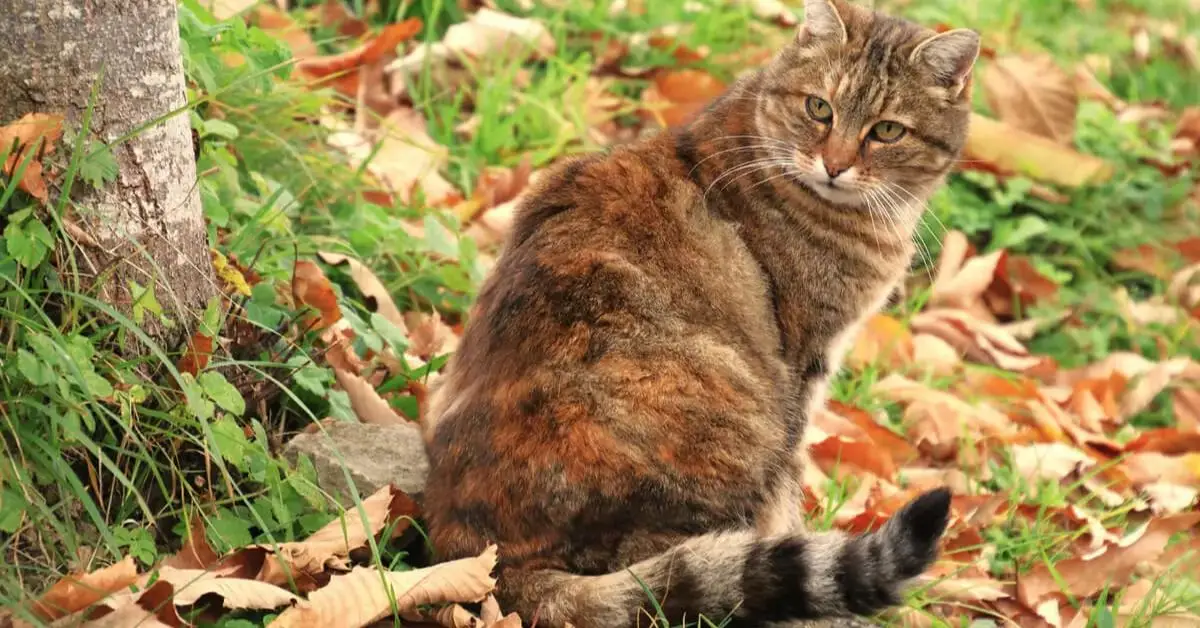
The dangers of cat feces extend far beyond stunted plants. The waste often carries parasites such as roundworms, hookworms, and bacteria like Salmonella, which can spread to both people and animals. The smell itself lingers, attracting flies and even vermin, while the soil underneath can become contaminated and leak into nearby water sources.
Other hidden problems include:
- Strong odors that spoil time in the garden
- Attraction of flies, rodents, and other pests
- Dogs rolling in it or kids stepping on it by accident
- Long-term soil contamination that can spread further than you expect
Best Cleanup & Prevention Tactics for Safe Gardening
If you come across fresh cat waste in your garden, handle it carefully. Put on gloves and a mask, scoop out the feces along with a layer of surrounding soil, and throw it away securely. Never add it to compost since it rarely reaches the temperatures needed to kill harmful organisms. Once you’re done, disinfect any tools you’ve used.
Healthy gardening is always about spotting problems early—just as you learn to identify overwatered vs underwatered plants, catching signs of soil contamination quickly makes all the difference.
Smart cleanup and prevention steps:
- Wear gloves and a mask before handling soil
- Remove at least two inches of soil along with the feces
- Dispose of waste in sealed trash, never in compost
- Disinfect spades, trowels, or gloves that came in contact
Keeping cats out of your beds is equally important. Some gardeners lay down landscape fabric or mulch at the beginning of the season so cats find it harder to dig. Others use chicken wire or woody mulch to make the surface uninviting. Motion-activated sprinklers can also keep cats away without hurting them. And if a bed has been used repeatedly, it’s safer to grow ornamentals instead of vegetables. As highlighted in Catster’s gardening guide, combining barriers with safe disposal makes the difference between a contaminated patch and a thriving garden.
Thoughtful Composting—Only When Strict Conditions Met
Every gardener has heard the phrase “waste not, want not,” and it can be tempting to treat cat feces like just another manure source. The truth is, composting it is rarely a good idea—especially if you’re growing vegetables or herbs. Because cats are carnivores, their waste carries a higher load of pathogens than herbivore manures, and those organisms can survive long enough to make home compost unsafe for food crops.
That said, some gardeners who are determined to recycle every scrap do experiment with composting cat waste, but it requires strict conditions and patience. If you choose to go down that road, you’ll need to:
- Use a hot composting system capable of sustaining very high temperatures
- Stick to biodegradable litter like paper or pine-based material
- Seal the waste in a dedicated barrel or container separate from your regular compost
- Balance it with plenty of carbon-rich materials like sawdust or leaves
- Allow the pile to break down for at least two years before using it
- Apply the finished compost only to ornamental or non-food plants, never in vegetable beds
Handled this way, it’s less about feeding your garden and more about disposing of waste responsibly. For most home gardeners, though, the risks outweigh the rewards, and safer disposal methods are the wiser choice.
Final Verdict and Smart Practices Summary
So what’s the bottom line? Yes, cat feces can harm your plants—or at least pose serious health risks—especially in edible gardens. It isn’t just about nitrogen burn; it’s about the parasites and bacteria that can linger in soil long after the waste is gone.
If you want a safe and productive garden, the smarter path is clear:
- Clean up immediately when you find fresh deposits, removing a layer of soil along with the waste.
- Use deterrents like mulch, fabric, or barriers to keep cats from returning.
- Avoid planting vegetables in beds that have been repeatedly contaminated. Switch to flowers or ornamentals instead.
- Rely on winter and time only as an extra layer of safety—not as your main solution.
- Compost cat waste only under strict conditions, with high-heat systems and long timelines, and never use the result on food crops.
At the end of the day, the goal isn’t to panic but to garden wisely. A little care now—cleaning, preventing, and choosing the right crops for the right spaces—can save you a lot of trouble later.
What about you—have you ever had to deal with cats turning your garden into their litter box, and how did you handle it?
Want more practical tips to keep your garden healthy and thriving? Explore more guides and expert advice on Plant Care Dairy—your go-to source for smart gardening solutions.
Disclaimer: This article is for informational purposes only and should not be taken as medical or veterinary advice. Always consult a qualified professional for concerns about soil safety, pet health, or personal health risks.