
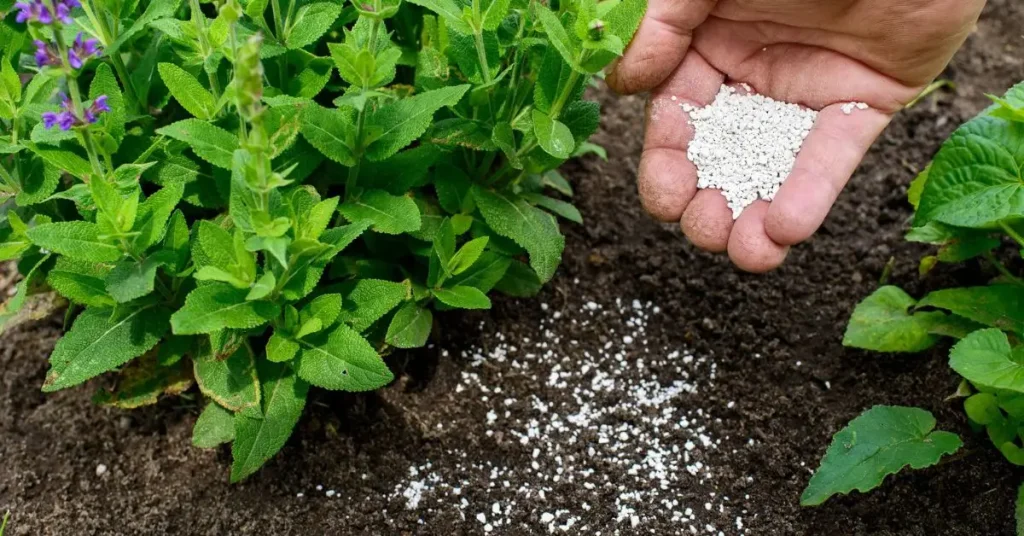
I’ll be honest with you—I used to think plants just needed sunlight and water to thrive. Fertilizer felt like an “extra” thing serious gardeners worried about. But then I noticed my own pothos sitting in the corner, its leaves turning pale and growth slowing down even though I was watering it right. That’s when it clicked: food matters for plants just as much as it does for us.
The tricky part is, plants don’t exactly raise their hand and tell you, “Hey, I’m starving over here.” You and I have to read the signs—yellowing leaves, stunted growth, flowers that refuse to show up. Miss those clues, and the plant slowly loses its spark. Overdo it, and you’ll burn the roots instead of feeding them.
In this guide, I’ll walk you through the simple signals that tell you when your plants are hungry, how to avoid confusing them with watering issues, and exactly what to do about it. Think of it as learning your plants’ language—once you get it, you’ll never second-guess whether to reach for the fertilizer again.
Before we dive in, tell me—have you ever lost a plant because you weren’t sure if it needed food or water?
Why Fertilizer Matters for Healthy Plant Growth?
When I first started keeping plants, I thought water and sunlight were enough. Fertilizer felt like something “extra,” something optional. But the truth is, fertilizer isn’t a luxury—it’s part of the plant’s survival kit.
Think of it this way: you and I can survive on bread and water for a while, but eventually our bodies need real nutrition—proteins, vitamins, minerals. Plants are no different. They rely on nutrients like nitrogen, phosphorus, and potassium to grow strong leaves, develop roots, and bloom. Without these, even the healthiest-looking plant starts to fade.
According to the University of Minnesota Extension, fertilizers replace the nutrients that naturally get used up in soil over time. Indoors, where plants live in pots with limited soil, this becomes even more important. Once that soil runs out of “food,” the plant has no backup plan—you’re the one who has to step in.
So when you see fertilizer as “plant food,” you’re not just helping your plant grow taller—you’re keeping it alive, healthy, and ready to thrive long-term.
Common Signs Your Plants Need Fertilizer
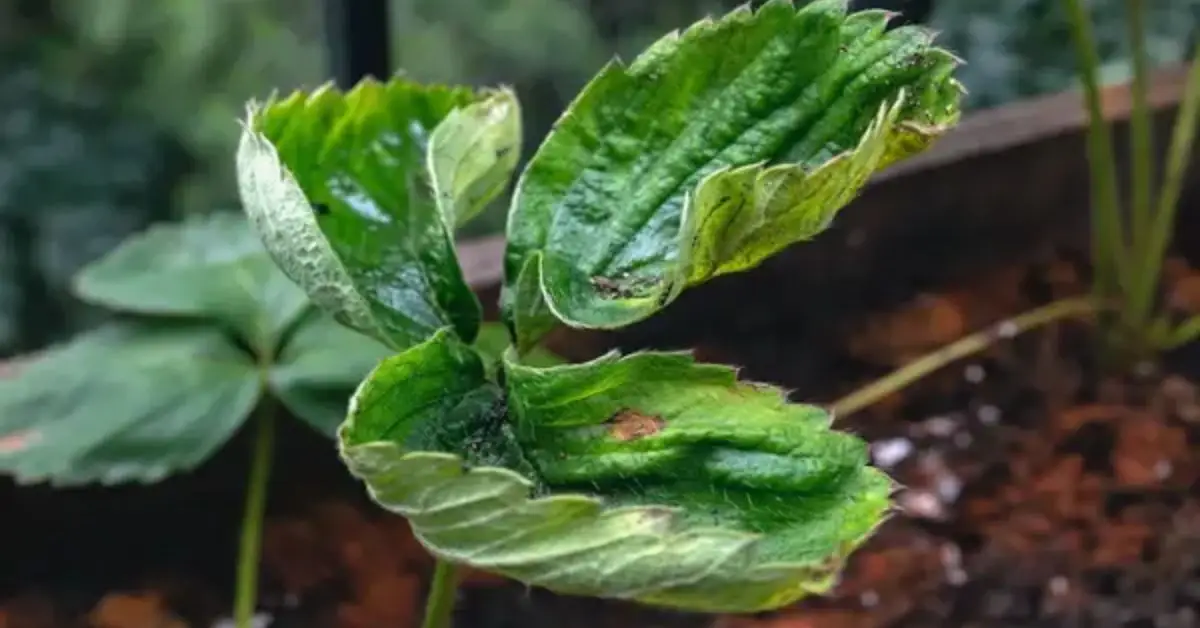
The tricky part is figuring out when your plant is actually hungry. They don’t shout or send notifications—we have to notice the signals. I’ve learned the hard way that ignoring these small hints can mean the difference between a thriving plant and one that just survives.
Here are some of the most common signs to watch for:
- Yellowing leaves (chlorosis): If your plant’s leaves start turning yellow from the inside out, that usually points to a nitrogen deficiency. It’s like the plant is running low on energy to make chlorophyll.
- Slow or stunted growth: You water, you give it sunlight, but the plant just sits there. This often means it’s missing a balance of key nutrients.
- Pale or dull leaf color: When leaves lose their rich green and look washed out, your plant might be lacking magnesium or iron.
- No new flowers or fewer blooms: If a normally flowering plant refuses to bloom, chances are it needs more phosphorus, which supports flowers and fruit.
- Leaves dropping too early: Sometimes plants shed leaves when stressed, but if it’s happening often, it can be a sign of overall nutrient imbalance.
I always tell people: once you start noticing these patterns, you’ll begin to “hear” what your plants are saying. It’s not about guessing anymore—it’s about connecting the dots between what you see and what your plant needs.
Have you ever spotted yellow leaves or fewer blooms and thought it was just watering? That’s the exact moment fertilizer could make all the difference.
How to Tell the Difference Between Watering Issues vs. Fertilizer Deficiency?
I can’t tell you how many times I’ve seen people panic when their plant’s leaves turn yellow. The first thought? “I must be overwatering.” The second? “Maybe it needs fertilizer.” The truth is, both can cause similar symptoms—but the fixes are very different.
Here’s how I separate the two:
Signs of Overwatering
- Leaves look soft, limp, and mushy
- Soil feels wet or soggy days after watering
- Roots may smell musty when you check the pot
- Yellowing usually starts at the bottom leaves first
Signs of Fertilizer Deficiency
- Leaves look dry, pale, or dull rather than soft
- Soil dries out normally, not waterlogged
- Growth slows even with good watering habits
- Yellowing can happen throughout the plant, not just at the bottom
Quick checklist I use:
- Touch the soil—if it’s soggy, think watering.
- If the soil is fine but the plant still looks tired, think nutrients.
Since watering mistakes can often mimic fertilizer problems, it’s worth checking out our guide on watering your plants the right way so you don’t confuse one issue with another.
Once you get this difference down, you’ll stop second-guessing yourself and start acting faster when your plant needs help.
How Often Should You Fertilize Different Types of Plants
This is where most people get lost. Some fertilize every week, others forget for months. The right frequency really depends on the kind of plant you’re caring for. Here’s a simple breakdown you can follow:
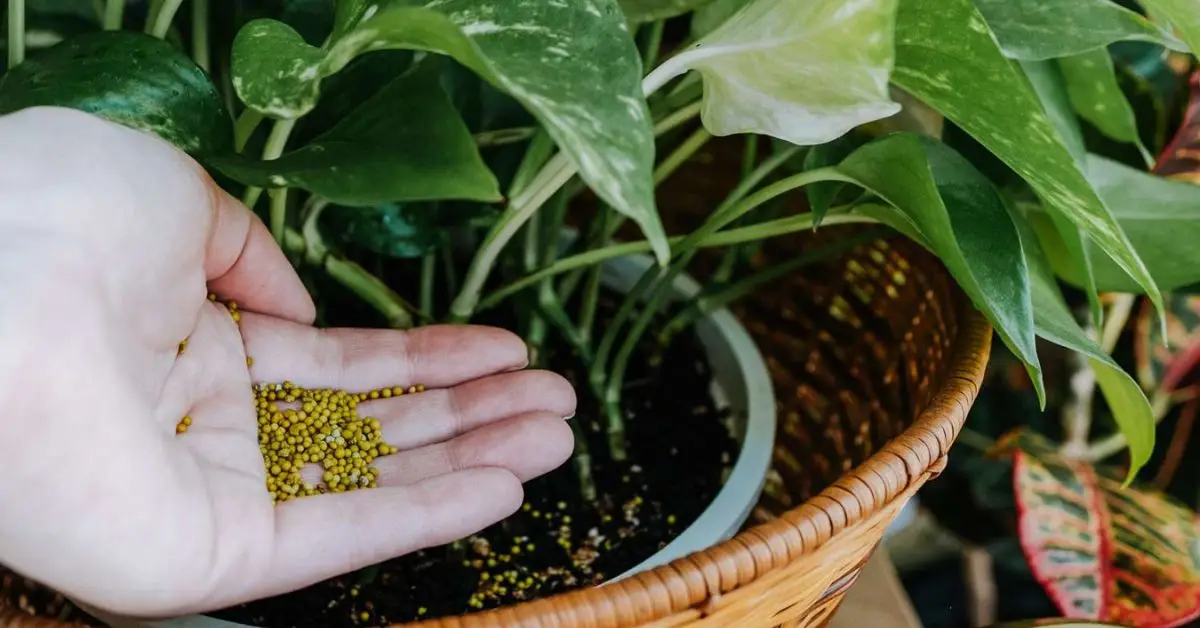
- Indoor plants: Every 4–6 weeks during the growing season (spring through early fall). Skip or reduce in winter when growth slows.
- Outdoor annuals: Feed every 2–3 weeks during active growth. These are heavy feeders because they have one short season to shine.
- Perennials & shrubs: Give a boost in spring when they wake up, and again in mid-summer to keep them strong.
- Edible plants (veggies, herbs, fruit trees): These are nutrient-hungry. Leafy greens need steady nitrogen, while fruiting plants (like tomatoes) thrive with more phosphorus and potassium once they start flowering.
According to Urban Leaf, houseplants especially need more regular feeding because their soil gets depleted faster than garden beds. That’s why sticking to a schedule is so important—you’re their only source of nutrition.
Signs You Might Be Over-Fertilizing (And How to Fix It)
If under-feeding makes plants weak, over-feeding can be even worse. I’ve seen plants crash overnight because they were “loved” with too much fertilizer. Luckily, the signs are easy to catch if you know what to look for.
Red flags of over-fertilizing:
- Crispy or burnt leaf edges that look like they were singed
- White crust forming on top of the soil or around the pot edges
- A plant that wilts suddenly even though the soil is moist
How to fix it:
- Flush the soil with clean water several times to wash out excess salts
- Hold back on feeding for at least one cycle
- If damage is severe, consider repotting with fresh soil
Think of fertilizer like seasoning food—you want just enough to bring out the flavor, not so much that it ruins the dish.
Choosing the Right Fertilizer for Your Plants
When I first walked into a garden store, the fertilizer shelf felt like another language. Bottles with numbers, pellets, powders—it’s enough to make anyone second-guess. The good news? Once you understand the basics, it all starts to click.
Organic vs. synthetic fertilizers
- Organic fertilizers (like compost, seaweed, or worm castings) feed the soil as well as the plant. They release nutrients slowly and are more forgiving if you overdo it. Some gardeners also use natural soil boosters like charcoal for plants, which not only improve drainage but also help with pest control and soil health.
- Synthetic fertilizers give plants a fast boost. They can be effective but need careful handling since they don’t improve long-term soil health.
Liquid vs. slow-release pellets
- Liquid fertilizers mix with water and are absorbed quickly, making them ideal for houseplants or a plant that needs an immediate pick-me-up.
- Slow-release pellets break down gradually, feeding over weeks or months—perfect if you don’t want to keep remembering every few days.
Understanding NPK ratios
Every fertilizer has three numbers (like 10-10-10). These stand for:
- Nitrogen (N): boosts leafy growth
- Phosphorus (P): helps flowers and roots
- Potassium (K): strengthens overall health and resistance
As explained by Give Me Trees, indoor plants especially benefit from balanced, diluted fertilizers because their soil nutrients get used up more quickly than outdoor plants. That’s why understanding the right type makes such a difference.
Specialty fertilizers
- Acid-loving plants like hydrangeas or azaleas need acidic blends
- Orchids thrive on gentle, low-strength liquid feeds
- Succulents prefer low-nitrogen formulas so they don’t stretch or collapse
Choosing the right fertilizer isn’t about being technical—it’s about matching the plant’s natural needs with the right kind of “meal.”
Step-by-Step: What to Do When Your Plant Shows Deficiency
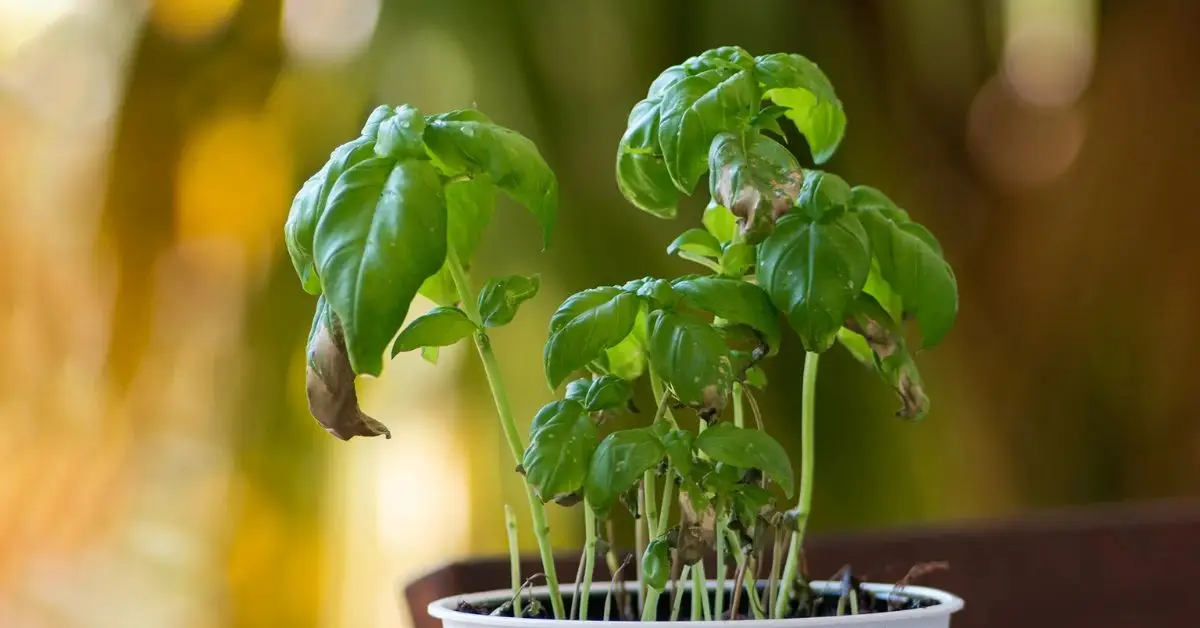
Spotting the signs is one thing, but knowing what to do next is where most people get stuck. Instead of guessing, here’s the simple process I follow when one of my plants starts looking tired.
Step 1: Diagnose the signs
Match what you see—yellow leaves, no blooms, slow growth—to the nutrient issues we talked about earlier.
Step 2: Rule out watering issues
Check the soil first. If it’s soggy, fix your watering before reaching for fertilizer.
Step 3: Apply diluted fertilizer
Always start with half-strength. It’s safer to feed less than risk burning your plant.
Step 4: Observe for 7–14 days
Healthy new leaves, deeper green color, or flowering buds are good indicators that your plant is recovering.
Step 5: Stick to a schedule
Once it’s improving, keep a consistent feeding routine so the problem doesn’t return.
This step-by-step approach takes the stress out of troubleshooting. Instead of panicking, you’ll know exactly how to respond—and over time, your plants will reward you with steady, healthy growth.
Tips to Prevent Fertilizer Mistakes
If there’s one thing I’ve learned over the years, it’s that preventing mistakes is a lot easier than fixing them later. Fertilizer works best when it’s used with a little caution and consistency. Here are a few rules I always follow:
- Always water before fertilizing: Dry roots are more likely to burn if you feed them directly. Giving the soil a light drink first protects the plant.
- Dilute stronger fertilizer: For indoor plants especially, use half-strength. A weak, regular dose does far more good than a strong one given once in a while.
- Stick to seasonal cycles: Plants rest in winter. Fertilizing during dormancy doesn’t speed them up—it just stresses them. Save the feed for spring and summer when growth kicks in. Of course, fertilizer isn’t the only factor—too much direct sunlight can stress your plants as well. Here’s a simple guide on saving your plants from sunburn if you notice scorched leaves along with feeding issues.
These small adjustments keep plants safe and healthy, and they’ll save you from the frustration of overdoing it.
Key Takeaways for Plant Owners
By now, you know the difference between a plant that’s simply thirsty and one that’s genuinely hungry. You’ve also seen how too much fertilizer can backfire just as quickly as too little.
Here’s a quick recap to keep in mind:
- Watch for yellowing, pale, or stunted growth as signs of deficiency.
- Look for crispy leaves and white crust on the soil as signs of overfeeding.
- Remember: fertilizer is a health booster, not a magic fix. It works best alongside good watering, light, and care.
At the end of the day, your plants don’t need perfection—they just need you to pay attention. Consistency is what keeps them thriving season after season.
What about you? Have you ever lost a plant because you weren’t sure whether it needed water or fertilizer? Share your story in the comments—I’d love to hear it. And if you want more practical guides like this, don’t forget to visit us at Plant Care Dairy for tips that actually work in real life.
Disclaimer: This article is for informational purposes only. Always follow the instructions on your fertilizer product and consider local gardening advice for best results.