
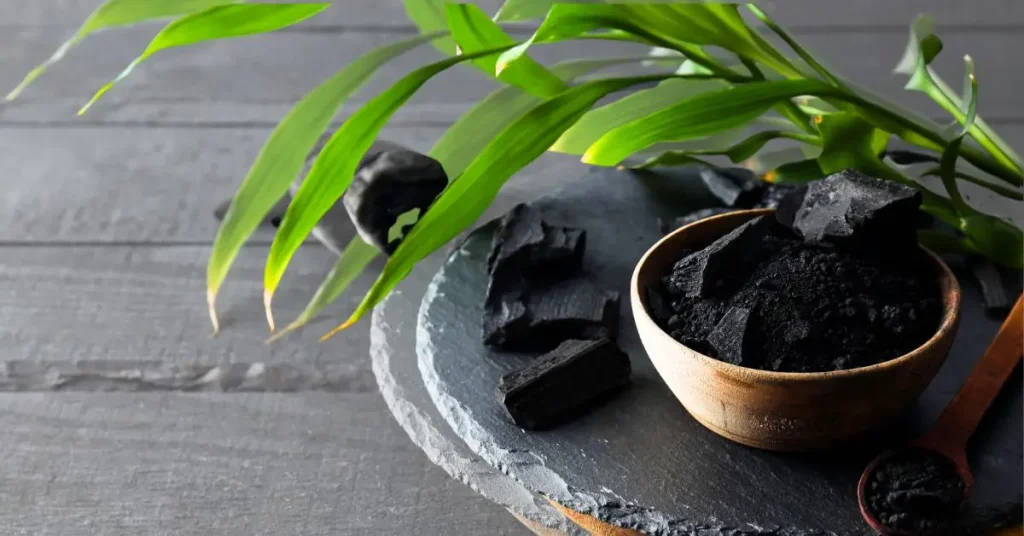
I’ve seen this play out in so many gardens: you clean out the fire pit, look at that grey dust and a few black chunks, and wonder—should any of this go into your pots or beds? Some folks swear by ash for bigger blooms. Others say charcoal (biochar) is the secret to healthier soil. The advice online is messy, and it’s easy to do real damage if you guess.
Here’s the blunt truth: charcoal and ashes aren’t the same thing. Charcoal is mostly carbon—light, porous, great at holding water and nutrients. Ash is alkaline mineral salts, heavy on potassium and calcium, and it can push soil pH up fast. One helps structure and resilience; the other acts more like a quick amendment with risks.
Why should you care? Because the difference shows up in your plants. Dumping ash on already alkaline soil can lock out nutrients and burn roots. Using the wrong kind of charcoal (like briquettes with additives) can harm microbes and leave residues you don’t want near food crops or houseplants.
In this guide, I’ll cut through the noise. You’ll get a simple side-by-side comparison, when to use which, how much to apply, the biggest mistakes to avoid, and a few real-world examples from gardeners who’ve tried both. No fluff—just what actually works.
Before we dive in, tell me: have you ever added ash or charcoal to your plants—what happened?
Why This Debate Exists in Gardening?
Every time I sweep out the fireplace or empty a barbecue pit, I catch myself staring at two things: the pale grey ash and the darker chunks of half-burnt wood. Both come from fire, so it feels natural to think they might do the same job in the garden. But here’s the catch—they couldn’t be more different in how they act once they hit the soil.
- Charcoal is almost pure carbon, light and porous, built to trap water and nutrients.
- Ashes are mineral salts, full of calcium and potassium, and quick to change soil pH.
I’ve seen plenty of posts on Reddit and Facebook groups where people confuse the two. One gardener even wrote, “I dumped ash on my roses and they died.” That’s not an isolated story—it happens because most of us assume “burnt wood = free fertilizer.” The truth is, charcoal and ash belong in totally different conversations about soil health.
What Charcoal Actually Does in Soil?

If you’ve ever read about biochar, you know it isn’t the same thing as the charcoal briquettes stacked in a supermarket. Biochar is clean, untreated charcoal made for soil use. Lump charcoal from a campfire can sometimes work too, but only if it’s pure wood with no additives. Anything with lighter fluid, chemicals, or glues is a no-go.
Here’s why charcoal (especially biochar) is valued:
- Acts like a sponge: It holds water so roots don’t dry out too fast.
- Stores nutrients: Fertilizer doesn’t wash away as easily when charcoal is mixed into the soil.
- Boosts microbes: Research published in SpringerOpen highlights how biochar can create a friendlier environment for soil bacteria, which in turn help plants absorb more nutrients.
- Long-term benefit: Unlike ash, which disappears with one rain, charcoal sticks around in the soil for years.
Think of it this way: if your soil is sandy, drains too quickly, or feels “hungry,” charcoal works like a pantry—storing what the soil alone can’t. If you get this part right, you’ll notice stronger roots and more consistent growth without constantly chasing your plants with water or feed.
Have you ever tried mixing a bit of pure charcoal into potting soil? Did you see your plants holding moisture better, or did nothing change?
What Wood Ash Brings to the Garden
When you empty a fireplace or fire pit, that fine grey powder feels like waste—but it’s actually packed with minerals your plants can use. Wood ash contains:
- Potassium (K): Vital for flowering and fruiting.
- Calcium (Ca): Helps strengthen cell walls and improve soil structure.
- Trace minerals: Magnesium and phosphorus in smaller amounts.
Sounds great, right? But here’s the flip side: ash is highly alkaline. Adding too much can quickly raise your soil’s pH, locking out essential nutrients instead of making them more available. I’ve seen gardeners scatter buckets of ash over their beds, only to find stunted growth a few weeks later.
So, when is ash actually helpful? If your soil is naturally acidic, a light sprinkle can act like a gentle lime, nudging the pH upward. Fruit trees, lilacs, and some flowering shrubs often appreciate that extra potassium boost. But moderation is everything—too much ash can tip the balance and cause more harm than good. According to The Spruce, it’s always best to test your soil first before spreading ashes around.
Charcoal vs Ashes: The Direct Comparison
Sometimes the easiest way to make sense of this debate is to put the two side by side. Here’s how they stack up:
| Factor | Charcoal | Ashes |
|---|---|---|
| Nutrients released | Holds nutrients and prevents leaching | High in potassium and calcium, but no nitrogen |
| Soil impact | Improves structure, increases water retention | Raises soil pH (alkaline), can block nutrients |
| Speed of action | Slow, long-term benefit | Quick, immediate effect but washes away easily |
| Best for | Sandy or nutrient-poor soils, indoor pots | Acidic soils, fruit trees, flowering shrubs |
Looking at it this way, it’s clear both have their place—but only when matched to the right soil and plants. Using them without understanding the differences is what causes most of the gardening horror stories we see online.
If you had to pick just one for your garden today, would you lean toward charcoal’s steady support or the quick punch of ash?
Choosing the Right Option for Your Plants

Here’s where the decision gets practical. You don’t need to overthink it—just match the material to your soil and plant needs.
- Use charcoal if your soil is sandy or nutrient-poor. Charcoal acts like a storage unit. It locks in water and nutrients that sandy soils usually lose too quickly. For houseplants in pots, a little bit of pure charcoal can also help prevent soggy roots.
- Use ashes if your soil is acidic & your plants need potassium. A small sprinkle around fruit trees or berry bushes can give them the potassium boost they love. Just make sure you spread it lightly and mix it in—piling it on top can cause burns.
- Avoid both if your soil is already alkaline or salt-heavy. Adding ash or charcoal in the wrong soil type can make problems worse. If your soil test shows high pH, skip both and focus on compost instead.
Common Pitfalls to Avoid
I’ve lost count of how many gardeners share horror stories after trying ashes or charcoal without knowing the basics. Here are the biggest mistakes to watch out for:
- Dumping too much ash = plant burn. Ash is alkaline and salty. A heavy hand can scorch roots and leave soil unusable for months.
- Using BBQ charcoal with additives = toxic soil. Briquettes often contain lighter fluid, binders, or chemicals. These don’t break down safely and can poison your soil.
- Skipping soil test before adding. Without knowing your soil’s starting point, you’re just guessing. As Food Garden Life points out, soil testing is the key step that makes ash or charcoal safe to use.
The truth is, a little knowledge goes a long way. If you understand your soil and apply with care, both charcoal and ashes can help. If you skip those steps, they can do more harm than good. Just like with ashes or charcoal, it’s important to avoid overusing home remedies—take neem oil, for example, there are certain plants that can’t handle it, and knowing those exceptions can save you a lot of trouble.
Have you ever tested your soil before adding amendments, or do you usually go by instinct?
How to Apply Charcoal and Ash Safely

If you want results without the risks, here’s a simple guide you can follow. Think of it as a safety checklist before you ever sprinkle anything near your plants:
- Test soil pH first. A cheap soil test kit will tell you if your garden is acidic, neutral, or alkaline. This is the step most people skip—and it’s why they run into problems later.
- Apply charcoal at about 200–250 grams per square foot. Crush it into small pieces, mix it into the top 6 inches of soil, and always use untreated, pure wood charcoal or biochar.
- Sprinkle ash lightly, then mix well. A thin dusting is plenty. Think of it as seasoning your soil, not coating it. Mixing prevents “hot spots” that can burn roots.
- Water thoroughly after application. Water helps settle both charcoal and ash into the soil, reducing dust and helping nutrients begin to bind or dissolve.
Following these steps will keep you on the safe side while still giving your plants the benefits you’re after. If you’re already in the habit of using natural solutions, you’ll know that even simple tricks like applying rice water to plants can make a big difference when done correctly.
Recap — Boosting Plant Growth the Right Way
- Charcoal = long-term soil health. It holds water, improves structure, and feeds microbes for years.
- Ash = quick boost, but risky if overused. Great for acidic soils and fruit trees, but harmful in alkaline ground.
- Balance & soil testing = the real secret. Knowing your soil first is what makes these amendments work, not guesswork. Gardening is really about balance—sometimes it’s about feeding the soil with charcoal or ash, other times it’s about solving problems like getting rid of garden ants naturally without harming your plants.
At the end of the day, it’s not about choosing one over the other—it’s about matching the right tool to the right garden.
Now I’d love to hear from you: have you tried charcoal or ashes in your garden, and what results did you notice? Drop your experience in the comments below. And for more hands-on plant care tips and guides, make sure to visit Plant Care Dairy — your go-to resource for smarter, healthier gardening.
Disclaimer: This article is for educational purposes only. Always test your soil and consult local agricultural or horticulture experts before applying charcoal or wood ash, as results can vary based on soil type, climate, and plant species.