
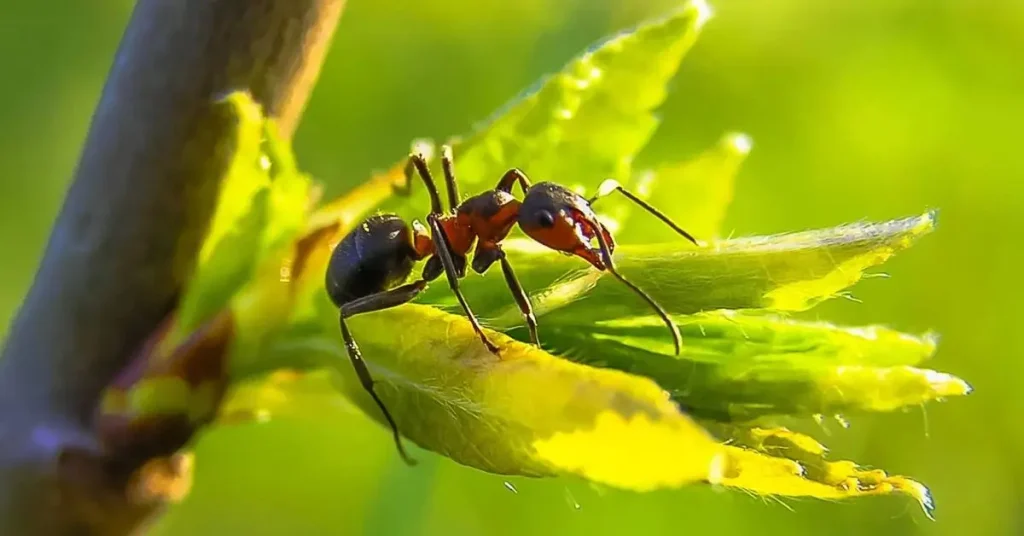
If you’ve ever stepped outside to tend your garden only to find it swarming with ants, you know how frustrating it can be. I’ve been there — watching the tiny creatures march in and out of cracks, hills, and around my plants, wondering how to keep my garden safe without reaching for harmful chemicals. The good news is, there’s a way to handle garden ants without resorting to toxic pesticides that can harm the environment, your plants, and even beneficial insects.
In this article, I’ll walk you through the natural methods that worked for me, and that can work for you too. Whether you’re looking to get rid of ants around your vegetable patch, or simply want a safer, non-toxic solution, you’ll find practical and effective tips here that make sense for your garden.
Let’s dive in and explore how to keep your garden healthy, thriving, and ant-free — without the chemicals.
Understanding the Role of Garden Ants in Your Ecosystem
What Are Garden Ants?
Garden ants, often small and unassuming, actually play an important role in your garden’s ecosystem. You may see them as a nuisance, but in reality, they help with tasks like soil aeration and decomposition, which can ultimately benefit your plants.
- Soil Aeration: When ants build their nests, they dig tunnels that allow air, water, and nutrients to reach the roots of your plants more effectively. This natural aeration can improve soil health.
- Decomposition: Ants are scavengers. They feed on dead insects, decaying matter, and even seeds, helping break down organic material. This process enriches the soil, making it more fertile.
- Pest Control: Believe it or not, some ants even help control other pests. For example, they can hunt aphids and small insect larvae, though they are also known to farm aphids for their honeydew (a sugary substance).
While garden ants are helpful in many ways, they can become a problem when their numbers grow too large or they invade unwanted spaces like your home or garden beds. By understanding their role, you can balance their benefits and manage their presence safely and responsibly.
Why Ants Are Attracted to Your Garden
Ants don’t just invade your garden for no reason; there are a few common factors that attract them, and understanding them can help you prevent future infestations.
- Aphids and Honeydew: As mentioned earlier, ants love aphids because they produce a sugary substance called honeydew. Ants often protect aphids from predators to ensure a steady supply of this food source. Epic Gardening explains how this relationship works.
- Food Scraps: Ants are opportunistic feeders, which means if you’ve left any food remnants around the garden, they’ll find it. This can be especially true during harvest season when overripe fruits fall to the ground.
- Moisture: Ants are drawn to moist environments. If your garden has areas with excess moisture, like around a leaking hose or watering cans, ants might be setting up shop to take advantage of the water source.
By understanding what attracts ants, you can begin addressing the root cause. Whether it’s removing aphids, keeping food scraps cleaned up, or managing moisture, taking these steps can help you naturally reduce the presence of ants in your garden.
Natural Ways to Get Rid of Garden Ants
Now that we’ve understood why ants are in your garden, let’s explore some simple, effective, and non-toxic ways to get rid of them without resorting to harmful chemicals.
Cinnamon and Vinegar: Simple Solutions
MedicineNet
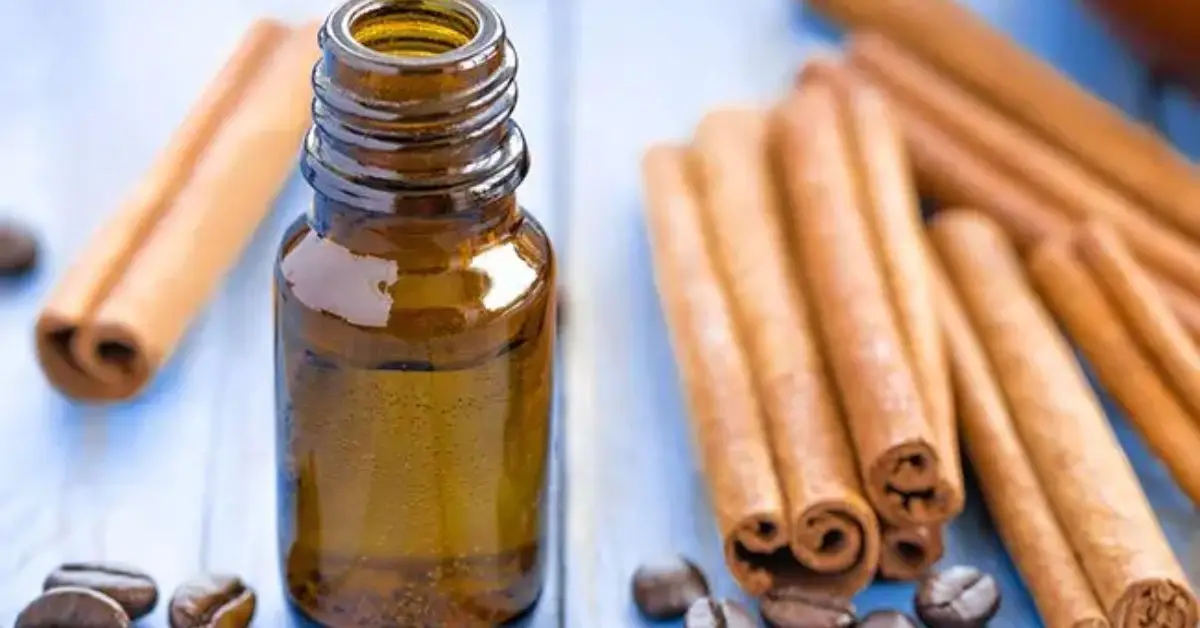
Cinnamon and vinegar are two natural substances that can help deter ants from invading your space.
- Cinnamon: The strong scent of cinnamon confuses ants and acts as a repellent. You can sprinkle ground cinnamon along ant trails, around plants, or near entry points.
- How to Use: Simply shake cinnamon powder along areas where you see ants or where you suspect they’re entering. You can also mix it with water in a spray bottle for easy application.
- Vinegar: Ants hate vinegar’s acidity, and it disrupts their scent trails. It’s a quick and easy fix.
- How to Use: Mix one part vinegar with one part water in a spray bottle. Spritz it on ant trails, entry points, or anywhere you see ants congregating.
These are both affordable, easy-to-find solutions. They don’t harm your garden’s plants or pollinators, making them ideal for organic gardeners looking for a safe way to control pests.
Diatomaceous Earth: A Natural Barrier
Diatomaceous earth (DE) is a fine powder made from the fossilized remains of tiny aquatic organisms. It’s an effective, non-toxic solution for controlling ants and other pests.
- How It Works: When ants come into contact with DE, it dries out their exoskeletons, causing them to dehydrate and die.
- How to Apply: Sprinkle a thin layer of food-grade diatomaceous earth around the edges of your garden, along ant trails, and near their nests.
- Where to Buy: You can easily find DE at garden centers or online. Just make sure it’s labeled food grade.
Diatomaceous earth is a powerful natural solution for anyone looking to control ants without chemicals. It’s safe for pets and plants, making it an excellent choice for an eco-friendly garden.
Essential Oils as Ant Repellents
Essential oils are a popular, natural solution for repelling ants. Oils like peppermint, tea tree, and lemon are particularly effective.
- How It Works: The strong scent of essential oils confuses ants and disrupts their communication, making it difficult for them to find food or return to the nest.
- How to Use: Add 10-15 drops of essential oil to a spray bottle filled with water. Shake well and spray it along ant trails or near entry points. You can also add a few drops of oil to cotton balls and place them in areas ants frequent.
- Peppermint Oil: Known to be especially effective against ants and other insects.
- Tea Tree Oil: Has strong antiseptic and repellent properties.
- Lemon Oil: Its acidic properties mimic vinegar and work similarly in deterring ants.
Essential oils provide a simple, pleasant-smelling alternative to harsh chemicals. Plus, they align perfectly with organic and natural gardening methods.
Boiling Water: When and How to Use It
Boiling water is a surprisingly effective method for dealing with larger ant colonies, especially those in the ground.
- How It Works: Boiling water kills ants by disrupting their colonies. It’s particularly useful when ants have built their nests in soil or under plants.
- How to Use: Boil water in a kettle, then carefully pour it over ant mounds or trails. Be sure to avoid plants or sensitive areas, as boiling water can also harm your garden.
- Tip: Use this method sparingly, as it can kill beneficial plants and organisms.
This is one of the quickest and most effective ways to kill ants, especially for larger colonies. Just be cautious about where and when you use it.
By using these natural remedies, you’re taking the first step toward a chemical-free garden that’s not only ant-free but also safe for beneficial insects and your plants. Each of these methods is simple, affordable, and effective. And most importantly, they align with a natural, eco-friendly gardening philosophy.
When dealing with ants, it’s crucial to also consider other garden pests that might need non-toxic solutions. However, it’s important to know that not all plants can tolerate neem oil, a common natural pesticide. If you’re thinking about using neem oil, make sure to check which plants are sensitive to it. Find out which plants can’t handle neem oil here.
Preventing Future Ant Infestations in Your Garden
Keep Your Garden Clean and Tidy
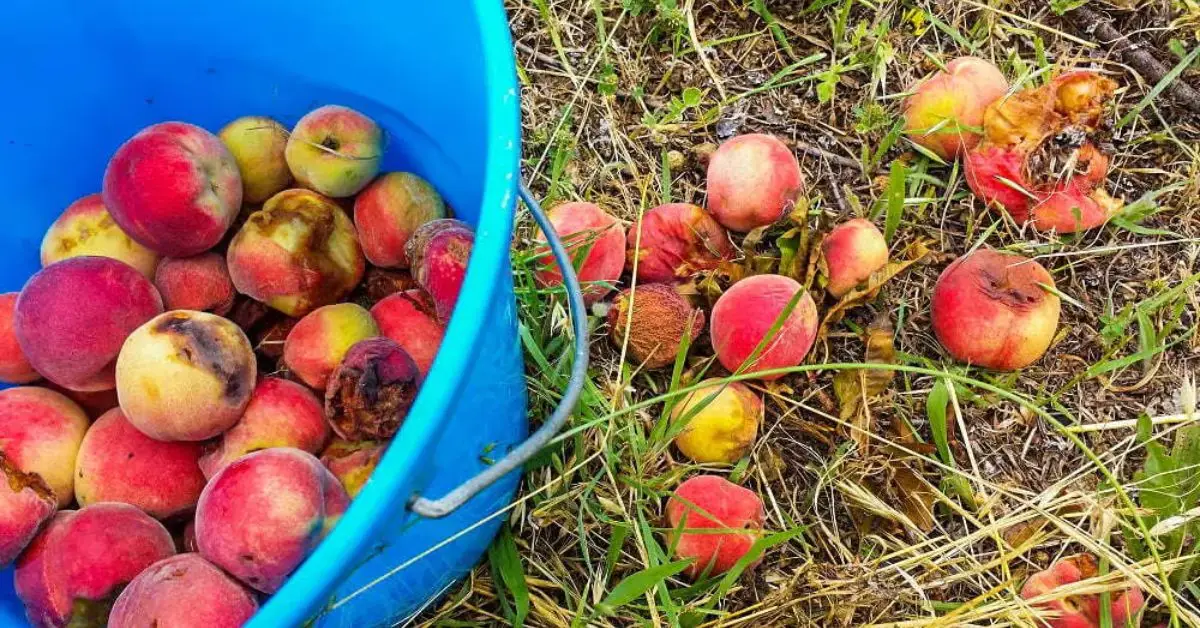
One of the easiest and most effective ways to prevent ants from taking over your garden is by keeping the area clean and free from food sources. Ants are highly attracted to food remnants, and if your garden becomes a buffet, they’ll keep coming back. Here’s how to reduce the chances of attracting ants:
- Remove Fallen Fruits and Vegetables: Overripe produce left on the ground is a prime food source for ants. Pick fruits and vegetables promptly to prevent them from becoming a feast for ants. If you’ve missed any produce, clean it up immediately.
- Compost Management: If you have a compost bin, make sure it’s not located near ant nests or trails. Ants love decomposing organic matter, so position your compost away from your main garden areas.
- Clean Up Food Scraps: If you’ve had a meal or snack in the garden, make sure to clean up any crumbs, wrappers, or leftover food. Even the smallest crumbs can attract ants, so don’t let them go unnoticed.
This simple tip can go a long way in preventing ants from becoming a long-term issue. By eliminating their food sources, you stop ants from seeing your garden as an easy place to settle in. While you’re maintaining a tidy garden, remember that the health of your plants is equally important. If you’re looking for an easy way to boost plant growth, consider using rice water, which can help your plants grow faster and healthier. Learn how to apply rice water here.
Use Natural Barriers and Repellents
To keep ants from entering your garden, you can use natural barriers that act as repellents. These methods don’t require harsh chemicals and can be just as effective.
- Salt Lines: Ants avoid salt, so drawing a line of salt around the perimeter of your garden or near ant trails can keep them from crossing. But remember, too much salt can harm your plants, so use it carefully.
- Repelling Plants: There are certain plants that ants dislike, and planting them around your garden can help keep ants at bay. Consider adding mint, garlic, and tansy to areas prone to ants.
- Mint: Known for its strong scent, mint repels ants and many other pests.
- Garlic: The pungent odor of garlic drives ants away, and it’s also great for improving soil health.
- Tansy: Not only does it keep ants away, but it also adds color and beauty to your garden.
To dive deeper into using plants and eco-friendly pest control techniques, MasterClass offers helpful advice on creating an ant-free garden with natural solutions.
In addition to managing ants, it’s always helpful to learn other methods for tackling pests in your garden. For example, squash bugs can also be a nuisance. Discover some simple DIY tricks to stop squash bugs from returning and keep your garden thriving. Learn more here.
Natural repellents and barriers are low-maintenance and sustainable ways to manage ant problems without chemicals. These eco-friendly solutions keep your garden safe for beneficial insects, plants, and your family.
Conclusion: Keep Your Garden Safe and Chemical-Free
As we’ve seen, there are several natural, effective methods to get rid of garden ants without resorting to harmful chemicals. From using cinnamon and vinegar to repel ants, to spreading diatomaceous earth as a natural barrier, and even applying essential oils like peppermint and tea tree — these solutions are simple, eco-friendly, and safe for your plants and beneficial insects. Additionally, creating a clean and tidy garden by removing food sources, and using natural salt lines and repelling plants like mint and garlic can prevent future infestations.
By incorporating these natural methods, not only do you protect your garden from pests, but you also contribute to a healthier, more sustainable ecosystem. Going chemical-free means you’re nurturing the health of your plants, the surrounding wildlife, and even your family.
This approach empowers you to tackle ant problems responsibly while keeping your garden thriving and chemical-free. With these strategies, you can enjoy a safe, sustainable, and eco-friendly gardening experience.
Have you tried any of these natural ant control methods in your garden? I’d love to hear about your experiences and any tips you have! Share your thoughts in the comments below, and let’s keep the conversation going.
If you want more tips on keeping your garden healthy and thriving, head over to Plant Care Dairy for more expert advice and resources!
Disclaimer: The information provided in this article is for general gardening advice and should not replace professional pest control or medical advice. Always use caution when applying any method, especially if you have pets or small children.