
I’ve tried watering at dawn, after work, even at lunch on a hot day—and I’ve seen it all: perked-up leaves, droopy basil, and one summer where evening watering invited powdery mildew overnight. If you’ve ever wondered whether morning or night is smarter, you’re in the right place.
Here’s my promise: I’ll show you when to water and why it works, not just a rule to memorize. We’ll factor in indoor vs. outdoor setups, heat and humidity, plant types (from succulents to tomatoes), and a couple of myths that keep getting repeated.
I’ve pulled the best ideas from growers, extension experts, and real gardeners—and pressure-tested them in normal routines (no fancy gear needed). By the end, you’ll have a simple plan that saves water, avoids disease, and fits your day.
Before we dive in, tell me this: what’s your current watering window—early morning, evening, or “whenever I remember”—and where are you growing?
Why Timing Matters More Than You Think
I used to think water is water—if the soil’s dry, just pour and move on. But over time I realised when you water makes all the difference. Plants don’t just drink whenever; their ability to absorb water, fight off disease, and keep healthy roots depends on timing.
If you water at the wrong hour, a big chunk of that effort simply disappears. Studies show that 30–50% of garden water can be wasted through evaporation if applied at the wrong time of day. That’s not just wasted effort—it’s wasted money and stressed plants.
Here’s what’s really at stake:
- Root absorption: Plants absorb best when soil is cool and moisture can sink in instead of evaporating.
- Disease prevention: Wet leaves left overnight can turn into a breeding ground for fungi.
- Water efficiency: Timing decides whether water reaches the roots or vanishes into thin air.
Once you see it this way, watering becomes less about habit and more about working with nature’s rhythm.
Morning Watering — The Gold Standard
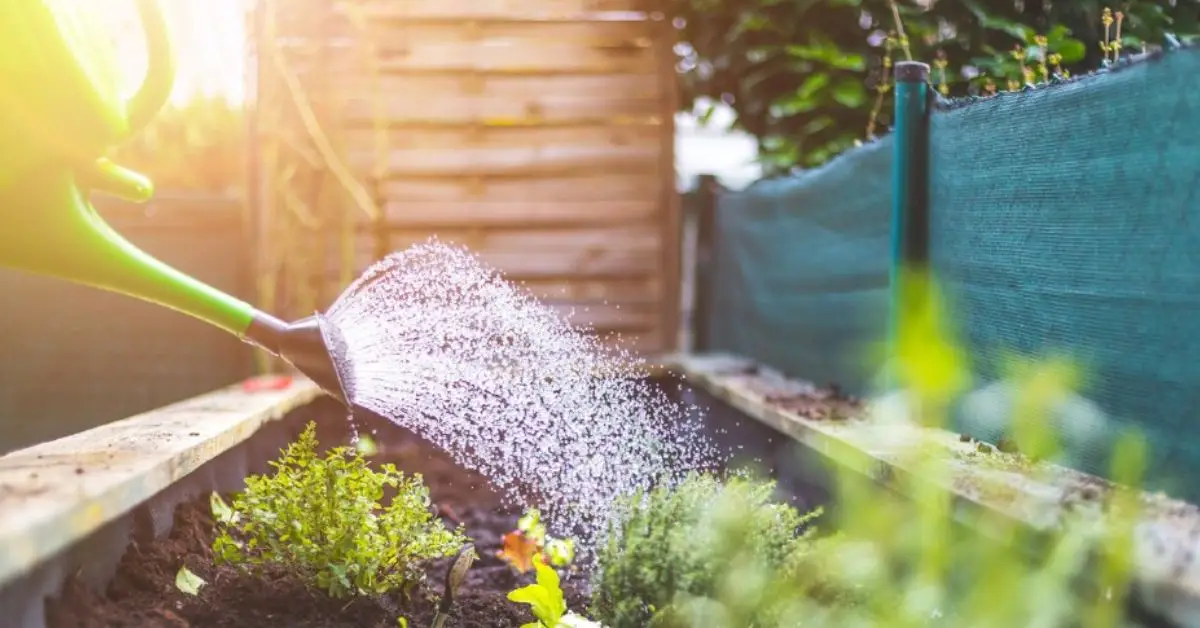
If you ask me the safest, smartest choice, I’ll always say: water in the morning. It’s when plants naturally wake up, the soil is cool, and the air is still—meaning your water actually reaches the roots instead of evaporating away.
Here’s why morning wins:
- Supports photosynthesis: Plants get a head start, turning sunlight and water into energy all day.
- Less fungal risk: Leaves dry quickly under the morning sun, lowering chances of mildew and rot.
- Cooler conditions: Roots get to drink deeply before the heat of the day sets in.
As one Southern Living gardening expert explained, early watering not only conserves water but also keeps your plants healthier by reducing stress. I’ve seen this first-hand: a quick soak before 9 a.m. leaves my outdoor beds upright and strong even on scorching afternoons.
If mornings are tough for you, even a short session before heading out can transform how your plants look by evening. Trust me—you’ll notice the difference within days.
What about you—do you usually manage to water in the morning, or do your plants wait until the evening?
Evening Watering — Helpful or Harmful?
I’ll be honest—I’ve done plenty of evening watering after long summer days. In hot, dry regions, it can actually help because the soil holds on to moisture longer instead of losing it to midday heat. Plants can drink overnight without the rush of evaporation.
But here’s the catch: damp soil and leaves sitting wet through the night can invite powdery mildew, fungus, and even pests. I once noticed my basil leaves covered in that white, powdery coating just a week after switching to night watering. And I’m not alone—a gardener on Reddit shared, “My basil kept getting powdery mildew when watered at night.”
So what’s the verdict? Evening watering isn’t always wrong—but if you try it, aim to water only the soil base (not the leaves) and do it early enough in the evening so plants can dry off before night fully sets in.
Midday Watering — Myth vs. Reality
If you’ve ever heard that watering plants at noon will scorch them, you’re not the only one. The idea is that sunlight plus water droplets can act like magnifying glasses and burn leaves. But here’s the truth: most university extension studies show this is largely a myth.
The real problem with midday watering isn’t burning—it’s waste. The soil dries fast, evaporation is at its peak, and plants are already stressed from the heat. So while a midday splash won’t fry your garden, it usually won’t do much good either.
Still, if you’ve got wilting plants in extreme heat, a quick emergency drink is better than leaving them parched. Just know it won’t be as effective as morning watering.
Indoor vs. Outdoor Plants — Key Differences

Not all plants live under the same conditions, and watering time matters differently for indoor vs. outdoor setups.
Indoor Plants
- Less exposed to wind or heat, so timing is more flexible.
- Morning watering is still safest—it prevents soggy soil sitting overnight.
- Using saucers or self-watering pots helps keep moisture steady.
Outdoor Plants
- Morning is critical: it allows roots to soak up water before the sun and wind speed up evaporation.
- Evening watering can work in hot, dry summers but should be soil-focused, not leaf-focused.
- In humid climates, evening watering raises the risk of fungus and pests, so it’s better to avoid.
For a deeper breakdown, the Better Homes & Gardens guide explains how different conditions affect absorption and disease risk outdoors.
Think of it this way: your indoor pothos and your backyard tomatoes don’t live in the same world—so why water them like they do?
Plant-Specific Watering Times
Not every plant plays by the same rules. If you water your cactus the way you water your tomatoes, you’re bound to run into problems. Here’s a breakdown that’s helped me keep different plants thriving:
- Succulents & Cacti: These guys are desert-born. Timing isn’t critical—they just want their soil bone-dry before the next drink. Overwatering is the real killer here, not when you water.
- Vegetables & Fruits: Morning watering is essential. It fuels growth during the day and helps keep fruit and leaves from drooping under the sun. Tomatoes, peppers, and leafy greens especially show the difference if you skip morning moisture. For veggies and fruiting plants, watering isn’t the only factor—pollinators play a big role in steady yields. You can use these easy tips to attract pollinators so your plants not only stay hydrated but also set more fruit.
- Houseplants (ferns, pothos, peace lilies): These like consistency. Morning watering keeps their routine steady and avoids soggy roots at night. A light top-up works better than flooding them once in a while.
Think of it as giving each plant its own schedule, instead of forcing one-size-fits-all care.
Seasonal and Climate Considerations
Timing also shifts with the seasons. What works in July may not work in January.
- Summer: Early morning is non-negotiable. It stops plants from wilting in afternoon heat and saves water from evaporating too quickly.
- Monsoon/Humid regions: Skip late evening watering. The air’s already damp, and extra moisture often turns into fungal issues. In wetter climates, you may also want to balance your garden’s ecosystem by inviting natural helpers—adding native plants around water features can bring pollinators and songbirds. Here’s how to attract birds to your garden with the right plants near a bird bath.
- Winter: Midday watering is safest. Cold mornings can freeze roots, and evenings stay chilly for too long.
This seasonal lens makes your watering routine evergreen—relevant no matter what part of the year you’re in.
Smart Hacks for Stress-Free Watering
Sometimes it’s not about when but how. A few tweaks can take the pressure off your daily routine:
- Use timers or drip irrigation for outdoor beds—consistent moisture without guesswork.
- Mulching keeps soil cool and reduces evaporation, saving both water and effort. If you also want to hold moisture longer and make watering less frequent, choosing the right mulch can help—here’s a guide on the best mulch types for gardens that will keep your soil healthier all year round.
- Cooled rice water hack: once a week, use unsalted, cooled rice water as a mild fertiliser. It feeds microbes and adds a gentle nutrient boost.
These tricks don’t just save time—they make watering more forgiving if you miss a perfect schedule.
What Happens If You Water at the Wrong Time
If you’ve ever seen your plants struggling even after watering, chances are it’s about timing. Signs include:
- Yellowing leaves (roots stressed from soggy conditions).
- Fungus or mould on soil from late evening moisture.
- Midday drooping if water evaporates too quickly before roots absorb it.
And here’s the part many people miss: both underwatering and overwatering look similar—droopy leaves, weak stems. The key difference is in the soil. If it feels soggy, it’s overwatering; if it’s dusty dry, it’s thirst.
Timing mistakes don’t just waste water—they silently chip away at plant health. Once you know the cues, you’ll never “just water whenever” again.
Quick Recap — Best Times by Situation
If you just want the shortcut, here’s the summary you can bookmark:
- Indoor plants: More flexible, but mornings keep them healthier and avoid soggy roots overnight.
- Outdoor plants: Morning watering is essential. In very hot, dry climates, evening can work if you focus on the soil, not the leaves.
- Succulents & cacti: Forget the clock—water only when the soil is completely dry.
This way you’ve got a clear routine no matter what you’re growing.
Conclusion
At the end of the day, watering isn’t just about pouring water—it’s about timing it right so your plants actually benefit. Morning usually wins for most situations, but climate, plant type, and lifestyle all play a role. Once you start matching your watering to your plants’ rhythms, you’ll notice fewer problems, healthier leaves, and even better harvests.
Now I’d love to hear from you: when do you usually water—morning, evening, or just whenever you remember? Drop your experience in the comments below—I’m curious what’s worked (or failed) in your own garden.
And if you’re looking for more practical, no-fluff guides to keep your plants thriving, check out Plant Care Dairy for tips you can trust and actually use.
Disclaimer: The advice in this article is for general gardening guidance only. Plant needs vary depending on local climate, soil conditions, and specific species. Always observe your own plants and adjust watering habits accordingly. If in doubt, consult local gardening experts or extension services for personalised advice.