
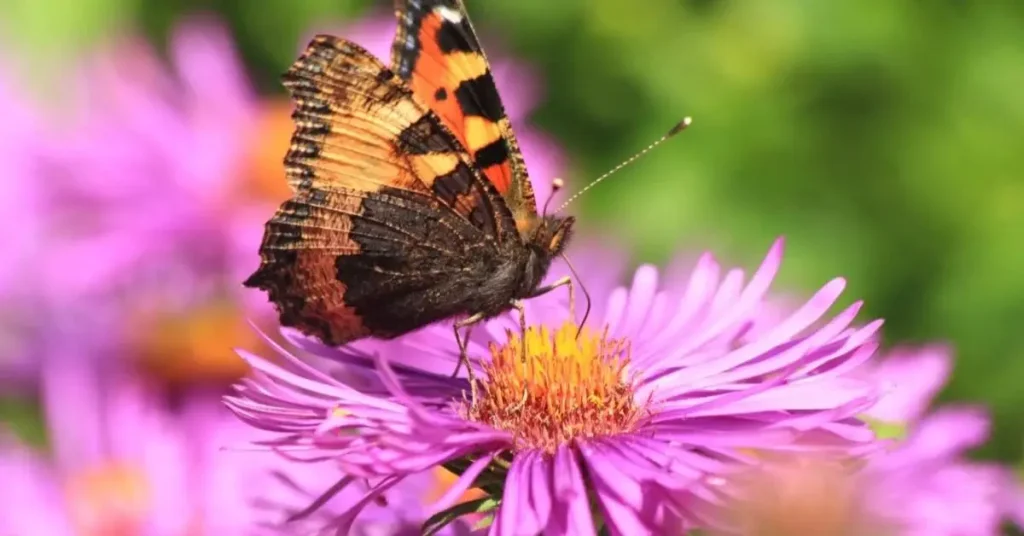
I’ve had those quiet mornings where the flowers look perfect—but the garden sounds empty. No bees hovering, no butterflies cruising, and a week later the tomatoes and cucumbers sit there, small and stubborn. It’s frustrating when you’ve done “everything right” and still don’t get the yield you expected.
Over the years I learned it usually isn’t about planting more. It’s about a few easy shifts—timing, water, nesting spots, and stopping the tiny habits that scare pollinators off. When I fixed those, activity picked up within days and my harvest followed.
Most guides repeat the same tips—“plant flowers, avoid pesticides”—but skip the details that actually move the needle for a home garden. You and I need steps that work on a balcony, a small bed, or a busy schedule—no guesswork, no expensive gear.
In this guide I’ll show you easy tips to attract pollinators that you can set up this week: a five-minute water station, the right mix of native blooms across seasons, better spray habits, and simple “micro-habitats” that invite bees back without turning your space wild.
If you want a bigger, steadier harvest—especially for tomatoes, squash, berries, and cucumbers—these small changes will give you the best return on effort. Quick question before we dive in: where in your garden do you almost never see a bee or butterfly?
Why Pollinators Are the Secret to Bigger Harvests
I didn’t fully appreciate pollinators until I noticed how uneven my harvests were. Some tomato plants would load up with fruit, while others just sat there flowering with nothing to show. The difference wasn’t the soil or water—it was whether bees and butterflies were actually visiting those blossoms.
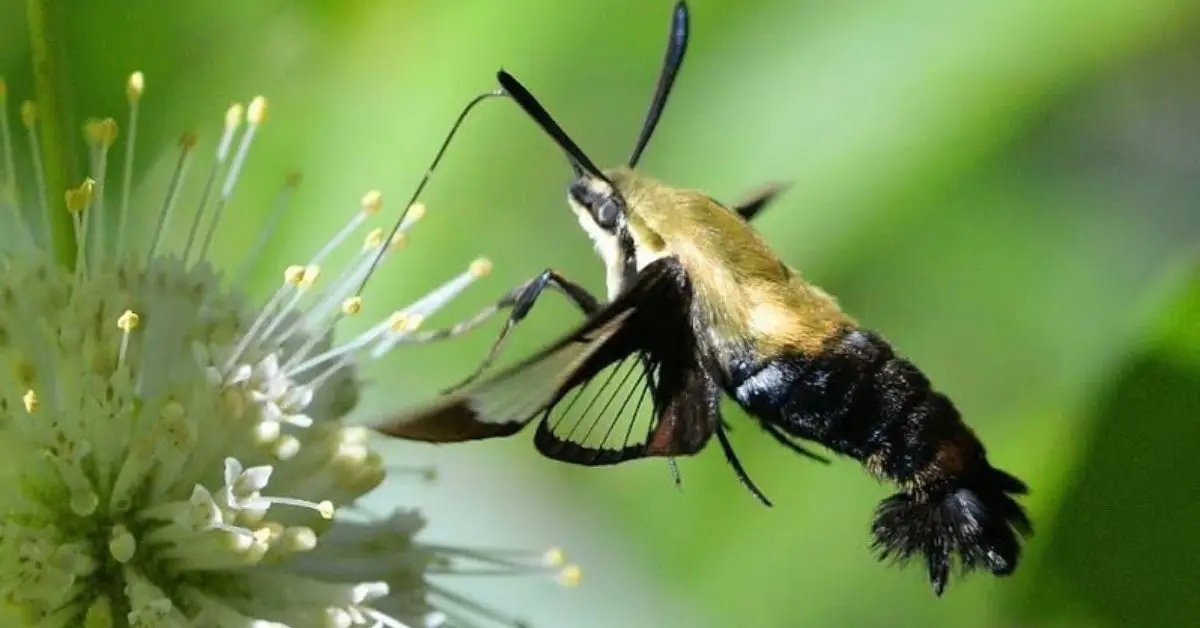
Pollinators are the quiet workforce of every garden. Bees, butterflies, moths, hummingbirds, and even some beetles carry pollen from one flower to another, turning blooms into fruits and seeds. Without them, plants struggle to set fruit no matter how much fertiliser or care you give.
The Food and Agriculture Organization (FAO) estimates that around 75% of global food crops rely on pollinators for production. That includes the staples many of us grow at home:
- Tomatoes – need pollination for fuller fruit set
- Cucumbers – benefit from steady bee visits for uniform shape
- Berries – strawberries and blueberries almost double their yield with good pollinator activity
When you start to see your garden through that lens, attracting pollinators isn’t just about having a colourful space—it’s directly tied to how much food ends up on your table.
Create a Pollinator-Friendly Plant Mix
One mistake I made early on was planting only the flowers I personally liked. They looked nice, but they didn’t always appeal to pollinators. Over time, I learned that bees and butterflies have their own preferences, and meeting them halfway made a huge difference.
Plant Native Flowers & Seasonal Bloomers
Native plants are like home-cooked meals for pollinators—they recognise them instantly and return again and again. Mixing in flowers that bloom in different seasons keeps food available throughout the year. For example:
- Early spring: crocus, lavender
- Summer: zinnias, sunflowers
- Autumn: goldenrod, asters
This way, you’re not offering a short buffet that shuts down after a few weeks—you’re running a full-season restaurant.
Choose Diverse Colors and Shapes
Different pollinators are attracted to different cues. Some go for bright yellows and blues, while others prefer deep reds or purples. Tubular flowers invite hummingbirds, while flat, open blooms make it easy for bees to land.
Think of it like inviting guests to a party—you don’t serve just one dish, you offer variety so everyone feels welcome.
Real-Life Garden Tips from Others
I often check gardening threads on Reddit when I want real-world advice. One gardener shared how planting zinnias along the edge of their raised bed nearly doubled bee visits within a week. Another swore by marigolds for keeping activity up in small balconies. These kinds of success stories remind me that it doesn’t take a massive space—just smart plant choices.
When you mix the right plants with a little thought to timing and variety, you create a garden that not only looks beautiful but actively invites pollinators to work for you.
Provide Food, Water, and Shelter
I’ve seen gardeners plant the right flowers but still wonder why pollinators don’t hang around for long. The truth is, blooms alone aren’t enough. Pollinators need the basics—just like us—food, water, and a safe place to rest.
Shallow Water Dishes with Stones
A simple birdbath or even a plate with water and a few flat stones can work wonders. Bees and butterflies can perch safely without drowning, and it takes less than five minutes to set up. I keep one near my zinnias, and within days I noticed a steady stream of visitors.
Leaving Bare Soil Patches for Ground-Nesting Bees
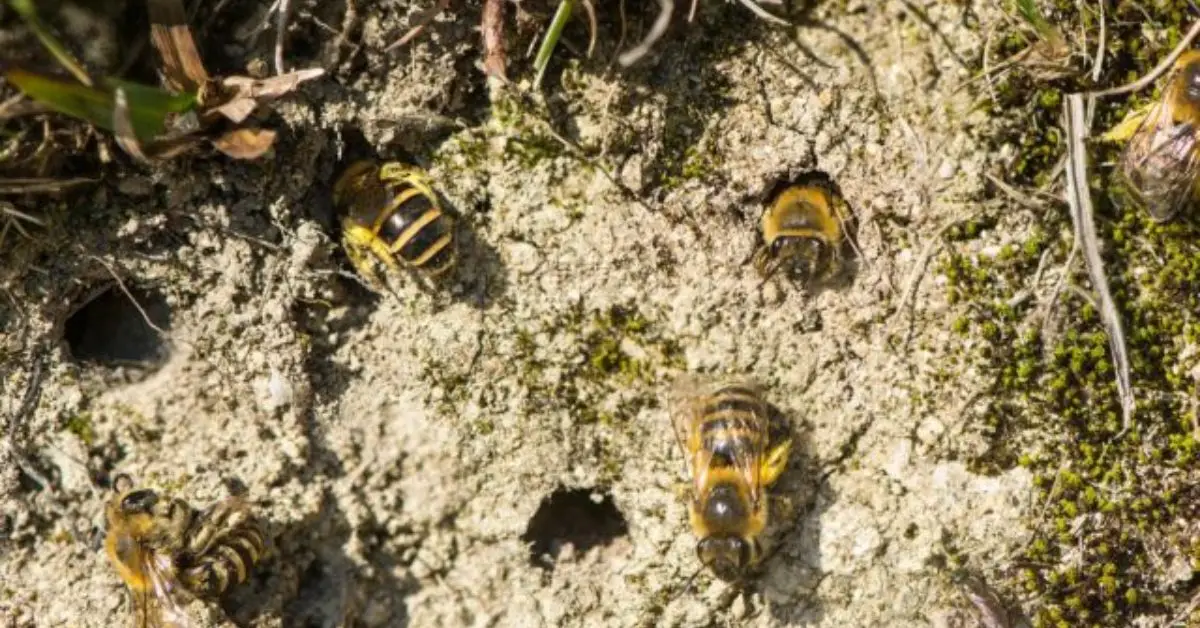
Not all bees live in hives. Many species nest directly in soil. By leaving a patch of bare earth or lightly mulched ground, you create space for them to dig and thrive. It feels odd at first—most of us want tidy beds—but those “imperfect” spots invite pollinators back year after year.
DIY Bee Hotels
From Pinterest boards to Instagram reels, bee hotels are everywhere—and for good reason. Hollow stems, drilled wooden blocks, or even bundles of bamboo can provide a safe home for solitary bees. These little shelters not only help pollinators survive but also keep them close to your garden’s blooms.
Skip Chemicals and Go Organic
I used to spray pesticides without thinking twice, and then wondered why the bees had vanished. Turns out, I was pushing them away myself. Research from the Natural Resources Defense Council (NRDC) shows how chemical sprays, especially neonicotinoids, drastically reduce pollinator populations.
If you need to tackle pests, swap harsh chemicals for safer alternatives:
- Diluted neem oil — gentle when applied in the evening. Neem oil works great for many plants, but not all of them can handle it—if you’re curious which ones to avoid, check out our guide on plants not to use neem oil on.
- Mild soap spray — effective against aphids without harming bees
- Manual checks — picking pests early before they spread
Time Your Garden Tasks for Pollinators
Timing matters more than most people realise. Even small changes in when you water or mow can make the garden friendlier to pollinators.
- Water early morning or late evening so bees aren’t disturbed while feeding.
- Avoid mowing when flowers are in bloom, giving pollinators uninterrupted access to nectar.
- Leave a few wild corners—weeds and wildflowers might not appeal to us, but they provide shelter and food variety for pollinators.
These small adjustments barely cost you effort, but they send a strong signal: your garden is a safe, welcoming space. And when pollinators feel at home, your plants repay you with healthier, bigger harvests.
Mistakes to Avoid When Attracting Pollinators
I’ve learned that sometimes it’s not what you do, but what you accidentally overdo, that keeps pollinators away. A few common habits can quietly undo all your hard work.
- Planting only hybrids – Many hybrid flowers are bred for looks, not nectar. They may look stunning but offer little reward for bees and butterflies, so they quickly move on.
- Overcrowding plants – It’s tempting to pack beds full, but tight spacing reduces airflow and makes it harder for pollinators to reach blossoms. Giving flowers a bit of breathing room keeps them accessible.
- Overusing mulch – While mulch has its place, covering every inch of soil blocks ground-nesting bees from making homes. Leave a few bare patches to welcome them in.
Another common slip is trying every “hack” you see online—like dumping coffee grounds everywhere. Some plants actually suffer from it, and we’ve explained the details in 5 plants that hate coffee grounds.
Knowing what not to do saves you time, money, and disappointment. Avoiding these mistakes means the effort you put in actually pays off with more pollinator visits.
How Attracting Pollinators Directly Boosts Your Yield
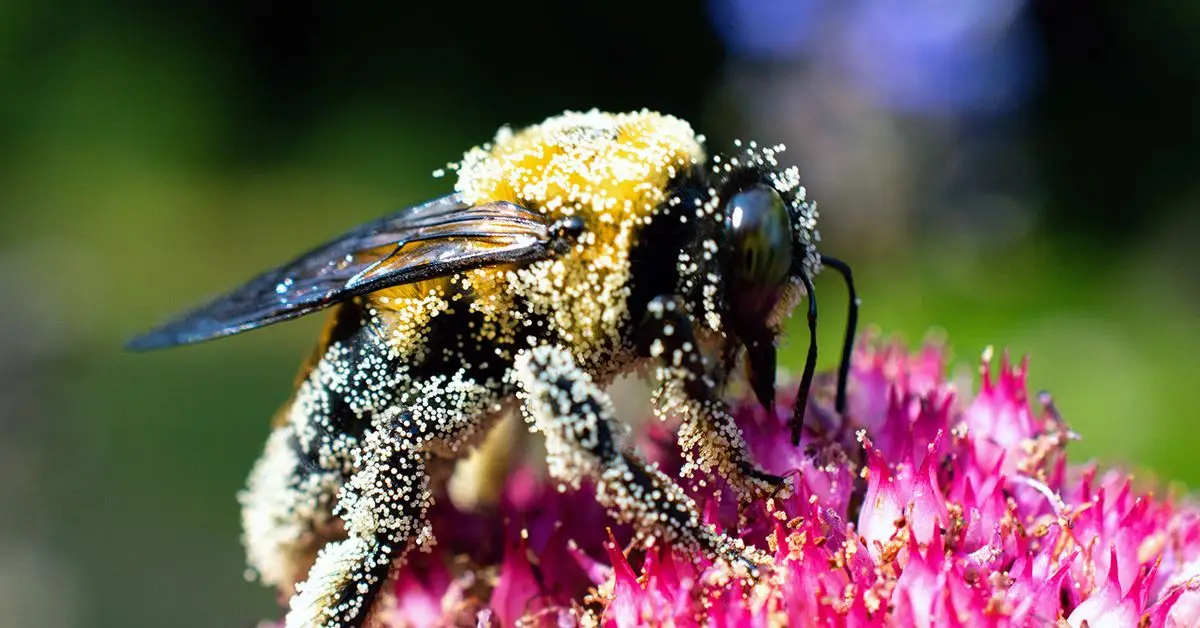
Here’s the part that excites me most: pollinators don’t just make your garden prettier—they directly affect how much food you harvest. Cross-pollination increases fruit size, number, and even taste quality.
Take apples as an example. A Cornell University study found that bee pollination boosted apple yields by nearly 40%, with larger and better-shaped fruits compared to those without bee visits. That’s a massive return for something as simple as keeping your garden pollinator-friendly.
And it’s not just apples. Tomatoes, cucumbers, melons, squash, and berries all rely heavily on pollinator activity. Pollinators help tomatoes set fruit, but if you’ve ever struggled with green tomatoes that refuse to ripen, you’ll find our guide on why your tomatoes aren’t turning red really helpful. When bees and butterflies are abundant, you’ll notice fuller tomato clusters, straighter cucumbers, and more consistent berry harvests.
When you connect the dots, the message is clear: these “easy tips to attract pollinators” aren’t just about gardening habits—they’re about directly putting more food on your plate.
Wrap-Up: Turn Your Garden into a Pollinator Magnet
If there’s one thing I’ve realised, it’s that attracting pollinators isn’t complicated—it’s about making small, thoughtful changes that add up. Let’s recap the most actionable tips you can try right away:
- Add shallow water dishes with stones so bees and butterflies can drink safely.
- Plant a mix of native flowers that bloom across seasons to keep food available year-round.
- Go organic with sprays—ditch harsh chemicals and use safer options like diluted neem oil or mild soap solutions.
- Leave bare soil patches or a DIY bee hotel to give solitary bees a home near your garden.
Even a tiny step, like setting out a birdbath or planting a row of sunflowers, can shift your garden from quiet to buzzing. And when pollinators feel welcome, your harvest rewards you in size, flavour, and consistency.
So here’s my question for you: what’s one change you’ll try this week to invite more pollinators into your garden? Share it in the comments—I’d love to hear your ideas.
For more tips, guides, and real gardener stories, visit Plant Care Dairy and discover how to make your plants thrive season after season.
Disclaimer: This article is for informational purposes only. Gardening results can vary depending on climate, soil, and plant types. Always research and test methods carefully before applying them in your own garden.