

I love neem oil for pests—but I’ve also scorched leaves with it. If you’ve sprayed and watched basil curl, violets spot, or seedlings droop overnight, you’re not alone. It’s not your “technique.” Some plants simply don’t tolerate neem, and heat or sunlight can turn a light mist into a burn.
Here’s what I’ll do for you: I’ll show you exactly which plants to avoid (tender herbs, fuzzy-leaf houseplants, certain veggies, and more), why they react badly, and when you should skip neem even if the plant is usually fine. You’ll also get safer fixes and timing tricks so you can stop guessing.
I’ve dug through the common advice, tossed the vague stuff, and focused on what actually matters in real homes and balconies: short, clear rules, a quick test routine, and alternatives that don’t wreck delicate leaves or hurt pollinators.
If you’ve had a “neem fail,” I’ll help you prevent the next one—without tossing your whole pest-control plan.
What plant did neem oil burn or stress in your garden? Tell me below.
Plants Not to Use Neem Oil On: Know Before You Spray
I get it—you keep hearing neem oil is the “natural fix” for almost every plant problem. It’s cheap, organic, and effective against a long list of pests. But here’s the truth no one tells you upfront: not every plant can handle neem oil. Some leaves burn, others wilt overnight, and seedlings can collapse before you even realise what went wrong.
That’s why I’m breaking this down for you in plain language. By the time you finish reading, you’ll know exactly which plants react badly to neem oil, why it happens, and what smarter steps you can take to avoid costly mistakes.
Sensitive Plant Categories & the Science Behind Their Vulnerability
Over the years, I’ve learned (sometimes the hard way) that certain plants just don’t mix with neem. Let’s go through the main categories you need to be careful with:
1. Leafy herbs & tender greens
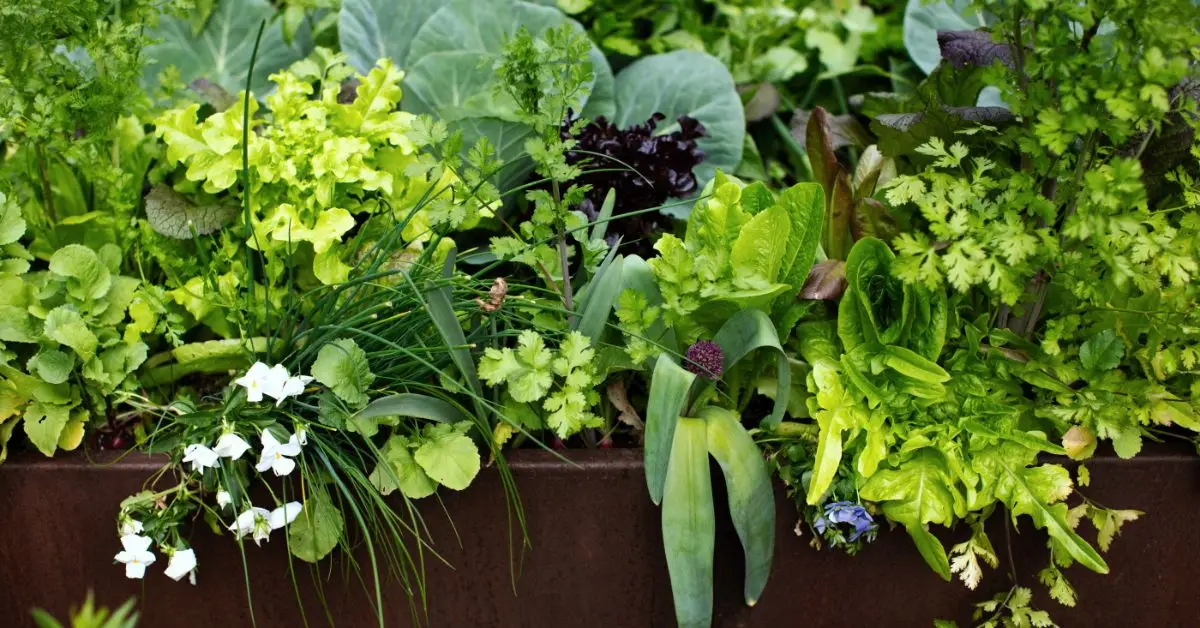
Think of basil, cilantro, parsley, dill, spinach, and lettuce. These plants have thin, delicate leaves that soak up neem oil too quickly. The result?
- Leaf burn that shows up as brown, crispy edges.
- Wilting even if the soil is moist.
- Stunted growth, because the plant puts all its energy into repair.
If you love cooking with fresh herbs, skip the neem here and choose insecticidal soap or a simple water spray instead. Even Planet Natural notes how fragile herbs are when it comes to oils. If you’re curious about other common kitchen remedies that can actually harm delicate greens, check out our guide on plants that hate coffee grounds—you’ll be surprised how often “natural fixes” backfire.
2. Hairy, fuzzy, or waxy-leaved ornamentals
Plants like African violets, begonias, and pansies look soft and velvety, but that fuzzy texture is actually what traps neem oil. Once the oil sits on the hairs, it clogs pores and keeps the leaf surface wet for too long. That leads to:
- Spotted leaves that look diseased.
- Yellow patches from blocked sunlight absorption.
- In some cases, the leaf drops off entirely.
If you’ve got houseplants with that furry look, neem is not their friend.
3. Nightshade crops (tomatoes, peppers, eggplants)
I’ve seen gardeners shocked when their thriving tomato plants shrivel after a neem spray. Why does this happen? Nightshade crops have leaves that hold oil longer, especially in warm weather. Under the sun, the oil acts like a magnifying glass and literally cooks the leaf surface.
Signs to watch for:
- Blackened spots after sunny days.
- Dry curling on the edges.
- Leaves that feel brittle to the touch.
If you still want to try neem here, only spray at dusk or dawn, never under direct sun.
4. Seedlings & newly transplanted plants
Young plants are fragile by nature. Their leaves and stems are still soft, which means even a diluted neem mix can overwhelm them. I’ve lost entire trays of seedlings this way—one spray, and they never bounced back.
Risks include:
- Sudden collapse within hours of spraying.
- Slow growth that delays your harvest.
- Increased vulnerability to pests instead of protection.
For seedlings, it’s safer to hand-pick pests or use a gentle water blast rather than reaching for neem.
Quick tip: If you’re ever unsure, do a spot test on one leaf, wait 24 hours, and only then decide. It’s a small step that can save you weeks of regret.
When Neem Oil Turns from Helpful to Harmful

Neem oil has a reputation for being gentle, but the way you apply it can decide whether it saves your plants or scorches them. I’ve learned the hard way that even “natural” sprays can backfire if timing, dilution, or plant health are ignored.
High sunlight & heat
Spraying neem oil in the middle of a bright, hot day is almost like setting a magnifying glass on your leaves. The oil film heats up, and before long you’ll see:
- Brown, scorched patches across the leaf surface
- Crisp edges that feel brittle to the touch
- Plants looking suddenly weak after just one spray
That’s why I only spray at dusk or dawn, when the sun is low and the leaves have time to dry safely.
Undiluted or frequent application
With neem, more isn’t better. Using it too strong or spraying too often leaves a sticky residue that clogs pores and stresses delicate foliage. Instead of recovering from pests, the plant slows down and looks dull. I always dilute according to the label and wait a few days before reapplying.
Stressed plants (drought, pests, or disease)
If a plant is already weak—whether from lack of water, transplant shock, or existing infections—neem oil can push it over the edge. I’ve seen seedlings collapse overnight because they were sprayed while already struggling. In these cases, gentle care and recovery come first, neem later.
Sometimes what looks like neem damage is really stress from poor watering habits. If you’ve ever struggled to tell the signs apart, here’s a practical guide on underwatering symptoms and how to save your plants.
Ecological impact
It’s also worth remembering that neem doesn’t just touch your plants. If sprayed during bloom, it can affect bees and other pollinators, and runoff near water can harm aquatic life. Even gardening experts at Southern Living remind readers to avoid using neem around flowering plants for the sake of pollinators.
Neem oil is safe when used smartly. Apply it at the right time, dilute it properly, and skip it on weak plants—you’ll protect not only your garden but also the environment around it.
Protect These Plants Without Going Neem-Free
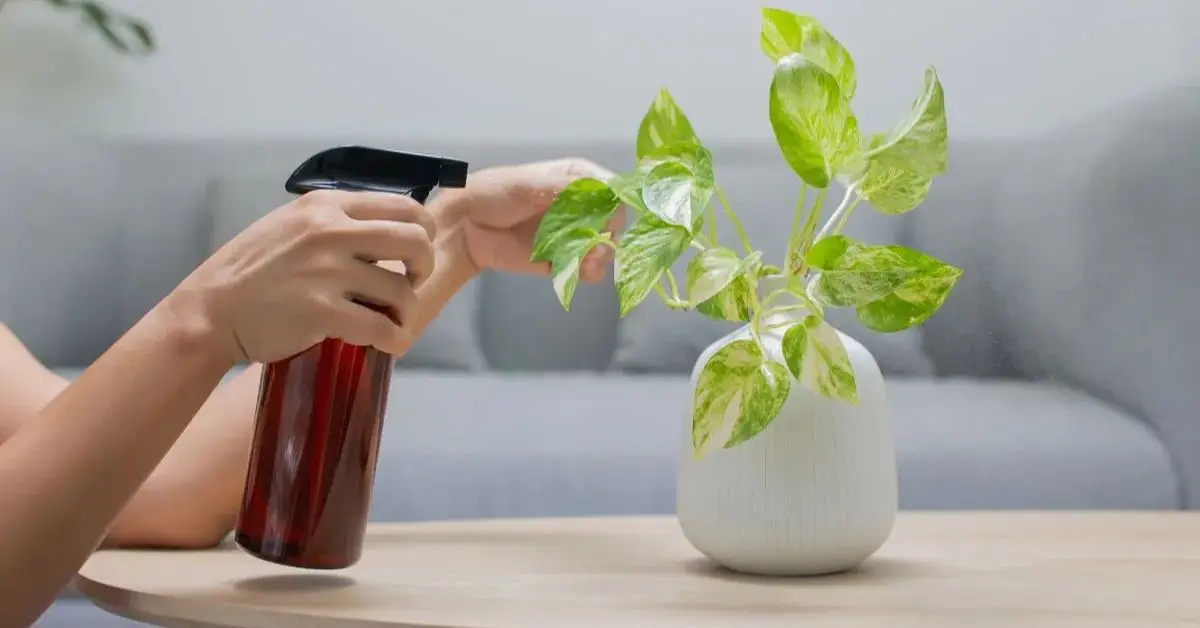
Just because some plants don’t handle neem oil well doesn’t mean you’re out of options. I’ve found that with a few smart tweaks, you can still protect your garden without risking burns or stunted growth. Here’s how:
Spot-testing first
Never spray a whole plant right away. I always pick one leaf, apply a tiny amount, and wait 24 hours. If it looks fine, I’ll move forward. If not, I know to back off before doing serious damage.
Dilution matters
Neem oil is strong, so keep the mix light. Following the product label or using a mild ratio (like 1–2 teaspoons per litre of water with a drop of mild soap as an emulsifier) is often enough. Stronger isn’t safer—it just increases the risk of stress.
Timing is everything
Even if your plant can handle neem, spraying at the wrong time will ruin the results. I’ve had the best success applying in the early morning or late afternoon, when the sun isn’t blazing and the leaves can dry slowly without burning.
Safer alternatives to neem
For plants that really don’t tolerate neem, you’ve still got effective tools:
- Insecticidal soaps: gentle and safe for most edibles.
- Horticultural oils: lighter than neem and less likely to burn leaves.
- Integrated Pest Management (IPM): companion planting and natural predators (like ladybugs for aphids) work surprisingly well. For an even gentler approach, you can make your own homemade insecticide sprays with simple ingredients—safe on sensitive plants but still effective against common pests.
If you’re looking for practical guidance on these options, Martha Stewart shares simple ways to combine soaps, oils, and timing to keep pests under control.
The key is flexibility: spot-test first, dilute properly, spray at the right time, and don’t be afraid to use alternatives. Your garden stays protected, and your sensitive plants stay safe.
At-a-Glance Guide
Sometimes you just need a quick reminder before reaching for the spray bottle. Here’s a simple table you can save or screenshot so you don’t have to second-guess yourself:
| Plant Type | Action | Notes |
|---|---|---|
| Basil, cilantro, parsley, etc. | Avoid spraying | Thin, tender leaves burn easily |
| African violets, pansies, begonias | Proceed with caution | Hairy or fuzzy leaves hold oil, causing spots |
| Tomatoes, peppers, eggplant | Test spot first | Oil lingers and can scorch in sunlight |
| Seedlings, newly transplanted | Postpone altogether | Too fragile, highly sensitive to stress |
Always spot-test—even when in doubt. It’s a five-minute check that can save you weeks of lost growth.
Spray Smart, Not Hard
Neem oil can be a lifesaver in the garden, but it isn’t a one-size-fits-all solution. Some plants simply can’t handle it, and that’s okay—you’ve now got the knowledge to protect them without risking burns or setbacks.
Remember:
- Not all plants tolerate neem—know which ones to avoid.
- Always test, dilute, and observe before spraying widely.
- Use timing and alternatives thoughtfully—sometimes insecticidal soap or companion planting is the better call.
Gardening is about patience and awareness. When you slow down, test first, and spray smart, you’ll save yourself frustration and your plants will thank you with healthy growth.
Now I’d love to hear from you: Have you ever had a bad experience using neem oil on your plants? Share your story in the comments—I guarantee other gardeners will relate.
And if you want more practical, no-fluff gardening guides, head over to Plant Care Dairy for tips that actually work in real gardens.
Disclaimer: The information shared here is for general gardening purposes only. Always follow product labels and consider local expert advice before applying neem oil or any alternative treatments to your plants.