
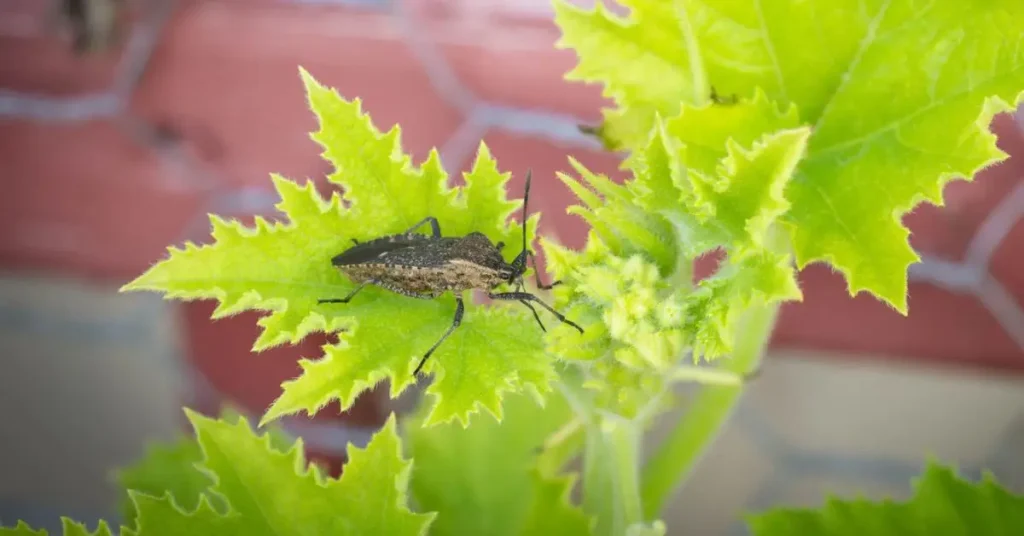
I can’t count the number of times I thought I’d finally beaten squash bugs—only to walk out a week later and see the leaves wilting again. If you’ve grown zucchini or pumpkins, you know the drill: you crush the eggs, spray the plants, maybe even rotate your crops, and still those stubborn pests find their way back.
Most guides tell you how to kill them in the moment, but very few explain how to stop them from returning year after year. That’s the real challenge. Squash bugs don’t just appear out of nowhere—they hide, overwinter, and wait for the right time to attack again.
What I want to share with you are five simple, DIY tricks that don’t cost much and actually work in a real backyard. No complicated gear, no overuse of chemicals—just small changes you can make today that cut the problem at its root.
Have you ever had that moment where you thought your plants were safe, only to see the same bugs crawling back?
Why Squash Bugs Keep Coming Back
If you’ve ever wondered why squash bugs keep showing up no matter how many you squash, the answer lies in their life cycle. These pests don’t just disappear when you knock them off your plants—they’ve got a survival system that’s tougher than most backyard gardeners expect.
Here’s the cycle in plain terms:
- Eggs: Females lay clusters of bronze-colored eggs on the underside of leaves. One female can lay hundreds in a single season.
- Nymphs: The eggs hatch into gray nymphs that immediately start sucking sap, usually in groups.
- Adults: By late summer, mature bugs hide in garden debris or mulch. When winter passes, they crawl right back out, ready to restart the cycle.
That’s why killing them once isn’t enough. If you miss the eggs or let debris pile up, they’ll return stronger next year. As explained in The Spruce’s guide on squash bugs, these insects survive by overwintering in sheltered spots, which means your garden cleanup plays a bigger role than most people realize.
Trick #1 – Soap & Water Spray with a Twist

One of the cheapest and quickest ways I’ve kept squash bugs in check is with a DIY soap spray. You don’t need fancy pesticides—just a few things already sitting in your kitchen.
Here’s my go-to recipe:
- 1 quart of water
- 1 teaspoon mild dish soap
- 2–3 drops of cooking oil (helps the spray stick to leaves)
- Twist: add either 1 teaspoon of baking soda or a crushed garlic clove for extra punch.
Shake well in a spray bottle, then coat the underside of the leaves, where squash bugs usually hide and lay eggs. The soap breaks down their protective shell, the oil keeps it on longer, and the baking soda or garlic makes the environment even less friendly for them.
If you want to track results, take a quick before-and-after photo.
You and I don’t need expensive products. With just soap, water, and one kitchen twist, we can knock squash bugs down fast—and keep them from coming back week after week.
Trick #2 – Foil & Mulch Barrier Hack
This one sounds a little odd, but it works. Squash bugs don’t like shiny, reflective surfaces, so if you line the soil around your plants with aluminum foil or reflective mulch, it confuses them.
The glare of sunlight bouncing back makes it harder for them to settle in and lay eggs. I’ve even used strips of kitchen foil tucked around the base of my zucchini plants—it looked funny, but it kept the leaves cleaner and the bugs away.
Most people never try reflective barriers, which makes it a powerful little hack that’s almost always missed in gardening lists.
Trick #3 – Trap & Dump Morning Routine
Here’s a routine I swear by during bug season:
- Lay a wooden board, shingle, or even a piece of cardboard in the garden at night.
- Squash bugs crawl underneath, looking for a safe hiding spot.
- In the morning, flip the board and dump them straight into a bucket of soapy water.
Pro tip I picked up from homesteading forums: if you keep chickens, toss the bugs to them instead. Chickens love squash bugs, and you get pest control plus free protein for your flock.
It’s not about one big spray—it’s about small, repeatable steps that keep numbers low every single day.
Trick #4 – Companion Plants They Hate

Sometimes the best defense is to let other plants do the job for you. Certain flowers and herbs repel squash bugs naturally, so mix them into your garden bed. My favorites:
- Nasturtium – a classic trap crop, pulls bugs away from squash.
- Radishes – gardeners often swear by them as a repellent.
- Dill – brings in beneficial insects that prey on pests. And remember, not every insect is the enemy—wasps, for example, are powerful allies against garden pests. Here’s a full breakdown of the benefits of wasps in your garden and how they can support your squash plants.
- Marigolds – a go-to for deterring multiple garden bugs. Just like companion plants, not every home remedy works for every crop—for example, some plants hate coffee grounds, and knowing which ones can help you avoid harming your soil.
And it’s not just anecdotes—guides like Simplify Live Love’s prevention tips also recommend companion planting as part of a long-term strategy to keep infestations down.
Companion plants aren’t just pretty—they add a living shield that works with nature instead of fighting against it.
Trick #5 – Winter Clean-Up to Break the Cycle
If you do one thing at the end of the season, make it this: clean up every vine, leaf, and bit of debris from your squash patch. Squash bugs don’t die off in the cold—they hide. They love tucking themselves into mulch, fallen leaves, and even under old boards. By spring, they’re back in full force.
I make it a habit to rake everything out once the plants are done and either compost it far away from the beds or burn the debris if the infestation was bad.
Another step that pays off: rotate your squash family plants. Move them to a different bed next season. Even shifting them just 15–20 feet can break the pattern enough to slow bugs down.
It’s the single most powerful move to stop squash bugs from returning, because you’re shutting down their overwintering spots.
Extra Hack – When DIY Isn’t Enough
Sometimes, even with soap sprays and barriers, you need a little extra backup. That’s where safe add-ons come in:
- Neem oil spray – a natural deterrent that disrupts insect growth. If you’re planning to try neem oil, make sure you know which plants can’t handle it—our guide on plants not to use neem oil on will help you avoid common mistakes.
- Diatomaceous earth – sprinkle a thin layer around plant bases; it dries out crawling pests.
- Row covers – lightweight fabric that keeps bugs off entirely, especially early in the season.
That said, be careful with chemicals. Overusing broad-spectrum sprays can kill bees and pollinators you actually need. As Southern Living points out, the goal is balance—protect your plants without hurting the helpers in your garden.
It shows you that prevention isn’t one-size-fits-all. You’ve got gentle but effective tools when the simple tricks aren’t enough.
Seasonal Calendar: Stay Ahead of Squash Bugs
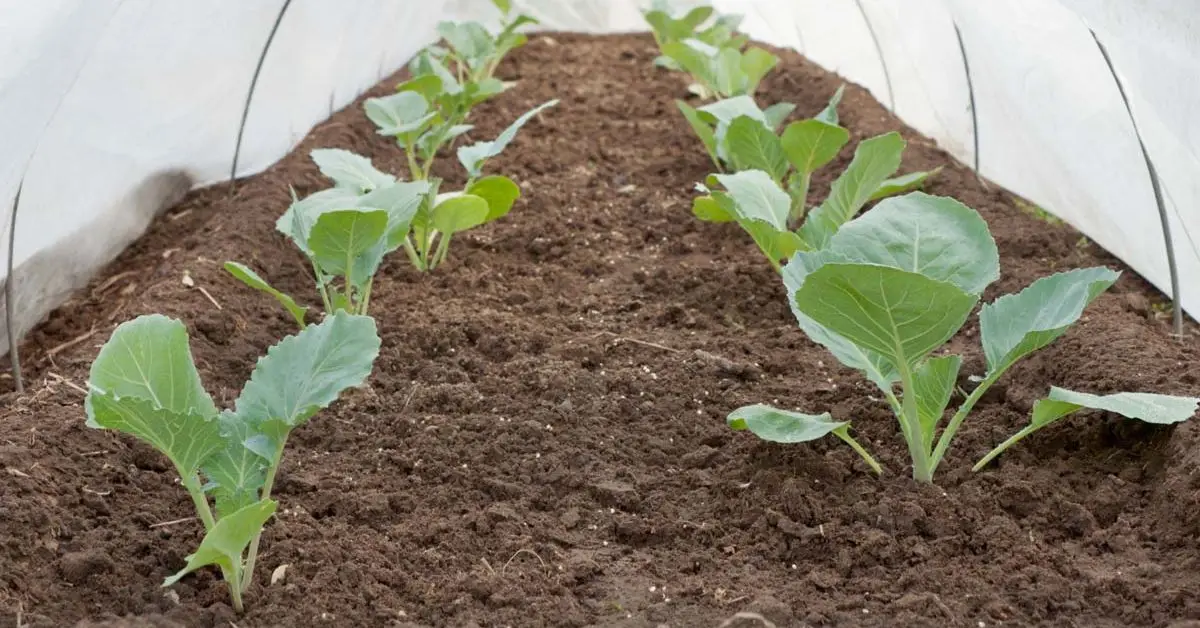
Keeping squash bugs away is easier when you match your efforts with the season. Here’s a quick guide you can follow year after year:
- Spring: Start strong by covering young plants with row covers and laying down strips of foil or reflective mulch. This stops early egg-laying.
- Summer: Stick to your routine—spray with soap mix, flip morning boards, and keep companion plants close. Small daily actions pay off.
- Fall/Winter: Once harvest is over, clear out every vine and leaf, and rotate your squash to a new bed next season. This breaks the overwinter cycle.
Think of it as a gardening calendar: a little planning in each season saves you a lot of bug battles later.
Myth vs Fact: The Truth About Squash Bugs
- Myth: “If you spray once, they won’t return.”
- Fact: Adult squash bugs are tough survivors. They hide under debris and overwinter, then crawl back out in spring to start the cycle again. That’s why prevention needs to be ongoing, not one-time.
Busting myths like this helps us stay realistic—and reminds you that it’s the small, consistent actions that make the biggest difference.
Quick Checklist for Busy Gardeners
If you’re short on time and just want the highlights, here’s the five-step cheat sheet:
- Spray leaves with soap + water + oil + baking soda/garlic.
- Use foil or reflective mulch to confuse bugs.
- Set up wood boards at night and dump bugs in soapy water each morning.
- Plant nasturtium, radishes, dill, and marigolds around your squash.
- Clear out debris and rotate crops at the end of the season.
Easy to print, save, or pin to your shed wall so you don’t forget when the season gets busy.
Final Takeaway
When it comes to squash bugs, the secret isn’t one magic spray or one-time fix—it’s consistent small actions. A little soap spray here, a foil strip there, morning bug checks, and a good garden cleanup at season’s end. Put together, these steps break the cycle that keeps pests returning year after year.
I’ve learned that prevention is a habit, not an event. If you stay one step ahead of the bugs, your squash stays healthier, your harvest lasts longer, and you won’t be fighting the same battle every summer.
Now I’d love to hear from you—what’s your go-to trick for keeping squash bugs away? Drop it in the comments or share it with your garden group. The more we trade ideas, the stronger our gardens get.
For more practical gardening guides and plant care tips, don’t forget to visit Plant Care Dairy.
Disclaimer: This article is for informational purposes only. Gardening results may vary depending on climate, soil conditions, and individual practices. Always test natural sprays on a small area first and use caution when handling any garden treatments.