

When I first started gardening, I used to see wasps as nothing more than a nuisance—sting-happy insects that could ruin a perfectly good afternoon outdoors.
But over the years, I’ve come to realize they’re actually one of the unsung heroes of any healthy garden. Wasps are natural predators, quietly keeping pests like aphids and caterpillars in check, and some even help with pollination.
In this article, I want to show you why inviting these tiny gardeners into your outdoor space isn’t just safe—it’s smart.
By the end, you’ll see wasps not as threats, but as essential partners in creating a thriving, balanced garden.
Wasps as Natural Pest Controllers
Types of Garden Pests Targeted by Wasps
When I first noticed wasps in my garden, I realized they were nature’s tiny pest control squad. They actively hunt insects that can destroy plants, including:
- Aphids – tiny sap-sucking pests that weaken leaves
- Caterpillars – voracious eaters of foliage
- Beetles – including harmful larvae that burrow into stems
- Other harmful insects – like leaf miners and whiteflies
The best part? Wasps reduce these pest populations naturally, without the need for chemical sprays. According to PlantersPlace, gardeners have observed significant pest reductions when wasps are present, helping plants stay healthy and productive.
Hunting Behavior and Lifecycle Insights

Not all wasps hunt in the same way, and learning this can change how you view them in your garden.
- Solitary wasps – hunt alone, paralyzing prey like caterpillars to feed their larvae
- Social wasps – such as yellow jackets, hunt in groups and can control large pest populations
- Lifecycle timing – wasps are most active in spring and summer, which coincides with peak pest activity
Understanding their hunting habits gives you insight into how and when they can help your garden thrive.
Pollination Benefits of Wasps
Plant Species Pollinated by Wasps
Most gardeners don’t realize that wasps are also accidental pollinators. They collect nectar for energy, and in the process, transfer pollen between flowers. Some plants that benefit include:
- Figs – certain species rely exclusively on wasps for pollination
- Orchids – wasps help maintain flower reproduction
- Other garden plants – any nectar-producing plant can receive pollination from visiting wasps
Just like wasps help keep your garden plants healthy naturally, understanding the proper care of individual plants, such as aloe vera, ensures they thrive without extra stress or disease.
Even if your garden already has bees, wasps fill gaps in pollination, boosting overall plant health and fruit production.
Comparing Wasps and Bees
Here’s a truth many gardeners overlook: wasps are often underappreciated pollinators.
- Bees get all the attention, but wasps reach flowers bees sometimes ignore
- Wasps can thrive in different conditions, offering pollination when bee populations are low
- Unlike bees, many wasps are predators first, so they contribute to ecosystem balance in multiple ways
Ecological Importance of Wasps
Supporting Biodiversity in the Garden
Wasps don’t exist in isolation—they’re a crucial part of your garden’s food web. They serve as food for:
- Birds – songbirds and woodpeckers
- Reptiles – lizards and small snakes
- Amphibians – frogs and toads
By supporting wasps, you’re also supporting these other creatures, which keeps your garden lively and balanced.
Maintaining Healthy Food Webs
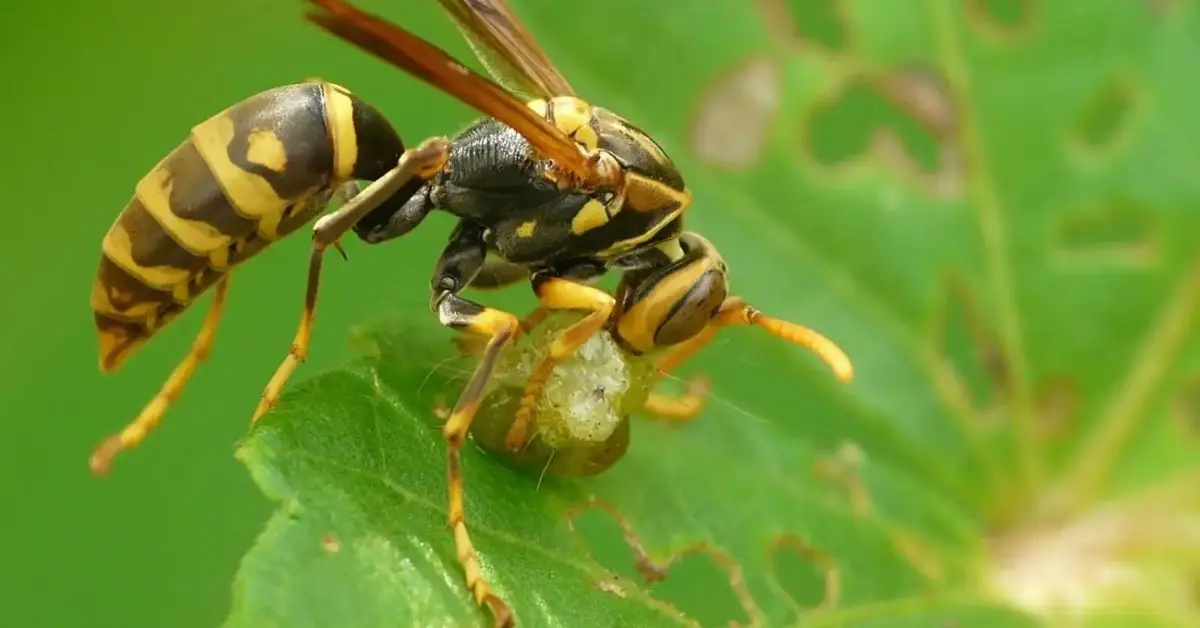
Without wasps, some pests could multiply uncontrollably, leading to plant damage and disrupted ecosystems. Wasps act as natural regulators, preventing overpopulation and maintaining:
- Healthy plant growth – fewer pests, more flowers and fruits
- Balanced predator-prey relationships – keeps other insects and wildlife in check
- Overall ecosystem stability – your garden becomes resilient and self-sustaining
How to Attract Wasps Naturally
Planting Nectar-Rich Flowers
When I began attracting wasps to my garden, I discovered that nectar-rich flowers are their favorite pit stops. Planting the right species can make your garden irresistible to these helpful insects. Some top choices include:
- Dill – attracts predatory wasps naturally
- Fennel – a favorite for hunting solitary wasps
- Yarrow – provides nectar and habitat
- Mint – doubles as a culinary herb and wasp magnet
Providing Water Sources
Just like us, wasps need water to survive, especially in hot summer months. Shallow dishes of water around the garden can help them hydrate safely.
- Use shallow bowls or saucers
- Add some pebbles so wasps can land without drowning
Offering Nesting Sites
If you want wasps to stick around, consider providing safe nesting options:
- Undisturbed soil – ideal for ground-nesting species
- Hollow wood or logs – mimics natural habitats
- Paper wasp houses – store-bought or DIY options
Providing undisturbed soil or natural nesting spots for wasps can be paired with soil amendments like wood ash to enrich your garden without harming beneficial insects.
Coexisting Safely with Wasps
Understanding Wasp Behavior
One of the most important lessons I’ve learned is that most wasps are non-aggressive. They generally sting only when threatened. Observing their behavior can help you coexist peacefully.
How to Avoid Stings
A few simple precautions can make gardening safer:
- Wear light-colored clothing and avoid floral prints
- Move slowly around nests
- Keep food and sugary drinks covered
Managing Nest Locations
Not every nest needs removal. Here’s how I decide:
- Leave alone – if the nest is far from high-traffic areas
- Relocate or call professionals – if nests are too close to patios, doorways, or play areas
Addressing Common Concerns
Allergic Reactions
While most stings are minor, some people can be allergic. I always keep in mind:
- Watch for swelling, hives, or difficulty breathing
- Have an EpiPen or medical plan ready if allergic
Overpopulation Issues
Too many wasps can be a nuisance, but it’s usually manageable. Signs and prevention include:
- Multiple aggressive nests near homes
- Limiting sugary foods outdoors
- Calling professionals for relocation if needed
Seasonal Considerations
Wasps are most active in late summer and early fall, when colonies reach peak size. Knowing this helps me:
- Plan outdoor activities safely
- Adjust gardening habits around high-activity periods
If you’re curious about how wasps fit into your garden’s ecosystem, I found a great resource titled Understanding The Integral Role Of Wasps In Pest Control And Gardening. It explains exactly how wasps help manage pests and support overall garden health, making them indispensable allies for any gardener.
Garden Planning with Wasps in Mind
Companion Planting
When I began attracting wasps to my garden, I discovered that companion planting became a game-changer. Certain plants not only attract wasps but also naturally repel harmful pests.
- Parsley and Dill – lure predatory wasps naturally
- Marigold and Nasturtium – repel aphids and other soft-bodied pests
- Fennel and Yarrow – provide nectar and shelter
Integrating Wasps with Other Beneficial Insects

Wasps don’t work alone! I’ve noticed a healthy garden ecosystem when I combine wasps with other allies:
- Ladybugs – excellent for aphid control
- Bees – boost pollination alongside wasps
- Spiders – catch stray flying pests
In fact, according to Epic Gardening, wasps play a key role in keeping pest populations under control while supporting pollination, which is why planning your garden around their needs can make a big difference.
Mistakes to Avoid
Even with the best intentions, I’ve learned a few common mistakes that can backfire when encouraging wasps:
- Overusing pesticides – kills beneficial insects along with pests
- Destroying nests unnecessarily – disrupts natural pest control
- Misidentifying wasps – some species are solitary and non-aggressive
Encouraging wasps in your garden is a fantastic way to reduce chemical usage, and you can further complement this approach with plant-based pest solutions to maintain a safe and healthy environment.
Embracing Wasps for a Healthier Garden
Over the years, I’ve realized that wasps are more than just a nuisance—they’re key players in keeping your garden balanced and thriving. From controlling pests to supporting pollination, these tiny helpers make a big difference.
By planting nectar-rich flowers, providing water, and leaving nests undisturbed, you can invite wasps safely and let them do their magic naturally. Integrating them with other beneficial insects like ladybugs and bees creates a holistic ecosystem that reduces pests without relying on harsh chemicals.
Remember, avoiding common mistakes—like overusing pesticides or destroying nests unnecessarily—keeps both you and your garden safe while maximizing benefits.
I’d love to hear from you! Have you noticed wasps helping in your garden? Share your experiences in the comments below—I always enjoy learning from fellow gardeners.
For more tips and insights on gardening and caring for plants, visit Plant Care Dairy and explore a world of natural gardening ideas.
Disclaimer: The information in this article is for educational purposes only. Always exercise caution when handling wasps or other insects, and consult professionals if you have allergies or pest concerns.