

I’ve lost count of how many times I’ve heard gardeners say, “Just throw some Epsom salt in the soil—it works like magic.” I used to believe that too. The truth is, a scoop of white crystals isn’t a miracle cure, but in the right place, at the right time, it can make your plants look greener, bloom brighter, and bounce back when they’re struggling. I’ve seen tomato vines perk up after a magnesium boost, and I’ve also seen people waste money sprinkling it where it does nothing at all.
That’s why I want to dig into this with you—not as hype, not as myth-busting for the sake of it, but as a practical guide. We’ll look at what science actually says, when Epsom salt helps, when it hurts, and how real gardeners (the ones posting tips and mistakes online) are using it in their backyards. My goal is simple: by the time you’re done reading, you’ll know if this “trick” belongs in your garden or not.
So tell me—have you ever tried using Epsom salt on your plants, or is this your first time considering it?
Why Gardeners Swear by Epsom Salts?
When people talk about Epsom salts, they’re usually referring to magnesium sulfate—a simple mineral compound that looks like coarse white crystals. You might know it as something you soak tired feet in, but gardeners have been sprinkling it around their plants for generations. It shows up in old gardening guides, neighbor-to-neighbor tips, and even in threads where people trade photos of their greenest tomato vines.
I’ve seen gardeners swear by it for everything from roses with fuller blooms to peppers with fewer yellow leaves. And while the science isn’t magic, there’s a reason this tradition has stuck around.
Epsom salt has earned its reputation because:
- It’s cheap and easy to find.
- Gardeners have seen visible improvements in certain plants.
- It doubles as a household staple, so people already trust it.
The Science Behind Epsom Salt’s Effect on Plants
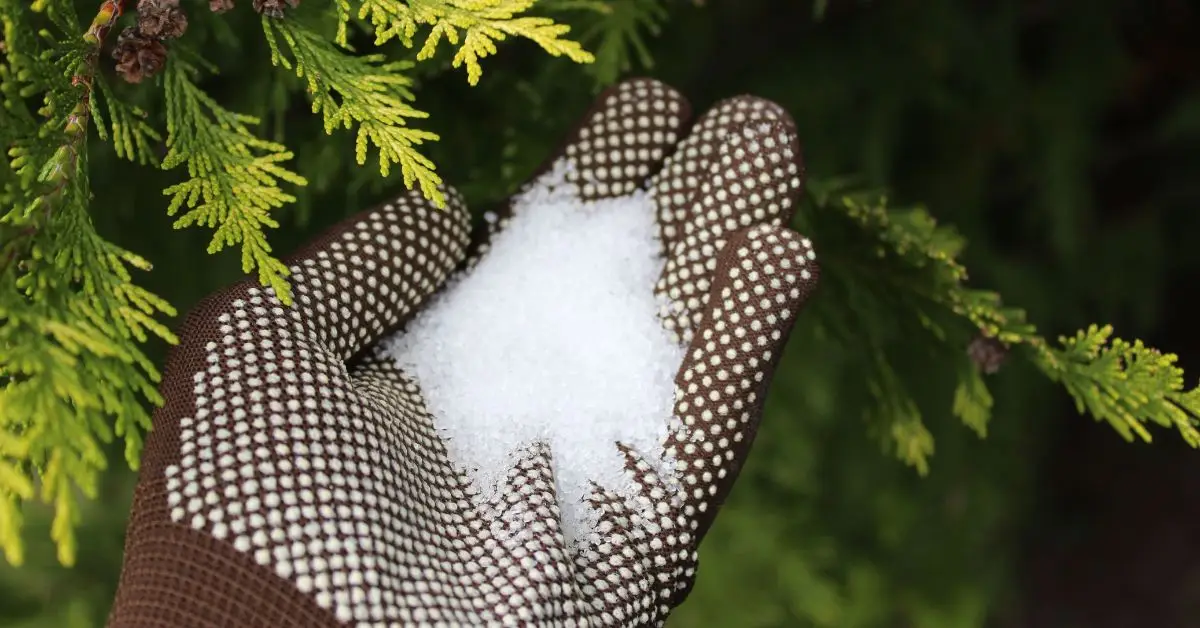
Now, let’s set the tradition aside for a moment and look at why Epsom salt can actually work. The answer comes down to two things your plants crave: magnesium and sulfur.
- Magnesium → Think of it as the fuel behind chlorophyll. Without enough of it, leaves turn pale or yellow because the plant can’t photosynthesize properly. Add magnesium back, and suddenly those leaves look greener and healthier.
- Sulfur → This isn’t talked about as much, but it quietly supports protein building and helps plants absorb other nutrients more efficiently. Without it, growth slows and your soil can fall out of balance.
For example, Gardening Know How explains that magnesium is key to producing lush, dark foliage, and sulfur plays a role in making other fertilizers more effective. That’s why Epsom salts sometimes feel like a “boost button” when plants are lagging behind.
If you wanted to picture it visually, a simple comparison looks like this:
Magnesium vs. Sulfur: How They Help Plants
- Magnesium → Richer green leaves, better photosynthesis, stronger fruiting.
- Sulfur → Faster nutrient uptake, improved protein synthesis, balanced soil health.
When you understand this science, it’s easier to see why Epsom salt has such a strong following. It’s not about magic—it’s about filling gaps that your soil may quietly be missing.
When (and When Not) to Use Epsom Salts in Your Garden
The tricky part with Epsom salts is that they’re not a one-size-fits-all fix. In the right setting, they can make a visible difference. In the wrong one, they can waste your time or even harm your soil.
Ideal Use Cases
From what I’ve seen, these are the situations where Epsom salts can actually help:
- Tomatoes, peppers, and roses – These plants are heavy feeders and often show magnesium deficiencies. A small dose of Epsom salts can encourage greener leaves and better fruiting or blooming.
- Seed germination – A light application at the start can give seedlings a nutrient push, especially in soils that are slightly depleted.
- Container plants – Pots and planters lose nutrients faster through watering. Epsom salts can replace magnesium and sulfur when those elements get washed away.
Times to Avoid
On the flip side, here’s when you should think twice:
- Already magnesium-rich soil – If your soil test shows adequate magnesium, adding more may throw off the nutrient balance.
- Overuse risks – Too much Epsom salt can create soil toxicity, disrupt calcium uptake, and contribute to water runoff issues that affect nearby plants. According to the University of Minnesota Extension, magnesium and sulfur should only be added when soil tests indicate a need.
Being selective with where and when you use it is the difference between a helpful boost and a harmful mistake.
If you’re unsure whether your soil is actually lacking nutrients, it helps to first learn the signs your plants give you—like yellowing leaves or slow growth. Here’s a guide on how to know when your plants need fertilizer and what to do about it.
How to Apply Epsom Salts Correctly
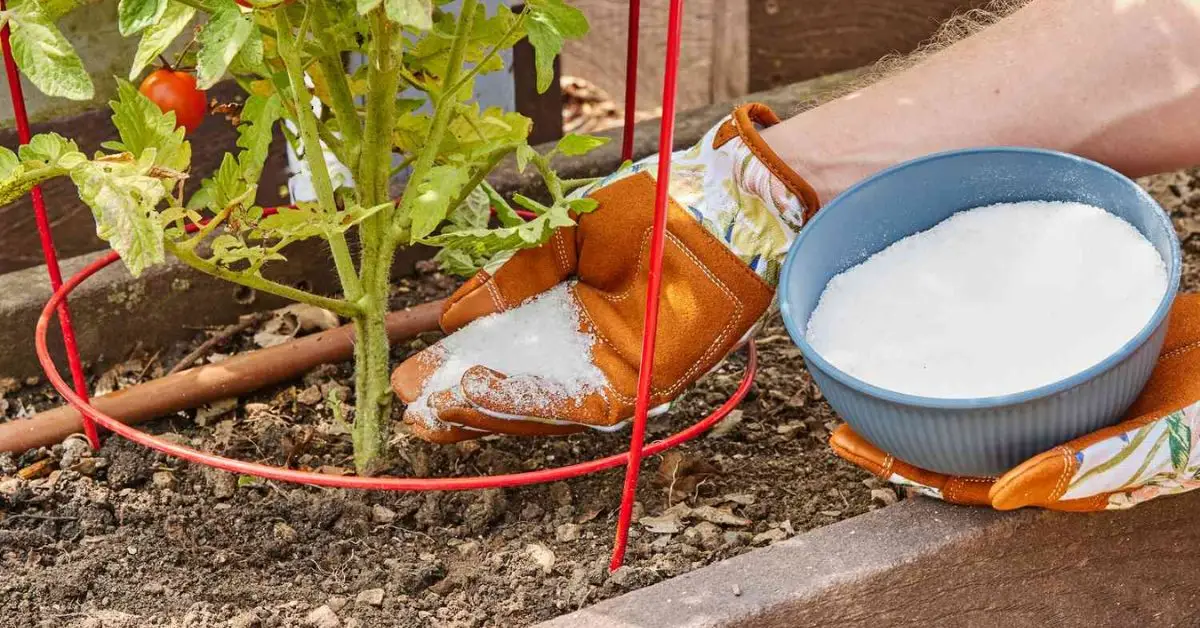
Once you know your soil and plants actually need it, the next step is using Epsom salts in the right way. Too much at once won’t do your garden any favors—measured doses are what make the difference.
Watering Method
Mix 1 tablespoon of Epsom salt per gallon of water and use it as a drench around the base of the plant. This method is especially effective for tomatoes and peppers during the growing season.
Foliar Spray
Dissolve the same mix—1 tablespoon per gallon—and spray directly onto the leaves. This delivers magnesium quickly when leaves are pale or yellowing. A spray every two weeks is usually enough.
Soil Application
For potted or container plants, sprinkle a small amount (about a teaspoon per foot of plant height) directly into the soil and water it in. This ensures nutrients stay close to the roots where they’re needed most.
Dosage Chart:
| Plant Type | Recommended Dosage | Frequency |
|---|---|---|
| Tomatoes/Peppers | 1 tbsp per gallon water (soil drench) | Every 2 weeks |
| Roses | 1 tbsp per foot of plant height (soil) | Monthly |
| Seedlings | 1 tsp per gallon water (watering can) | At planting stage |
| Container Plants | 1 tsp sprinkled into soil, watered in | Monthly |
Using these methods keeps you on the safe side—your plants get the benefits without the downsides of overloading the soil.
Common Myths vs. Reality
If you’ve been gardening for a while, you’ve probably heard people talk about Epsom salts like they’re a universal solution. The reality is a lot more nuanced. Let’s clear up the most common misconceptions so you know when it really helps—and when it doesn’t.
Myth 1: Epsom salt cures all plant issues
- This is one of the most widespread claims, and I’ve heard it countless times.
- Reality: Epsom salt only addresses magnesium or sulfur deficiencies. If your plant is drooping from lack of nitrogen, pest damage, or poor watering, Epsom salt won’t fix it.
Myth 2: Epsom salt is safe for all soils
- Many gardeners assume it’s harmless to sprinkle anytime, anywhere.
- Reality: Overuse can create soil imbalances and block calcium absorption. That means weaker stems, poor fruit set, and sometimes no visible improvement at all.
On Reddit’s microgrowery community, one user pointed out that the recommended dose is about 1–2 tablespoons per gallon of water—but warned that going beyond that didn’t speed up results, and in some cases made nutrient problems worse. That back-and-forth between users shows how easy it is for myths to spread: a little success becomes “proof,” but the failures often get overlooked.
The lesson here is simple: Epsom salt isn’t a miracle powder. Use it only when your plants truly need magnesium or sulfur, and it can help. Use it everywhere, and you’ll likely end up wasting both your time and your soil’s health.
Alternatives to Epsom Salt Fertilizers
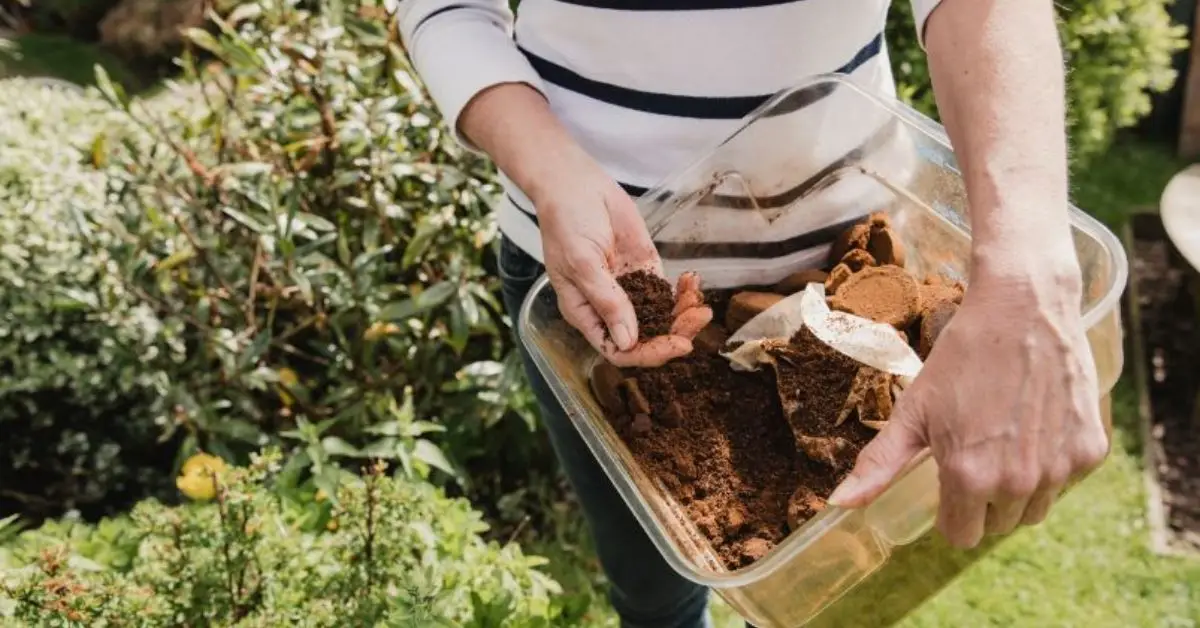
While Epsom salts can help in some situations, they’re not the only way to give your plants a nutrient boost. In fact, for long-term soil health, you might want to lean on alternatives that build up the soil instead of just topping it off with magnesium and sulfur.
- Compost tea – A natural liquid fertilizer made by steeping compost in water. It introduces beneficial microbes and a wider nutrient range than Epsom salts alone.
- Balanced NPK fertilizers – These cover the three essentials: nitrogen (N), phosphorus (P), and potassium (K). Unlike Epsom salts, which only provide two nutrients, NPK blends address the bigger picture of plant growth.
- Banana peel water – A simple DIY option loaded with potassium and a touch of phosphorus, both of which help with flowering and fruiting.
These alternatives are especially helpful for long-term soil health because they replenish multiple nutrients and improve soil structure, not just magnesium and sulfur. For example, many gardeners also recycle household byproducts to improve soil health—one popular method is using charcoal ash as a natural booster for plants. If you’re planning a garden that thrives year after year, these broader options may give you more sustainable results.
Key Takeaways for Gardeners
If you’re considering Epsom salts for your garden, here’s the simple version to keep in mind:
- Works best for plants that are magnesium-hungry, like tomatoes, peppers, and roses.
- Always test your soil first—use it only when there’s a deficiency.
- Apply sparingly and in the right dosage; more is not better.
- Treat it as a supplement, not a solution—combine with compost, balanced fertilizers, and regular care for lasting soil health.
And don’t forget, nutrient balance isn’t the only challenge—your plants can also suffer from too much heat. Learn how to save your plants from sunburn with these simple fixes.
Used wisely, Epsom salts can give your garden a quick boost. Used blindly, they can do more harm than good.
What about you—have you ever tried Epsom salts in your garden, and did you see a difference? Share your experience in the comments below. For more practical tips and expert-backed advice, visit Plant Care Dairy for guides that actually work in real gardens.
Disclaimer: The information shared here is for general gardening purposes only. Epsom salts may not be suitable for every soil type or plant, and results can vary. Always consider a professional soil test or local extension advice before applying any supplement to your garden.