
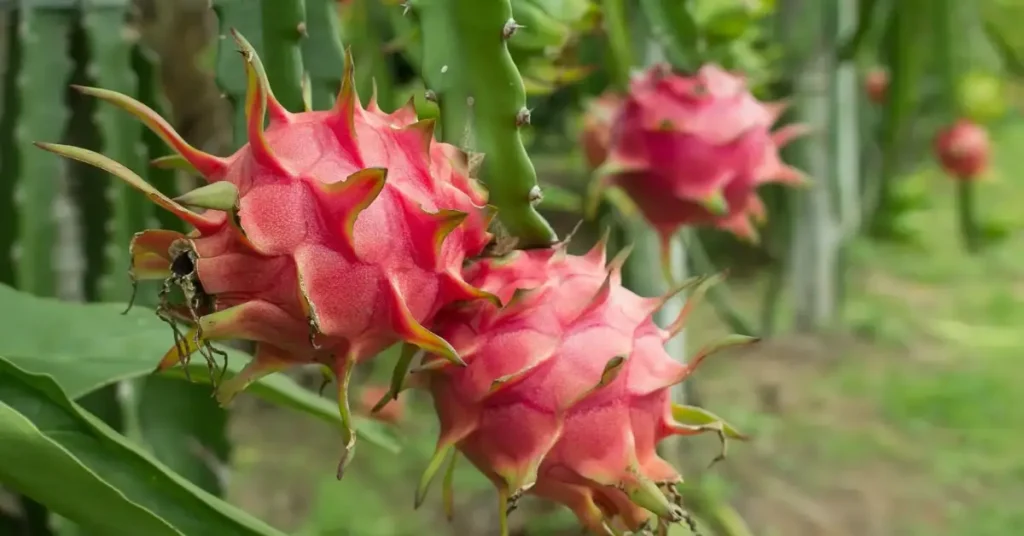
I still remember the first time I saw a dragon fruit plant up close — thick green stems climbing like vines, covered in tiny spikes, and those bold, otherworldly flowers that bloom for just one night. It looked almost impossible to grow at home. Everyone I asked said the same thing: “It’s a tropical cactus; it won’t survive here.”
When I finally decided to grow my own, it wasn’t perfect. My first cutting took weeks to show signs of life, and for a while I thought it wouldn’t root at all. But once I understood its rhythm — when to water, how much light it craved, how the stems behaved — it became one of the most rewarding plants I’ve ever grown.
If you’ve ever looked at a dragon fruit and thought, “I wish I could grow that here,” the good news is — you can. You don’t need a farm or greenhouse. You just need to understand the plant’s habits and give it a space where it can climb and breathe. In this guide, I’ll walk you through everything I’ve learned — from choosing the right cutting to hand-pollinating your first flowers — so you can enjoy those bright, sweet fruits right from your own home.
How to Grow Dragon Fruit at Home: Step-by-Step Guide for Beginners
Why Grow Dragon Fruit at Home?
The first time I saw a dragon fruit plant in person, I couldn’t believe it was real. The thick green stems looked more like a cactus from Arizona than something that could grow on a patio. But once I learned how it worked — a tropical cactus that climbs, flowers at night, and bears the brightest fruit you’ll ever see — I was hooked.
For me, growing dragon fruit at home isn’t just about the harvest. It’s about turning a small corner of your yard or balcony into something that feels alive and tropical — even if you live hundreds of miles from the coast.
The Exotic Appeal + Nutritional Perks of Dragon Fruit
Dragon fruit, or pitaya, is native to Central and South America and belongs to the cactus family. These days, it’s grown across Florida, California, and Hawaii — but you don’t need to live there to enjoy it.
Here’s why it’s worth growing your own:
- Rich in antioxidants and vitamin C, great for your skin and immunity.
- Loaded with fibre, which supports digestion and heart health.
- Hydrating and low in calories, making it perfect for summer snacking.
- Visually stunning — that bright pink skin and speckled white flesh always impress guests.
According to Wikipedia, the plant’s climbing stems and one-night blooms make it unique among home-grown fruits. Once you see those flowers open at midnight, you’ll understand why gardeners call it “the moonlight cactus.”
Why Home-Growing Makes Sense
Buying dragon fruit at a supermarket can feel like a luxury — and sometimes it is. The fruit often travels thousands of miles before it reaches your basket, which means it’s picked early and loses a lot of its natural sweetness along the way.
When you grow your own, everything changes:
- You control freshness: Harvest it when the fruit is fully ripe and fragrant.
- No chemicals or wax coatings: You know exactly what’s gone into your soil and water.
- It’s an adventure: Watching a cactus grow into a fruiting vine is one of the most rewarding experiences for any gardener.
Many guides skip over this “why” — but I’ve learned it’s what keeps you motivated during the slow months when your plant is still establishing roots.
Is It Realistic?
Absolutely. Whether you’re in California, Texas, Arizona, or Florida, you’ve already got the right climate for outdoor growing. If you’re in cooler states like Oregon or New York, you can still grow dragon fruit indoors or on a sunny patio — you just need to move it inside before the first frost.
Here’s how to make it work in almost any part of the U.S.:
- Use a large container (15–20 inches wide) with good drainage.
- Give it at least 6–8 hours of full sunlight each day.
- In colder regions, bring it indoors or into a heated greenhouse during winter. If you’re interested in more indoor-friendly fruiting plants, you can also explore how to grow citrus trees indoors — the same balance of sunlight, drainage, and patience applies beautifully to lemons and limes.
- Add a strong trellis or post to help the stems climb and prevent drooping.
Once your setup is right, the plant adapts fast — and you’ll be surprised how quickly those thick stems start producing blooms in late summer.
Understanding Dragon Fruit Basics – What You Need to Know Before You Start
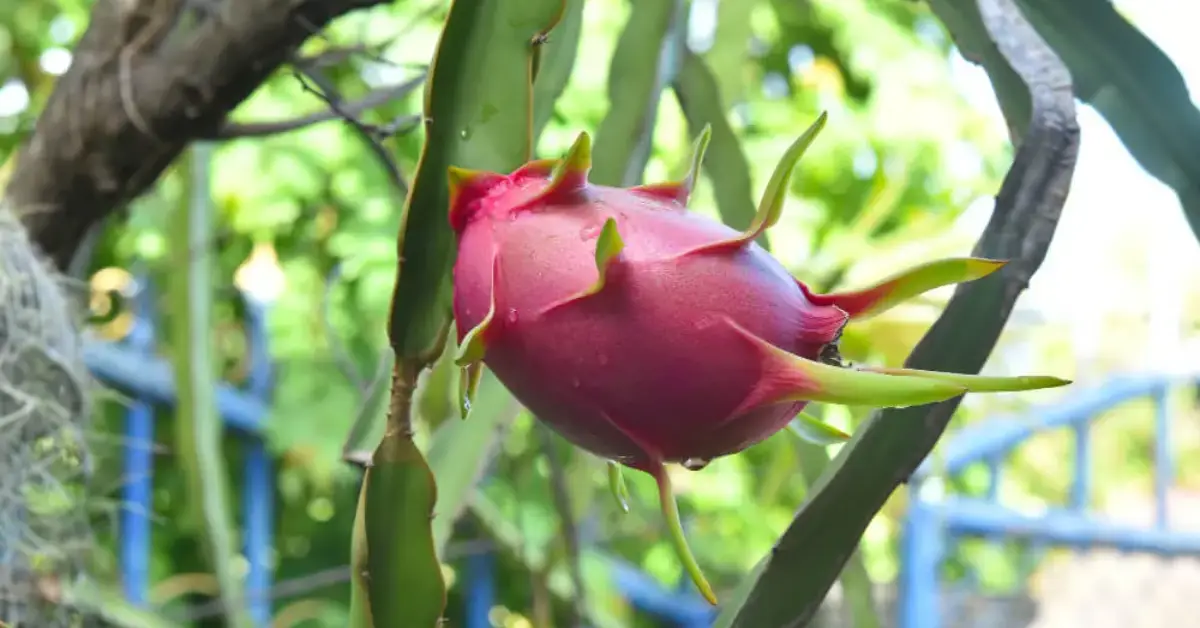
Before you rush to plant your first cutting, it’s worth knowing what you’re really growing. Dragon fruit isn’t a soft, leafy plant — it’s a climbing cactus that loves the sun and hates sitting in water. Treat it right, and it’ll reward you for years.
What Exactly Is Dragon Fruit
Dragon fruit comes from the Hylocereus genus — a cactus with long, triangular stems and aerial roots that cling to supports. Unlike succulents that sit still in pots, this plant wants to climb.
Here’s what you’ll notice once it starts growing:
- Waxy green stems that form thick, vertical arms.
- Large, white, night-blooming flowers that last only a few hours.
- Fruit formation within 30–50 days after pollination.
This isn’t your average potted plant — it’s a living sculpture that keeps changing through the seasons.
Ideal Climate, Sun Exposure & Temperature Range
From my own experience — and from growers I’ve followed online — dragon fruit loves warm, dry conditions and steady sunlight. The sweet spot is between 70 °F and 90 °F.
To keep yours happy:
- Give it at least six hours of direct sunlight daily.
- Use well-draining soil, not dense potting mix.
- Keep the soil slightly moist but never soggy.
- Protect it from frost, heavy rain, or strong winds.
Space & Support Requirements (Trellis, Container vs Ground)
Dragon fruit grows like a climber — it needs a place to grab onto. Without support, the stems bend, snap, or grow unevenly.
Here’s what’s worked for me and for gardeners :
- Container size: 15–20 inches wide, deep enough for solid roots.
- Support: Use a wooden post, metal pole, or trellis that’s 4–6 feet tall.
- Spacing: At least 2 feet between plants if you’re growing more than one.
- Drainage: Mix perlite or coarse sand into the soil to keep roots healthy.
Once the stems start climbing, you’ll see why support matters — it keeps them upright, encourages flowering, and makes your setup look neat instead of messy.
Step 1: Choosing the Right Plant Material or Variety
When I first started, I made the classic beginner mistake — I bought dragon fruit seeds online because they looked cheap and easy to ship. Six months later, I had little sprouts that refused to grow past two inches. That’s when I learned the most important lesson: what you start with decides how fast you’ll see fruit.
Seed vs Cutting — Which to Choose?
If you’re growing for fun and don’t mind waiting, seeds are fine. But if you actually want to see fruit within a few years, cuttings are the way to go.
Here’s the difference I’ve seen:
- Seeds: Can take 5–7 years to fruit. They’re slow, unpredictable, and rarely identical to the parent plant.
- Cuttings: Fruit in 1–3 years, stay true to the parent, and root faster.
According to The Spruce, most home growers prefer mature cuttings at least 12 inches long — these have stronger tissue and develop roots within weeks.
I always tell people: start with a cutting from a healthy plant. It saves time, frustration, and years of waiting.
Self-Pollinating vs Cross-Pollinating Varieties
When you’re growing dragon fruit at home, pollination matters more than you think. Some plants can pollinate themselves — meaning you’ll get fruit even with a single plant — while others need pollen from another variety.
- Self-pollinating (self-fertile): ‘American Beauty’ and ‘Vietnamese White’ — great for small gardens.
- Cross-pollinating: ‘Physical Graffiti’ and ‘Purple Haze’ — need two plants to produce fruit.
If you’re only growing one pot, make sure it’s self-pollinating. You’ll thank yourself later when those night blooms open and you don’t need to run around with a paintbrush at midnight.
Recommended Varieties for Container or Home Growing
For U.S. growers, a few varieties stand out for their adaptability and flavor:
- ‘American Beauty’ — compact and self-fertile, perfect for patios.
- ‘Sugar Dragon’ (Hylocereus guatemalensis) — small fruit but high yield.
- ‘Dark Star’ — vigorous grower with purple flesh.
- ‘Yellow Dragon’ (Selenicereus megalanthus) — sweetest flavor but needs warm conditions.
These varieties thrive in containers and can handle short cold spells if moved indoors. Most big-box nurseries now carry at least one of these types.
Where to Source Cuttings or Seeds Safely
For reliable cuttings, look for local nurseries or cactus growers. In the U.S., many enthusiasts trade cuttings through Facebook Marketplace or Etsy, but always check for reviews and disease-free roots.
Step 2: Preparing the Site or Container

When I first planted mine, I underestimated how much structure a dragon fruit plant needs. It’s a cactus, yes — but not the kind that sits quietly in a pot. It wants to climb, stretch, and take over whatever’s nearby. Setting up the right base early makes all the difference later.
Soil Type, Drainage, Potting Mix or Garden Soil
Dragon fruit hates sitting in wet soil. Think loose, airy, and well-draining, not muddy or compact. The goal is to mimic the sandy soils of Central America where it naturally grows.
From my own setup, this blend works beautifully:
- 40% high-quality cactus mix
- 25% perlite
- 20% sand
- 15% compost or organic matter
That advice alone saved me from soggy roots in my first season.
Container Size Recommendations + Support/Trellis Setup
A small pot won’t cut it. Dragon fruit roots need room to anchor, and the stems need something solid to climb.
Here’s what works best:
- Container size: At least 15–20 inches wide and deep enough to hold a 4–6-foot post.
- Trellis or support: A wooden post or metal pole, secured in the center of the pot.
- Structure: Add a cross-bar or ring on top for the stems to drape over as they mature.
Choosing a Location (Patio, Balcony, or Garden Bed)
If you live in a warm region like Florida, Texas, or southern California, you can grow dragon fruit outdoors year-round. In cooler areas, a sunny balcony or south-facing window works just as well.
Here’s what matters most:
- At least 6–8 hours of full sunlight daily.
- A spot protected from strong winds that could damage stems.
- Good air circulation to prevent fungal issues.
Pre-Planting Checklist
Before you plant, make sure you’ve got everything ready:
- Clean, dry pot with drainage holes.
- Pre-mixed soil ready for filling.
- Support post or trellis installed before adding soil.
- Watering can and gloves handy.
Once this setup is complete, you’re ready for the exciting part — planting your dragon fruit.
Step 3: Planting or Propagating Dragon Fruit
This is where things finally get exciting — when the plant in your hand turns into something alive in the soil. Whether you’re working with a cutting or trying seeds for the first time, the way you start will decide how well your dragon fruit adapts and grows.
How to Propagate from a Cutting (Steps, When, How to Root)
I’ve found that growing from a cutting is by far the fastest and most reliable method. It’s simple once you know the rhythm. Here’s what’s worked for me:
- Choose a healthy stem about 12–18 inches long with no soft spots.
- Let it dry for 3–5 days in a shaded area so the cut end can callous — this prevents rotting.
- Plant the cutting upright about 2–3 inches deep in moist, well-draining soil.
- Keep it lightly watered for the first two weeks — just enough to keep the soil slightly damp.
- Provide support early, even before roots fully form, so it doesn’t tip over.
According to The Koh Samui Guide, this “curing” step — drying before planting — is one of the biggest differences between success and failure for beginners. Once the roots take hold, new shoots appear within 3–4 weeks.
I usually start my cuttings in a smaller nursery pot and transfer them later to a larger container once I see visible root growth. It’s less stress on the plant and easier to manage watering.
How to Plant from Seed (If You Want to Experiment)
If you’re the curious type, growing from seed can be surprisingly fun — even though it’s slow. You’ll learn a lot about the plant’s growth pattern this way.
Here’s how to do it:
- Scoop out seeds from a ripe fruit and rinse them clean.
- Spread them on a paper towel and let them dry for a day.
- Sow them lightly on the surface of a cactus mix or seed-starting soil.
- Mist gently — don’t drench — and cover with a clear lid or plastic wrap to retain moisture.
- Keep it warm (around 75–85 °F) and bright, but out of direct sun.
I started one batch just for fun — most didn’t survive the winter, but two made it to their second year and became sturdy little plants.
Planting Depth, Spacing, Support Installation — Ground vs Pot
If you’re planting in the ground, make sure your soil drains fast — dragon fruit hates standing water. I always add a few inches of gravel or coarse sand at the bottom of the pit before planting.
For container growers:
- Keep your cutting 2–3 inches deep in the center of the pot.
- Compact the soil gently around the base to keep it stable.
- Add a sturdy trellis or post at the same time — never after the plant grows.
- Water sparingly the first week; too much moisture can kill new roots.
Ground planting gives stronger, faster growth, but pots are easier to move indoors during winter. Both work beautifully if drainage and sunlight are right.
First-Time Watering & Care After Planting
The biggest mistake I made early on was treating dragon fruit like a tropical flower — watering too often. It’s a cactus. After planting, it needs patience more than water.
Here’s what to do in the first few weeks:
- Mist lightly every few days if the soil feels dry.
- Avoid soaking until you see new green shoots.
- Keep it in partial sunlight for the first 10–12 days, then gradually move it to full sun.
- Don’t fertilize yet — wait until roots are established (about 4–6 weeks).
Once your cutting stands firm and starts producing new arms, that’s your cue that it’s settled in. From here on, it’s all about consistent care.
Step 4: Ongoing Care & Maintenance

Once your cutting has rooted and started climbing, this is where the real gardening begins. Dragon fruit isn’t a plant you can just “set and forget.” It needs rhythm — water, warmth, pruning, and a bit of attention when the weather turns strange.
Watering Schedule (What to Avoid: Over-watering / Root Rot)
The biggest killer of dragon fruit plants isn’t neglect — it’s kindness. Most beginners (including me, once) water too often. The roots prefer to dry slightly between waterings.
Here’s what’s worked for me:
- Spring & summer: Water deeply once a week if the top 2 inches of soil are dry.
- Fall & winter: Cut back drastically; maybe once every 2–3 weeks.
- Always check drainage. Water should never pool in the saucer.
I like to keep mine slightly on the dry side — dragon fruit forgives thirst but never drowning.
Fertilising & Nutrient Needs During Growth and Fruiting
Once your plant settles, it’ll grow fast. I feed mine lightly every 6–8 weeks from spring through late summer.
What works best:
- Balanced fertiliser (10-10-10) diluted to half-strength.
- Compost tea or worm castings once in early summer.
- Slow-release granules in large pots for steady feeding.
Don’t overdo nitrogen — too much green growth means fewer blooms. A touch of phosphorus helps flowering later in the season.
Pruning and Support Maintenance (Ensuring Light & Airflow)
By midsummer, the plant can look like a jungle. I prune mine twice a year — once in early spring and once after harvest — to keep it open and upright.
Tips that help:
- Remove weak or crossing stems that block light.
- Trim back long arms to encourage branching near the top.
- Disinfect pruning tools to prevent fungal spread.
- Re-tie new shoots to the trellis as they grow heavier.
Pruning feels scary the first time, but trust me — dragon fruit loves a haircut. It redirects energy to stronger stems and flowering points.
Dealing with Pests & Diseases (Common Issues at Home)
You won’t see many pests, but they do appear occasionally:
- Mealybugs or scale: wipe off with neem-oil spray.
- Aphids: rinse off with mild soapy water.
- Snails or slugs: protect pots with copper tape or sand barriers.
- Fungal spots: usually from poor airflow; prune and treat with sulfur spray.
I check mine once a week. Catching problems early is far easier than treating a full infestation.
Seasonal Care
If you live in warm regions like Florida, southern Texas, or coastal California, you can grow dragon fruit outdoors year-round. For cooler zones, just a few tweaks make all the difference:
- Winter: Move containers indoors or into a greenhouse before temps drop below 40 °F.
- Spring: Gradually reintroduce to full sun to avoid leaf burn.
- Fall: Reduce watering and feeding as growth slows.
- Storm season: Secure tall plants — strong winds can snap stems easily.
This seasonal rhythm keeps your plant stress-free and productive. Once you understand its cycle, dragon fruit becomes one of the easiest exotic fruits you can grow in an American backyard.
Step 5: Pollination & Harvesting
The first time my dragon fruit bloomed, I almost missed it. The flowers opened after sunset — huge, white, and fragrant — and by sunrise, they were gone. I didn’t realize then that those few night hours were my only chance to pollinate them. If you’ve ever woken up to wilted flowers and no fruit, you know the feeling.
When and How to Hand-Pollinate (for Non Self-Fertile Types)
Some dragon fruit varieties can pollinate themselves, but others need help — especially if you’re growing just one plant. Hand-pollination is easy once you know what to look for.
Here’s how I do it:
- Check for blooms after sunset. Flowers usually open between 8 p.m. and midnight.
- Use a small brush or cotton swab to collect pollen from the yellow stamens.
- Gently dab that pollen onto the sticky stigma in the center of the same or another flower.
- Mark pollinated flowers with a small tie so you can track fruiting later.
If your plant is self-pollinating, it’ll do most of the work itself — but I still hand-pollinate when I can. It increases fruit size and consistency.
How to Know When Fruit Is Ready to Pick (Color, Twist Test)
Once pollinated, the flowers dry up and small green fruits start forming. Watching them ripen is honestly the most satisfying part of the process.
You’ll know it’s time to harvest when:
- The skin turns bright pink, red, or yellow, depending on the variety.
- The “wings” on the fruit edges start curling slightly.
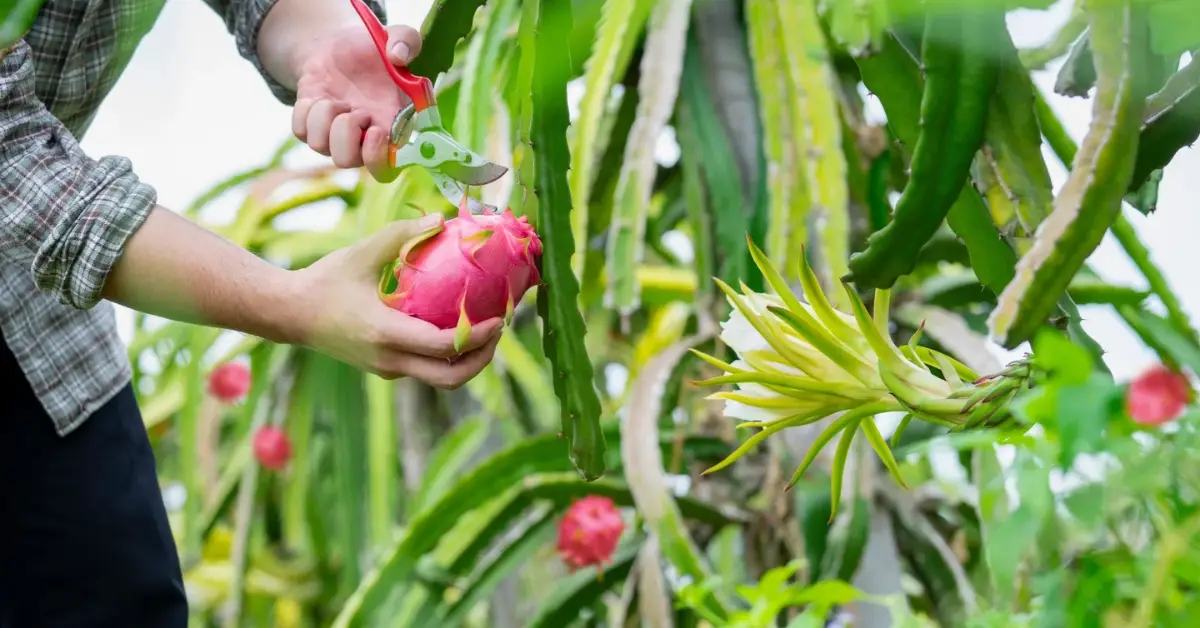
- When you twist the fruit gently, it detaches easily from the stem.
According to Grow Plant, most dragon fruit varieties ripen 30–50 days after flowering. If you pick too early, the flavor will be bland; too late, and it starts to split.
I like to test one fruit first — slice it open, taste it, and use that as my cue for the rest. If you enjoy learning the right way to pick your fruits at peak flavor, you might also like my detailed guide on how to harvest eggplant the right way, where I share simple timing and cutting tips every beginner should know.
Harvest Tips and Post-Harvest Storage for Home Growers
Harvesting is simple — just twist or snip the fruit with garden shears, leaving a short stem attached. Handle them gently; the skin bruises easily.
Here’s how to make them last:
- Store at room temperature for up to 3–4 days.
- In the fridge, they keep for a week or more.
- For smoothies, freeze the pulp — it keeps flavor and color beautifully.
If you’re growing multiple varieties, label your fruits — you’ll quickly find favorites for sweetness and texture.
Troubleshooting: No Flowers or No Fruit Setting (Why and Remedies)
If your plant is healthy but not blooming, it’s often one of these reasons:
- Too much nitrogen: lots of green stems but no flowers.
- Lack of sunlight: less than 6 hours a day slows flowering.
- Young plant: cuttings usually bloom only in their second year.
- No pollination: flowers opened but didn’t get pollen in time.
To fix this:
- Move the plant to a sunnier spot.
- Prune older stems to encourage new growth.
- Switch to a fertilizer with more phosphorus (like 5-10-10).
- If pollination fails, hand-pollinate or add a second variety nearby.
Once you get your first few fruits, the plant tends to become more productive each season — mine doubled its yield in the second year alone.
Bonus Tips & Mistakes to Avoid
3 How to
After years of growing dragon fruit in containers and garden beds, I’ve learned that success isn’t just about planting right — it’s about adapting. Every setup, every season, and every small space teaches you something new.
Space-Saving Balcony Hacks (Container, Vertical Trellis, Pot Size)
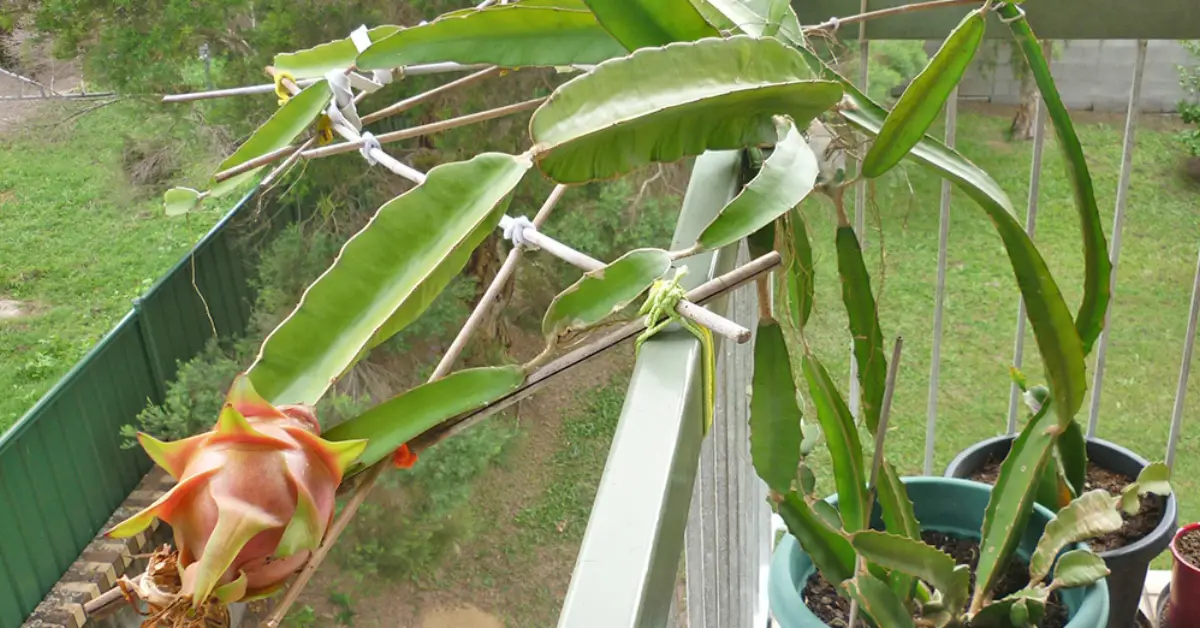
If you’re short on space, don’t worry — dragon fruit is surprisingly flexible. I’ve grown mine on a balcony using a simple vertical trellis and a single large pot.
Here’s what works best for small spaces:
- Use deep, wide pots — at least 18–20 inches across — so roots can spread.
- Install a central support pole early, then tie the stems as they climb.
- Add a circular frame or wire hoop at the top to let the stems cascade.
- Keep your setup close to a south-facing window or wall for maximum light.
It’s a stunning sight — the stems curling upward, the occasional flower opening under string lights, and a few fruits hanging down like ornaments.
Mistakes Beginners Make (Over-watering, Wrong Support, Poor Light)
Everyone makes mistakes — I’ve made plenty myself. These are the most common ones I see beginners struggle with:
- Over-watering: It’s a cactus; treat it like one. Let the soil dry before watering again.
- No support early on: Without a trellis, stems bend and break easily.
- Low light: Indoors near a shaded window won’t work — dragon fruit needs real sunlight.
- Too much fertilizer: It leads to thick stems but no flowers.
The good news? Every mistake teaches you something, and dragon fruit is incredibly forgiving once it’s established.
Creative & Fun Uses of Dragon Fruit at Home (Flower, Fruit, Ornamental)
What I love about this plant is how versatile it is. Even if you never get a huge harvest, it still brings life to your space.
Some fun ways to use it:
- Decorative centerpiece: The thick stems and occasional flowers look exotic on patios.
- Home-made smoothies: The fruit blends perfectly with banana, pineapple, or mint.
- Infused water or cocktails: Its natural color adds flair without artificial dyes.
- Flower display: The giant white blooms make beautiful short-lived floral moments — they last only a night, but it’s worth staying up to see.
Adding a bit of creativity keeps your gardening experience fresh, not just functional. And if you love experimenting with bold, colorful plants that bring joy to your garden, don’t miss my easy guide on how to grow pumpkins at home — another fun, rewarding crop that thrives with the same hands-on care.
When to Upgrade to a Bigger Support or Convert to Ground Planting
Dragon fruit grows fast — much faster than you expect. By the second or third year, you’ll notice the stems getting heavier, and that’s your cue to upgrade.
Here’s how I plan it:
- If the plant looks top-heavy or leans, move it to a bigger pot (24 inches or more).
- Strengthen the trellis or add a top ring for stability.
- If you have yard space, transfer to the ground — it’ll reward you with more fruit and stronger growth.
- Always prune lightly before repotting to reduce stress.
Once the roots spread deeper, the plant stabilizes and produces thicker, more productive branches year after year.
What to Expect Timeline-wise (Realistic for Beginners)
I wish someone had told me this when I started — dragon fruit takes time. It’s not a plant for quick results, but the payoff is worth every season of waiting.
From Planting/Cutting to First Harvest — Realistic Timeframe
From a cutting, you can expect your first flowers in about 1–2 years, and fruit shortly after that. If you started from seed, patience is key — it can take 5–7 years before you see a single fruit.
I’ve found that once the plant starts producing, it keeps improving with age. Each season brings more flowers and bigger fruit.
Growth Milestones — First Year, Second Year, Mature Stage
Here’s a quick look at how your dragon fruit typically develops:
- Year 1: Roots establish; expect slow growth and no blooms yet.
- Year 2: New arms grow thicker; first flowers may appear in late summer.
- Year 3 onward: Full maturity; multiple flushes of flowers and fruit per year if the climate is warm.
By year three, my plant had climbed over six feet high and produced a dozen fruits in one season. Once that happens, it just keeps giving.
Yield Expectations for Home Growers (Container vs Ground)
Every setup is different, but here’s what’s realistic:
- Container plants: 3–6 fruits per year in the early stage, increasing over time.
- Ground-grown plants: 10–30 fruits per season once mature, depending on variety and care.
It’s easy to get impatient, but dragon fruit rewards consistency. The longer you nurture it, the more it gives back — and few things feel better than harvesting a fruit you grew from a single cutting on your own.
Conclusion: Growing Dragon Fruit at Home Is Easier Than You Think
When I started my first dragon fruit plant, I had no idea how much joy a single cutting could bring. Watching it climb, bloom, and finally produce its first fruit felt like growing a piece of the tropics right at home.
You don’t need fancy equipment or a perfect climate — just a bit of sunlight, patience, and curiosity. Once you understand how this cactus works, it almost takes care of itself. Every flower that opens at night, every fruit that ripens in your hands — it all reminds you why gardening feels so good.
So, if you’ve been thinking about growing dragon fruit, start now. One cutting, one pot, and a little daily care can turn into something beautiful — and delicious — before you know it.
Have you tried growing dragon fruit before? What tricks or challenges have you discovered along the way? Share your experience in the comments below — I’d love to hear your story and what’s worked best for you!
For more hands-on gardening guides, natural care tips, and real grower experiences, visit Plant Care Dairy — your daily source for easy, practical plant wisdom.
Disclaimer: The information shared in this article is based on personal experience and general gardening knowledge. Growing results may vary depending on your local climate, soil type, and care routine. Always research plant care suited to your region before applying any method.