
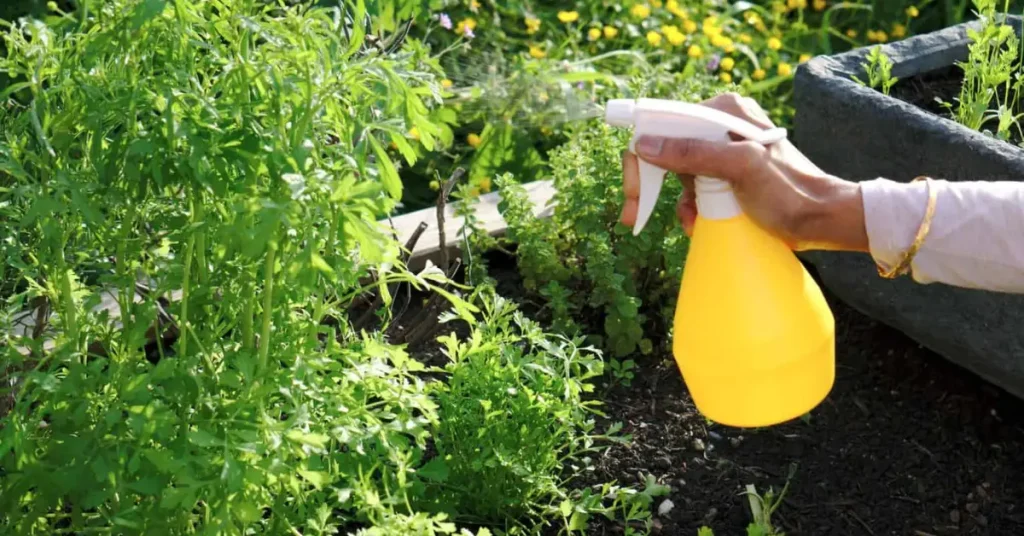
I still remember the first time I spotted that strange white dust on my tomato leaves. At first, I thought it was just soil or pollen. A few days later, the leaves began to curl, turn yellow, and fall off. That’s when I learned the hard way that fungus doesn’t wait — it spreads quietly, fast, and without mercy.
Like many home gardeners, my first instinct was to search for a quick fix. Every site had a “miracle” homemade spray: baking soda, vinegar, milk, neem oil — each claiming to be the safest, most effective solution. But when I tried a few, some worked, some burned my plants, and one even made the leaves sticky and weak. That’s when I realized something most guides don’t tell you — not all “natural” fungicides are harmless.
If you’ve ever lost a healthy plant to mold, mildew, or that mysterious brown spot that seems to grow overnight, I know the frustration. You want something that actually works, not another vague recipe copied across the internet. You want to understand why these homemade mixes work — and when they don’t.
In this guide, I’ll share what I’ve learned after years of trial, error, and digging into research from trusted agricultural experts. We’ll break down what causes fungal problems, which DIY fungicides truly help, and which ones can quietly ruin your plants. My goal is simple: by the end, you’ll be able to look at a leaf and know exactly what to do — safely, confidently, and without wasting another season on guesswork.
What’s been your biggest struggle with plant fungus — spotting it too late, or finding something that actually cures it?
What Causes Fungal Infections in Your Garden
I’ve learned that fungal problems don’t appear overnight — they build up quietly from small habits we often overlook. Most garden fungi spread through microscopic spores that travel in air, cling to your clothes, or hitch a ride on watering cans and garden tools. Once those spores land on a warm, damp surface, they do exactly what nature designed them to do — grow fast.
The main triggers I’ve seen over the years are simple but sneaky:
- Excess moisture: Overwatering or constant misting keeps leaves wet, creating the perfect fungal playground.
- Poor airflow: Plants packed too closely together trap humidity and prevent leaves from drying properly.
- Warm, still air: Hot days with no wind are an open invitation for spores to spread.
- Contaminated soil or tools: Fungus can survive on pruners, gloves, or even the rim of your pot for weeks.
Common culprits like powdery mildew, leaf spot, and black mold thrive under these exact conditions. Powdery mildew usually shows up first — that chalky white layer that looks harmless until it spreads. Leaf spot follows with brown or black specks that slowly eat away at the green, and black mold often takes over when sugary plant sap or honeydew is left behind.
Once you know what fuels fungal growth, you start to realize prevention isn’t about magic sprays — it’s about balance. I always tell fellow gardeners: control the moisture, let your plants breathe, and clean your tools as often as you water. That alone can stop half your fungal problems before they start.
For more detailed information on how fungal spores develop, you can check resources like the University of Florida’s Gardening Solutions guide.
The Real Benefits (and Myths) of Homemade Fungicides
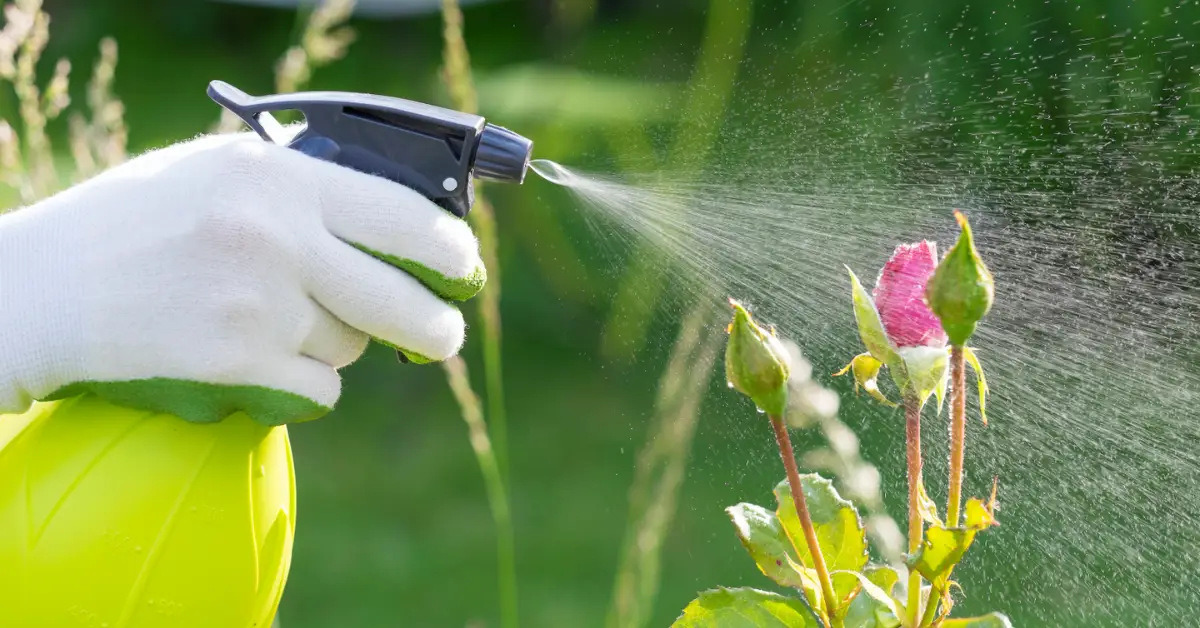
When I first started making my own fungicide sprays, it was out of frustration — store-bought bottles were expensive, and I didn’t like the chemical smell hanging in the air after every use. Over time, I realised that homemade fungicides have their own set of benefits — and a few myths we need to clear up.
Here’s why many gardeners, including me, go the DIY route:
- Cost-effective: Most ingredients — baking soda, neem oil, milk, or vinegar — are already sitting in your kitchen.
- Eco-friendly: You avoid synthetic chemicals that can seep into the soil or harm pollinators.
- Control over strength: You can adjust ratios for delicate plants or heavy infestations.
- No harsh residues: Natural ingredients usually break down quickly, reducing long-term soil buildup.
But here’s the truth few mention online — “homemade” doesn’t automatically mean “safe.” A strong vinegar or baking soda mix can burn leaves as easily as a chemical spray if overused. Some combinations, like mixing oil and soap incorrectly, can block plant pores or leave residues that attract even more fungus.
If you’ve ever compared your kitchen mix with brands like Safer Garden Fungicide or Bonide Copper Spray, you’ve probably noticed how much milder your solution feels — that’s both good and bad. Commercial products are tested for stability, consistency, and storage life; your homemade one isn’t. The key is knowing when to use a mild homemade spray for prevention, and when to rely on a tested product for severe infections.
So, while going natural feels right — and often is — it still needs the same respect and precision you’d give any chemical product. The goal isn’t just “DIY because it’s cheap,” but DIY done smart, where you understand both the benefits and the boundaries.
What’s your experience been so far — have your homemade mixes helped more than the store ones, or left you with mixed results?
How Common Ingredients Actually Work (or Don’t)
After experimenting for years — and making more mistakes than I care to admit — I realized that every homemade fungicide ingredient works (or fails) for a scientific reason. It’s not magic; it’s chemistry and biology working quietly on your plant’s surface.
Here’s what’s really happening behind the scenes:
- Baking soda (sodium bicarbonate): It changes the leaf’s surface pH, creating an environment where fungal spores can’t germinate. When you spray a diluted mix, it makes the surface slightly alkaline, disrupting the fungus’s ability to grow and reproduce. But go too heavy, and it burns leaves instead of saving them.
- Neem oil: This one’s a multitasker. The oil forms a thin coating on leaves, which blocks fungal spore germination and suffocates insects hiding under foliage. The active compound, azadirachtin, interferes with fungal cell development. That’s why neem is often part of integrated pest management programs — it targets both pests and diseases at once.
- Milk: Surprisingly effective, milk works through beneficial microbes and enzymes. When exposed to sunlight, compounds in milk help produce oxygen radicals that can inhibit fungal growth. It’s gentle enough for roses, tomatoes, and even cucumbers if used correctly.
- Vinegar and cinnamon: Both have antifungal properties, but their acidity and potency can be risky. Vinegar can alter the soil pH if overused, and cinnamon works best as a mild surface treatment for seedlings to prevent damping-off.
Think of it this way: these sprays don’t “kill” fungus the way chemical fungicides do — they create unfavorable conditions for it to thrive. The science lies in moderation and timing, not just mixing ingredients together.
5 DIY Fungicide Sprays That Gardeners Swear By
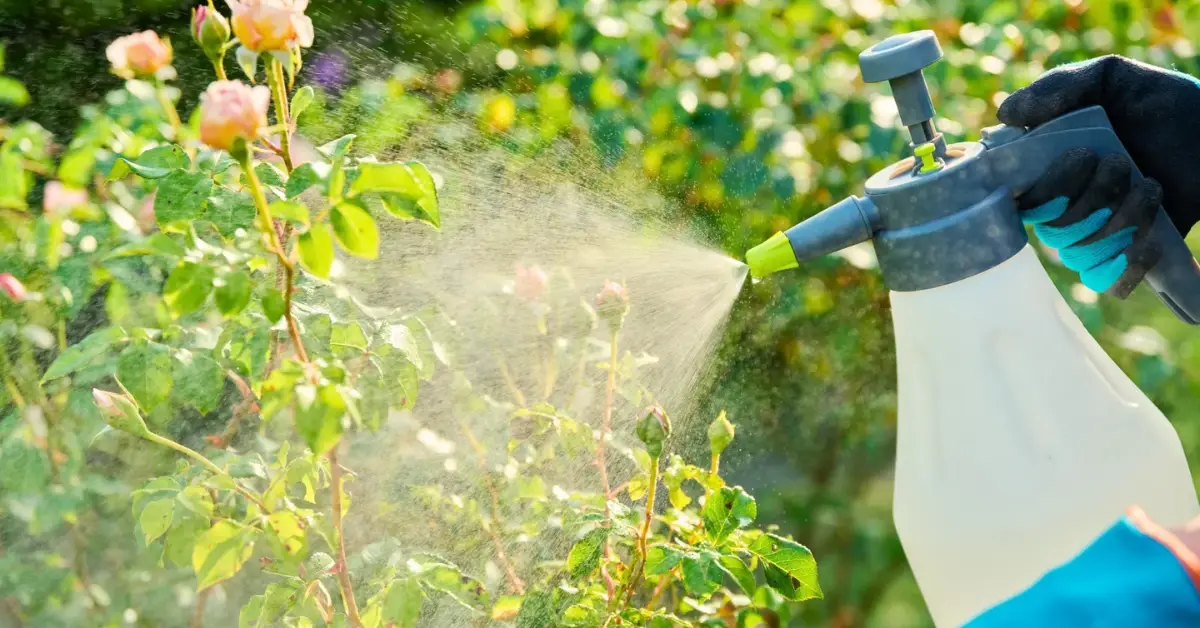
Through years of trial, community advice, and field testing, a few homemade mixtures consistently deliver results. Here are the ones worth keeping in your gardening notebook:
1. Baking Soda & Soap Spray
- Mix: 1 tablespoon baking soda + 1 teaspoon mild liquid soap (not detergent) in 1 litre of water.
- Use for: Powdery mildew on roses, zucchini, or cucumbers.
- Best time: Early morning before sun intensifies.
Tip: Avoid overuse; it can dry out foliage.
2. Milk Spray (1:9 Dilution)
- Mix: 1 part milk to 9 parts water.
- Use for: Black spot and powdery mildew on roses and tomatoes.
- Best time: Morning application for good drying.
Tip: Works best in sunny conditions — light helps activate milk enzymes. If you’d like a step-by-step guide on using milk spray safely and effectively, you can read our full article on how to use milk spray to stop powdery mildew naturally, which breaks down the right ratios and best times to apply it.
3. Neem Oil Solution (2%)
- Mix: 2 teaspoons neem oil + 1 teaspoon mild soap in 1 litre of water.
- Use for: Fungal leaf spots, mold, and pest prevention.
- Best time: Late evening to avoid sunlight burn.
Tip: Shake before each use; oil separates quickly.
4. Apple Cider Vinegar Mix
- Mix: 1 tablespoon apple cider vinegar in 1 litre of water.
- Use for: Powdery mildew on herbs and ornamental plants.
- Best time: Morning or after sunset.
Tip: Avoid weekly use — vinegar can make soil too acidic over time.
5. Cinnamon + Water for Seedlings
- Mix: 1 teaspoon ground cinnamon in 500 ml of warm water, steep for 12 hours, strain, and spray.
- Use for: Damping-off disease in young seedlings.
- Best time: Early morning light mist.
Tip: This is a preventative, not a cure. Use before symptoms appear.
Each of these sprays has its place — none are miracle solutions, but when used thoughtfully, they can stop fungus before it takes over.
The Spruce’s research-backed guide on natural fungicides and houseplant care .
7 DIY Fungicide Fails That Can Harm Your Plants
Over the years, I’ve learned that the difference between helping your plants and harming them often comes down to what you don’t do. These are the seven biggest DIY mistakes I’ve seen gardeners make — and how to avoid them:
- Overuse causing leaf burn: More isn’t better. Strong concentrations dry out or scorch foliage.
- Spraying under direct sunlight: Sunlight plus oil or baking soda equals leaf damage. Always spray early or late.
- Wrong dilution ratios: Eyeballing instead of measuring can ruin delicate leaves.
- Mixing incompatible substances: Never combine vinegar and oil — it creates a harmful emulsion.
- Spraying sensitive plants: Succulents, ferns, and orchids react poorly to acidic or oily solutions.
- Reusing old mixtures: Homemade sprays lose effectiveness after 24–48 hours. Fresh batches work best.
- Misdiagnosing the problem: Fungal sprays won’t help bacterial issues or insect infestations — always confirm before treatment.
If you notice webbing or clusters of leaf damage instead of fungal spots, it might be pests like bagworms — here’s a detailed guide on how to get rid of bagworms naturally without harsh chemicals.
Most DIY mishaps happen not from bad recipes but from good intentions mixed with impatience. If you take one thing from this, let it be this: precision matters as much as passion.
What’s one DIY mix you’ve tried that worked surprisingly well — or completely backfired?
How Often (and How Long) to Use Homemade Fungicides
If there’s one thing most gardeners ask me after trying a homemade spray, it’s this: “How often should I use it?” The answer depends less on the recipe and more on the condition of your plants and the weather.
For mild infections or early prevention, I’ve found that spraying once every 7–10 days works best. It gives plants enough time to recover between treatments without overloading them. If you’re dealing with active fungus, you can spray every 5–7 days, but always watch for any signs of leaf burn or dullness — that’s your cue to stop.
Storage is where most DIY gardeners go wrong. Homemade mixtures don’t contain stabilizers or preservatives, so they degrade quickly. Keep your solution in a cool, dark place, or better yet, refrigerate it for no longer than 24–48 hours. Anything beyond that loses its potency or starts fermenting — especially milk-based sprays.
A few safety reminders I always follow:
- Avoid spraying near pets or children. Even natural ingredients like neem or vinegar can irritate skin and eyes.
- Don’t spray edible leaves right before harvest. Give your plants at least 2–3 days before picking to ensure any residue breaks down.
- Always label your spray bottles — it’s easy to mix up formulas if you’re using several solutions.
And if you’ve started noticing tiny holes or speckled damage after spraying, it’s worth checking whether it’s fungus or insect activity — our quick guide on what tiny holes in plant leaves really mean can help you identify the real cause.
Ingredients That Do More Harm Than Good
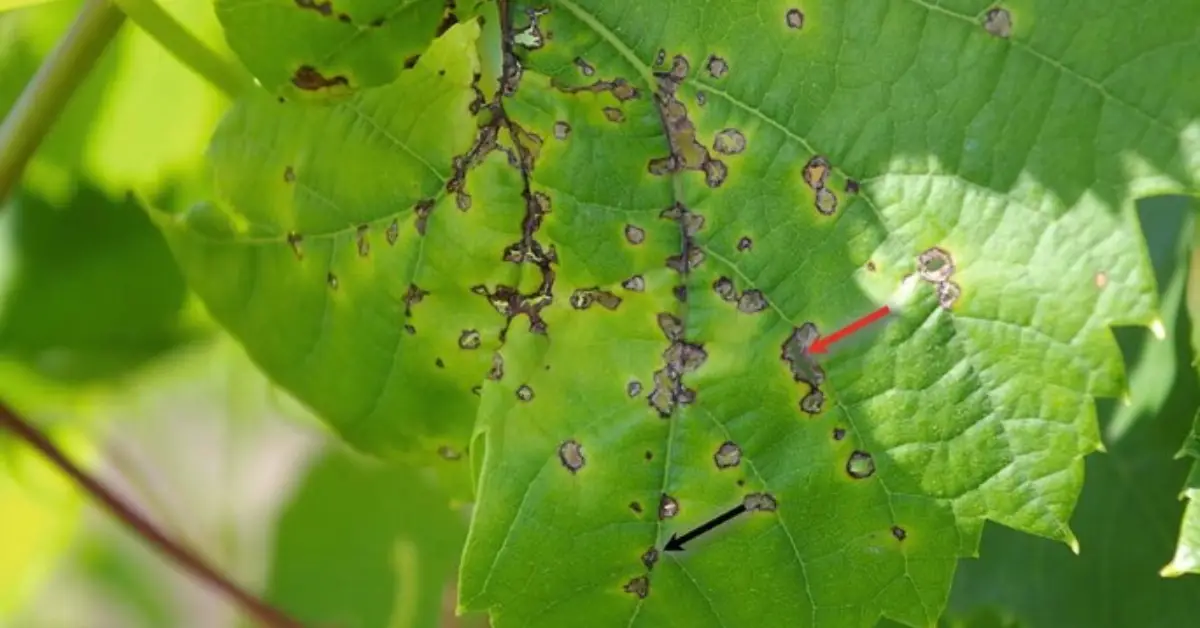
In the rush to go “all natural,” I’ve seen some truly dangerous advice online — from using bleach sprays to dumping saltwater on soil. These viral hacks might look clever, but they can quietly destroy your plants’ protective layers or kill helpful soil microbes.
Here are the worst offenders:
- Alcohol: Kills fungus but also strips the wax coating on leaves, leaving them prone to dehydration.
- Bleach: Far too harsh — it burns leaf tissue instantly and damages roots through runoff.
- Hydrogen peroxide: Safe in tiny doses but commonly overused. High concentrations bleach the leaf surface and sterilize the soil, killing beneficial organisms.
- Saltwater: A complete myth. Salt accumulates in soil and dehydrates roots beyond recovery.
These substances alter soil pH, scorch leaf tissue, and can even leach into nearby healthy plants. The damage might not show up immediately, but over a few weeks, you’ll start to notice limp, yellowing leaves and weak growth.
The takeaway? When in doubt, skip the “hack” and choose a recipe tested by gardeners, not influencers.
Are Homemade Fungicides Truly Safe for the Environment?
It’s easy to assume that if something is homemade, it must be eco-friendly. But that’s not always true. The ingredients might be natural, but their impact depends on how, where, and how often they’re used.
For example, neem oil runoff can coat soil surfaces and affect soil respiration if overapplied. Vinegar sprays can acidify garden beds over time, making it harder for worms and microbes to survive. Even something as mild as baking soda, when used excessively, can raise soil sodium levels.
Pollinators, too, can be indirectly affected when plants are sprayed during active hours. Bees and butterflies land on treated leaves or flowers, picking up residues that may interfere with feeding or reproduction. That’s why I always recommend spraying in the evening, once pollinators have retreated.
If you want to stay on the safe side, look for eco-certified ingredients or organic alternatives that carry recognisable labels, like the EPA Safer Choice mark. It ensures the product meets environmental safety standards while remaining effective for pest or fungus control.
To learn more about eco-certified gardening solutions, visit the official EPA Safer Choice page.
Natural gardening isn’t just about skipping chemicals — it’s about respecting the balance of your ecosystem. When you understand that, every spray becomes a choice not just for your plants, but for everything living around them.
What’s your biggest worry when using DIY sprays — damaging your plants or hurting the environment?
Balancing Effectiveness, Safety, and Simplicity
After everything I’ve learned — and tested — one truth stands out: the best fungicide isn’t the strongest, it’s the smartest. Whether you mix your own or buy a store brand, it comes down to balance.
Here’s what I always remind myself before reaching for the spray bottle:
Do:
- Use fresh, well-measured mixtures.
- Spray early in the morning or after sunset.
- Clean your tools regularly to prevent re-infection.
- Watch your plants closely — adjust, don’t repeat blindly.
Don’t:
- Overdose your plants “just to be safe.”
- Mix incompatible ingredients or follow unverified online hacks.
- Store homemade sprays beyond 48 hours.
- Assume “natural” automatically means harmless.
Go DIY when you want gentle, preventive care — like keeping mildew at bay on herbs or flowers. But when you’re fighting an aggressive outbreak on crops or ornamentals, it’s wiser to choose a tested, labeled fungicide that has data to back up its safety and efficiency.
At the end of the day, your goal isn’t to coat your garden in mixtures — it’s to help plants stay resilient with minimal interference. The more you understand their rhythm, the less you’ll need to intervene at all.
Have you found your go-to homemade recipe that actually works? Share it in the comments below — your experience might help another gardener save their plants.
For more hands-on plant care guides, natural remedies, and gardening insights, visit Plant Care Dairy— where practical gardening meets real experience.
Disclaimer: The information shared in this article is for educational and home-gardening purposes only. Always test any homemade fungicide on a small portion of the plant before wider use. Results can vary depending on plant type, concentration, and environmental conditions. Plant Care Dairy does not take responsibility for any damage caused by misuse or incorrect application of the mentioned solutions.