
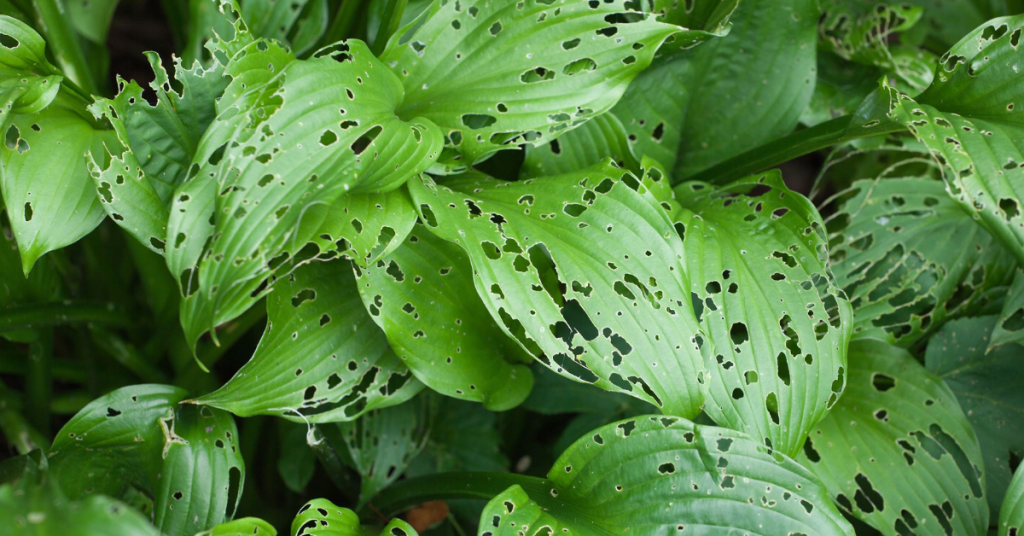
Have you ever noticed tiny holes appearing in the leaves of your plants and wondered what’s causing them? You’re not alone—this is a common issue many gardeners face, both indoors and outdoors. Whether it’s your favorite houseplant or a lush garden plant, discovering these small but concerning holes can leave you scratching your head.
But don’t worry, it’s not the end of the world. In fact, there are several reasons why these holes show up, and most of them are fixable. From pesky insects to environmental stress, understanding the root cause is the first step toward saving your plants.
In this article, I’ll walk you through what might be causing those mysterious holes and share practical solutions that you can easily implement. So, if you’re ready to get your plants back to their healthy, thriving state, keep reading—let’s dig into it!
Understanding the Cause of Tiny Holes in Plant Leaves
You’ve probably noticed those tiny holes on your plants and wondered what could be causing them. It’s easy to jump to conclusions, but the truth is that there are several potential culprits. The good news? Once you identify the cause, you can take steps to fix it. Let’s break down some common reasons why your plant leaves might have tiny holes.
Environmental Factors
First, consider the environment your plants are in. Plants, like people, have their preferences when it comes to living conditions. If your plant is exposed to water stress, lack of humidity, or sudden temperature fluctuations, it can cause the leaves to develop holes.
- Water Stress: Both overwatering and underwatering can stress a plant, leading to damaged leaves. A plant might start to show signs of stress if the roots aren’t getting the moisture they need or if there’s too much water sitting around.
- Lack of Humidity: Many plants, especially tropical ones, thrive in higher humidity levels. If the air in your home is too dry, especially in winter, it can lead to leaf damage.
- Temperature Fluctuations: If your plant is moved from a cool to a hot environment—or vice versa—it can get shocked, leading to holes or other signs of distress.
If you’re growing plants in an area with changing seasons or indoors where the climate can be controlled, understanding these environmental causes helps you maintain a stable environment for your plants.
Common Insect Pests
One of the most common causes of holes in plant leaves is insect pests. These pests love munching on the tender leaves of plants, leaving behind small, irregular holes that might not be immediately noticeable but grow over time.
- Aphids: Tiny and often hard to spot, aphids are notorious for sucking the juice out of plants. The result? Yellowing leaves and tiny holes.
- Spider Mites: These microscopic pests leave fine webbing on the leaves and small punctures where they’ve been feeding. If you see webbing, there’s a good chance spider mites are to blame.
- Caterpillars: If you’ve noticed bigger holes, especially in outdoor plants, caterpillars might be feasting on your plants.
- Slugs: If your plant is in a damp area, slugs might be the culprits. They leave behind irregular holes and a slimy trail.
Identifying the pest is the key to treatment. Whether you go for natural remedies like neem oil or chemical solutions, knowing what’s causing the problem helps you find the right solution.
If you’re dealing with pests that are difficult to identify, such as flying termites or their lookalikes, it’s essential to spot the difference to prevent further damage. Learn how to tell the difference between flying termites and other garden pests in our guide on How to Identify Flying Termite Lookalikes in Your Garden.
Learn more about insect pests and how to handle them at Gardening Know How.
Fungal & Bacterial Infections

Lastly, fungal and bacterial infections are another common reason for holes in plant leaves. These infections often start as small spots on the leaves that eventually turn into larger holes. Fungi thrive in damp conditions, while bacteria spread through cuts or wounds on the plant.
- Fungal Infections: These typically show up as dark, moist patches or powdery spots. Over time, the infection can spread, causing holes in the leaves.
- Bacterial Infections: These can result in soft, decaying tissue that eventually forms holes. You may notice a bad odor or the plant weakening as the infection takes hold.
Fungal and bacterial issues are serious and can spread quickly. If left untreated, they might kill the plant. Getting on top of these issues early by using fungicides or bactericides can save your plant from further harm.
Identifying the Type of Pest or Infection
Identifying the exact cause of tiny holes in your plant leaves can be tricky. Is it a pesky pest, or is your plant struggling with a fungal or bacterial infection? Narrowing down the possibilities will help you figure out the next steps and choose the right treatment. Let’s break it down:
Common Pests (Aphids, Spider Mites, etc.)
When it comes to pests, aphids, spider mites, and a few others are the usual suspects behind those small holes in plant leaves. These pests tend to attack the leaves, leaving behind some telltale signs that will help you identify the problem.
- Symptoms:
- Sticky Residue: Aphids excrete a sugary substance called “honeydew,” which sticks to the plant, making the leaves appear shiny or sticky.
- Webs: Spider mites create fine webs on the underside of leaves, which you may notice before the holes develop. The presence of webs usually signals an infestation.
- Distorted Leaves: If the leaves appear curled, deformed, or yellowing, it’s a sign that pests like aphids are sucking the plant’s juices, weakening it over time.
By recognizing these signs, you can differentiate between pests and other causes of plant damage. Once you identify the pests, you can act quickly to stop them from doing further harm.
How to Recognize Fungal and Bacterial Issues
If pests aren’t the cause, fungal and bacterial infections might be at fault. These issues are often harder to spot early, but knowing the symptoms can help you identify them before they become too severe.
- Symptoms:
- Discoloration: Fungal and bacterial infections often start as dark or irregular spots on the leaves. If you see blotches or uneven color, it could be a sign of infection.
- Mold: A white or greyish mold-like substance on the plant can point to fungal issues, often caused by excess moisture or humidity.
- Soft Spots: If parts of the leaf become soft, mushy, or waterlogged, it’s likely a bacterial infection at work, often with a foul smell.
Understanding the difference between pests and infections helps you choose the right treatment. Pests can typically be controlled with sprays or traps, while fungal and bacterial problems might require specific treatments like fungicides or sterilizing tools to prevent spread.
Identifying whether your plant’s issue is due to pests or infections is crucial in treating it correctly. Don’t panic—whether it’s a simple bug infestation or a more serious infection, you’ve got this! Just take the time to look for the signs and act accordingly.
For more on common plant pests and how to identify them, check out Corry’s for in-depth pest identification.
Effective Solutions for Treating Tiny Holes in Plant Leaves
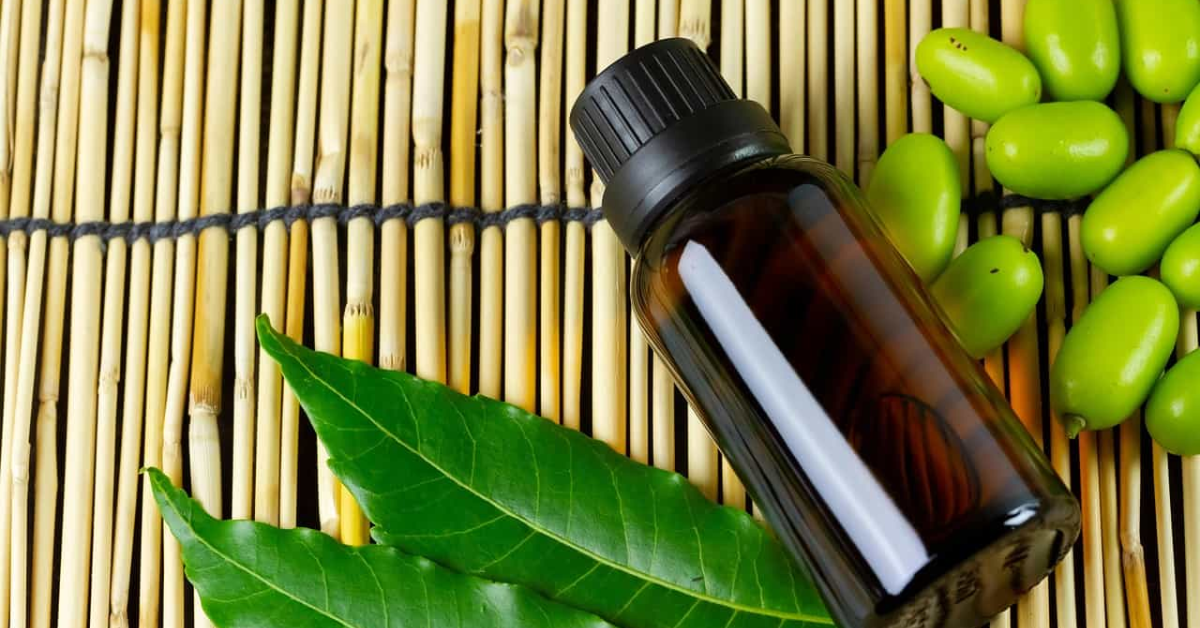
Once you’ve identified the cause of those tiny holes in your plant leaves, it’s time to take action. Whether you’re dealing with pests or environmental stress, there are several effective solutions available that can help save your plant. Let’s explore both natural remedies and more targeted treatments.
Natural Remedies
For those who prefer eco-friendly solutions, there are several natural remedies that can help treat pest problems and heal your plants.
- Soap Sprays: You can make a simple soap spray using mild dish soap and water. This helps suffocate and remove pests without harming your plant.
- Neem Oil: One of the most effective natural pesticides. Neem oil works wonders against pests like aphids, spider mites, and more. It’s non-toxic to humans and pets, making it an ideal option for indoor gardening.
- Garlic Spray: A mixture of crushed garlic and water can help deter pests. Garlic has natural insect-repellent properties.
These natural remedies are cost-effective and safe for the environment. If you’re someone who prefers organic gardening, these options are perfect for keeping your plants healthy without introducing harmful chemicals.
Chemical Treatments
Sometimes, natural remedies just aren’t enough, especially if the infestation is severe. In those cases, chemical treatments might be necessary.
- Insecticidal Soap: Unlike regular soap, insecticidal soap is formulated to kill pests like aphids, whiteflies, and spider mites without harming the plant.
- Fungicides: If the issue is fungal in nature, a fungicide can help stop the spread of infections and protect the remaining healthy parts of your plant.
- Targeted Pesticides: For heavy infestations, you may need a more powerful solution. Be sure to use pesticides specifically designed for the pests causing the damage.
For readers seeking quicker and more powerful solutions, chemical treatments can provide fast results, especially in the case of severe pest problems or fungal infections.
Preventative Measures
Prevention is often the best way to keep your plants healthy and free of damage. By taking a few proactive steps, you can avoid many common plant issues.
- Regular Plant Inspections: By checking your plants regularly, you can spot early signs of pests or diseases before they become serious.
- Proper Watering: Ensure your plants are receiving the right amount of water. Both overwatering and underwatering can lead to stress, which makes your plants more susceptible to damage.
- Humidity Control: Maintaining proper humidity levels can help prevent conditions that attract pests and reduce plant stress.
Preventative care helps keep your plants healthy long-term, reducing the chances of holes appearing in your leaves in the first place.
Incorporating natural remedies into your garden care routine can make a significant difference. For instance, using coffee grounds can help enhance the health of your plants. Find out more about the real science behind coffee grounds and how they can benefit your plants in our article Do Coffee Grounds Help Plants Grow? The Real Science Behind It.
Preventing Future Holes in Your Plant Leaves
It’s often easier to prevent plant damage than to fix it. Let’s dive into some simple steps you can take to keep your plants free from future holes and other issues.
Regular Maintenance & Inspection
Inspect your plants regularly for signs of pests, such as discolored spots or tiny holes in the leaves. The sooner you catch a pest problem, the easier it is to treat.
Early detection is key to preventing the issue from escalating. Catching pests in the early stages means you can treat them quickly and prevent lasting damage.
Improving Plant Care
- Optimal Watering: Stick to a consistent watering schedule. Plants often suffer from stress when they receive too much or too little water.
- Correct Light Exposure: Make sure your plants are receiving the right amount of sunlight. Too much or too little light can make them more vulnerable to pests and diseases.
- Soil Health: Healthy soil means healthier plants. Ensure your soil is well-draining and rich in nutrients.
Taking care of your plant’s basic needs will help them thrive and become more resilient to pests, diseases, and environmental stress.
Mulching and Proper Potting
- Mulching: Adding mulch around your plants helps retain moisture, prevents weeds, and protects your plants from pests.
- Proper Drainage: Ensure that your pots have drainage holes. Poor drainage can lead to root rot and other problems that weaken your plant’s defenses.
These simple gardening tips can make a big difference in your plants’ overall health and longevity.
When to Seek Professional Help for Your

Plants
While many plant issues can be resolved with DIY solutions, there are times when calling in a professional is the best option. If you’re dealing with severe infestations or advanced diseases, the situation may be beyond what home remedies can handle. Here’s how to know when it’s time to seek expert help for your plants.
Severe Infestations
If you’ve noticed that pests are overwhelming your plants despite your best efforts, it might be time to consult a professional. Severe infestations often happen when pests like aphids, spider mites, or caterpillars are left unchecked, and they can quickly damage your plant beyond repair.
- When to Call for Help:
- Large-Scale Infestation: If multiple plants are affected or the infestation is spreading rapidly, it’s a sign that DIY treatments might not be effective anymore.
- Valuable Plants: If your plant is expensive, rare, or holds sentimental value, it might be worth investing in professional treatment to save it.
Recognizing when your efforts aren’t enough empowers you to take action before the infestation destroys your plants. It’s always better to address the problem early on with expert intervention than wait until it’s too late.
Advanced Diseases
Sometimes, your plants may show signs of disease that go beyond what basic remedies can handle. Fungal or bacterial infections, if left untreated, can lead to irreversible damage.
- Signs You Need Professional Help:
- Extensive Damage: If large portions of the plant are showing discoloration, mold, or soft spots that are spreading, it’s likely a serious infection.
- No Improvement with Treatments: If your plant isn’t responding to the usual treatments (like fungicides or bactericides), it may require a more advanced treatment plan that a professional can provide.
Providing your plants with the right care when they’re seriously ill can mean the difference between saving them and losing them completely. Seeking professional help ensures you have the right expertise to deal with potentially fatal issues.
Recognizing when you need help is an important part of maintaining your plants’ health. Don’t hesitate to reach out to an expert if the situation requires it—it could save your valuable plants and give you peace of mind.
Sometimes, your plant might be facing a more serious issue like toxicity, which could need immediate professional intervention. For instance, if you’re dealing with belladonna toxicity around your plants or pets, it’s important to act quickly. Learn more about how to handle toxic plants and protect your garden in our post Is Belladonna Toxic? How to Keep It Away From Your Plants and Pets.
Conclusion
Tiny holes in plant leaves can be concerning, but the good news is that with the right approach, most issues can be resolved. Whether it’s adjusting the environment, tackling pests with natural remedies, or addressing advanced diseases, there are plenty of solutions available. The key is to act quickly and be proactive in caring for your plants to prevent further damage.
By following the steps outlined in this article and staying vigilant with regular plant care, you’ll keep your plants healthy and thriving for the long haul. Remember, healthy plants are happy plants, and with a little effort, you can maintain a lush, thriving garden or indoor space.
What have you noticed about your plants lately? Share your experiences with tiny holes in your plant leaves in the comments below, and let’s discuss how you’ve tackled this issue!
For more helpful plant care tips, visit Plant Care Dairy.
Disclaimer: The information provided in this article is for general gardening advice and informational purposes only. While the suggestions are based on common gardening practices, individual plant care may vary. Always consult a professional gardener or plant expert for specific issues, especially if your plants show signs of severe infestation or disease.