

If you’re looking to add a bit of drama and resilience to your garden, sea holly (Eryngium) might be the perfect plant for you. With its spiky blue blooms and tough nature, it thrives in conditions where many other plants would struggle. You may have seen it in coastal gardens or natural landscapes, where it seems to withstand the elements effortlessly. But here’s the good news: sea holly isn’t just for the beach—it can thrive in your backyard too.
In this guide, I’ll walk you through everything you need to know about growing sea holly. Whether you’re a seasoned gardener or a beginner, I’ll share tips that make growing this plant as easy as possible, no matter where you live. From selecting the best spot in your garden to caring for your plant throughout the year, I’ll cover the essentials to ensure your sea holly is the standout star of your space.
Ready to get started? Let’s dive in and see how you can turn your garden into a stunning display of sea holly!
What Is Sea Holly? Unveiling Its Unique Charm
When you first encounter sea holly, you might think it’s related to the iconic holly plant with its spiny leaves and berries. But here’s a fun fact: sea holly (Eryngium) is not part of the holly family at all! Instead, it belongs to the Apiaceae family, which is known for its aromatic herbs like parsley, dill, and fennel. It’s a striking plant that often gets overlooked in gardens, but once you get to know it, you’ll see why it’s such a gem.
Botanical Identity: While its name might throw you off, sea holly has little in common with the traditional holly bush. This plant’s real charm lies in its unique botanical features. It thrives in coastal climates but can adapt to a variety of garden conditions, making it versatile. It grows upright, forming clusters of slender stems topped with spiky, globe-like blooms. These flowers might look delicate at first, but trust me, they’re tougher than they seem!
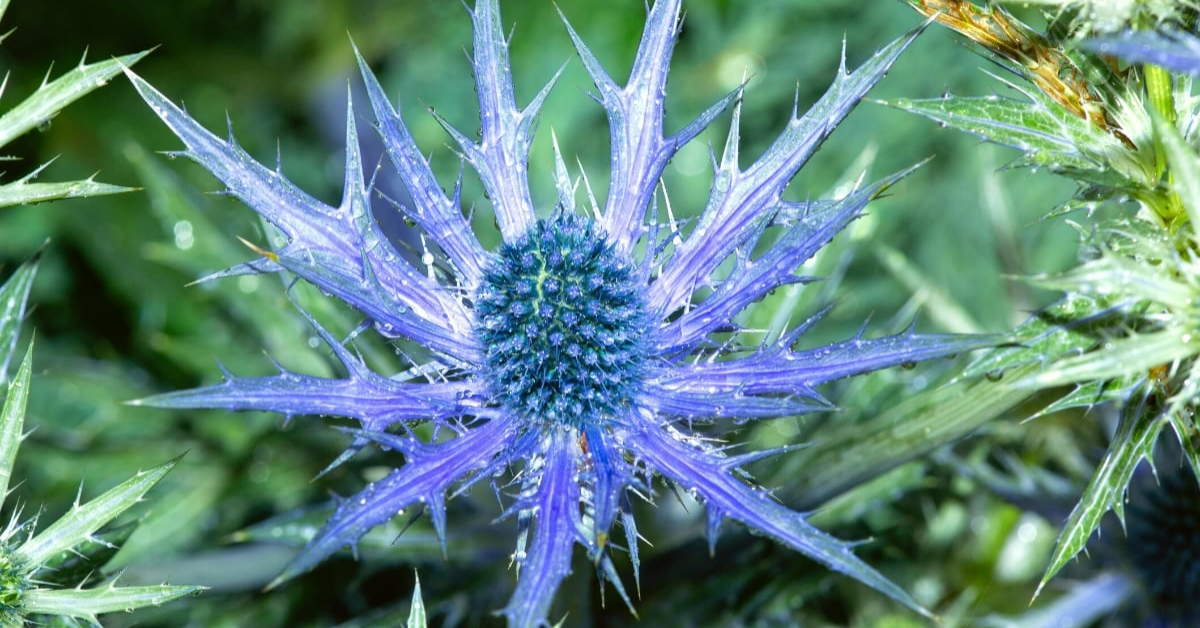
Visual Appeal: Sea holly is a standout in any garden. With its metallic-blue flowers, it adds a striking touch of color that’s hard to miss. These flowers are surrounded by silvery, spiny leaves that give the plant a sculptural, architectural look. It’s a plant that demands attention, whether it’s standing alone or planted in groups.
- The flowers are steel-blue with hints of lavender and silver, giving them an almost metallic sheen.
- The leaves are thorny and have a silvery-gray hue, offering an interesting texture in your garden.
- Its compact, upright growth makes it perfect for creating vertical interest in your garden beds.
Ecological Role: Not only is sea holly beautiful, but it’s also an important plant for your garden’s ecosystem. Pollinators—especially bees and butterflies—are drawn to its flowers. So, by planting sea holly, you’re contributing to the health of local wildlife. And it doesn’t just stop there. Sea holly is particularly well-suited for coastal and xeriscape gardens. Its ability to thrive in dry, poor soils and tolerate salt makes it an ideal choice for coastal landscapes.
- Pollinator-friendly: Attracts bees, butterflies, and other beneficial insects.
- Low-maintenance: Once established, it requires little attention, making it perfect for low-water and coastal gardens.
- Aesthetic value: Its dramatic form creates structure in garden designs.
If you’re looking for a plant that blends beauty, resilience, and ecological benefit, sea holly should be on your list!
Ideal Growing Conditions for Sea Holly
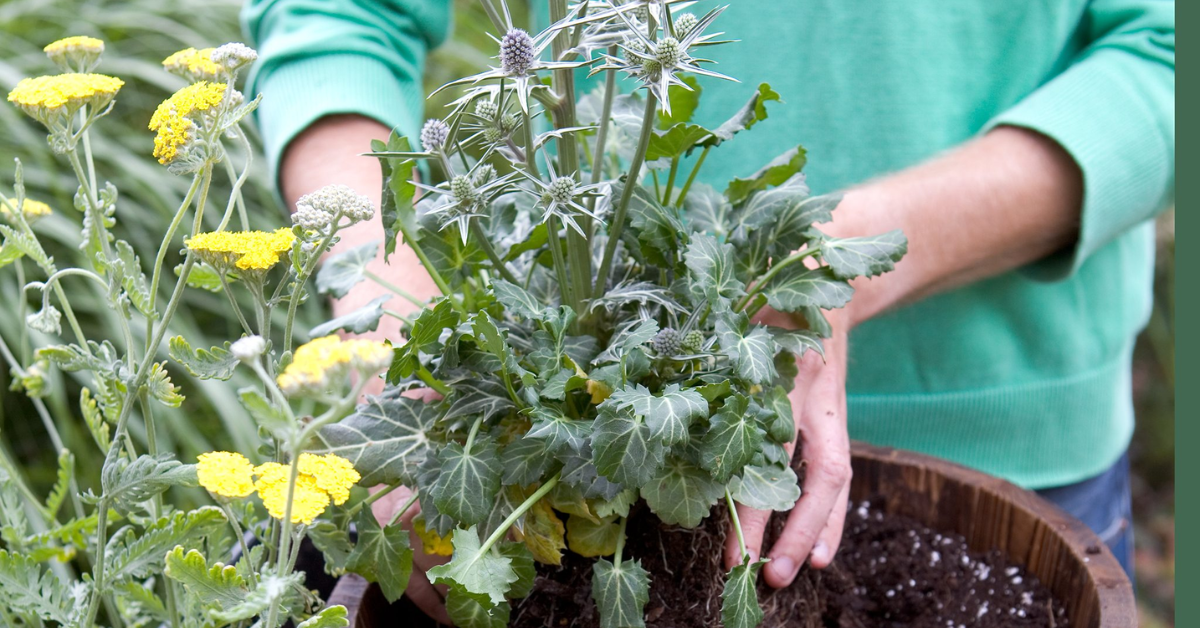
Now that you know how remarkable sea holly is, it’s time to dive into how you can grow it in your own garden. Sea holly is known for its ability to thrive in tough conditions, making it a perfect choice for gardeners looking for a hardy, low-maintenance plant. But like any plant, it does have a few preferences when it comes to its growing environment.
Sunlight: For sea holly to truly thrive, it needs full sun. Ideally, it should receive at least 6 hours of direct sunlight per day. Sunlight helps it produce those stunning blue flowers and ensures it maintains its compact, upright form. If your garden tends to be shaded, you might want to look for a different plant, as sea holly won’t perform well in low-light conditions.
- Full Sun: Aim for at least 6 hours of direct sunlight.
- Benefits: More blooms, stronger growth, and better overall health.
Soil: Sea holly isn’t picky about its soil as long as it’s well-drained. In fact, it actually prefers sandy, poor soil that mimics its natural habitat. This means you don’t need to worry about enriching the soil too much. Just make sure it’s not heavy or waterlogged. Soil that retains too much moisture can lead to root rot, which sea holly absolutely dislikes.
- Well-drained soil: Sandy, light soil works best.
- Avoid heavy soils: These can cause water retention and lead to root problems.
- Soil type: Doesn’t need to be rich in nutrients; sea holly thrives in poor soil.
Watering: One of the reasons sea holly is so popular among gardeners is its drought tolerance. Once established, it requires very little water. During dry spells, it can survive on the rain alone. However, in the first few weeks after planting, you’ll need to water it regularly until the roots are well-established. After that, you can cut back on watering.
- Drought-tolerant: Once established, it needs very little water.
- Regular watering when young: Keep the soil moist while the plant is still establishing itself.
- Avoid overwatering: Let the soil dry out between waterings to prevent rot.
Temperature and Humidity: Sea holly prefers cooler temperatures and low humidity. It’s ideal for regions that don’t experience excessive heat and humidity, making it perfect for many temperate climates. If you’re growing it in a hot and humid area, be mindful of its need for good air circulation to prevent diseases.
- Cooler temperatures: Prefers mild climates, avoiding extreme heat.
- Low humidity: Thrives in dry to moderate humidity conditions.
- Ideal for coastal regions: Its natural habitat includes coastal regions with dry conditions.
For a great resource on xeriscape gardening and drought-tolerant plants, check out Johnny Seeds’ Eryngium Growing Guide.
If you’re looking to expand your garden with more resilient, low-maintenance plants, you may want to check out our guide on how to grow daffodils, which shares similar growing tips for thriving in full sun and well-drained soils.
Step-by-Step Guide to Planting Sea Holly
Planting sea holly might sound like a challenge, but with the right steps, it’s a simple and rewarding process. Here’s how you can make sure your sea holly plants get off to a healthy start in your garden.
Site Selection: The first step to planting sea holly is choosing the right location. This plant thrives in full sun, so pick a spot that gets at least 6 hours of direct sunlight a day. It also prefers well-drained soil, so make sure the area doesn’t get waterlogged after rain. The right site will set your sea holly up for success!
- Full Sun: Choose a sunny spot with 6+ hours of direct sunlight daily.
- Well-drained Soil: Avoid places with heavy, water-retaining soil.
Planting Time: Spring is the ideal time to plant sea holly, right after the last frost has passed. This gives the plant time to establish itself before the hot summer months. If you’re starting from seeds, cold stratification (chilling the seeds for a few weeks before planting) is key to ensuring successful germination. You can sow seeds in late summer or early fall for the next year’s planting season.
- Best Time to Plant: Spring, after the last frost.
- Cold Stratification for Seeds: Essential for proper germination.
Planting Depth: When planting, make sure to position the crown of the plant slightly below the soil level. This ensures that the plant’s roots stay well-supported while allowing the stem to grow upright.
- Crown Depth: Keep the crown just below soil level to help stabilize growth.
Spacing: Sea holly needs room to grow, so space your plants 18–24 inches apart. This allows the plants to spread and develop their full, dramatic structure without crowding each other.
- Plant Spacing: 18–24 inches apart to allow for full growth.
Essential Care Tips for Thriving Sea Holly
Once your sea holly is planted, regular care will help it flourish. Here are some tips to keep your plant healthy and thriving.
Watering: Sea holly is known for its drought tolerance. However, during extended dry periods, you may need to water it to keep it from wilting. That said, be careful not to overwater, as sea holly doesn’t like its roots sitting in soggy soil. A good rule of thumb is to water it thoroughly but infrequently.
- Watering Needs: Water during long dry spells but avoid overwatering.
- Prevent Root Rot: Let soil dry between waterings.
Fertilization: One of the best things about sea holly is that it doesn’t require much in the way of feeding. In fact, fertilizing can lead to leggy growth and fewer flowers. If your soil is naturally fertile, your sea holly should thrive without extra nutrients. If you must fertilize, do so sparingly with a balanced, low-nitrogen fertilizer.
- Avoid Fertilizing: Excess nutrients can cause leggy growth and fewer flowers.
- Natural Fertility: Sea holly does well in poor soils.
Pruning: To encourage more blooms, deadhead spent flowers regularly. This helps keep the plant looking neat and promotes fresh growth. Prune back the plant in late fall or early spring to tidy it up before new growth begins. Cutting back helps maintain its structure and keeps it from becoming too woody.
- Deadheading: Remove spent flowers to promote new blooms.
- Pruning: Cut back in fall or early spring for better growth.
Mulching: In colder climates, adding a layer of mulch around your sea holly’s base in the fall can protect its roots from freezing temperatures. This is especially helpful for young plants that haven’t yet fully established their root systems.
- Mulching in Winter: Helps protect roots in cold climates.
- Insulation: Keeps roots safe from frost.
While sea holly doesn’t require much fertilization, it’s important to understand the best fertilizing practices for other plants in your garden. Learn which plants benefit from fall fertilization in our article on top plants to fertilize in fall.
Propagation Methods: Seeds vs. Root Cuttings
Sea holly is not only easy to grow, but it’s also relatively easy to propagate. If you want more plants, here are the best methods to reproduce your sea holly.
Seeds: Growing from seed is a great option, though it requires patience. After cold stratification, you can plant seeds in spring, but note that it may take a full year before you see blooms. However, once established, the plant will bloom year after year.
- Cold Stratification for Seeds: Helps with germination.
- Patience Required: Plants may not bloom in the first year.
Root Cuttings: If you want to speed things up and propagate specific cultivars, you can take root cuttings in late summer. These can be planted in pots and eventually transplanted into your garden.
- Root Cuttings: Take cuttings in late summer for cloning.
- Best for Specific Cultivars: Ideal for propagating specific varieties.
Division: Every 3–4 years, divide the plant to rejuvenate it and make more plants. This process not only keeps the plant healthy but also gives you extra sea holly to share or plant in other parts of your garden.
- Division: Divide every 3–4 years to keep plants healthy and propagate.
Common Challenges and How to Overcome Them
While sea holly is a hardy plant, it’s not without its challenges. Here’s how to deal with the most common issues gardeners face.
Overwatering: One of the biggest threats to sea holly is overwatering, which can lead to root rot. This plant prefers dry, well-drained soil, so it’s essential to avoid letting it sit in waterlogged conditions.
- Overwatering Risk: Can cause root rot.
- Watering Tip: Water infrequently and let soil dry out between waterings.
Pests and Diseases: Sea holly can occasionally fall prey to pests like aphids and slugs, as well as fungal issues like powdery mildew. Keep an eye on the plant, and if you notice any signs of pests or disease, address them quickly with organic treatments or manual removal.
- Aphids & Slugs: Keep an eye out for these pests.
- Powdery Mildew: Prevent with good air circulation and early intervention.
Leggy Growth: If your sea holly starts looking too stretched out or “leggy,” it’s likely due to rich soil or over-fertilization. Sea holly thrives in poor soil, so avoid adding too much fertilizer, and be mindful of planting it in areas with rich, nutrient-dense soil.
- Leggy Growth: Caused by rich soil or too much fertilizer.
- Solution: Use poor soil, and limit fertilization.
For more detailed tips on growing and caring for sea holly, check out this guide on Gardeners’ World.
Creative Uses for Sea Holly in the Garden
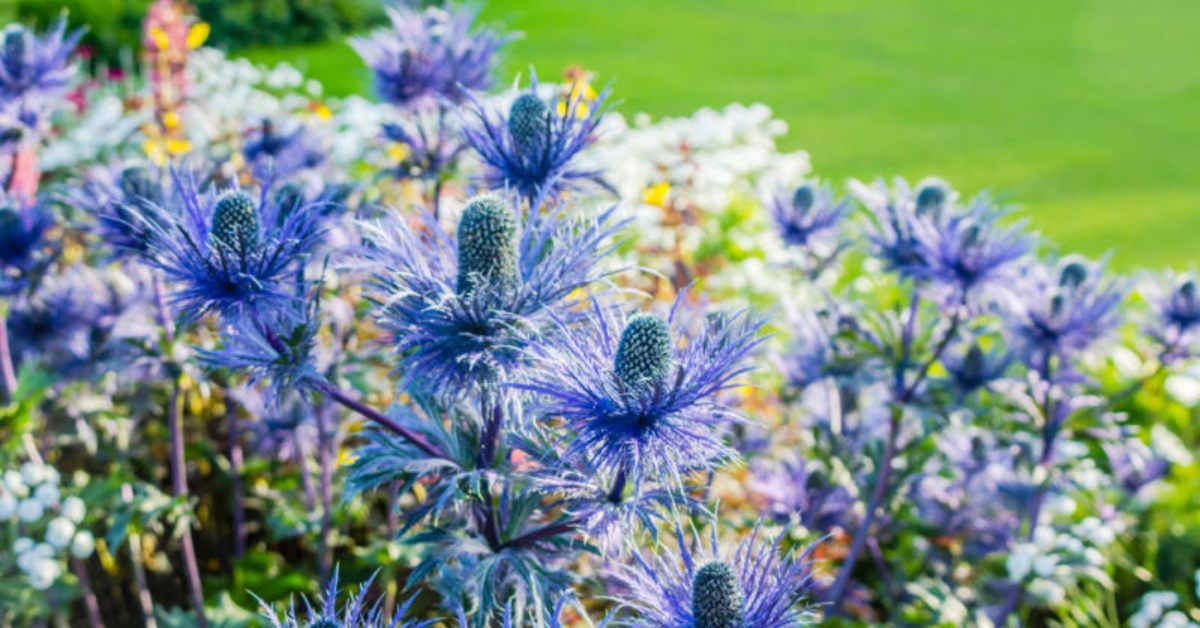
Sea holly is a versatile and striking plant that can enhance various areas of your garden. Its architectural form and bold colors make it perfect for creating focal points or adding texture to your landscaping. Here are a few creative ways to incorporate sea holly into your garden:
Borders and Edging: Sea holly makes an excellent choice for garden borders or as an edging plant, especially in cottage-style or gravel gardens. Its tall, spiky flowers create a stunning vertical element that draws the eye upward, helping to break up the monotony of low-growing plants. The silver-blue hue also pairs well with a variety of garden colors, from soft pastels to vibrant reds and purples.
- Vertical Interest: Adds height and structure to low-growing plants.
- Ideal for Gravel Gardens: Thrives in dry, well-drained conditions.
Cut and Dried Flowers: One of the best things about sea holly is that it produces long-lasting flowers, making it an ideal candidate for floral arrangements. The flowers retain their shape and color for an extended period, both when fresh and after drying. This means you can bring some of its beauty indoors or use it in your seasonal wreaths and centerpieces.
- Fresh and Dried Use: Perfect for indoor floral arrangements.
- Long-lasting Blooms: Maintains its beauty even after drying.
Wildlife Gardens: Sea holly is also a great addition to wildlife gardens. The plant attracts bees, butterflies, and other pollinators, making it an essential part of a garden designed to support local wildlife. The flowers’ nectar provides food for bees, while butterflies are drawn to its structure and color. By planting sea holly, you’re not only adding beauty to your garden, but you’re also helping to enhance biodiversity.
- Pollinator-Friendly: Attracts bees, butterflies, and other beneficial insects.
- Supports Local Ecosystems: Helps sustain local wildlife populations.
Sea holly fits perfectly in a cottage garden, providing architectural interest and contrast. If you’re aiming to create a charming and cohesive look for your garden, check out our easy planting guide for beginners.
Winter Care: Ensuring Longevity
Sea holly may be hardy, but it still needs some extra care when the colder months roll around. With the right winterizing techniques, you can help your plants survive the chill and come back strong in the spring.
Mulching: Mulching is a crucial step for winter protection, especially if you live in a colder climate. After the first hard freeze, apply a thick layer of mulch around the base of your sea holly plants. This helps insulate the roots, protecting them from frost damage. Mulch also prevents soil erosion and helps retain moisture during the dry winter months.
- Winter Insulation: Apply mulch to protect roots from freezing temperatures.
- Best Time for Mulch: After the ground has frozen to lock in protection.
Watering: When fall arrives, it’s important to withhold water from your sea holly plants to prevent waterlogging and root rot. Sea holly prefers to be kept dry during the colder months, and excessive moisture can be detrimental to its health. Ensure that the soil is well-drained, and avoid watering until new growth appears in the spring.
- Watering Tip: Stop watering in the fall to avoid root rot.
- Keep Soil Dry: Sea holly prefers minimal moisture during the winter.
Pruning: In late fall or early spring, it’s time to cut back spent flowers and foliage to tidy up your sea holly. Pruning helps the plant focus its energy on fresh growth in the spring and ensures it maintains a clean, attractive shape throughout the growing season. It also reduces the risk of fungal infections or pests that may settle in dead leaves and stems.
- Prune in Fall or Spring: Cut back old flowers and foliage for better growth.
- Tidy Up the Plant: Helps the plant focus on new growth.
For more in-depth information on winter care and other plant care tips, check out Gardenia’s Guide on Eryngium Care.
Conclusion
In summary, sea holly (Eryngium) is a truly unique and resilient plant that deserves a spot in your garden. Its striking, spiky blooms and architectural foliage add a bold touch to any landscape, while its low-maintenance nature makes it an ideal choice for gardeners seeking beauty without constant upkeep. Sea holly is perfect for a range of garden styles, from coastal landscapes to wildlife-friendly spaces. Plus, with its ability to thrive in poor, dry soil, it’s a plant that requires very little care once established.
Whether you’re using it as an eye-catching focal point, adding it to your floral arrangements, or planting it to attract pollinators, sea holly offers versatility and charm in abundance.
Ready to give sea holly a go in your garden? Select a variety that suits your space, and start planting today! I’d love to hear about your experiences with sea holly—feel free to leave a comment below and share your thoughts or any questions you might have. For more gardening tips and advice, check out Plant Care Dairy.
Disclaimer: The information provided in this article is for general gardening advice and is based on personal experience and reliable sources. Results may vary depending on your specific garden conditions. Always consider local climate and soil conditions before making gardening decisions.