
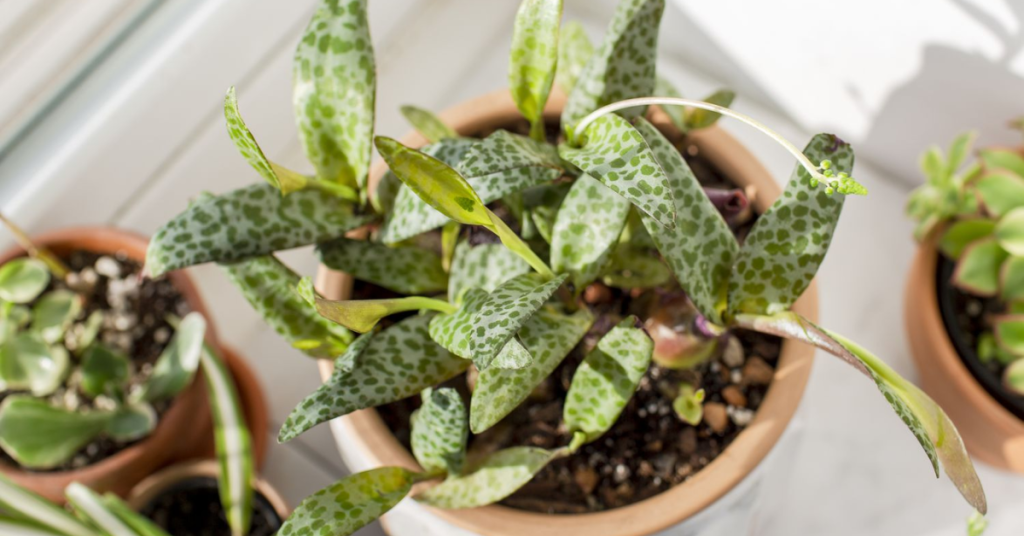
If you’ve ever admired the stunning silver and green foliage of the Silver Squill (Ledebouria socialis), you’re not alone. This charming, low-maintenance plant is perfect for anyone looking to add a touch of unique beauty to their indoor space. But, like any plant, it comes with its own set of needs and quirks.
Whether you’re new to indoor gardening or a seasoned plant parent, growing Silver Squill can be a rewarding experience. In this guide, I’ll walk you through everything you need to know — from choosing the right spot in your home to understanding its watering habits. I’ll also share expert tips to keep your plant healthy and thriving year-round.
Let’s dive into how you can give your Silver Squill the care it deserves. Ready to get started? Let’s go!
Understanding Silver Squill (Ledebouria socialis)
Before diving into the care routine, let’s first get to know the plant that’s going to become a new favorite in your indoor garden. Silver Squill, scientifically known as Ledebouria socialis, is a stunning plant that hails from the dry, rugged savannas of the Eastern Cape Province in South Africa. Let’s break down the basics:
- Origin and Habitat: The Silver Squill thrives in the arid, sun-baked regions of South Africa, where it’s accustomed to long periods without much rain. This tough plant has adapted to the harsh conditions by developing unique characteristics that allow it to survive in dry environments.
- Physical Characteristics: You’ll quickly recognize Silver Squill by its striking silvery, lance-shaped leaves, each adorned with green leopard-like spots. The undersides of these leaves have a deep purple hue, adding a touch of vibrance. These features make it a real conversation piece, whether it’s placed on your windowsill or nestled on a shelf.
- Growth Habit: One of the plant’s most fascinating traits is its teardrop-shaped bulbs that sit above the soil. These bulbs act as storage units, collecting and preserving moisture. This helps Silver Squill survive in the wild, where it may go long stretches without water. The bulbs are a visual reminder of how adaptable this plant is in the face of adversity.
- Toxicity: While Silver Squill is beautiful, it’s also toxic to both humans and pets. All parts of the plant, from the leaves to the bulbs, contain compounds that can cause mild irritation or more serious health issues if ingested. If you have small children or pets, it’s important to keep this plant out of their reach. Always handle with care.
Ideal Growing Conditions for Silver Squill

Now that you’re familiar with Silver Squill’s background, let’s talk about how to create the perfect environment for it to thrive in your home. This plant may be low-maintenance, but it still has specific needs that will help it grow strong and healthy.
- Light Requirements: Silver Squill loves bright, indirect light. Place it near a window that gets plenty of natural light, but keep it out of direct sunlight. Direct rays can scorch its delicate leaves, causing unsightly damage. If you don’t have a perfect spot with indirect light, you can always use sheer curtains to diffuse the light coming through the window.
- Temperature Preferences: This plant is quite versatile when it comes to temperature. It prefers moderate warmth and does well in temperatures between 60°F and 85°F (15°C to 29°C). Even though it’s native to a hot climate, it can tolerate brief periods of cold, down to about 30°F (-1°C), though it’s best to avoid exposing it to anything colder than that. So, if you’re in a colder area, you can still keep it indoors, but just be sure to keep it away from drafty windows or doors.
- Humidity Needs: Unlike many tropical plants, Silver Squill doesn’t need excessive humidity to thrive. It’s happy in environments with low to average humidity, so you don’t have to worry about using humidifiers or misting it regularly. It’s perfect for homes with standard indoor conditions. However, if you live in a very dry area, a little extra moisture in the air will still help.
For a more in-depth guide on Silver Squill care, I recommend checking out Savvy Gardening’s expert tips.
Soil and Potting Requirements
For your Silver Squill to thrive, selecting the right soil and pot is essential. The plant is fairly adaptable but needs a few key conditions to grow strong and vibrant. Here’s what you should keep in mind:
- Soil Type: Silver Squill requires well-draining, sandy soil. A cactus or succulent mix is ideal because it allows excess water to drain away, preventing root rot. It’s important to avoid using heavy, moisture-retaining soils that can lead to waterlogging, which the plant cannot tolerate. A mix that mimics its natural dry environment will work best for optimal growth.
- Pot Selection: The right pot is just as important as the right soil. Always choose a container with drainage holes. Without proper drainage, excess water can sit at the bottom, leading to root rot. Terra cotta pots are especially good for Silver Squill because they allow the soil to breathe, ensuring air circulation around the roots. Plus, the porous material helps wick away excess moisture, which is crucial for maintaining the health of the plant.
- Repotting Tips: Silver Squill can outgrow its pot relatively quickly. It’s time to repot when the plant doubles in size or about once a year. During repotting, consider dividing the bulbs to propagate new plants. This is a great way to expand your indoor plant collection without needing to buy new plants. Just be gentle when separating the bulbs and ensure each one has its own small section of soil to grow in.
Watering Silver Squill: A Delicate Balance
Silver Squill, like many plants, needs a balanced watering schedule. Too much water can lead to rot, while too little can cause it to dry out. Here’s how to find that perfect middle ground:
- Watering Frequency: The key to watering Silver Squill is to let the top inch of soil dry out completely before watering again. This helps mimic its natural environment, where the plant can go through periods of drought. In the winter, when the plant is resting, reduce watering frequency significantly. Overwatering during dormancy can stress the plant, leading to yellowing leaves and bulb rot.
- Signs of Overwatering: If you notice yellowing leaves or a soft, mushy bulb, it’s likely a sign of overwatering. Ensure that your pots have adequate drainage, and always check the soil before watering. If the soil still feels moist, it’s best to hold off on watering for a few more days.
- Watering Techniques: When it’s time to water, give your plant a thorough drink, but do so infrequently. Water until it starts to drain from the bottom of the pot, and make sure the excess water doesn’t pool in the saucer. Adjust the watering schedule based on the season and indoor climate. For example, in warmer months, you might need to water more frequently than in winter. For more detailed guidance on Silver Squill care, I recommend checking out the expert tips on The Spruce.
Just like Silver Squill, watering other houseplants can require a delicate balance. For example, if you’re struggling with getting the watering right for your Orchids, check out our guide on how to grow orchids in water to learn about their unique watering needs.
Encouraging Blooms and Managing Dormancy

Silver Squill’s blooming cycle is one of the most fascinating aspects of this plant, and with the right care, it can reward you with delicate flowers in the spring. Here’s how you can encourage blooming and manage its dormancy period:
- Blooming Conditions: To get Silver Squill to bloom, it needs a winter rest period. During this time, reduce watering and keep the plant in a cooler location (between 50–60°F or 10–15°C). This mimics the plant’s natural dormancy period, helping it store energy for the upcoming bloom. After the rest period, it will be ready to put out new flowers in the spring.
- Dormancy Care: When the days are shorter and the weather cooler, your Silver Squill will enter dormancy. This is a time to slow down on watering. A cooler spot in your home is ideal, away from direct heat sources like radiators or windows with too much direct sunlight. By reducing care during this time, you’re allowing the plant to replenish its energy for the growing season.
- Post-Bloom Care: Once the flowers have faded, resume regular watering and return the plant to a location with bright, indirect light. At this point, your Silver Squill will be ready to continue growing and storing nutrients for the next cycle. Be sure to keep the plant in a spot where it can receive a good amount of indirect light, as this will encourage healthy growth and vibrant foliage.
Much like Silver Squill, getting plants like Schlumbergera to bloom requires some attention to care, especially in the dormancy phase. If you’re looking for tips on how to make your Schlumbergera bloom every year, you can check out our article on how to make your schlumbergera bloom every year indoors.
Common Pests and Diseases
Like any plant, Silver Squill can face a few pest and disease challenges. While it’s a relatively low-maintenance plant, keeping an eye out for potential issues will help ensure it stays healthy and vibrant. Here’s what to look out for:
- Pests to Watch For: Mealybugs, aphids, spider mites, scale, and thrips are the most common pests that could cause problems for your Silver Squill. These tiny invaders can suck sap from the plant, causing damage to the leaves and stunting growth. You might notice white, cottony spots (mealybugs), tiny webs (spider mites), or speckled discoloration (aphids and thrips) on the leaves. If you spot any of these pests, take action quickly.
- Disease Prevention: Overwatering is one of the most common mistakes when caring for Silver Squill, and it can lead to root rot or fungal issues. Always ensure your pots have good drainage and let the soil dry out between waterings. If the soil stays too moist, it creates a perfect environment for fungal infections and root rot to take hold.
- Treatment Methods: If you notice pests on your Silver Squill, try using insecticidal soap or neem oil to eliminate them. Both are safe for most houseplants and effective at controlling pests. Make sure to follow the instructions on the label and apply them to the affected areas. Also, remove any damaged or affected leaves immediately to prevent the pests from spreading. For more tips on pest control, visit Picture This.
Propagating Silver Squill
If you love your Silver Squill and want to grow more, propagation is a great way to expand your plant collection. Here’s how you can do it:
- Propagation by Division: The best way to propagate Silver Squill is by dividing the bulbs. After the plant blooms, carefully separate the bulbs and replant them in well-draining soil. This method ensures that each new plant has enough room and resources to grow successfully. Be sure to choose a pot that’s just a little larger than the bulb to give it space to expand.
- Handling Bulbs: When planting the bulbs, make sure that about one-third to half of the bulb is above the soil surface. This helps ensure proper airflow around the bulb and prevents it from rotting. Water the bulbs immediately after planting, but avoid overwatering—just keep the soil slightly moist until they start to take root.
- Propagation Challenges: While it’s possible to propagate Silver Squill from seeds, it’s not the most reliable method. Seed propagation can lead to inconsistent germination rates, and you might not end up with plants that are as strong or healthy as those grown from bulbs. So, stick to division for the best results.
Troubleshooting Common Issues

Even the most resilient plants, like Silver Squill, can face a few common problems. Here’s how to troubleshoot and address these issues:
- Leggy Growth: If your Silver Squill is growing tall and spindly, it’s a sign that it’s not getting enough light. Move it to a brighter spot where it can get more indirect sunlight. If you don’t have a spot with enough light, consider supplementing with a grow light to help the plant thrive.
- Yellowing Leaves: Yellow leaves are often a result of overwatering or poor drainage. If you notice the leaves turning yellow, check the soil for moisture. If it’s soggy, it’s a sign you’ve been watering too much or the drainage isn’t sufficient. Adjust your watering schedule and ensure your pot has proper drainage to prevent future issues. Similarly, if you’re noticing that your other indoor plants, like your Rabbits Foot Fern, are struggling with poor growth or foliage issues, our article on how to make rabbits foot fern fuzzy and full again offers useful tips to revitalize it.
- No Blooms: If your Silver Squill isn’t blooming, it might not have had the proper rest period. The plant requires a winter dormancy period with reduced watering to trigger blooming in the spring. Make sure you’re providing it with the right care during its dormancy phase, including a cool spot and less water.
Final Tips for Thriving Silver Squill
To ensure your Silver Squill continues to thrive and look stunning, here are a few final tips that can help:
- Grouping Plants: Silver Squill naturally forms beautiful clusters as it grows. Consider grouping multiple plants together in one pot or arranging them in a row for a fuller, more dramatic display. Not only will this make your plant collection look more impressive, but it’ll also give your Silver Squill the space it needs to grow and spread.
- Handling with Care: While Silver Squill is a hardy plant, its sap can cause skin irritation in some people. When handling the plant, be sure to wear gloves to protect your skin. This simple step will keep you safe while caring for your gorgeous new plant.
- Seasonal Adjustments: As the seasons change, so should your care routine. Mimic the plant’s natural growth cycles by adjusting its care. During the colder months, reduce watering and allow the plant to rest. In warmer months, you can increase watering and move your Silver Squill to a brighter spot. These small adjustments will help the plant stay healthy and vibrant year-round.
Now that you’ve got the full scoop on caring for your Silver Squill, what are your best tips for thriving plants? Share your thoughts and experiences in the comments below — I’d love to hear how you’re taking care of your plants!
And if you’re looking for more expert gardening advice, head over to Plant Care Dairy for all your plant care needs!
Disclaimer: The information provided in this article is for general plant care guidance. While every effort has been made to ensure accuracy, individual plant needs may vary. Always consult a professional or conduct further research if you encounter specific issues with your Silver Squill or any other plant.