

If you’ve ever come across a marshmallow plant, you’ve probably wondered what makes it so special. Beyond its sweet, fluffy namesake, this plant holds a rich history of medicinal and culinary uses. But here’s the kicker: growing marshmallow plants at home is easier than you might think, and it could be a rewarding addition to your garden.
I’ve spent plenty of time with marshmallow plants, and trust me, there’s a lot more to this herb than just its charming, pale pink flowers. From soothing sore throats with homemade marshmallow root tea to using it in skincare, this plant is as practical as it is pretty. Plus, it’s surprisingly low-maintenance—perfect for both seasoned gardeners and beginners alike.
By the end of this guide, you’ll know exactly how to grow, care for, and harvest marshmallow plants, all while reaping their health benefits. Ready to add a little marshmallow magic to your garden? Let’s dive in!
What is a Marshmallow Plant? An Introduction to Althaea Officinalis
Botanical Overview
The marshmallow plant, scientifically known as Althaea officinalis, belongs to the Malvaceae family, which includes other well-known plants like hibiscus. Native to Europe, Asia, and parts of North Africa, this hardy perennial has been cultivated for centuries. Historically, it was used not only for its soothing properties but also as a source of food and medicine.
The plant thrives in moist, marshy areas—hence its name—and has long been a staple in traditional herbal medicine. Today, it’s grown in gardens for its beauty and practical uses. But you might be surprised to learn that the marshmallow plant’s roots were once used in the famous confectionery we enjoy today, before the introduction of gelatin!
Medicinal & Culinary Benefits
The marshmallow plant has deep roots in herbal medicine, with its leaves and roots known for their soothing, anti-inflammatory properties. If you’ve ever had a sore throat, you might have used marshmallow root in tea or lozenges. This herb is revered for its ability to coat and protect the mucous membranes in the throat, helping to reduce irritation and discomfort.
Some common uses include:
- Soothing Sore Throats: A marshmallow root tea can help calm a scratchy, sore throat.
- Digestive Aid: It has been used to ease digestive issues like heartburn and indigestion.
- Skin Care: Marshmallow extract is found in many skincare products, offering hydration and skin barrier protection.
Additionally, marshmallow leaves are sometimes used in cooking, particularly in teas or as an herbal infusion.
This plant isn’t just pretty—it’s a natural remedy that has been used for centuries. Growing it at home means easy access to these health benefits.
Physical Appearance
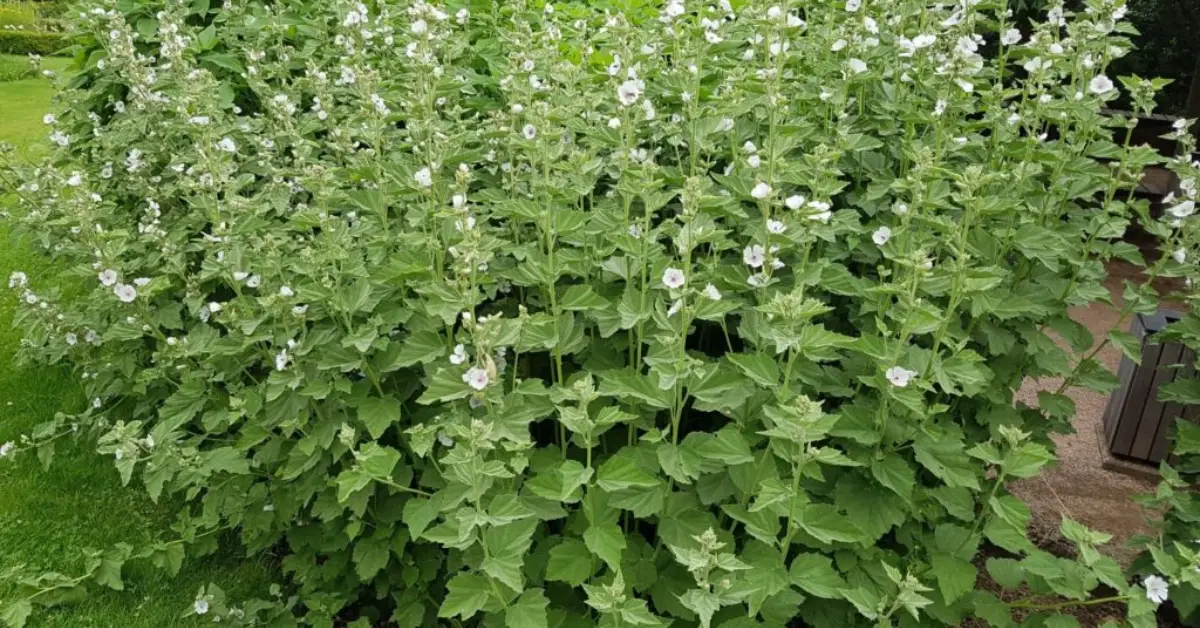
When it comes to appearance, the marshmallow plant is quite striking. It’s a tall, bushy plant that can grow up to 4 feet tall, making it a lovely addition to any garden.
- Leaves: The leaves are large, rounded, and somewhat fuzzy, with a soft, velvety texture. They’re typically light green and have a slight heart-shape.
- Flowers: One of the most eye-catching features of the marshmallow plant is its flowers. These blossoms are typically light pink or white, adding a delicate touch to your garden. They bloom in late summer to early fall and are a favorite among pollinators like bees and butterflies.
- Roots: The root is where the medicinal magic happens. It’s thick, white, and fleshy, and this is what gives the marshmallow plant its soothing qualities.
Knowing what the plant looks like and understanding its benefits will give you the confidence to grow it. You’ll know exactly what to expect, and it’ll be easier to spot any issues as they arise.
Choosing the Right Spot for Your Marshmallow Plant

To grow a healthy marshmallow plant, it’s essential to create the right environment. Let’s take a closer look at what the plant needs to thrive.
Optimal Growing Conditions
- Sunlight Needs: The marshmallow plant prefers full sun to partial shade. It thrives in bright, direct light, so choose a spot in your garden that gets at least 6 hours of sunlight each day. However, if you live in a hotter climate, partial shade might be a better option to protect the plant from scorching midday heat.
- Soil Requirements: A well-drained soil is a must for the marshmallow plant. It prefers soil that’s rich in organic matter. Aim for soil that’s neutral in pH (around 6.0 to 7.0). Marshmallow plants are not too fussy about soil types, but they won’t thrive in heavy clay or overly dry, compacted soil.
- Watering Needs: Marshmallow plants are native to marshy areas, so they enjoy moderate moisture. Water them regularly, especially during dry spells, but ensure the soil drains well. They don’t like to sit in waterlogged soil, so be mindful of overwatering. Finding the perfect spot for your marshmallow plant is key to its success. If you’re planning a garden full of beautiful plants, check out our cottage garden planting guide for a cozy, plant-filled space that thrives.
- Climate Preferences: While marshmallow plants are quite hardy, they prefer temperate climates with moderate humidity. If you live in a dry or extreme climate, be prepared to give your plant extra care—perhaps by mulching around the base to maintain moisture. Marshmallow plants can survive in colder climates, but in extreme winter conditions, they may need some extra protection, such as a layer of mulch to insulate the roots.
Providing the ideal growing conditions for your marshmallow plant will ensure it thrives. If you get this right, you’ll have a healthy plant with fewer issues, and you’ll be able to enjoy its beautiful flowers and medicinal benefits.
For further guidance on soil and planting techniques, check out the full growing guide at The Spruce, a trusted source for expert gardening advice.
How to Plant Marshmallow Seeds
Planting Time & Technique
The best time to plant marshmallow seeds is in early spring, after the last frost has passed. This gives your plants enough time to grow before the heat of summer hits. In warmer climates, you can even start them in the fall for a spring harvest. However, if you’re starting from indoor pots, you can begin as early as late winter, around 6-8 weeks before the last frost, and transplant them outdoors once the risk of frost is gone.
When sowing your marshmallow seeds, you can follow these simple steps:
- Prepare the soil: Marshmallow plants thrive in loose, rich, and moist soil. Ensure your soil is well-drained.
- Planting depth: Sow the seeds at a depth of 1/4 inch—just barely below the surface.
- Spacing: If you’re planting multiple seeds, leave about 18-24 inches between each plant to allow for proper growth and airflow.
- Light: Marshmallow seeds need light to germinate, so don’t bury them too deep!
This straightforward planting technique ensures that your marshmallow seeds have the best start.
Seed Depth & Spacing
Proper seed depth and spacing are crucial for ensuring that each plant has enough room to thrive:
- Depth: Plant seeds no deeper than 1/4 inch. If they are planted too deeply, they may struggle to break through the soil.
- Spacing: Each marshmallow plant needs 18-24 inches of space. This allows the roots to spread out and the plant to grow tall without overcrowding. Spacing also promotes better air circulation, which helps prevent diseases like mold and mildew.
By keeping these spacing and depth guidelines in mind, your marshmallow plants will have plenty of room to grow strong and healthy.
“If you’re new to planting, you might also find our beginner’s guide on how to grow daffodils helpful. It’s perfect for gardeners who want to learn the basics of seed planting and care.
Using Seedlings vs. Seeds
You can choose to grow marshmallow plants from seeds or seedlings, depending on your gardening style and timeline.
- Starting from Seeds:
- Pros: Cost-effective, rewarding, and you have control over the entire growth process.
- Cons: Takes longer to establish, and germination can be inconsistent.
- Using Seedlings:
- Pros: Faster results, reduces the waiting time to see your plants mature.
- Cons: Seedlings can be more expensive, and you might miss out on the satisfaction of growing from seed.
If you’re looking to speed up the process, seedlings are the way to go. But if you enjoy the entire growing journey, starting with seeds will be a rewarding experience.
Essential Care Tips for Healthy Marshmallow Plants
Watering
Marshmallow plants like consistent moisture, but they don’t want to be soaking wet all the time. Here’s how to get it just right:
- How often to water: Water regularly, especially during dry spells. A good rule of thumb is to water once a week, or more frequently if the soil dries out.
- Amount of water: Ensure the soil stays moderately moist, not soggy. A deep watering is better than shallow, frequent watering, as it encourages the roots to grow deep.
- Signs of overwatering: Watch out for yellowing leaves or moldy soil. If you notice these, ease up on watering.
By keeping the soil consistently moist (but not waterlogged), your marshmallow plants will be happy and healthy.
Fertilizing
While marshmallow plants are not heavy feeders, they do appreciate a little nourishment:
- Best Fertilizer: Use a balanced organic fertilizer like compost or well-rotted manure to provide the necessary nutrients. This ensures healthy growth without the risk of chemical buildup.
- When to fertilize: Apply fertilizer in the early spring as the plant begins to grow, and then once more in mid-summer. Avoid fertilizing in late fall when the plant is entering dormancy.
By fertilizing at the right time with the right material, you’ll help your plant thrive without overdoing it.
Pruning & Maintenance
Regular pruning is essential for keeping your marshmallow plant in top shape. Here’s how to do it:
- When to prune: Trim back any dead or damaged leaves and stems in late winter or early spring before new growth starts.
- How to prune: Simply use clean, sharp scissors to cut back any dead or unhealthy growth. If your plant gets too large or leggy, you can also trim back the top to encourage bushier growth.
- Removing dead flowers: Once the flowers fade, cut them back to encourage more blooms.
Watering, pruning, and fertilizing are key to keeping your marshmallow plant healthy, but for more tips on plant care, you might want to read our article on growing sea holly for similar care strategies for drought-tolerant plants.
Proper care ensures your marshmallow plant stays healthy and vibrant. By giving it the right amount of water, nutrients, and attention, you can avoid common problems that could stunt growth and keep your plant looking beautiful.
For more in-depth advice on soil and care, check out Gardeners’ World to ensure you’re giving your marshmallow plant the best conditions.
Common Problems and How to Fix Them
Pests and Diseases
While marshmallow plants are generally easy to grow, they can face a few common pests and diseases:
- Aphids: These tiny insects suck sap from the plant and can cause leaves to curl or yellow. To fix this, spray the affected area with a strong jet of water to dislodge the aphids or use an insecticidal soap.
- Caterpillars: These hungry critters love munching on leaves. You can pick them off by hand or use organic methods like neem oil to deter them.
- Root Rot: Overwatering can lead to root rot, which can kill the plant. If you notice wilting or blackened roots, remove the affected parts and ensure the plant is in well-drained soil.
- Powdery Mildew: This fungal disease causes white, powdery spots on leaves. To treat it, remove affected leaves and apply a fungicide if necessary. Prevent mildew by ensuring good air circulation around the plant.
By identifying these issues early, you can act quickly to save your marshmallow plant and prevent damage.
How to Handle Overwatering or Underwatering
Watering can make or break your marshmallow plant’s health. Here’s how to handle both situations:
- Overwatering: Symptoms of overwatering include yellowing leaves, root rot, and a damp, musty smell. If you notice these signs, cut back on watering and allow the soil to dry out completely before watering again.
- Underwatering: If your plant is underwatered, the leaves will droop and become crispy. In this case, water thoroughly and ensure the soil stays consistently moist.
A good rule of thumb is to water when the top inch of soil feels dry, but always check your plant regularly to make sure you’re not overdoing it.
Preventive Measures
The best way to keep pests and diseases at bay is to take preventive action:
- Healthy Soil: Well-drained soil helps prevent diseases like root rot. Add compost to improve soil quality.
- Regular Inspection: Check for pests regularly, especially under the leaves, and remove any that you find.
- Mulching: Mulch around your plant to keep moisture levels steady and reduce weed competition.
- Encourage Beneficial Insects: Ladybugs and predatory beetles can help control aphid populations naturally.
By being proactive, you can ensure your marshmallow plant grows strong and healthy without unnecessary problems.
Harvesting and Using Your Marshmallow Plant
When and How to Harvest
The best time to harvest your marshmallow plant depends on which part you want to use:
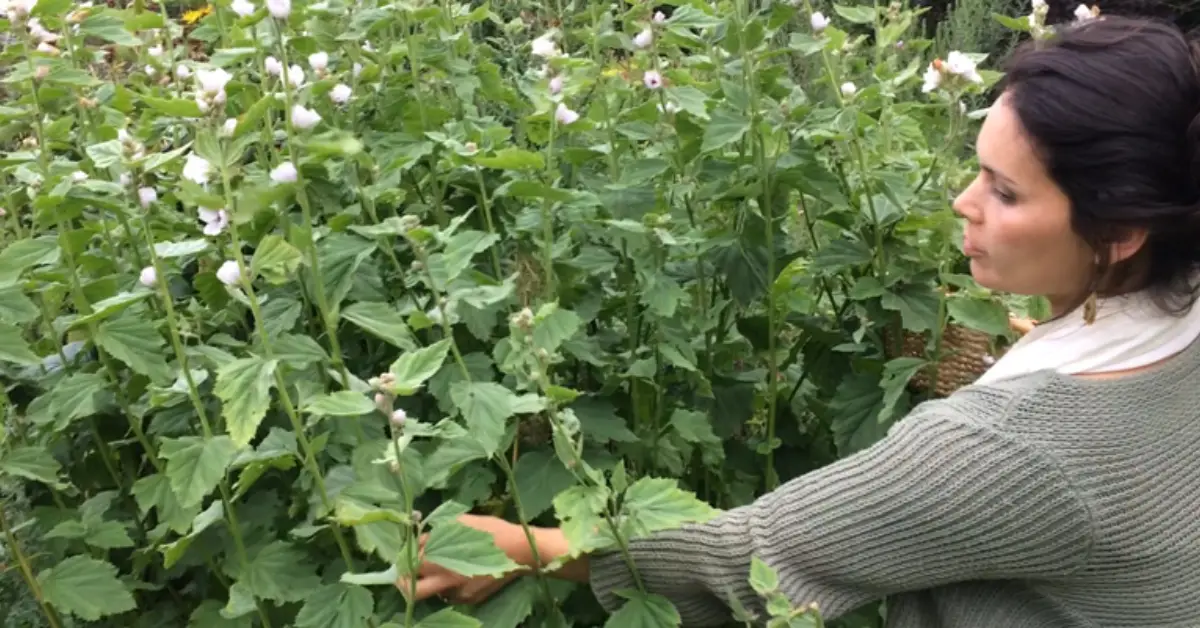
- Leaves: Harvest leaves in mid-summer, once the plant has grown large enough. Use a sharp pair of scissors or pruning shears to cut off the leaves.
- Roots: For the roots, it’s best to wait until fall when the plant has matured. Gently dig up the roots, ensuring you leave some behind to allow the plant to regrow the following year.
- Flowers: The delicate flowers bloom in late summer. You can harvest these as they begin to open, but be sure to leave some on the plant for pollinators.
Be sure to handle the plant gently when harvesting to avoid damaging the roots or stems.
Storage Tips
Once harvested, here’s how to store the marshmallow plant parts:
- Flowers: Dry the flowers by hanging them upside down in a cool, dark place. Once fully dried, store them in an airtight container.
- Roots: After harvesting, clean the roots thoroughly and cut them into smaller pieces. Then, dry them by laying them out in a well-ventilated area before storing them in an airtight container.
- Leaves: Dry the leaves in the same way as the flowers, ensuring they’re completely dried before storage.
Proper storage ensures you have these valuable parts ready to use whenever you need them.
Culinary & Medicinal Uses
Marshmallow plant parts have a variety of uses:
- Tea: You can make soothing marshmallow root tea by boiling the roots in water. It’s great for sore throats and digestive issues.
- Tinctures: A tincture made from marshmallow root can be used as a natural remedy for a variety of ailments, including coughs and skin irritations.
- Skin Care: The mucilage from the marshmallow plant can be used in creams and lotions to help moisturize and soothe irritated skin.
Whether for medicinal or culinary use, having a stash of marshmallow plant parts can be both practical and rewarding.
Marshmallow Plant Varieties You Should Know About
Common Varieties
There are a few different varieties of Althaea officinalis, and knowing the right one for your needs can make a big difference:
- Althaea officinalis (Common Marshmallow): This is the traditional marshmallow plant used for both medicinal and culinary purposes.
- Althaea Rosea (Hollyhock): Though not the same, the hollyhock is often confused with marshmallow due to its similar flower shape and appearance. It’s typically grown for ornamental purposes.
Each variety has its own unique qualities, and knowing the difference can help you decide which to grow based on your gardening goals.
Choosing the Right Variety for Your Needs
If you’re growing marshmallow for medicinal purposes, the traditional Althaea officinalis variety is your best bet. However, if you’re simply looking for a beautiful, low-maintenance plant to add to your garden, you might opt for the Hollyhock variety, which offers vibrant flowers and easy care.
Understanding the different varieties available ensures that you choose the best one for your specific needs, whether for medicinal use or ornamental purposes.
For more detailed advice on growing and using marshmallow plants, check out Martha Stewart’s guide.
Conclusion
Growing marshmallow plants is a rewarding experience that combines beauty with practical benefits. From understanding the plant’s origins to learning how to care for it and use its medicinal properties, you now have all the tools you need to grow and harvest marshmallow plants in your own garden.
Key Steps for Growing Marshmallow Plants:
- Plant your seeds in early spring after the last frost or start indoors in late winter.
- Choose the right spot with full sun or partial shade, and ensure well-drained soil with a neutral pH.
- Care for your plants by watering regularly, using organic fertilizer, and pruning as needed.
- Harvest leaves, roots, and flowers at the appropriate times, ensuring proper storage for later use.
- Address pests and diseases early to maintain healthy growth and prevent common plant issues.
Now that you’re equipped with all this knowledge, it’s time to get your hands dirty and start growing your own marshmallow plants. Whether you’re drawn to the plant for its beauty, health benefits, or culinary uses, the rewards are well worth the effort.
Ready to start your marshmallow plant journey? Share your experiences or ask any questions you might have in the comments below. And for more gardening tips and resources, be sure to visit Plant Care Dairy to explore more content that will help you grow and care for your plants like a pro!
Disclaimer: The information provided in this article is for general gardening purposes only. Always consult a professional or trusted gardening expert for personalized advice specific to your plant’s needs.