

If you’ve ever tried to improve your potting mix, you’ve probably stood in that aisle holding two white bags that look almost identical — vermiculite and perlite — wondering which one your plants actually need. I’ve been there too, and it’s confusing. Both promise “better aeration” and “healthy roots,” yet they behave very differently once you add water and soil.
The truth is, choosing between vermiculite and perlite isn’t about which one is better overall. It’s about which one works better for your specific plants and growing setup. I’ve seen beginners overwater seedlings because they used too much vermiculite, and I’ve also seen houseplants dry out too fast in perlite-heavy mixes. The right balance can completely change how your plants grow, breathe, and hold nutrients.
In this guide, I’ll break down what each material really does inside your soil — not just the textbook definition you see on packaging. You’ll see how they affect water, air, and root development, and how to mix them smartly depending on your plant type, climate, and soil texture. I’ll also share what real gardeners are saying online and what lab-tested data shows about drainage, moisture, and safety.
By the end, you won’t have to guess at the garden center again. You’ll know exactly when to reach for vermiculite, when to go with perlite, and when to blend both for the best of both worlds.
So, before we dive in — what kind of gardener are you? Seed starter, houseplant lover, or someone battling heavy garden soil? Your answer will decide which material truly helps your plants thrive.
What Are Vermiculite and Perlite?
Before comparing how they behave in soil, let’s first understand what vermiculite and perlite actually are. They might look similar in your potting mix — light, airy, and neutral in color — but they come from completely different origins and serve very different purposes.
What Is Vermiculite?
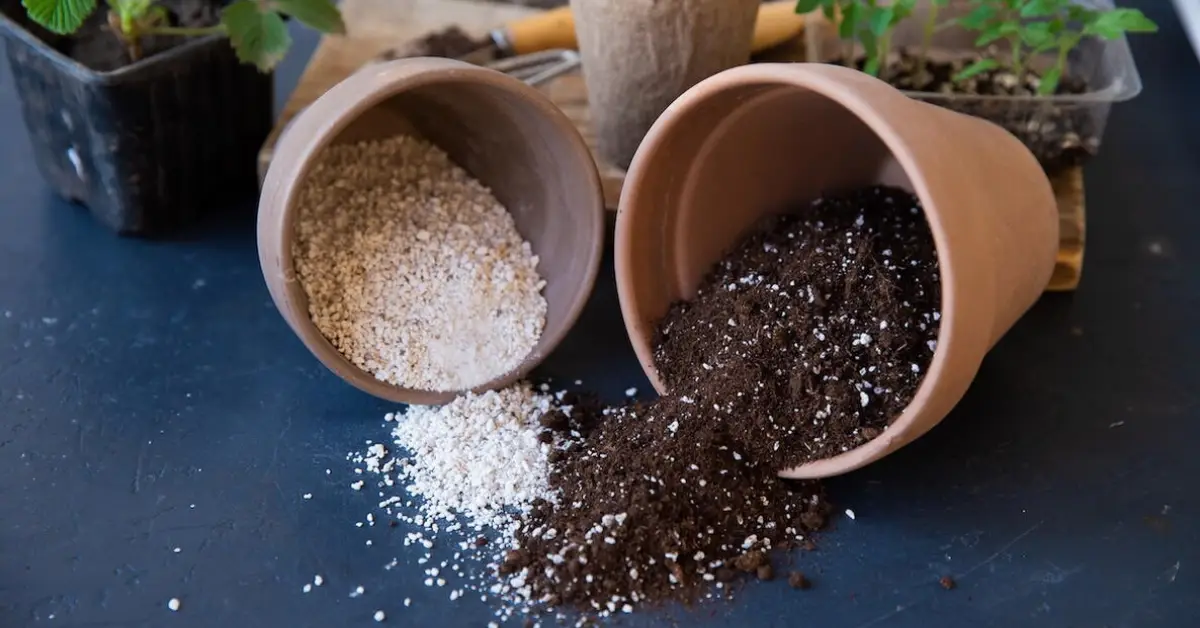
Vermiculite starts its life deep underground as a natural mineral. When it’s heated to high temperatures, it expands like popcorn — forming light, accordion-shaped flakes that can hold an impressive amount of water.
What makes vermiculite special is its moisture-holding power. It can soak up water, nutrients, and fertilizer, then release them slowly back to the plant’s roots. Because of this, it’s perfect for situations where consistent moisture is critical — like starting seeds or growing moisture-loving plants such as ferns or peace lilies.
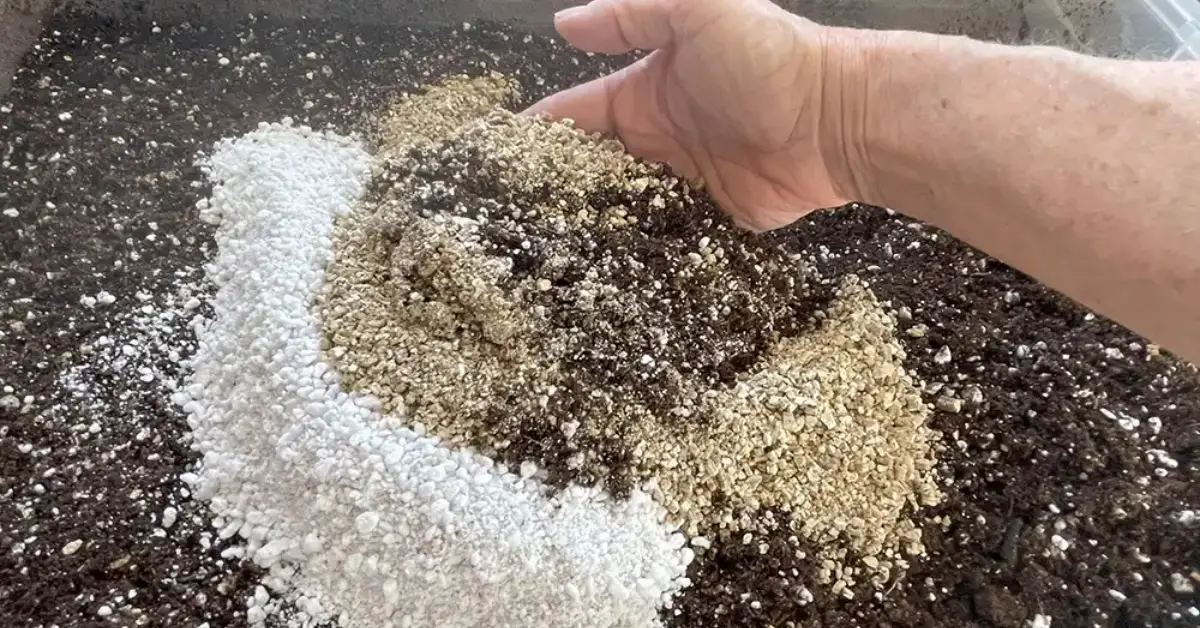
You’ll usually notice vermiculite has a soft, golden-brown color and a slightly spongy texture. It mixes easily into soil and helps roots grow in an evenly moist environment without becoming waterlogged.
Quick takeaways:
- Origin: Natural mineral (hydrated magnesium-aluminum-iron silicate).
- Texture: Flaky, soft, sponge-like.
- Best for: Seed starting, tropical houseplants, moisture retention.
- Drawback: Can hold too much water for cacti or succulents.
What Is Perlite?
Perlite is quite different — it’s actually a type of volcanic glass. When exposed to intense heat, it pops and expands into tiny white, porous balls that look like bits of Styrofoam (though it’s completely natural).
Where vermiculite focuses on holding water, perlite’s strength is airflow and drainage. Those tiny pores let water pass through quickly, preventing roots from sitting in moisture for too long. That’s why perlite is a must for plants that need “dry feet” — succulents, cactus, orchids, and even vegetables in heavy soils.
You’ll recognize perlite instantly — it’s bright white, lightweight, and crunchy to the touch. It doesn’t break down easily, so it keeps soil airy for years.
Quick takeaways:
- Origin: Volcanic glass expanded under high heat.
- Texture: Hard, white, and porous.
- Best for: Succulents, cactus, hydroponics, drainage-heavy mixes.
- Drawback: Dusty when dry — wear a mask when handling.
Both materials improve soil, but they do it in opposite ways — one by retaining moisture and the other by releasing it quickly. According to The Spruce, the best choice depends on how much air or water your plants actually need.
Core Differences: Water Retention, Aeration & Nutrient Holding
Now that you know what each material is, let’s break down how they behave once you mix them into soil — and why one might outperform the other for specific plants.
Moisture Retention: Vermiculite Holds More, Perlite Less
If you tend to underwater your plants, vermiculite will feel like a lifesaver. It soaks up water like a sponge and keeps soil evenly damp for longer periods. This is why it’s so popular for seed trays and cuttings, where young roots can’t tolerate dry spells.
Perlite, on the other hand, drains water fast — which is ideal if you’re worried about root rot or fungal problems. If you often overwater or live in a humid climate, perlite helps prevent soggy soil.
In short:
- Vermiculite = moisture storage
- Perlite = moisture control
Drainage and Aeration: Perlite Excels at Air Space
Healthy roots need oxygen as much as water. Perlite’s rigid, porous structure creates tiny air pockets throughout the soil, improving oxygen flow and preventing compaction.
You’ll see the biggest difference when using perlite in dense soils or heavy containers — the mix feels lighter, drains faster, and roots grow deeper without struggling for air. Vermiculite helps somewhat with aeration too, but it compresses more easily and can reduce airflow over time.
Practical tip:
- For succulents, use at least 30–40% perlite in your mix.
- For general houseplants, a 10–20% blend keeps soil airy without drying too fast.
And if you’re experimenting with your own potting mixes, you might also like this natural hack on using milk spray to stop powdery mildew — it’s an easy, chemical-free way to keep your plants healthy.
Nutrient Holding (CEC): Vermiculite Wins Here
Vermiculite has something called cation exchange capacity (CEC) — a fancy term for how well it holds nutrients. It attracts and stores essential elements like potassium, calcium, and magnesium, then slowly releases them as plants need them.
Perlite, being volcanic glass, is almost inert. It doesn’t absorb nutrients — it just helps move water and air efficiently. So, if you want to retain fertilizer or feed slowly, vermiculite offers more benefit.
Particle Structure, pH, Durability, and Reuse
Here’s where long-term performance comes in:
- Structure: Perlite keeps its shape for years; vermiculite breaks down faster in repeated watering cycles.
- pH: Both are neutral to slightly alkaline, so they won’t upset soil balance.
- Durability: Perlite lasts longer and is better for mixes you plan to reuse.
- Maintenance: Vermiculite compacts sooner — refresh or remix after a season for best results.
Summary Table
| Feature | Vermiculite | Perlite |
|---|---|---|
| Origin | Mined mineral | Volcanic glass |
| Water retention | High | Low |
| Aeration | Moderate | Excellent |
| Nutrient holding | Strong | Minimal |
| Best for | Moisture-loving plants, seed starting | Succulents, cacti, drainage-heavy pots |
Both have their place — vermiculite nurtures moisture, perlite promotes breathability. Knowing which to use isn’t guesswork anymore; it’s about matching your soil’s needs to how your plants live and drink.
When to Use Vermiculite vs When to Use Perlite
Now that you know how each material behaves, let’s make it practical — when should you actually use vermiculite or perlite? The choice depends on your plant type, soil texture, watering habits, and local climate.
Let’s go step-by-step so you can confidently pick what your plants really need.
Use Vermiculite for Seed Starting, Tropical Plants, and Sandy Soils
If you’re starting seeds or caring for moisture-loving houseplants, vermiculite should be your first pick. Its spongy texture holds water and nutrients evenly, keeping young roots consistently hydrated — perfect for seed trays, propagation setups, and indoor plants like ferns or peace lilies.
In sandy or fast-draining soils, vermiculite helps retain moisture for longer, reducing the need for frequent watering. It’s ideal for gardeners in hot or dry climates where soil dries too quickly.
Best use cases:
- Starting seeds or rooting cuttings
- Moisture-loving indoor plants
- Dry, sandy garden soils
- Blending with peat moss or coco coir for seed-starting mixes
As Epic Gardening explains, vermiculite acts like a water bank — it holds moisture close to roots while still allowing gentle airflow. This makes it ideal for delicate young plants or environments that dry out fast.
Use Perlite for Succulents, Cacti, and Heavy Clay Soils
When your goal is drainage and airflow, perlite is the one to reach for. Its porous volcanic structure keeps soil light, oxygen-rich, and quick-draining — perfect for succulents, cactus, orchids, and container plants prone to root rot.
If you deal with heavy clay soil, perlite breaks up compaction and keeps water moving. It’s especially useful in humid or rainy climates where overwatering is a constant risk.
Best use cases:
- Succulents, cactus, and orchids
- Dense or clay-heavy soils
- Container gardens and raised beds
- Hydroponic or aeroponic systems
Perlite ensures roots never sit in stagnant water, preventing suffocation and fungal infections.
Combining Both: The Smart Middle Ground
Sometimes, you don’t need to choose. A custom mix of vermiculite and perlite can deliver balanced results — moisture retention plus healthy airflow.
This combo is great for mixed plant collections, vegetable beds, or indoor pots where some plants need more water and others less. Adjust the ratio based on your setup:
- 60% vermiculite + 40% perlite: for moisture retention
- 60% perlite + 40% vermiculite: for better drainage
For full comparison details of both materials you can refer to the Lowe’s guide.
Impact on Plant Growth & Root Health
Your soil choice directly shapes how roots grow, how nutrients flow, and how resilient your plants become. Let’s look at how these two materials affect plant health below the surface.
How Good Drainage Supports Root Oxygenation (Perlite Focus)
Roots need oxygen as much as water. Perlite creates small air gaps in the soil, allowing oxygen to reach deep into the root zone. This oxygen flow is crucial for healthy root metabolism and prevents anaerobic conditions that lead to decay.
With perlite, water drains quickly and roots breathe freely — resulting in thicker, more fibrous root systems and faster overall growth. You’ll notice plants looking sturdier, with fewer yellow leaves or soft stems caused by excess moisture.
Visible benefits:
- Prevents waterlogging and root rot
- Boosts nutrient absorption
- Encourages deeper, stronger root systems
How Consistent Moisture Supports Seed Germination (Vermiculite Focus)
Seeds and young plants are fragile — they can’t survive dry spells. Vermiculite’s ability to hold and slowly release water keeps germination conditions stable. It provides a moist but breathable environment, which reduces stress during sprouting and transplanting.
It also absorbs nutrients and makes them available as seedlings grow, supporting healthier early development.
Visible benefits:
- Faster, more uniform germination
- Stronger early root growth
- Less transplant shock
Risks of Using the Wrong Amendment
Choosing the wrong material can set your plants back. Using vermiculite in a cactus mix can cause root rot, while too much perlite in a seed mix can make it dry out before roots establish.
You might notice signs like slow growth, wilting despite watering, or compacted soil — all clues that the mix isn’t right for your plant’s needs.
Quick reminders:
- Match soil mix to your plant type.
- Adjust ratios for your climate and watering style.
- Observe how fast soil dries — it’s your best guide to tweak proportions.
Getting this balance right isn’t just about soil science — it’s about understanding your plants like living systems. When you give roots the right balance of air and moisture, you’ll see stronger growth, healthier leaves, and far fewer plant “mystery deaths.”
Practical Mixing Tips — Getting the Ratios Right
So far, we’ve talked about how vermiculite and perlite behave — now let’s turn that knowledge into action. Getting your mix right is where theory meets results. Whether you’re potting houseplants, building raised beds, or starting seeds, small ratio tweaks can make all the difference.
Soil Preparation for Containers and Raised Beds
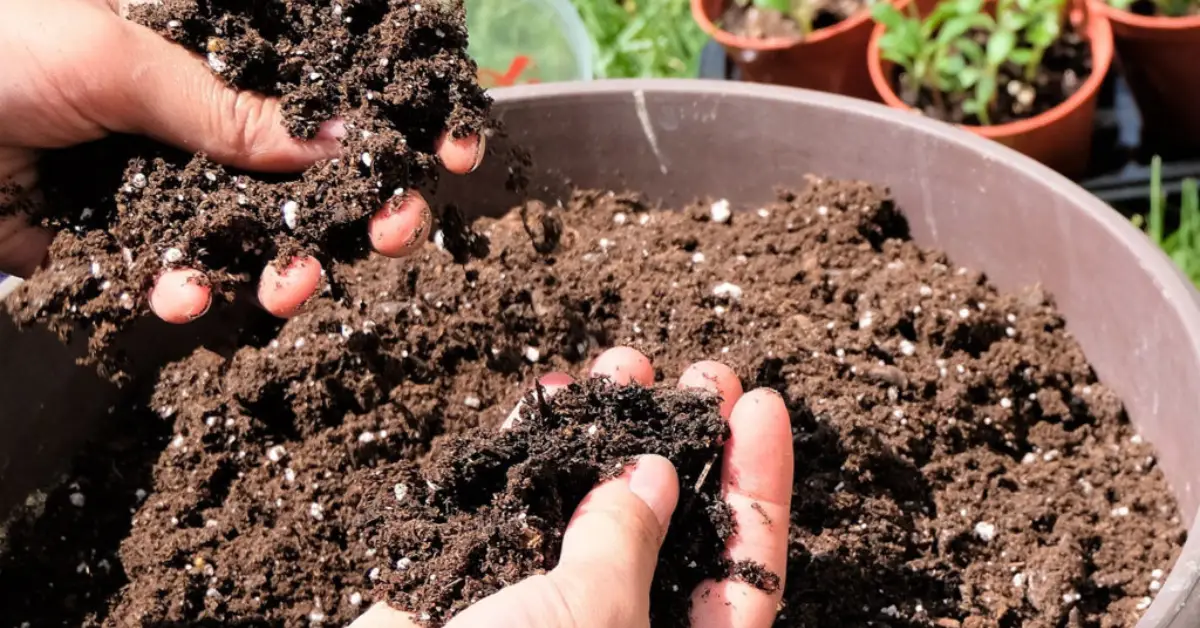
When mixing soil for containers or raised beds, balance is everything. You want a blend that drains well but still holds enough moisture to keep roots hydrated.
Here’s a simple guide:
- For general container gardening: Use about 20–30% perlite for better drainage and aeration.
- For heavy clay soils: Go up to 40% perlite to loosen the texture and prevent compaction.
- For dry climates: Blend 10–15% vermiculite with perlite to improve moisture consistency.
Mix your amendments evenly before planting — uneven distribution can cause wet or dry pockets in the soil.
Seed-Starting Mix with Vermiculite
When starting seeds, the goal is consistent moisture without sogginess. Vermiculite is excellent for that balance.
- 1 part vermiculite
- 1 part peat moss or coco coir
- Optional: a pinch of perlite if you need slightly more airflow
This light, fluffy texture encourages root tips to expand freely while keeping humidity around the seeds high. Remember to mist, not drench — young roots can’t absorb heavy water flow.
Adjustments Based on Climate and Soil Type
Your climate plays a big role in how much of each amendment to use.
- Dry, hot areas: Increase vermiculite (up to 40%) to hold water longer.
- Humid regions: Increase perlite (up to 50%) for faster drying and air movement.
- Sandy soil: Add more vermiculite for nutrient and moisture retention.
- Clay soil: Add more perlite to reduce density and improve drainage.
Common Myths & Mistakes to Avoid
When you’re scrolling through plant groups or watching DIY garden videos, you’ll hear a lot of conflicting advice about these two materials. Let’s clear up the biggest myths and prevent some costly mix-ups.
Myth: “More Vermiculite Always Means Better Moisture”
Not true. Vermiculite holds water well — sometimes too well. Overdoing it can trap excess moisture, leading to fungus, root rot, and algae growth.
Myth: “Perlite and Vermiculite Are Interchangeable.”
They may look similar, but they perform very differently. Perlite focuses on airflow and drainage, while vermiculite manages moisture. Swapping them without considering plant type is one of the most common beginner mistakes.
Mistakes to Avoid: Overusing Vermiculite or Underusing Perlite
- Too much vermiculite → soggy soil, compacted roots, poor oxygen flow
- Too little perlite → dense soil, drainage problems, root stress
Where to Buy & What to Look For (Including Safety Considerations)
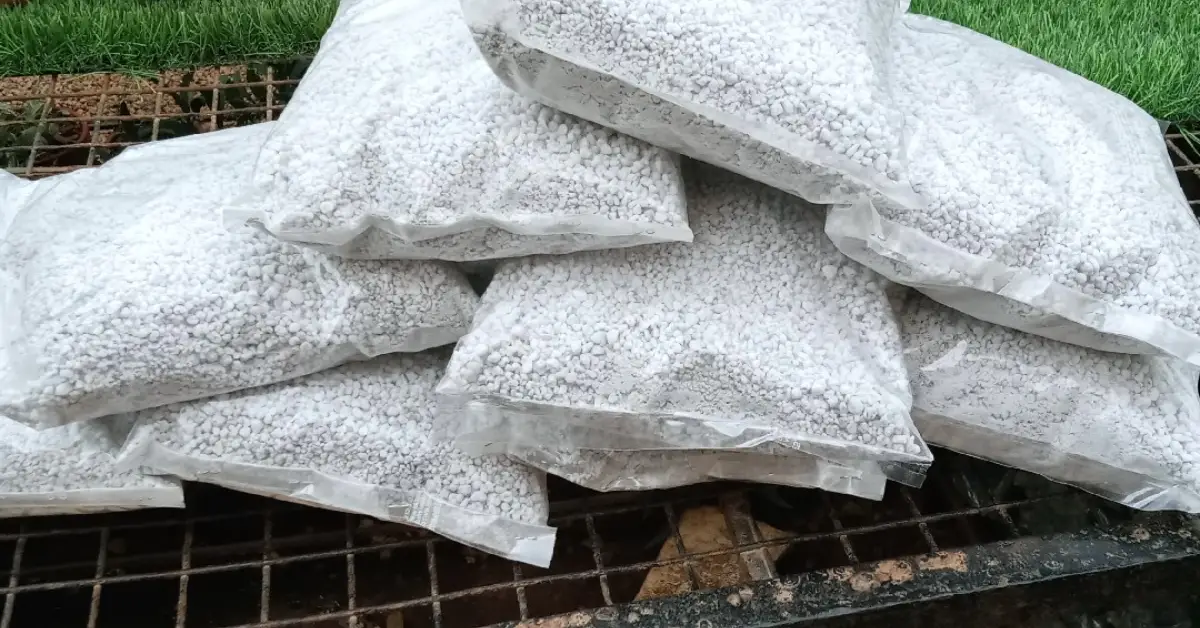
If you’re ready to pick up a bag of vermiculite or perlite, a few smart choices upfront can save you money and potential issues later.
Grades and Texture Differences
Both amendments come in different grades: fine, medium, and coarse.
- Fine grade: Great for seed starting and propagation.
- Medium grade: Ideal for houseplants and indoor pots.
- Coarse grade: Best for outdoor beds or plants needing strong drainage (like succulents).
Always check the label before buying — larger grades don’t work well in delicate seed trays.
Safety Note on Vermiculite
You might have heard old concerns about asbestos contamination in vermiculite. That issue was linked to a single mine decades ago. Today’s horticultural-grade vermiculite is tested and completely safe for gardening.
Budget, Availability, and Storage Tips
- Budget: Perlite is generally cheaper and lasts longer since it doesn’t break down.
- Availability: You’ll find both at nurseries, hardware stores, or online garden suppliers.
- Storage: Keep them dry and sealed — moisture can cause vermiculite to clump and perlite dust to harden.
Both materials are reusable — just rinse, dry, and re-blend when repotting.
When you understand how to mix, balance, and care for these soil amendments, you stop guessing — and start growing smarter. Whether you’re nurturing seedlings, maintaining houseplants, or tending raised beds, getting your ratios right is what transforms “okay soil” into the perfect growing foundation.
Summary & Best-Practice Recommendation Table
By now, you know that vermiculite and perlite aren’t competitors — they’re complementary tools for shaping how your soil behaves. Here’s a quick recap you can skim before your next potting session or soil refresh.
| Feature | Vermiculite | Perlite |
|---|---|---|
| Best For | Seed starting, moisture-loving houseplants, sandy or fast-draining soils | Succulents, cacti, orchids, clay soils, humid climates |
| Avoid If | Your plants need dry roots or you tend to overwater | You’re growing seedlings or plants that need consistent moisture |
| Typical Use | Seed trays, propagation, tropical plant mixes | Pots, raised beds, heavy soils, hydroponic systems |
| Suggested Mix Ratio | 60 % vermiculite + 40 % perlite for water retention | 60 % perlite + 40 % vermiculite for drainage and airflow |
If you’re unsure which way to go, start with a blended mix and tweak it based on how quickly your soil dries or how your plants respond. Every garden is unique — the right balance depends on your local climate and watering habits.
Have your own soil-mix success story or question? Drop it in the comments on Plant Care Dairy — I’d love to hear how you’re using vermiculite and perlite in your garden!
Disclaimer: The information in this article is for general gardening guidance only. Always check your plant’s specific needs, local soil conditions, and product labels before use. Plant Care Dairy is not responsible for individual results or misuse of soil amendments.