

If you’ve ever brought home a split-leaf philodendron and wondered why it never quite turns into that lush, dramatic jungle beast you see in photos, you’re not alone. There’s a lot of confusion around pots, soil, watering, and light for this plant, especially when you’re growing it in containers.
In this guide, I’ll walk you through exactly how to grow split-leaf philodendron in containers so you get huge, healthy leaves instead of a stressed, floppy plant. You’ll learn how to choose the right pot, mix the perfect soil, dial in light and water, manage humidity, feed, prune, and repot at the right time.
When I grew my first split-leaf philodendron, I stuck it in a pretty but undersized pot right next to a blazing south-facing window. Within weeks, the leaves were scorched, the soil stayed soggy at the bottom, and the whole plant looked miserable. Once I swapped the pot, adjusted the soil, and moved it to bright, indirect light, it turned into the showstopper I’d hoped for. I want to shortcut that learning curve for you.
Know Your Split-Leaf Philodendron (And Why Containers Matter)

What Makes Split-Leaf Philodendron So Dramatic
Split-leaf philodendron (Philodendron bipinnatifidum) is a statuesque tropical evergreen with deeply lobed, architectural foliage. Indoors, those leaves can grow up to three feet long and spread two to four feet wide. For a detailed overview of philodendron varieties and their indoor care requirements, you can check out this guide on growing philodendron houseplants for tips that complement what we cover here.
Outdoors in the right climate, a mature plant can develop leaves as long as five feet, with thick leaf stalks adding another two to three feet of height. Even in a container, this plant can easily become the visual anchor of a room or patio.
Split-Leaf vs. Monstera: Why the Confusion?
Many gardeners confuse split-leaf philodendron with Monstera deliciosa, and I’ve definitely had people point at mine and call it a monstera. The leaves can look similar at a glance, which doesn’t help.
The key difference is growth habit. Split-leaf philodendron has a clumping, tree-like form with a woody, trunk-like stem as it ages. Monstera, on the other hand, is a climber with a vining habit. Once you notice this, it becomes much easier to tell them apart.
Why Containers Are Your Best Friend in Cooler Climates
Split-leaf philodendron is native to subtropical and tropical rainforests in South America. It can live outdoors year-round only in very mild climates, roughly USDA zones 9–11.
For most of us, containers are essential. Growing in a pot lets you enjoy this plant outdoors in warm weather, then move it inside before temperatures drop. For tips on maximizing container gardening year-round, see our article on how to grow arugula indoors all year. The trick is to recreate rainforest conditions inside that container as closely as possible: loose, rich soil, steady moisture, warmth, humidity, and bright, filtered light.
Build the Perfect Pot and Soil Setup

Choosing a Pot Size That Keeps Roots Happy
When it comes to containers for this plant, size and stability really matter. Split-leaf philodendron is a large, heavy-topped plant, so a tiny or narrow pot is just asking for tipping and root stress.
I recommend starting with a pot that is 2–4 inches wider than the current root ball. For a mature plant, that usually means a container about 18–24 inches wide. It sounds big because it is, but the root system needs that room to support the massive canopy.
- Start modest: Don’t jump from a small nursery pot to a huge tub. Oversized pots hold too much moisture and can cause root rot.
- Ensure drainage: Always use a pot with drainage holes. If you love a decorative pot with no holes, slip a plastic nursery pot with drainage inside it.
- Choose a wide base: A pot with a wide, deep base helps keep this top-heavy plant from tipping, especially as it grows taller.
- Consider mobility: For indoor–outdoor plants, a pot stand with wheels or a rolling base makes seasonal moves much easier.
Best Pot Materials for a Top-Heavy Giant
I’ve experimented with almost every container material for split-leaf philodendrons, and each has pros and cons. The best choice depends on how often you move the plant and where you keep it.
- Terracotta: Beautiful, breathable, and heavy enough to anchor a large plant. The downside is that it’s hard to move and can dry out quickly indoors.
- Plastic or resin: Lightweight, affordable, and great at retaining moisture. They’re perfect if you move your plant in and out seasonally, but very light pots can be unstable for big specimens.
- Fiberglass: Durable, usually lightweight, and often stylish. These cost more than plastic but don’t offer much extra beyond aesthetics and durability.
- Stone or concrete: Extremely stable and ideal for permanent outdoor placements. However, they’re so heavy that moving a large plant indoors for winter becomes a serious chore.
Whichever material you choose, drainage holes are non-negotiable. This plant hates sitting in soggy soil.
Rainforest-Inspired Soil Mix for Containers
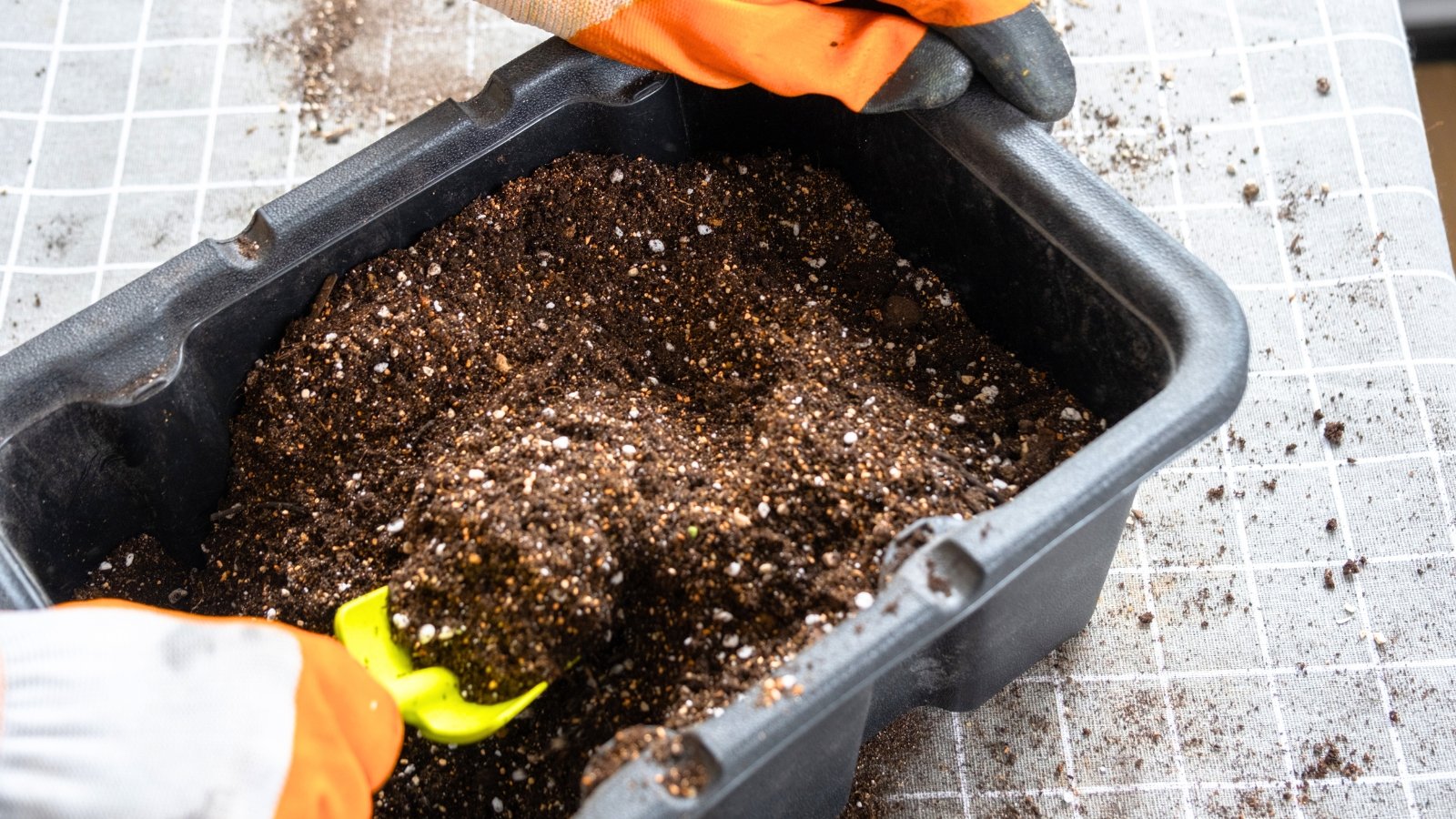
Split-leaf philodendron thrives in a soil mix that mimics the loose, rich, well-aerated forest floor. You want a mix that drains quickly but still holds moisture so you’re not watering constantly.
The ideal container mix is chunky, slightly acidic, and full of organic matter. For more on mixing soil specifically for split-leaf philodendrons, Marcum’s Nursery has a helpful guide that goes in-depth on creating a nutrient-rich, airy mix. You can buy a pre-made aroid mix, or you can blend your own. Here’s a recipe I’ve used with great success:
- One part peat moss or coco coir: Provides moisture retention and a slightly acidic pH.
- One part pumice or perlite: Increases drainage and keeps the mix airy so roots can breathe.
- One part orchid bark or pine bark: Adds chunky structure, mimicking leaf litter and bark on the rainforest floor.
- A handful or two of compost or worm castings: Boosts nutrients and enriches the mix with organic matter.
If you prefer something simpler, you can start with:
- Two parts high-quality potting soil
- One part perlite
- One part peat moss or coco coir
The goal is a mix that feels light and springy in your hand, never heavy or dense. If your soil compacts into a solid clump, it’s too tight for this plant’s roots.
Dial In Light, Location, and Water
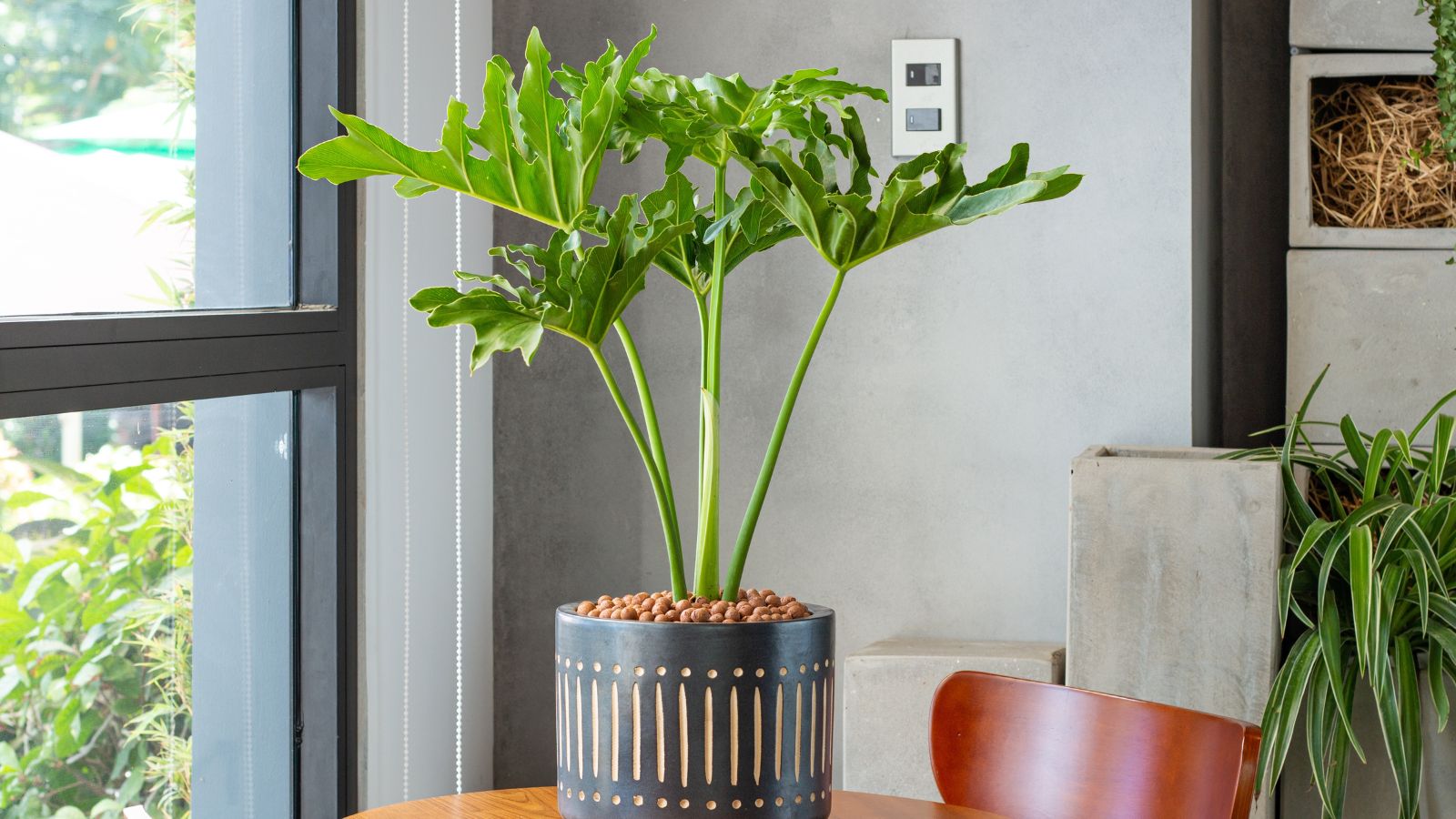
Finding Bright, Indirect Light Indoors
In the wild, split-leaf philodendron grows on the rainforest floor where it receives dappled sunlight filtered through a canopy. If you want more insight into natural light preferences and environmental needs of split-leaf philodendrons, this Rainforest Garden plant profile provides a great reference. Indoors, we translate that to bright, indirect light.
In my home, the best spots are a few feet back from an east or west window, or off to the side of a bright south window. The plant gets plenty of ambient light but almost no harsh midday sun on its leaves.
- Best indoor location: Near a sunny window, but not in the direct path of strong rays.
- Use sheer curtains: A sheer curtain is a great “light filter” if your plant would otherwise bake in direct sun.
- Rotate regularly: Every few weeks, turn the pot a quarter to half turn so the plant grows evenly and doesn’t lean toward one side.
For more tips on how light duration affects indoor plant growth, check out our guide on grow light duration for indoor plants.
Avoiding Sunburn, Leaning, and Tiny Leaves
Split-leaf philodendron can tolerate medium light, but the trade-off is smaller leaves and a plant that leans heavily toward the brightest source. In too little light, growth becomes leggy and sparse.
Too much direct light is a different problem. Leaves may grow large, but sunburn shows up as yellow or brown patches where the sun hits most intensely.
- Signs of too little light: Long, stretched stems, small new leaves, and a plant that leans dramatically toward the window.
- Signs of too much light: Yellow or brown scorch marks, fading or washed-out foliage, and crispy edges.
- Balanced light sweet spot: Bright room, no prolonged harsh rays directly on the leaves.
A Simple Watering Routine You Can Actually Stick To

Watering is where many people accidentally hurt their split-leaf philodendron. This plant likes consistently moist but never soggy soil, and the right pot and soil mix make that much easier.
Instead of following a strict schedule, I treat watering as a check-in. I use the “finger test” every time, especially since light, temperature, and humidity all affect how fast the soil dries.
- Check the top 2 inches: Stick your finger about two inches into the soil. If the top inch or two feels dry, it’s time to water. If it’s still damp, wait a few more days.
- Water thoroughly: When you water, soak the soil evenly until water drains from the bottom. Don’t leave the pot sitting in a saucer full of water.
- Adjust seasonally: In spring and summer, when the plant is actively growing, it will use more water. In winter, it’s semi-dormant and needs less.
If you keep watering heavily during winter when the plant is resting, root rot becomes a real risk. Cooler temperatures + reduced growth + wet soil is a bad combination.
Keep the Climate, Feeding, and Pruning On Track
Temperature and Humidity: Recreating the Rainforest
To really thrive, your split-leaf philodendron wants a warm, humid environment similar to its native rainforest. Indoors, that means choosing locations away from drafts and extreme temperature swings.
The ideal temperature range is 65–85°F (18–29°C). Once temperatures dip below about 55°F (13°C), growth slows and the plant can become stressed.
- Watch for drafts: Keep your plant away from doors, leaky windows, AC vents, and heaters that blast hot, dry air.
- Look for stress signals: Sudden leaf drop or yellowing leaves can be a sign of temperature shock or rapid fluctuations.
- Boost humidity: While it can tolerate 40–50% humidity, it prefers 60–80%. Bathrooms with good light or grouped plants on a pebble tray can help.
In my house, the split-leaf philodendron lives near a bright bathroom doorway where it gets both good light and consistent humidity. It’s noticeably happier there than in drier rooms.
Feeding for Jungle-Sized Leaves

Because split-leaf philodendron grows large and produces huge leaves, it’s a naturally hungry plant. In containers, nutrients wash out over time, so regular fertilizing makes a big difference in vigor and leaf size.
Rather than feeding heavily once in a while, I’ve had the best results with a gentle, steady approach during the growing season.
- During spring through fall: Feed every 4–6 weeks with a balanced, water-soluble fertilizer (such as 10-10-10), diluted to half strength.
- Use tropical formulas if available: Fertilizers formulated for foliage or tropical plants work well, especially those slightly higher in nitrogen for leaf growth.
- Try slow-release granules: Apply a slow-release fertilizer twice a year, once in spring and once in mid-summer, mixing it into the top inch of soil.
In late fall and winter, when growth slows, cut back or stop fertilizing. The plant simply doesn’t use as many nutrients, and excess fertilizer can build up and burn the roots.
Smart Pruning Before the Growth Spurt

Pruning split-leaf philodendron is mostly about keeping it tidy and healthy, rather than shaping it into something rigid. Still, a bit of strategic pruning makes the plant look fuller and encourages better growth.
Year-round, I remove any leaves that are yellowing, browning, or badly damaged. These leaves are an energy drain that the plant could instead put into fresh foliage.
- Best time for bigger pruning: Late winter, just before spring growth kicks in, is ideal for more substantial shaping.
- Start with the worst leaves: Use clean, sharp pruners to remove yellow or brown leaves first.
- Thin the interior: If your plant is crowded and bushy, cut a few inner stems to improve air and light penetration.
- Aerial roots are optional: You can leave them for extra support and moisture absorption or trim them for appearance. They’re not essential for survival.
If you want to expand your collection, learn how to propagate split-leaf philodendron using these aerial roots and stem cuttings. I personally like the wild, jungle look and leave most aerial roots, but trim any that are snagging or getting in the way.
Repotting, Troubleshooting, and Long-Term Care
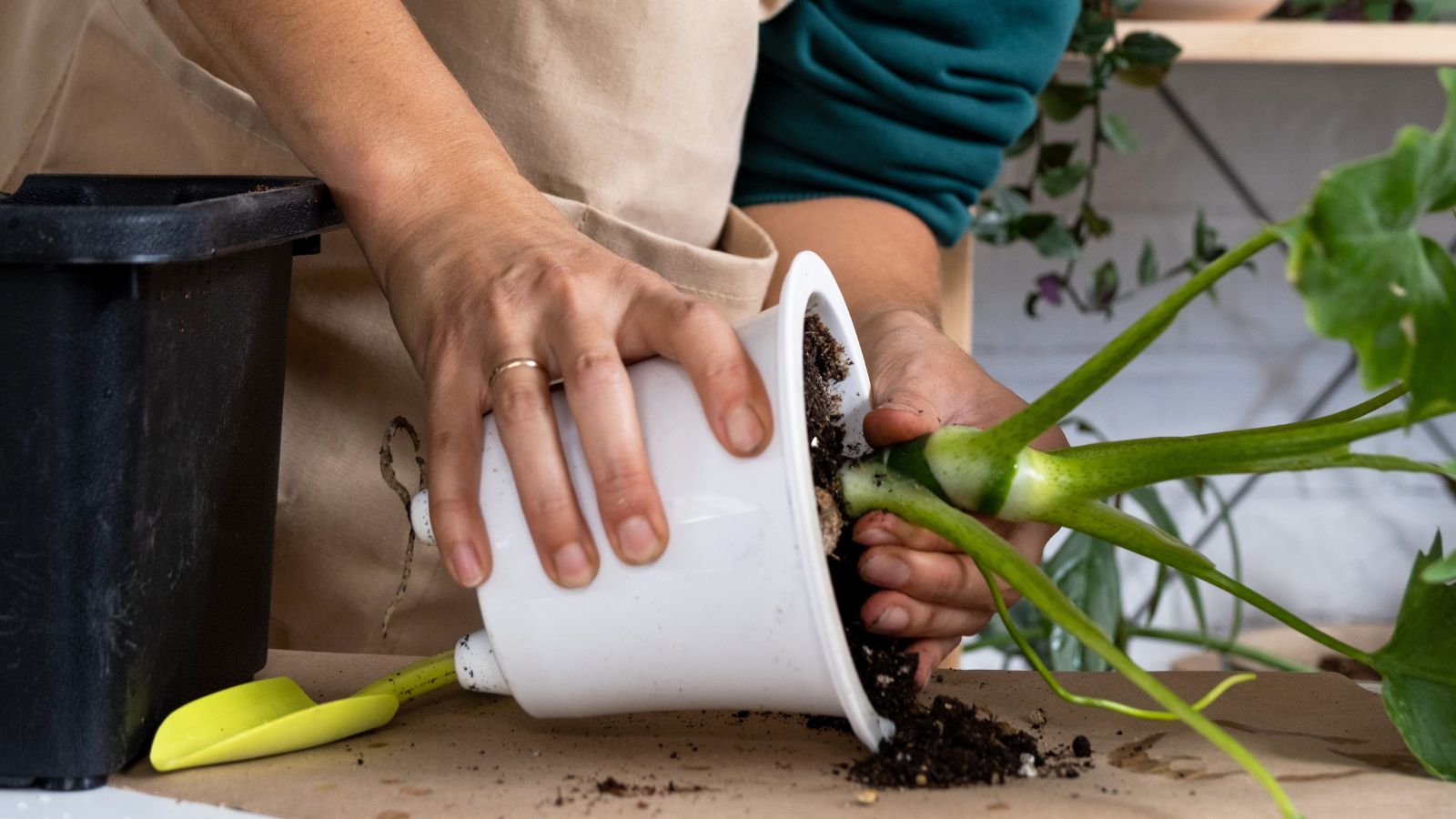
When Your Philodendron Has Outgrown Its Pot
Split-leaf philodendron is a moderately fast grower, especially in warm weather. Outdoors in good conditions it can take off quickly, while indoors it typically grows at a steady, moderate pace.
This plant does not like being severely root-bound. When roots are crammed against the pot sides, it becomes harder for the plant to take up water and nutrients, and overall growth slows.
- Repot every 2–3 years: As a general rule, plan to upgrade the pot every couple of years.
- Watch for circling roots: When roots circle the inside of the pot or start growing out of the drainage holes, it’s time for a bigger container.
- Increase pot size gradually: Move up by about 2–4 inches in diameter. Bigger jumps can create moisture issues.
How to Repot Without Causing Root Rot
Repotting a large split-leaf philodendron can feel daunting, but with a plan it’s very manageable. I like to repot in early spring, just before the main growth season.
The key is to disturb the roots just enough to help them redirect into fresh soil without shocking the plant.
- Prepare the new pot: Make sure it has drainage holes and is filled about one-third with fresh, well-draining aroid mix.
- Loosen the root ball: Slide the plant out of its old pot and gently tease apart any circling roots.
- Set the height: Place the plant so the top of the root ball sits at the same level as before, not buried deeper.
- Backfill and water: Fill in around the roots with fresh mix, firming lightly, then water thoroughly and let excess drain away.
Remember, a larger pot will stay wet longer at first. After repotting, be extra mindful of overwatering until you see new growth and the plant settles in.
Quick Troubleshooting for Sad Leaves
Even with good care, your plant will occasionally send you distress signals. I’ve found that most problems trace back to just a few issues: water, light, or temperature.
- Yellow leaves: Often caused by overwatering, poor drainage, or sudden temperature changes. Check soil moisture and pot drainage first.
- Brown, crispy edges: Usually linked to low humidity, underwatering, or too much direct sun.
- Drooping leaves: Can be from both underwatering and overwatering. Feel the soil to see which one is the culprit.
- Slow or stunted growth: Could be a sign of being root-bound, lacking nutrients, or sitting in low light.
When something looks off, I always check the basics: soil moisture, drainage, light exposure, and recent temperature changes. Fixing one of those usually turns things around.
Smart Split-Leaf Philodendron Care Checklist
Growing a split-leaf philodendron in containers is really about working with the plant’s natural preferences instead of fighting them. When you give it a stable pot, airy soil, bright filtered light, consistent moisture, warmth, and food, it will reward you with huge, sculptural leaves.
Over time, you’ll start to notice patterns: how quickly the soil dries in summer vs. winter, how the plant leans toward light, and how much happier it looks with a humidity boost. That awareness is the heart of smart, responsive gardening.
Quick Reference Table for Split-Leaf Philodendron in Containers
| Care Factor | Ideal Condition | What to Watch For |
|---|---|---|
| Light | Bright, indirect light; no harsh mid-day sun | Leaning and small leaves (too little); yellow/brown scorch (too much) |
| Water | Soil kept evenly moist; top 1–2 inches dry between waterings | Constantly wet soil, mushy stems, yellow leaves (overwatering) |
| Soil | Loose, chunky, well-draining aroid mix with organic matter | Compacted soil, poor drainage, roots circling tightly |
| Temperature | 65–85°F (18–29°C), away from drafts and heaters | Leaf drop or yellowing after cold drafts or big temp swings |
| Humidity | 60–80% preferred; tolerates 40–50% | Brown leaf edges, crispy tips in very dry air |
| Fertilizer | Balanced fertilizer every 4–6 weeks in growing season or slow-release twice yearly | Salt buildup, leaf burn, or no growth if overfertilized or underfed |
| Repotting | Every 2–3 years; pot up 2–4 inches when roots circle or escape drains | Stunted growth, frequent wilting, roots emerging from drainage holes |
Actionable Care Checklist
- Pick a stable container: Choose a pot 2–4 inches wider than the root ball, with a wide base and drainage holes.
- Use the right mix: Fill the pot with a loose, chunky, well-draining aroid-style soil blend.
- Place in bright, indirect light: Keep it near a bright window with filtered or dappled light, rotating every few weeks.
- Water by feel, not by calendar: Water when the top 1–2 inches are dry, and never let it sit in standing water.
- Maintain warmth and humidity: Aim for 65–85°F and, when possible, boost humidity into the 60–80% range.
- Feed during active growth: Fertilize lightly but consistently from spring through fall, then ease off in winter.
- Prune with purpose: Remove damaged leaves as needed and do shaping cuts in late winter before growth surges.
- Repot gradually: Move up in pot size every 2–3 years or when roots circle, avoiding huge jumps in container volume.
If you follow this checklist and stay curious about how your plant responds, your split-leaf philodendron will become one of the most impressive container plants in your collection. The more you observe and tweak, the more intuitive its care will feel.
I’d love to hear how your plant is doing and what’s worked for you. Head over to Plant Care Dairy and share your questions or experiences in the comments so we can all learn from each other.
Disclaimer: The information in this article is for general educational purposes only and is not a substitute for professional horticultural or veterinary advice. Always consider your specific growing conditions, product labels, and local regulations, and consult a qualified professional if you are unsure about the best care practices for your plants or the safe use of any products mentioned.