
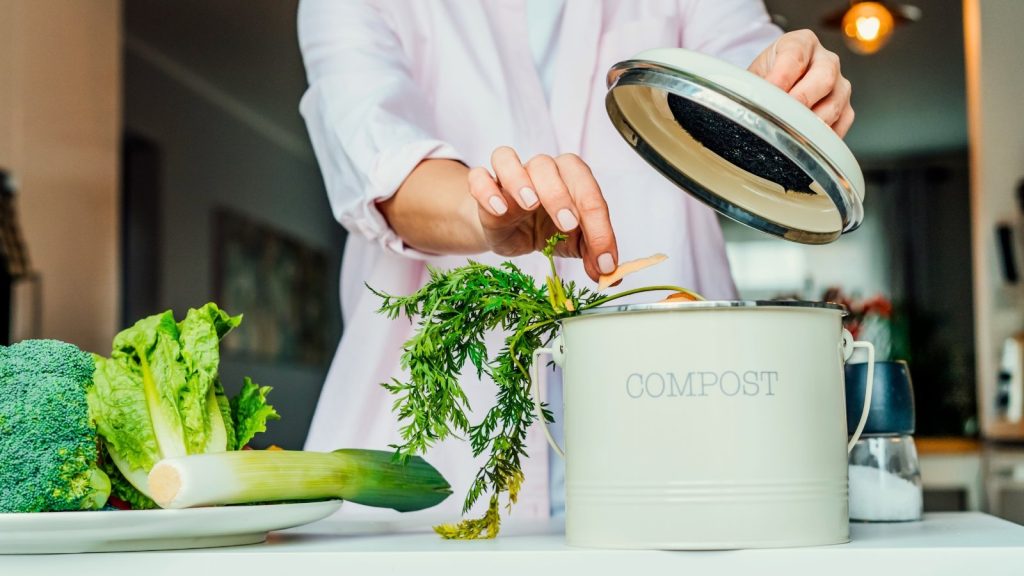
Indoor composting can feel confusing, but it doesn’t have to be. My goal here is to cut through the noise and give you clear, actionable guidance so you can turn kitchen scraps into a healthy soil amendment—without smells, pests, or wasted effort.
By the end, you’ll know exactly which method fits your space, your routine, and the time of year. I’ll walk you through bokashi fermentation, worm bins, countertop composters, black soldier fly larvae, and simple holding buckets for winter. You’ll learn what to buy, how to set up, what to feed, when to harvest, and what to avoid.
Quick story: I started indoors with a tiny bokashi bucket under the sink. I was skeptical, but two weeks later I buried the fermented scraps and watched garden soil come alive first thing in spring. If you’ve ever wondered, “Can this really work inside?”—I’ve been there, and the answer is yes.
Bokashi Composting Indoors: The Low-Odor Fermentation Approach

Bokashi composting is a method of fermentation rather than traditional decomposition. Think of it as pickling your kitchen waste so it’s stable, less smelly, and faster to break down once moved outside.
What It Is And Why It Works
Bokashi relies on inoculated bran containing beneficial microbes. When you alternate layers of food scraps with bran and seal the container, the environment turns anaerobic and acidic. For a detailed beginner-friendly guide on starting home composting, you can also check out this comprehensive guide on how to compost at home by Pete & Gerry’s, which complements bokashi and other indoor methods. That controlled acidity suppresses odors while jump-starting the breakdown process.
After about two weeks of fermenting, the material isn’t finished compost—it’s “pre-compost.” Bury it in soil, add it to a cold pile, or hold it until warmer weather so microbes outdoors can finish the job.
What You Need
- Air-tight bucket or tote: A tight lid keeps the environment anaerobic and odor low.
- Bokashi bran (inoculated): The microbial starter that drives fermentation.
- Food scraps: Fruit and veggie waste, coffee grounds, bread, and more. Small meat/dairy can go in—unlike most indoor methods—because the acidity controls odors until you bury it.
- Drain spigot or strainer (optional): Some systems collect leachate; dilute heavily before using on ornamentals.
Step-By-Step Bokashi Routine
- Layer the bran: Sprinkle a thin layer of bokashi bran at the bottom of the bucket.
- Add scraps in small batches: Place food waste on top, press down to remove air pockets, and cover with another light layer of bran.
- Seal and repeat: Keep the lid tightly closed between additions; alternate waste and bran layers until the bucket is full.
- Ferment for two weeks: Once full, let the sealed bucket sit at room temperature for ~14 days.
- Finish outdoors: Bury the fermented mix in a trench, add it to a cold compost pile, or hold it in a garage until spring if the ground is frozen.
If you’re storing composted scraps for seasonal planting, you can pair the nutrients with flowers suitable for this time of year, like the ones listed in our guide on flower seeds you can plant in November.
Pro Tips And What To Avoid
- Keep it dry-ish: Don’t add liquids like soups; too much moisture can cause off odors.
- Chop large pieces: Smaller bits ferment more evenly and faster.
- Mind the cold: Outdoor compost slows or stops in freezing weather; store full buckets in a cool, unused room or garage until you can bury the contents.
- Use bran consistently: Skipping layers reduces odor control and fermentation quality.
Vermicomposting With Red Wigglers: Small-Space Powerhouse

Vermicomposting uses composting worms—typically red wigglers—to turn kitchen scraps into rich worm castings (humus). Indoors, trays or bins make feeding and harvesting clean and manageable.
How Worm Bins Turn Scraps Into Humus
Worms eat decaying matter and the microbes living on it. As they digest, they produce castings that are nutrient-dense and plant-ready. A well-balanced worm bin is aerobic, so it should smell earthy—not rotten.
Setup Essentials
- Choose red wigglers: They thrive in bins and tolerate variable conditions better than earthworms.
- Create a breathable home: Use a ventilated bin or stacking trays with small air holes to keep oxygen flowing.
- Bedding matters: Shredded newspaper, paper towel cores, or cardboard moistened like a wrung-out sponge. If you want more hands-on ideas for creating an effective indoor composting bin, this DIY guide from Better Homes & Gardens shows step-by-step setups that work well for small spaces like apartments.
- Temperature sweet spot: Keep bins near room temperature; avoid hot attics or freezing garages.
Feeding, Grit, And Routine Care
- Feed light, then adjust: Start with small amounts of fruit and veggie scraps; increase as worms multiply.
- Add grit: Crushed eggshells, a pinch of calcium, or a bit of garden soil helps worms grind food internally.
- Avoid problem items: Grease, oils, spicy peppers, and lots of citrus can stress the bin.
- Balance moisture: If too wet, mix in dry shredded paper; if too dry, mist lightly.
Harvesting And Troubleshooting
- Tray systems simplify harvest: Move fresh food to a new tray; worms migrate up, leaving castings below. Once your compost or worm castings are ready, they make excellent soil amendments for popular houseplants—like our step-by-step guide on how to propagate split-leaf philodendron demonstrates.
- Watch for odors: Rotten smells signal overfeeding or low airflow—reduce inputs and fluff the bedding.
- Fruit flies? Bury fresh scraps under bedding and keep the lid closed.
- Keep it aerobic: Drill tiny ventilation holes if needed; worms prefer oxygen-rich environments.
Countertop Composters: Fast Pre-Processing For Tiny Spaces

Countertop composters are compact machines that dehydrate, grind, and heat-treat scraps, producing a dry, compost-like material. While it’s not finished compost, it’s an excellent amendment for houseplants and a great pre-processor for outdoor piles.
How These Machines Work
They use a cycle of heat, motion, and friction to evaporate moisture and reduce volume. The result is a uniform, dry product that won’t rot on your counter and is easy to store until you can blend it into soil or a compost system.
What To Expect From The Output
- Dry, shelf-stable material: Mix it into potting soil for seedlings or top-dress houseplants in small amounts. For indoor gardeners using worm castings or countertop compost output, understanding the right grow light duration for indoor plants ensures your seedlings thrive even in low-light apartments.
- Faster outdoor finish: When added to a backyard pile, it breaks down quickly thanks to its small particle size.
- Not a complete compost: Treat it like a pre-processed amendment; microbial diversity comes from soil contact.
When To Choose A Countertop Unit
- Apartment-friendly: Ideal when you have no balcony, yard, or place for a bin.
- Winter workaround: Keep scraps out of the trash while outdoor composting is slow or frozen.
- Odor control priority: Dry output keeps smells minimal indoors.
Care And Buying Tips
- Size for your household: Choose a capacity that matches how often you cook and generate scraps.
- Clean the chamber: Wipe residue to prevent lingering odors.
- Use with other methods: Combine with bokashi or a worm bin for a complete soil-building system.
Black Soldier Fly Larvae: Heavy-Duty Decomposers For Tough Scraps

Black soldier fly (BSF) larvae are voracious eaters that can process a wide range of organic waste, including small amounts of meat and dairy. They’re especially useful if you have higher volumes of kitchen scraps and want rapid reduction.
Life Cycle 101
Adult flies lay eggs near the bin, those eggs hatch into larvae, larvae feed and grow, then pupate and become adults. A proper indoor setup contains that cycle so you can reap the benefits without uninvited guests roaming your kitchen.
Setting Up The Bin
- Base bedding: Start with shredded newspaper mixed with a little garden soil for microbes and structure.
- Moist but not soggy: Aim for damp-sponge moisture so larvae can move and feed effectively.
- Secure enclosure: Use tight-fitting lids and escape ramps that guide mature larvae to a harvest cup.
What They Can Eat
- Kitchen waste: Fruit and veggie scraps, coffee grounds, and leftovers break down quickly.
- Small amounts of meat/dairy: BSF larvae handle items that worm bins and standard composters struggle with.
- Don’t overfeed: Excess food invites other pests—add modest amounts and observe consumption rates.
Harvesting And Safety Tips
- Harvest outdoors when possible: Opening the bin outside prevents adult flies from escaping into your home.
- Let them self-harvest: Many bins include ramps so mature larvae crawl into a cup—clean, efficient, and hands-off.
- Finish the residue: The remaining material is nutrient-rich but benefits from outdoor composting or soil incorporation.
The Humble Compost Bucket & Winter Holding Strategy
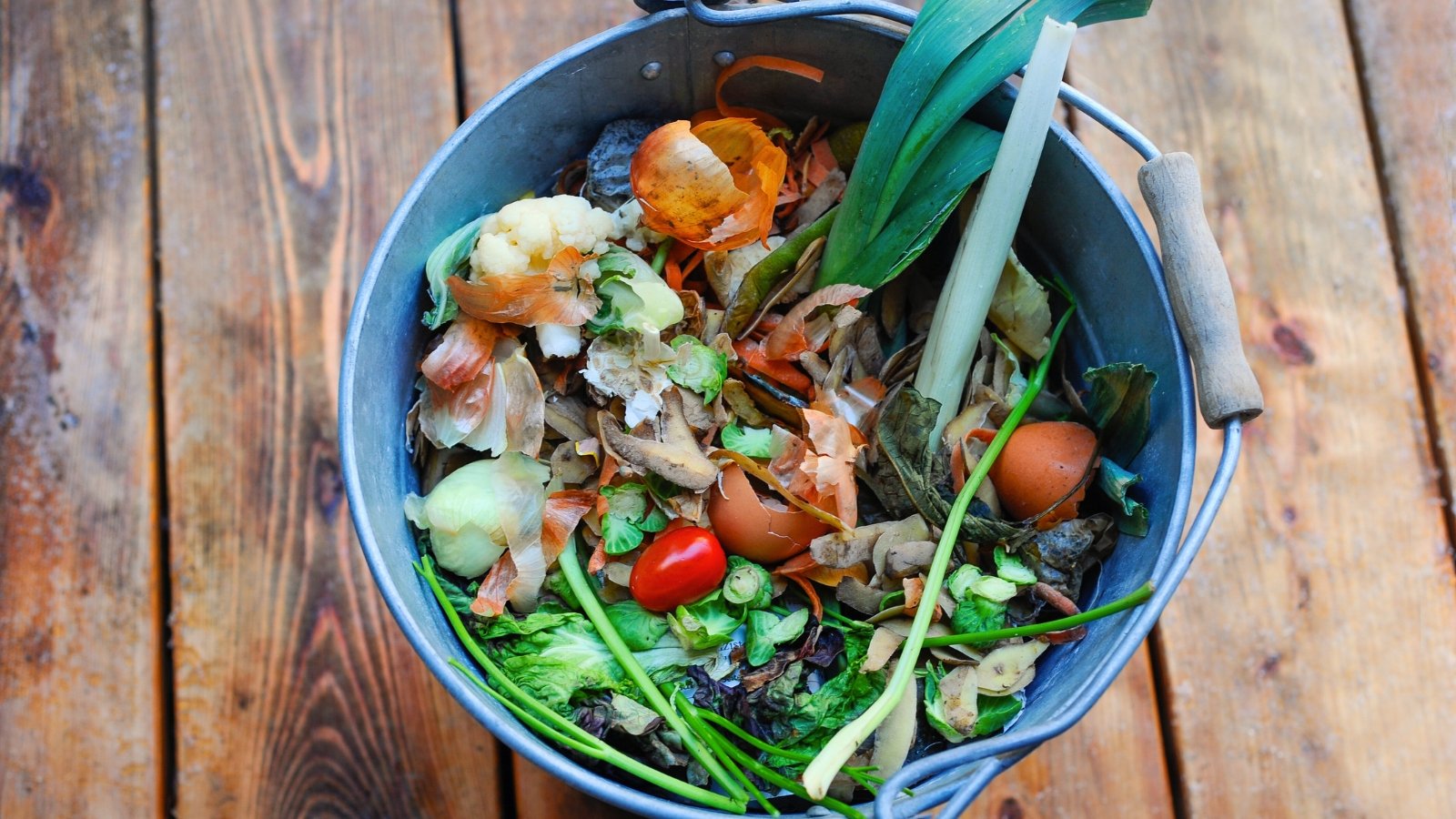
Sometimes the smartest move is simply holding scraps safely until conditions are right outdoors. A sealed compost bucket is a staging area for your primary system—piles, tumblers, trenches, or springtime burial. For additional tips on keeping kitchen scraps managed year-round, Republic Services offers practical advice on indoor composting in apartments and small spaces.
Why A Holding Bucket Helps
- Buffer during cold snaps: Outdoor composting slows or halts in winter; storing scraps avoids attracting critters.
- Easy routine: Keep a lidded bin near the kitchen and empty it into your main system on a schedule.
- Flexible pairing: Works with bokashi, worm bins, or countertop units as part of your overall flow.
Odor Control Indoors
- Seal it tight: Choose a bin with a locking lid or gasket.
- Add bokashi bran: Sprinkle bran to suppress smells and start gentle fermentation.
- Empty regularly: Frequent trips outside or to your main method keep odors at bay.
Moving Material Outdoors
- Trench composting: Bury scraps 8–12 inches deep to deter pests and speed breakdown.
- Tumblers and piles: Add material in thin layers; mix with browns (leaves, shredded paper) when temperatures rise.
- Rodent safety: Use closed tumblers or deeply buried trenches in active wildlife areas.
Space-Savvy Options
- Apartment tip: Use a compact, gasketed container that fits under the sink.
- Garage or spare room: In freezing weather, store sealed buckets or bokashi bins until spring.
Quick Reference Checklist & Summary
Here’s the streamlined, no-fuss guide I use to match the right method to the right home. When in doubt, remember: don’t throw it out. Diverting waste from landfills helps your garden and the planet.
One-Minute Method Match
- Zero outdoor space? Choose a countertop composter. Mix output into potting soil or save it for a future pile.
- Small indoor space, minimal odor: Go with bokashi; it ferments quietly and finishes outdoors.
- Rich castings for houseplants: Try vermicomposting with red wigglers.
- Lots of scraps, including meat/dairy: Consider black soldier fly larvae (with a secure bin).
- Winter slowdown? Use a sealed compost bucket to hold material until warm weather returns.
Setup Reminders
- Chop scraps small: Faster processing and fewer odors across all methods.
- Mind moisture: Worms prefer damp bedding; bokashi likes low free liquid; BSF need moist-but-not-soggy.
- Air vs. no air: Worms want oxygen; bokashi is anaerobic; countertop units are mechanical; BSF bins are enclosed but not airtight.
- Finish outdoors: Bokashi, BSF residue, and countertop output benefit from soil contact for full composting.
At-A-Glance Comparison
| Method | Best For | Space/Odor | Meat/Dairy? | End Product Readiness |
|---|---|---|---|---|
| Bokashi | Low-odor, easy indoor routine | Small space / low odor | Yes (small amounts) | Pre-compost; finish in soil or pile |
| Vermicomposting | High-quality castings for plants | Small space / earthy smell | No | Finished castings ready for pots/beds |
| Countertop Composter | Fast, tidy processing in apartments | Very small / minimal odor | Some allow small amounts | Pre-processed; mix into soil or pile |
| Black Soldier Fly Larvae | Heavy-duty, high-volume scraps | Medium space / low odor if balanced | Yes (small amounts) | Residue benefits from outdoor finish |
| Compost Bucket (Holding) | Winter staging and odor control | Small to medium / sealed | Not recommended alone | Feeds into another method |
Common Pitfalls To Avoid
- Overfeeding any system: Leads to odors and pests; add small amounts and observe.
- Ignoring moisture: Too wet invites smells; too dry slows breakdown.
- Skipping bran in bokashi: Reduces fermentation quality and odor control.
- Adding grease and oils: Most systems struggle; keep them out.
- Opening BSF bins indoors: Harvest outdoors to avoid fly escapes.
Smart-Gardener Mindset
Indoor composting isn’t about perfection—it’s about progress. Start small, learn your system’s rhythm, and adjust. The win is twofold: fewer trips to the trash and healthier soil for your plants.
Ready to try it? Share your questions or experiences in the comments on Plant Care Dairy—I love hearing what worked for you and any tweaks you made along the way.
Disclaimer: The information in this article is for educational purposes only and is not a substitute for professional or local regulatory guidance. Always follow manufacturer instructions for equipment, practice safe food-waste handling, and comply with local composting rules and wildlife considerations.