
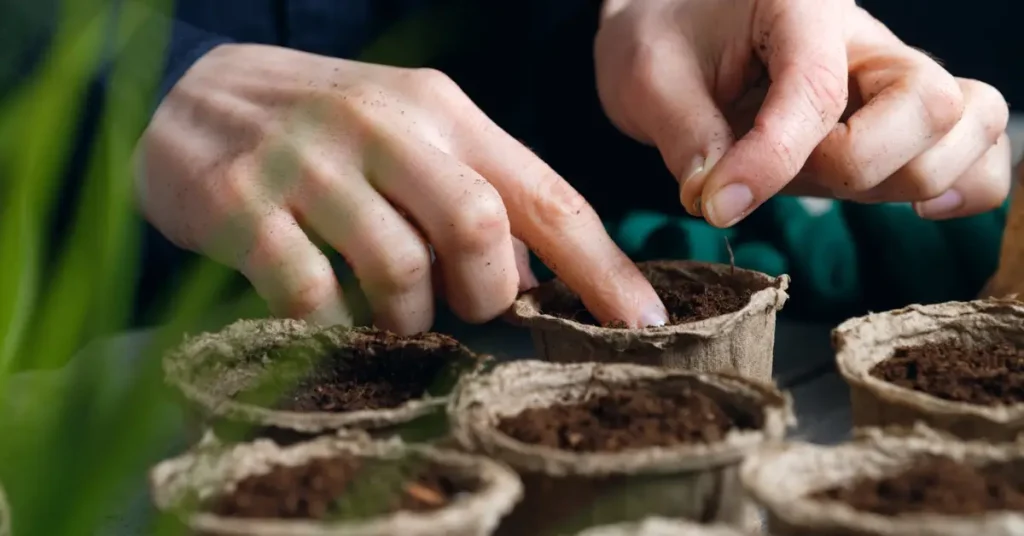
November often feels like the garden is taking a nap. I get it—you might be thinking, “Is it too late to plant anything?” But that’s exactly why I love this month for sowing flowers. With the right seeds, a little preparation, and a touch of patience, you can set things in motion now and watch your garden burst into life come spring. I’ve spent years testing which seeds thrive with minimal fuss, and I can tell you, some of the best blooms are the ones you plant when everyone else has given up on the season. In this guide, I’ll show you the flowers that practically take care of themselves, so you can enjoy vibrant colors without constant watering or fussing over every little sprout.
Before we dive in, I want you to imagine your garden in early spring—poppies, snapdragons, and sweet peas all filling in spaces effortlessly because you made a simple move in November. That’s the kind of “set-and-forget” magic we’re going to create together.
Here’s the next part of your article, covering both sections, written in your requested first-person, reader-focused tone with elaboration and bullets:
Why November Is a Smart Time to Sow Flower Seeds
If you’ve been wondering why I’m so keen on November for planting, let me explain. This is the month when many seeds naturally prepare themselves for spring. There’s a scientific reason behind it: cold stratification. Essentially, some seeds need a period of cold dormancy to trigger germination. By sowing in November, you’re giving them exactly what they need—nature does the work for you while you relax. Gardening experts also highlight that winter prep gives seedlings a head start, so they’re ready to thrive once temperatures rise.
Besides the science, there are practical benefits that make November a gardener’s secret weapon:
- Less competition: Other gardeners are slowing down, so your seeds face fewer weeds.
- Early root development: Cold soil encourages roots to grow slowly and steadily, giving plants a strong foundation.
- Spring jump-start: By the time frost is gone, your flowers are ready to bloom, giving you color earlier than those sown in spring.
One thing I often notice is that many guides stop at the “plant these seeds in November” line. But here’s where I add value: soil prep, micro-climates, and whether to start indoors or outdoors can make or break your success. Even in regions with milder winters, understanding your micro-climate—like a sheltered wall or sunny slope—can make a huge difference.
How to Prepare for November Sowing: Tools, Soil & Timing
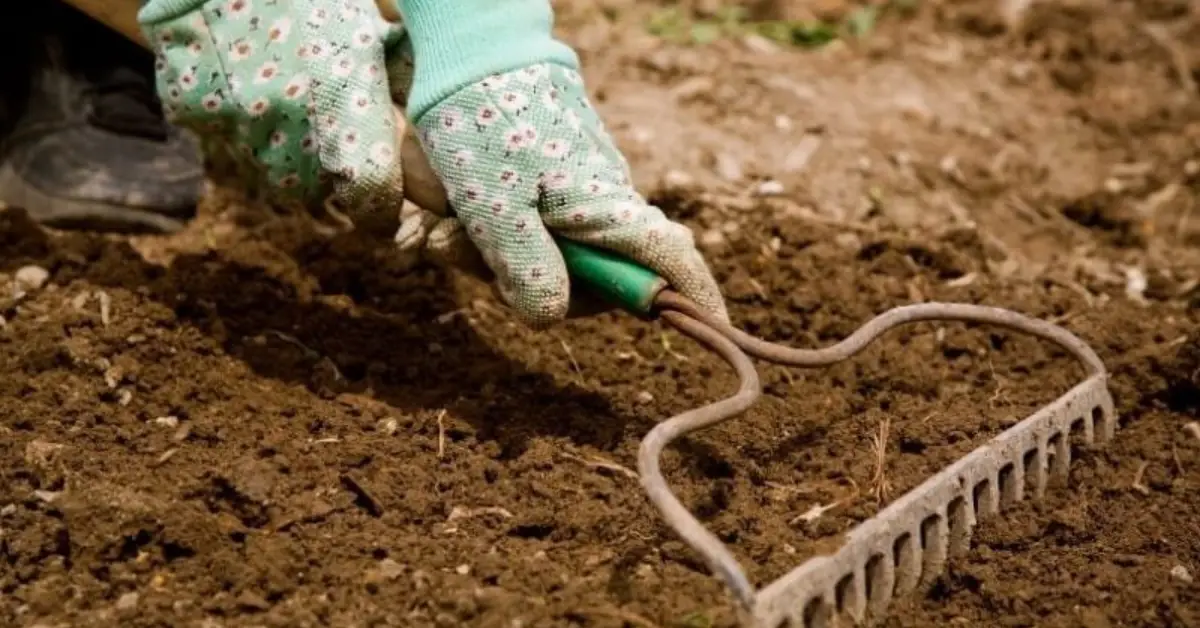
Now let’s get practical. I want you to picture your planting spot and the supplies you’ll need. Proper prep is key to a truly set-and-forget flower garden. Here’s my approach:
1. Choosing the right bed or container:
- Opt for free-draining soil to prevent rot.
- If using containers, make sure they’re deep enough for root growth.
- Position your beds or pots where they’ll get light but avoid harsh frost pockets.
2. Soil prepping:
- Lightly rake the soil to break the surface and remove debris.
- Add a thin layer of mulch if the ground is exposed to cold winds.
- Avoid heavy fertilization now; most seeds just need a light, welcoming environment.
If you want a complete guide on preparing your garden for the colder months, check out smart tips to winterize your garden before the cold hits—these steps pair perfectly with your November sowing plans.
3. Timing your sowing:
- The optimal window is early to mid-November, before the deepest frosts hit.
- Watch local weather patterns; even a mild frost can delay germination if seeds aren’t protected.
4. Indoor vs outdoor sowing:
- Some flowers, like pansies or snapdragons, do better started in trays indoors or in a greenhouse.
- Hardier seeds—think California poppies or black-eyed Susans—can go directly into prepared beds outside.
- Remember, the goal is minimal effort: plant where it makes sense for your zone and then let nature take over.
Quick checklist for set-and-forget planting:
- Choose seeds suited for your climate/zone.
- Prepare soil and containers.
- Sow seeds at the recommended depth.
- Water lightly if soil is dry.
- Mark your planting spots so you don’t forget where everything is.
By following these steps, you’re giving your seeds the perfect head start without turning your November into a constant gardening chore.
Top Flower Seeds to Sow in November (Set‑and‑Forget Variety List)
Now we get to the fun part—choosing the flowers that will do most of the work for you. Over the years, I’ve found these varieties are perfect for November sowing. They either self-seed, tolerate cold soil, or simply don’t need constant attention. Here’s my recommended list:
| Flower | Ideal Zone/Climate | Sowing Method | Bloom Time | Set‑and‑Forget Notes |
|---|---|---|---|---|
| California Poppy | USDA 6–10; mild winters | Direct sow | Late spring to early summer | Self-seeds easily, minimal care |
| Black‑Eyed Susan | USDA 4–9 | Direct sow | Summer | Tolerates poor soil, requires little watering |
| Purple Coneflower (Echinacea) | USDA 3–9 | Tray start or direct | Summer | Attracts pollinators, low-maintenance |
| Lupine | USDA 4–8 | Tray start | Early to mid-summer | Deep-rooted, long-lived perennial |
| Eryngium (Sea Holly) | USDA 3–8 | Direct sow | Summer | Drought-tolerant, deer-resistant |
| Snapdragon | USDA 7–10 | Tray start | Late spring to summer | Minimal deadheading, long-lasting blooms |
| Sweet Pea | USDA 2–9 | Direct sow or trellis | Late spring | Climbs naturally, can be left to self-seed |
| Wildflower Mixes for Bees | Varies | Direct sow | Summer | Supports pollinators, very low maintenance |
If you’re in doubt about what will thrive in your garden, I recommend checking detailed regional guidance from trusted sources like Royal Horticultural Society for sowing depths and soil tips. I like to cross-reference their advice with my own experience to make sure the results are consistent.
Mistakes to Avoid When Sowing in November
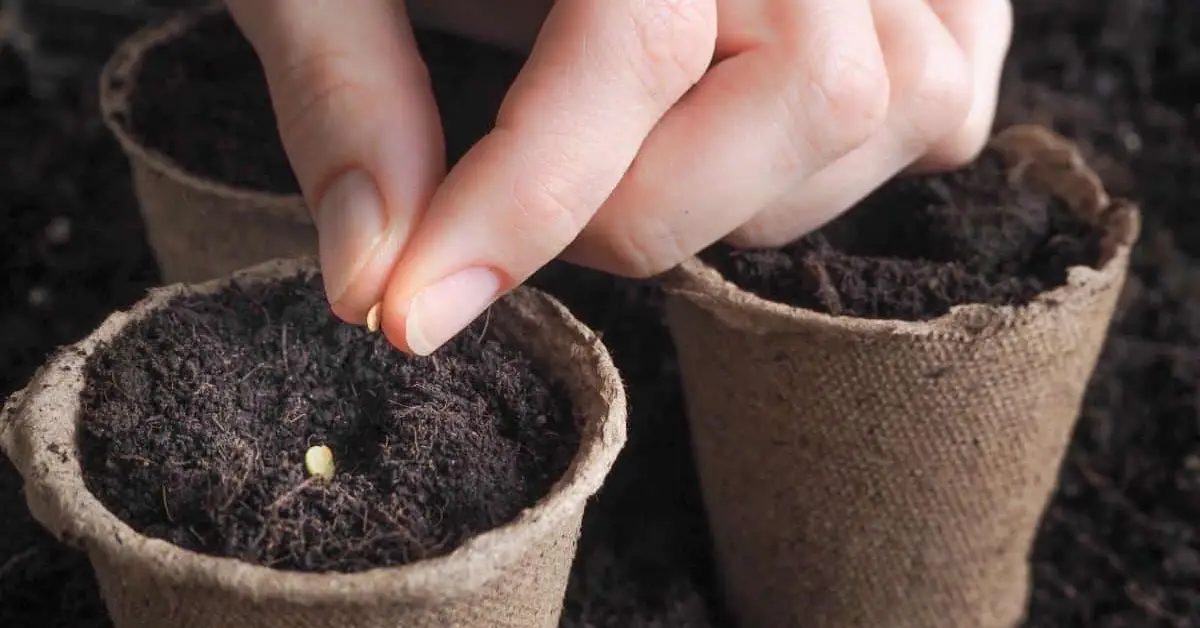
Even experienced gardeners slip up if they don’t watch for a few common pitfalls. I’ve learned the hard way, so here are the mistakes I want you to avoid:
- Sowing too deep or at the wrong time: Some seeds need surface light; burying them too deep can prevent germination.
- Not marking where seeds were sown: Trust me, this one is crucial. I use small markers or toothpicks so I don’t forget which patch has what.
- Using heavy or water-logged soil: Poor drainage will rot seeds before they sprout.
- Ignoring frost or damp protection: Even hardy seeds need a little shelter if your region gets freezing temperatures.
- Buying seeds unsuited to your zone: Don’t expect tropical flowers to bloom in a northern garden. Check your USDA zone and plan accordingly.
By keeping these points in mind, you’re giving yourself the best chance for a low-maintenance, spring-ready garden. I’ve found that even small adjustments—like marking seeds or choosing the right soil—make the “set-and-forget” approach actually work in real life.
Here’s the next part of your article with the two requested sections, written in first-person, practical, reader-focused tone, and including one new external link naturally:
Aftercare: Minimal Effort, Maximum Return
Once you’ve sown your seeds, the beauty of November planting is that you don’t have to hover over them constantly. Here’s how I handle aftercare to keep it truly “set-and-forget”:
- Water lightly, only if needed: Most seeds will manage with natural rainfall. If the soil is unusually dry, a gentle watering is enough.
- Protect from extreme frost: A simple fleece or row cover can shield delicate seedlings during unexpected freezes.
- Skip heavy fertilizing and constant weeding: I’ve found that many of these November-sown flowers thrive without extra attention; over-fussing can actually hinder growth.
- Germination & bloom timelines: California poppies and black-eyed Susans may appear in early spring, while snapdragons and sweet peas often take a little longer. Knowing what to expect helps you avoid unnecessary worry.
- Self-seeding & thinning: Some flowers, like lupines and wildflower mixes, will self-seed. I usually leave them to do their thing but thin them selectively for a balanced look.
- Seasonal transition: As winter turns to spring, you can gradually step up watering and remove protective covers. That’s usually all the extra effort you’ll need.
Following these steps has helped me enjoy vibrant spring blooms without turning my garden into a full-time job. For more ideas on low-maintenance gardening, you can explore set-and-forget garden jobs for November—these tips complement your flower sowing perfectly.
Bonus: Special Considerations for Containers & Small Spaces
If you’re working with limited space or containers, you can still get great results from November sowing. Here’s how I approach it:
- Choosing containers: Pick pots that are deep enough for roots and have good drainage. Lightweight soil mix works best for set-and-forget planting.
- Winter-sheltered spots: A south-facing windowsill, balcony corner, or greenhouse can make a big difference in colder zones. Experts like Suttons recommend these micro-climate spots for successful winter sowing.
- Micro-climate hacks: Even small gardens benefit from south-facing walls, cold frames, or a thin mulch layer to protect seeds from frost.
- Making “set-and-forget” work in pots: Sow seeds at recommended depth, water lightly, and leave them be. Containers may need occasional winter watering, but otherwise, nature handles the rest.
By thinking about these small details, even urban or balcony gardeners can enjoy a vibrant, low-maintenance spring display.
Blooming Timeline & What to Expect in Spring
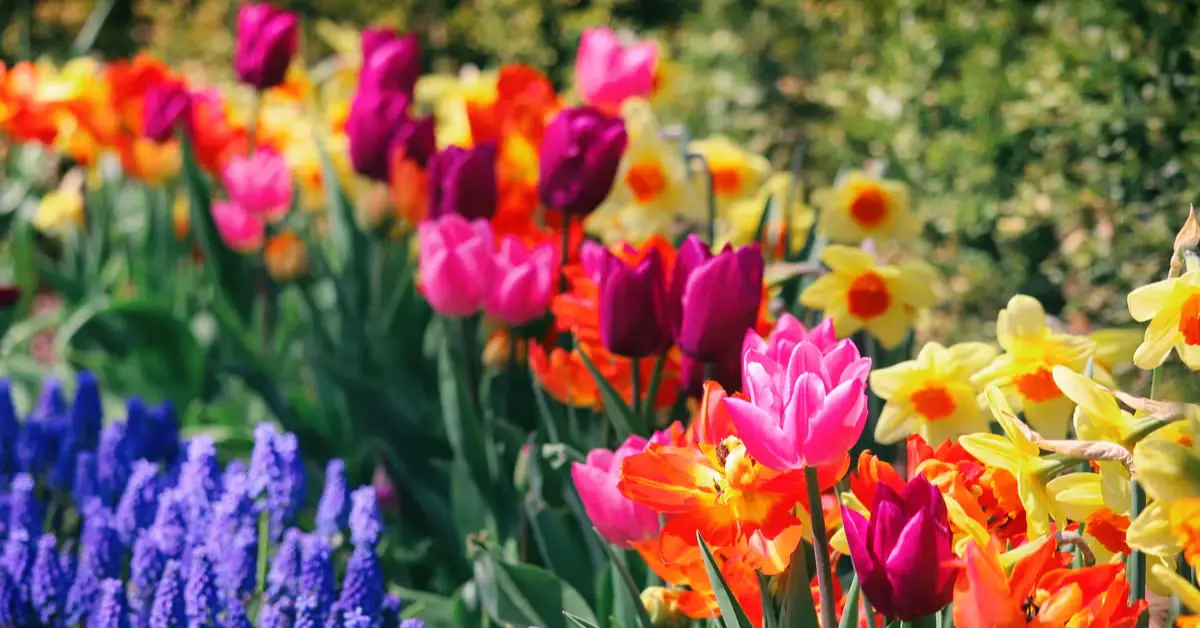
One of the questions I get most often is, “When will I actually see flowers?” Let me break it down so you know what to expect. Think of November sowing as a little investment you make now for a vibrant spring. A general timeline looks like this:
- November: Sow seeds, prepare soil, or plant in containers.
- Late winter / early spring: Seeds start germinating as soil warms up. Watch for tiny green shoots!
- Late spring to early summer: Flowers begin to bloom—your patience pays off with a colorful garden.
Keep in mind that timing varies by species and your zone. For example, California poppies and Black-eyed Susans often germinate earlier than snapdragons or sweet peas. I always recommend noting down where you planted each seed—even a small garden can become a “lost seed” maze if you don’t track it. A printable tracker or a simple note-taking sheet works wonders for keeping everything organized.
Why These Are Truly “Set‑and‑Forget” Plants (and What Experts Say)
Here’s the thing: these flowers aren’t just low-maintenance by chance. Many require natural cold exposure, or cold stratification, to germinate successfully. That’s why November sowing is ideal. By letting nature handle the winter dormancy, you’re essentially outsourcing the hard work to the season.
I’ve also seen gardeners share their success on forums and social media—Reddit threads and Facebook gardening groups are full of posts about winter-sown flowers thriving come spring. Some even mention pollinator-friendly benefits; for example, planting Milkweed in your November sowing patches can support monarch butterflies without extra effort.
These are not just flowers—they’re smart choices for anyone who wants beauty without constant upkeep. You sow, nature nurtures, and you enjoy the results.
Where to Buy Good Quality Seeds & What to Look For
Choosing the right seeds is just as important as when you plant them. Here’s my advice for making smart purchases:
- Check germination rates: Higher rates mean more predictable results.
- Consider region suitability: Make sure the seeds are appropriate for your USDA zone or local climate.
- Organic vs conventional: Decide if you want chemical-free options or are okay with conventional.
- Trusted suppliers: In the US, companies like Burpee or Johnny’s Seeds are reliable. In India, Nurserylive or Ugaoo have good options. Look for detailed product descriptions and customer reviews.
- Bulk wildflower mixes: Great for pollinators and low-maintenance, especially if you want flowers to self-seed next year.
- Shipping and cold weather: If ordering late in the season, check how seeds are packaged to survive transport.
Final Thoughts: Get Ahead on Spring with Minimal Work
By sowing your seeds in November, you’re giving your garden a head-start and freeing yourself from a springtime scramble. My recommendation: pick 2–3 of the “set-and-forget” flowers we discussed, choose a cozy spot, and let nature do its thing.While you’re planning your November sowing, you might also want to check out vegetable seeds to sow in November—combining flowers and veggies can make your garden both colorful and productive.
I’d love to see how your garden turns out! Share your progress, photos, or tips in the comments below, or hop over to Plant Care Dairy for more expert gardening advice and seasonal guides. Let’s make this a community where we celebrate every bloom, together.
Disclaimer: Growing results may vary depending on your climate, soil, and local conditions. Always follow seed packet instructions and adapt care to your specific garden.