

Winter can be a tricky time for hibiscus, can’t it? I’ve spent years learning how to keep these vibrant plants alive and thriving, and one thing I’ve noticed is that many gardeners either prune too early or wait too long, risking frost damage or unnecessary stress.
In this guide, I want to walk you through exactly how to cut back hibiscus in winter, step by step, so you feel confident your plant will survive the cold and come back healthy and lush in spring. I’ll share what I’ve learned about timing, the right tools, common mistakes to avoid, and little tricks that make the process smoother. By the end, you’ll have a clear plan, and you’ll know your hibiscus is in good hands.
Understanding Your Hibiscus Type
Before you grab your pruners, let’s figure out exactly what kind of hibiscus you’re dealing with. Trust me, knowing your plant makes all the difference when it comes to pruning in winter.
Hardy vs. Tropical Hibiscus
Over the years, I’ve realized that gardeners often get confused because hibiscus isn’t just one plant. There are two main types you need to know about:
- Hardy Hibiscus (Hibiscus moscheutos): These are the ones that survive freezing winters outdoors. Their large, showy flowers bloom in summer, and the stems naturally die back in fall.
- Tropical Hibiscus (Hibiscus rosa-sinensis): These are more delicate. They don’t tolerate frost well, and you usually need to protect them or bring them indoors in colder climates.
Why does this matter? Well, the type of hibiscus determines when and how you prune. If you treat a tropical hibiscus like a hardy one, you could stress the plant or even kill it. And pruning at the wrong time can leave your plant vulnerable to frost damage or slow its growth in spring.
So, take a moment to identify your plant:
- Check your garden records or nursery tags if you have them.
- Look at your hibiscus in summer—large, floppy petals that die back? Hardy. Evergreen blooms through mild winters? Tropical.
- When in doubt, you can reference trusted guides like Martha Stewart’s pruning advice to confirm your type.
Knowing this distinction will make the rest of the pruning process far simpler, and your plant will thank you for it in the spring.
How Your Climate Affects Pruning Decisions
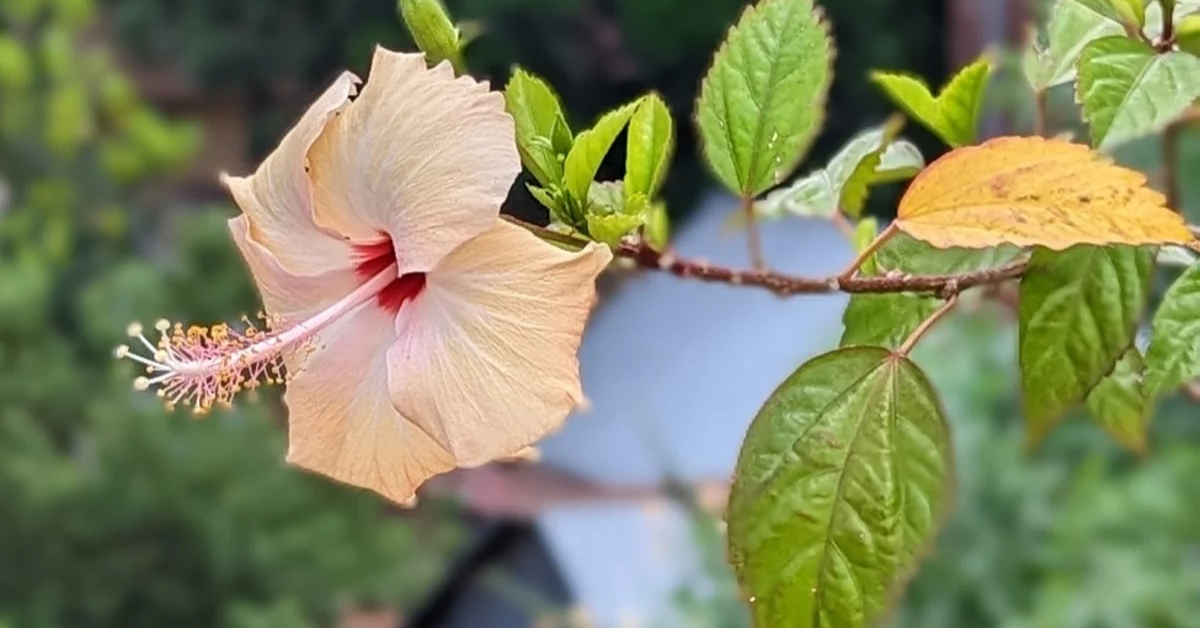
Once you know your hibiscus type, the next step is to consider your climate. Where you live changes everything. I’ve seen gardeners in warmer zones make the mistake of pruning too late or too aggressively simply because they followed generic advice—they end up with frost-damaged stems or stunted growth.
Here’s what I suggest:
- Check your USDA hardiness zone. This tells you how cold your winters get.
- Hardy hibiscus: In colder zones (4–6), you might want to wait until after the first hard frost to prune. In milder zones, cutting back can happen slightly earlier.
- Tropical hibiscus: You need to prune before bringing it indoors, usually when nighttime temperatures dip below 50°F.
Tailoring your pruning to your climate ensures your hibiscus isn’t shocked by unexpected freezes. A little planning here saves a lot of heartache later. For a detailed winterizing guide, I often reference Landscape Unite—they have clear advice on timing based on zones.
When Is the Right Time to Cut Back Hibiscus for Winter
Timing is everything when it comes to pruning hibiscus in winter. Over the years, I’ve learned that cutting too early or too late can stress the plant, reduce blooms, or even expose it to frost damage. Let’s break it down by type.
Timing for Hardy Hibiscus
For hardy varieties, I always wait until after the first frost or when the stems have naturally died back. This gives the plant a chance to store energy in the roots before winter fully sets in (as explained by Greeny Gardener).
- Leaving some stems standing through winter can protect the crown and act as a natural insulation.
- Cutting too early can leave the plant exposed to cold, while waiting too long can make spring pruning harder.
Following this timing reduces the risk of winter damage and sets your plant up for strong growth next season.
Timing for Tropical Hibiscus
Tropical hibiscus requires a slightly different approach. I prune mine just before bringing it indoors, usually when night temperatures consistently drop below 50°F.
- Pruning too early can stimulate new growth that is vulnerable to frost.
- Cutting at the right time ensures the plant enters dormancy with minimal stress and maintains its shape indoors.
Timing here isn’t just about survival—it’s about keeping your hibiscus healthy, stress-free, and ready to flourish once spring arrives.
Tools & Preparation
Before making any cuts, getting your tools and prep right makes a huge difference. Even minor mistakes can lead to infection or slow recovery.
What Tools You’ll Need
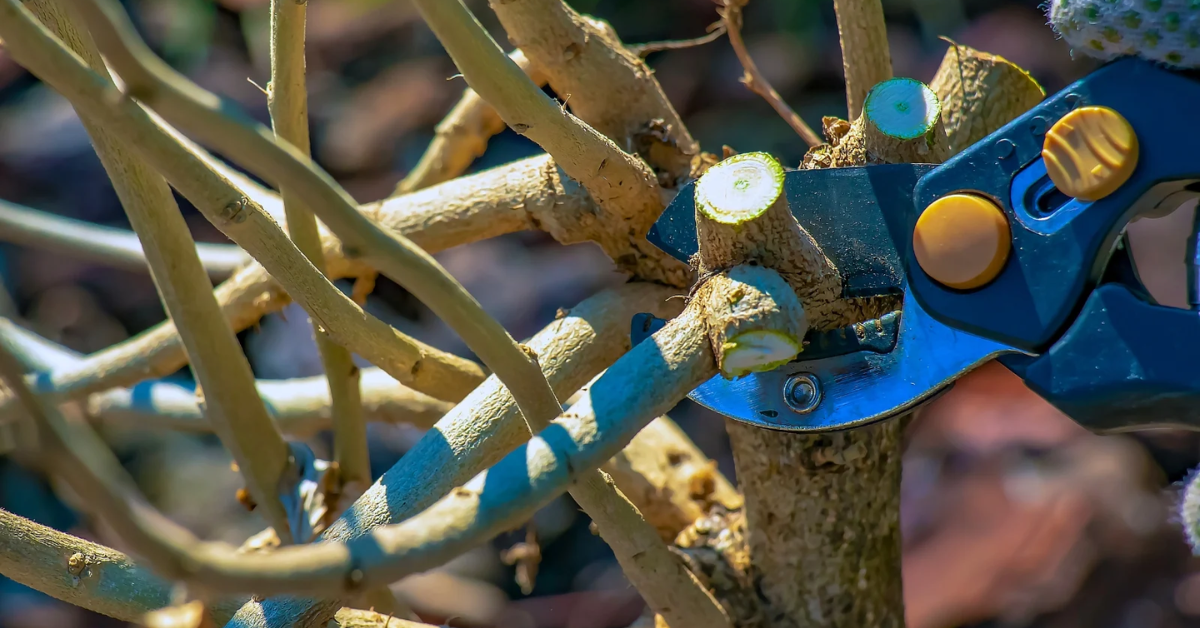
Here’s my go-to winter pruning kit:
- Sharp bypass pruners or loppers for clean cuts
- Protective gloves to avoid scratches
- Disinfectant to clean blades before and after pruning
Using clean tools prevents the spread of disease and ensures each cut heals properly, keeping your hibiscus healthy for the long term.
Safety & Best Practices Before Cutting
I always take a moment to plan before snipping:
- Map out which stems to cut and how much to remove
- Sterilize blades to avoid transmitting disease
- Choose a mild, sunny day if possible, so cuts can heal quickly and safely
These small steps make pruning less stressful for both you and your plant and ensure your hibiscus recovers well over winter.
How to Cut Back Hibiscus in Winter — Step‑by‑Step
Pruning hibiscus in winter doesn’t have to feel intimidating. I’ve found that following a clear, step-by-step approach makes it easy to protect your plant while encouraging healthy growth next season.
For Hardy Hibiscus
When it comes to hardy hibiscus, I usually:
- Cut stems down to a few inches above the ground or to the soil line, depending on how much growth needs removing.
- Make angled cuts just above outward-facing nodes if I’m not cutting all the way down.
- Remove only dead, diseased, or weak stems when doing a partial cutback.
These steps give you clear, actionable guidance, helping your hardy hibiscus survive winter and come back strong in spring.
For Tropical Hibiscus
Tropical hibiscus need a more delicate touch. Here’s how I approach it:
- Use selective pruning rather than wholesale shearing to maintain the plant’s natural shape.
- Apply a staggered pruning technique: cut some branches by half and leave others to preserve structure.
- Always prune just above nodes to encourage bushy, healthy growth.
This method helps your tropical hibiscus maintain structure, reduce stress, and thrive when spring arrives.
After Pruning — Winter Protection & Care
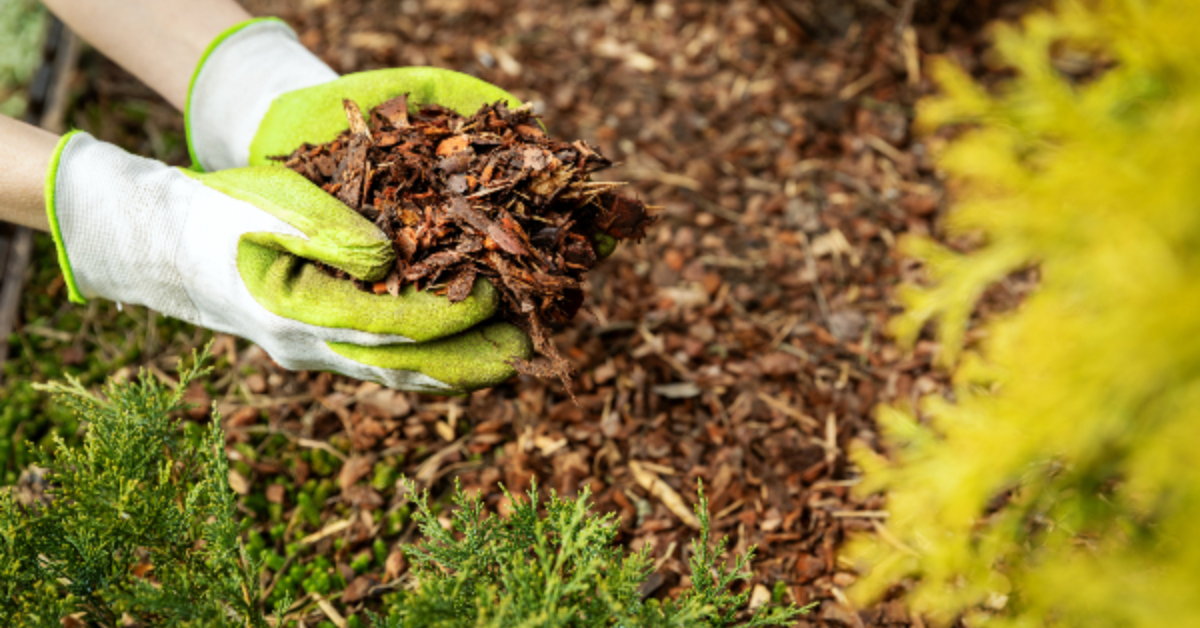
Pruning is only half the job. How you protect your plant through the cold months is just as important.
Insulating the Plant
To keep my hibiscus safe from extreme cold, I usually:
- Apply 4–6 inches of mulch around the base, using bark, shredded leaves, or straw.
- Mound the mulch over the crown, extending it slightly beyond the base.
- In very cold climates, wrap the plant with frost cloth or burlap, but never too tightly.
This insulation protects the root system and crown from freezing temperatures.
Watering Before the Freeze
I always give my hibiscus a deep watering 2–3 weeks before the ground freezes.
- Well-hydrated roots are better equipped to handle winter stress.
- This step reduces the risk of the plant drying out or suffering from frost damage.
If you’re thinking ahead to spring blooms while caring for your hibiscus, you might also want to check out which flower seeds you can plant in November to create a vibrant garden next season.
Indoor Care (for Potted or Tropical Hibiscus)
If you have potted or tropical hibiscus:
- Move them indoors before the first frost, choosing a location that stays above 50–60°F with good light.
- Keep plants away from heating vents or drafts to prevent stress. If you’re moving your tropical hibiscus indoors, this is also a great time to consider whether your other potted plants need attention—learn which houseplants you should repot in November to keep them thriving through winter.
- Water minimally and avoid fertilizing during dormancy.
These precautions ensure your hibiscus survives indoors and comes out healthy in spring.
Common Mistakes & Troubleshooting
Even experienced gardeners can make winter pruning mistakes. Here’s what I’ve learned to watch out for:
Over‑Pruning Risks
- Cutting more than recommended can stress the plant or reduce next season’s growth.
- Pruning too early can trigger vulnerable new shoots that are at risk of frost damage.
Pruning at the Wrong Time
- Pruning in mid-winter slows wound healing and increases infection risk.
- Cutting before dormancy can encourage weak shoots that frost will kill.
Neglecting Post-Pruning Protection
- Skipping mulch or water leaves the plant vulnerable to cold and desiccation.
- Using tight plastic or incorrect covers can trap moisture and cause rot.
Paying attention to these points prevents common mistakes and helps your plant recover successfully.
When to Expect New Growth in Spring

After all your careful pruning and winter protection, it’s important to know what to expect:
- Hardy hibiscus usually begin emerging from dormancy as soil warms and days lengthen.
- Tropical hibiscus may start showing new growth a little later, depending on indoor conditions.
- Gradually remove mulch in spring to prevent sudden temperature shock.
- Resume fertilizing with slow-release or organic options once new growth appears.
Understanding this timeline helps you manage expectations and care, ensuring your hibiscus returns to its full, vibrant potential. While you focus on pruning hibiscus, November is also a good month to consider adding new greenery to your garden—here’s a guide on shrubs you can plant in November to enhance your winter landscape.
Summary & Best Practices Checklist
Let’s wrap everything up with a quick checklist you can follow when pruning your hibiscus for winter:
- Identify your hibiscus type – hardy or tropical.
- Wait for the right time – after first frost for hardy, before bringing tropical indoors.
- Use clean, sharp tools – pruners, loppers, gloves, and disinfectant.
- Plan your cuts carefully – remove dead, weak, or diseased stems; cut above nodes.
- Mulch around the base – 4–6 inches to protect roots and crown.
- Water deeply before freeze – ensures roots stay hydrated.
- Protect your plant – frost cloth, burlap, or indoor placement for tropical varieties.
- Monitor in spring – gradually remove mulch and resume light fertilization as new growth appears.
Following this checklist keeps your hibiscus healthy, stress-free, and ready to bloom when warmer weather arrives.
If you’ve tried these steps or have your own winter pruning tips, I’d love to hear from you! Drop a comment below and share your experience. And for more practical advice on keeping your plants thriving year-round, check out Plant Care Dairy—we share tips, tricks, and step-by-step guides for gardeners just like you.
Disclaimer: The advice in this article is for general gardening purposes. Results may vary based on climate, hibiscus variety, and local conditions. Always use your judgment and consult a local horticultural expert if you’re unsure about pruning or winter care.