

As a houseplant enthusiast, I often wonder if November is the right time to repot indoor plants. You might feel the same, especially as gardening outdoors slows and you turn your attention inside. I’ve learned that repotting during this cooler month isn’t always ideal, but understanding which plants can handle it can save you time and keep your green friends thriving.
In this article, I want to cut through the confusion and give you actionable guidance on repotting houseplants in November. We’ll dive into the right timing, signs your plant needs a new home now, and highlight seven houseplants that tolerate repotting well this time of year.
By the end, you’ll know how to match the right plant with the right repotting strategy and keep your indoor garden healthy all winter long.
Why November Isn’t Ideal for Most Houseplants
Understanding Plant Dormancy
November can be a slow month in the garden, and most houseplants enter a state of at least partial dormancy. During this time, their growth slows, especially their roots. I’ve learned that repotting during dormancy can stress plants because their roots are less capable of recovering from disturbances.
Why Repot in Active Growth?
Repotting is always stressful for plants. When they are actively growing, their roots bounce back faster and acclimate well to new soil and container space. That’s why, in general, waiting until spring is best for repotting. However, there are exceptions for some houseplants that don’t fully dorm in winter.
Recognizing When Repotting Can’t Wait
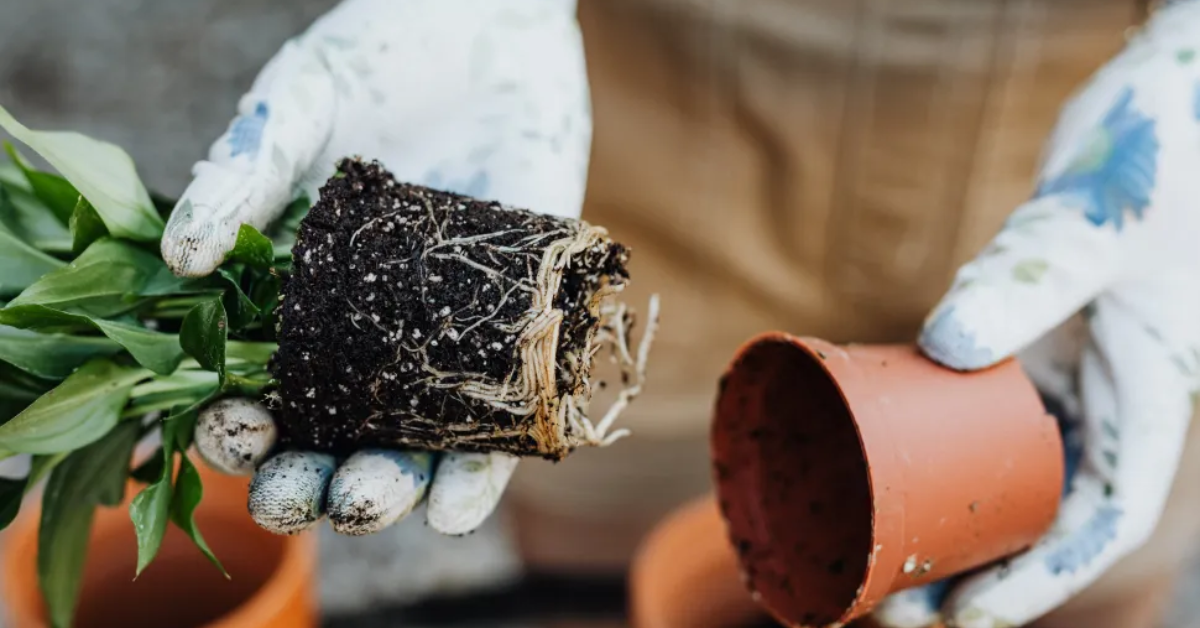
Root-Bound Signs You Shouldn’t Ignore
Roots poking out: If you notice roots growing out through the drainage holes or top of the pot, the plant is likely root-bound. If your plant is root-bound or showing other signs that repotting can’t wait, you can follow this step‑by‑step guide on how to repot indoor plants safely to minimize stress and help it recover quickly.
Water runoff: Another sign is water draining too quickly because the soil holds less moisture amid crowded roots.
If the foliage looks yellow or the plant appears top-heavy, these are signs it needs more space to grow.
Drainage Issues Mean It’s Time
Soil becoming dense: Over time, potting soil can compact and lose aeration, leading to root rot risks.
Too loose soil: On the flip side, soil that drains too fast won’t hold enough moisture for the roots.
If you spot drainage problems, repotting in November can save your plant’s health despite the slower growth season.
Don’t Ignore Fungal Problems
Fungal growth: White mold on soil surface or a musty smell signals fungus, which worsens without intervention. If you notice white mold or fungal issues on your soil surface, certain safe treatments, including how and when to apply rubbing alcohol, can help — learn more in this guide on spraying rubbing alcohol on plants.
Leaving fungal issues over winter often leads to root rot and possible plant loss by early spring.
7 Houseplants You Can Repot in November
Pothos (Epipremnum aureum)
Pothos are super hardy and adaptable tropical plants that grow well indoors. Although their growth slows with shorter daylight, they don’t go fully dormant. As long as your home is warm, November is a good time to repot if needed.
- Repot only if: Roots are coming out the drainage holes or soil is compacted.
- Pot size: Choose a container 1-2 inches larger.
- Soil: Use well-draining tropical mix or regular potting soil amended with perlite or pumice.
Philodendron (Philodendron spp.)
Philodendrons slow growth only slightly in winter and tolerate November repotting well if cared for properly afterward.
- Pre-watering: Water your plant a day before repotting to help root recovery.
- Wear gloves: Their sap can irritate skin.
- Pot and soil: Use a pot 1-2 inches larger with well-draining tropical potting mix.
- Root care: Trim unhealthy roots with clean pruners.
Spider Plant (Chlorophytum comosum)
Spider plants easily become root-bound and benefit from repotting, especially in November when they don’t fully go dormant.
- Signs: Roots circling pot or growing out drainage holes, or nutrient deficiencies causing yellow leaves.
- Pot size: Increase size by 1-2 inches.
- Soil: Use light, well-draining mix enriched with compost and perlite.
- Fertilizer: Hold off until spring after repotting.
Peace Lily (Spathiphyllum spp.)

Peace lilies generally don’t go fully dormant and can be repotted in November if they’re outgrowing their pots.
- Signs to repot: Wilting and drooping from pot-bound roots not absorbing enough water.
- Pot size: Size up 1-2 inches or more for larger plants.
- Soil: Use light, loose tropical mix with orchid bark or coconut coir mixed in.
African Violet (Streptocarpus ionanthus)
African violets grow and bloom year-round if conditions are right, making them ideal candidates for November repotting.
- Refresh often: Repot every 6-12 months regardless of season.
- Pot snugness: They like to be snug but enjoy fresh airy soil.
- Soil: Use light, airy potting mix.
- Planting tip: Keep the crown above soil to prevent rot.
- Aftercare: Keep warm; temporary bloom pause is normal.
Monstera (Monstera spp.)
Monsteras are similar to pothos and philodendrons and can be repotted in November, though spring is better if you can wait.
- Situations for November repotting: Root-bound plants or depleted soil.
- Pot size: Increase by 1-2 inches, or up to three if plant is large.
- Soil: Use chunky mix with soil, bark, perlite, and peat to maintain aeration.
- Placement: Keep warm and move closer to light source in winter.
- Aftercare: Water lightly, avoid fertilizer until spring.
Ferns (Various genera including Nephrolepis, Asplenium, Pellaea, Adiantum)

Ferns are a bit of a mixed bag when repotting in November, but many common types tolerate it well.
- Ferns tolerant to November repotting:
- Holly Fern
- Staghorn Fern
- Rabbit’s Foot Fern
- Button Fern
- Kimberly Queen
- Bird’s Nest Fern
- Boston Fern
- Light: Give extra bright indirect light to help recovery in winter.
- Pot size: Keep snug, only go up 1-2 inches.
- Soil: Use loose mix with good moisture retention.
- Extra care: Use humidifier or place in humid bathroom for better recovery.
Many ferns tolerate November repotting well, but for more detailed tips on keeping sensitive types like foxtail ferns healthy through winter, check out these 7 smart steps every gardener needs.
Summary: Smart Repotting Tips for November
| Plant | Repot in November? | Pot Size Increase | Soil Type | Special Notes |
|---|---|---|---|---|
| Pothos | Yes, if root-bound or compacted soil | 1-2 inches | Well-draining tropical mix or amended regular soil | Avoid frequent repotting; only when needed |
| Philodendron | Yes, with proper aftercare | 1-2 inches | Well-draining potting mix | Water day before; wear gloves |
| Spider Plant | Yes, but can wait until spring | 1-2 inches | Light, well-draining soil with compost and perlite | Hold fertilizer until spring |
| Peace Lily | Yes, if pot-bound | 1-2 inches or more for larger plants | Light tropical mix with orchid bark or coco coir | Wilting roots is a sign to repot |
| African Violet | Yes, year-round | Keep snug | Light, airy potting mix | Keep crown above soil; keep warm |
| Monstera | Yes, if root-bound or soil depleted | 1-2 inches (or up to 3 for large plants) | Chunky mix with soil, bark, perlite, peat | More light in winter; no fertilizer until spring |
| Ferns | Some tolerate it well | 1-2 inches | Loose mix with good moisture retention | Extra light and humidity help recovery |
Final Thoughts
Repotting in November isn’t generally recommended because of slowed growth and root dormancy. But if you notice signs like root-bound pots, drainage problems, or fungal growth, it’s worth acting. Plus, some resilient houseplants adapt well to repotting during this period.
Remember to always provide good aftercare: keep your plants warm, provide adequate indirect light, and avoid fertilizing until the growing season picks up. Taking these steps helps your plants recover quickly and thrive.
For more advice on houseplant care and seasonal tips, check out Plant Care Dairy — your trusted guide to happy, healthy plants all year round!