
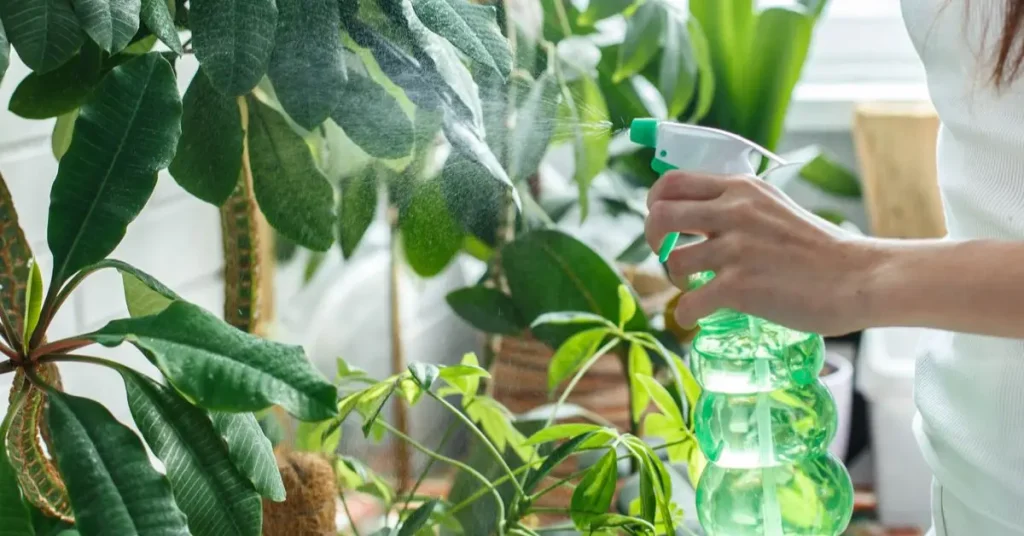
You’ve probably seen that tip floating around online: spray rubbing alcohol on your plants to kill pests. I remember the first time I tried it—I was nervous, wondering if I’d end up with burned leaves instead of bug-free greenery. The truth is, rubbing alcohol can help control pests like mealybugs or aphids, but it’s not as simple as just spraying and walking away. Done wrong, it can seriously harm your plant.
In this article, I’ll walk you through exactly when it works, when it backfires, and how to do it safely. You’ll also learn some smart alternatives, real-life success stories, and simple guidelines so you don’t have to guess or risk killing your plant. By the end, you’ll know whether that bottle of rubbing alcohol in your cabinet is a friend or a foe for your greenery—and how to use it like a pro.
What Happens When You Spray Alcohol on Plants?
When I first tried using rubbing alcohol on my plants, I quickly realized it’s not as simple as spraying and forgetting. Alcohol doesn’t just magically kill pests—it works in a very specific way, and if you aren’t careful, it can damage your plants too. Knowing how it acts helps you make smart choices and avoid costly mistakes.
How Alcohol Acts on Insects and Pests
Here’s how alcohol targets pests like mealybugs, aphids, and spider mites:
- Dissolves protective coatings: Many soft-bodied pests have a waxy layer that protects them. Alcohol breaks down this layer, leaving them exposed.
- Dehydrates the pests: Without that protective coating, alcohol draws moisture out, effectively killing the insects.
- Immediate effect: Unlike some chemical sprays that take time, alcohol works quickly on contact.
I’ve seen this work personally, and it’s also documented by experts. One Reddit user shared that a 50/50 mix of rubbing alcohol and water eliminated mealybugs on their houseplants within hours. For a trusted, authoritative explanation of how alcohol works on plants and pests, Treehugger provides a detailed guide on using low-concentration sprays safely.
How Alcohol Can Harm the Plant
Here’s the part that can trip up even experienced plant owners: alcohol is non-selective, which means it can harm your plant as easily as it kills pests.
- Non-selective tissue damage: Leaves may develop brown spots, shrivel, or even die if the concentration is too high.
- Root issues: Alcohol that drips into the soil can harm roots and stunt growth.
- Concentration is critical: High percentages or undiluted alcohol are risky. Solutions with more than 10% ethanol can actually kill plants.
The key takeaway? Alcohol can be a useful tool, but only when used carefully. Using too much or the wrong concentration can cause more damage than the pests themselves.
When and Why “Yes” – Appropriate Uses of Rubbing Alcohol on Plants

I know it can feel risky to reach for that bottle of rubbing alcohol, but there are situations where it really does make sense. The key is knowing which plants, pests, and methods work best.
1. Suitable Scenarios
- Soft-bodied pests on indoor houseplants: Mealybugs, aphids, and spider mites respond well, especially if the infestation is small.
- Spot treatment vs blanket spray: I always recommend using a cotton swab or small brush on individual pests rather than spraying the entire leaf—this targets the bugs and protects the plant.
- Tolerant plants: Succulents and other hardy species tend to tolerate alcohol better than delicate tropical plants.
2. How to Do It Safely
Here’s my step-by-step approach for safe application:
- Choose the right concentration: A low-concentration solution, around 3–5%, is usually sufficient. For example, a ratio of 1 part isopropyl alcohol to 20 parts water is safe for many plants.
- Spot test first: Apply the solution to a single leaf and wait 24 hours in a shaded spot to see if the plant reacts.
- Spray at the right time: Early morning or late afternoon works best—avoid the hot sun, which can amplify leaf burn.
- Avoid soil contact: Keep the spray off the soil to prevent root damage.
- Reapply cautiously: If eggs hatch, a second treatment may be needed, but always monitor your plant’s reaction.
- Post-treatment care: Move the plant to a less intense light spot or rinse leaves if you notice stress.
As a practical tip, Houzz discussions emphasize avoiding direct hot sun immediately after spraying to prevent leaf burn, which I’ve found especially true for indoor tropical plants.
When and Why “No” – Risks, When to Avoid, and Common Mistakes
Even though alcohol can work, there are times when I never reach for it. Understanding these scenarios can save your plants from unnecessary damage.
1. High-Risk Scenarios
- Delicate foliage: Thin leaves, newly repotted plants, or shaded tropical plants are especially sensitive.
- Severe infestations: If pests are widespread or affecting roots, professional treatments or targeted insecticides are safer.
- Outdoor plants in full sun: Spraying in hot sunlight can cause sunburn and amplify alcohol stress.
- Soil contamination: If alcohol runs off into the soil, roots can absorb it, leading to long-term harm.
2. Mistakes to Avoid
- Using undiluted alcohol: Many gardeners report leaf burn when they skip dilution.
- Spraying in full sun or high heat: Timing is crucial to prevent damage.
- Assuming eggs are eliminated: Even diluted alcohol may not kill all eggs; a follow-up is sometimes needed.
- Neglecting plant isolation: Treating multiple plants without separation can spread pests instead of controlling them.
- Relying solely on alcohol: It’s not a universal fix—consider safer alternatives if the plant is sensitive or the infestation is severe.
Concentration, Plant Type & Environment – A Decision Framework
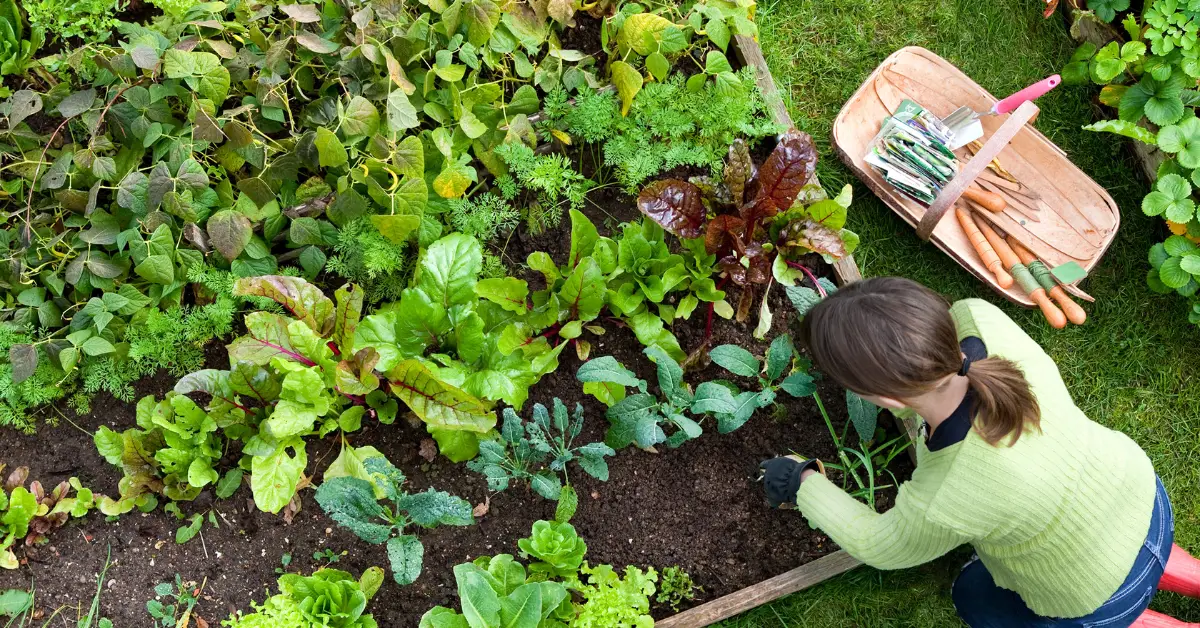
When I’m dealing with a new plant or pest, I like to think of it as a mini checklist before reaching for alcohol. Every plant and environment reacts differently, so tailoring your approach is key. Before treating your plants with alcohol, it’s important to remember that fertilizer practices can also impact plant health—using too much fertilizer can weaken your plants and make them more susceptible to pests and chemical damage.
Here’s how I break it down:
- Plant type:
- Succulents and hardy houseplants → generally tolerate low-concentration alcohol well.
- Delicate tropical plants → very sensitive; spot test is mandatory.
- Outdoor shrubs → sunlight and wind can amplify alcohol effects; be cautious.
- Environment:
- Indoor vs outdoor: indoor plants handle controlled applications better; outdoor plants face sun and rain risks.
- Light intensity: avoid spraying in full sun.
- Humidity: higher humidity can reduce leaf stress after spraying.
- Pest type:
- Soft-bodied insects like mealybugs and aphids respond well.
- Hard-shell pests, eggs, or slugs are less affected, so alcohol may not be effective. Alcohol may not affect all pests equally—for example, hard-shell insects and eggs, like the invasive pink snail eggs, require different management strategies.
- Suggested approach:
- Spot treatment with cotton swab for sensitive plants.
- Full leaf spray only for hardy species.
- Avoid contact with soil to prevent root damage.
- Test first: If you’re unsure, start small. I always recommend low concentration + a single leaf test.
This framework helps me decide whether alcohol is worth using or if I should reach for another method. It keeps mistakes minimal and results predictable.
Alternatives to Rubbing Alcohol – Safer or Complementary Options
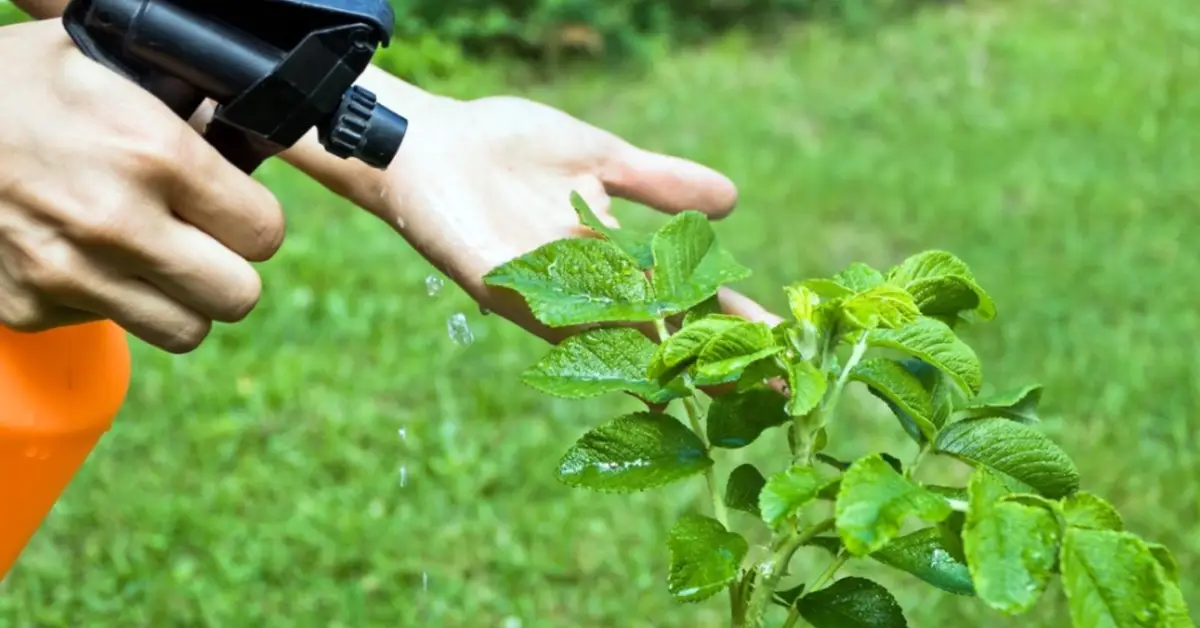
I’ve learned over the years that alcohol isn’t always the best choice—sometimes there are safer, equally effective ways to manage pests.
- Natural pesticides: Neem oil, insecticidal soap, and diatomaceous earth can control common pests without harming the plant.
- Mechanical / cultural controls: Rinsing leaves, isolating infected plants, increasing humidity, and sanitizing pots can go a long way in preventing infestations. When managing pests, it’s also a good idea to consider your plant selection, since certain plants can attract unwanted visitors like rodents, which could complicate pest control efforts.
- Commercial options: For severe infestations, professional-grade insecticides may be necessary. Alcohol can be part of a combined strategy but rarely the only solution.
- Use with caution: If you combine alcohol with other products (like soap), be aware of potential leaf damage. As some Houzz users warn: “Soap is phytotoxic and damages leaves.”
For a practical guide on natural alternatives and integrated pest control, Balcony Garden Paradise has a helpful overview.
Final Takeaways & Smart Guidelines
After working with plants for years, here’s what I can confidently tell you: yes, you can use rubbing alcohol on your plants—but only under controlled conditions. Proper dilution, careful application, and attention to plant type make all the difference between a healthy, pest-free plant and one that suffers unnecessary damage.
Here are my three golden rules:
- Spot test first: Always try a small area before treating the whole plant.
- Avoid soil saturation: Alcohol in the soil can harm roots.
- Skip full sun immediately after spraying: Leaves are vulnerable and can burn quickly.
There are times when you should skip alcohol entirely: delicate tropical plants, severe infestations, or plants that react poorly to any chemical treatment. In those cases, it’s better to call a professional or use alternative solutions like neem oil, insecticidal soaps, or mechanical pest removal.
Once you’ve sprayed, keep a close eye on your plant—watch the leaves, soil, and new growth. Adjust your approach if you see stress. Remember, alcohol is just one tool in your plant-care toolkit. Weigh the risks and benefits, and don’t rely on it exclusively.
For more tips, step-by-step guides, and safe alternatives, you can check out my website Plant Care Dairy. I also love hearing from fellow plant lovers—so drop a comment below and tell me about your experiences. Have you tried using rubbing alcohol on your plants? Did it work, or did something go wrong? Sharing your story could help someone else save their greenery.
Disclaimer: This article is for informational purposes only. Always test any treatment on a small part of your plant first, follow safety guidelines, and consult a professional for severe infestations or rare plants. Results may vary depending on plant type and environmental conditions.