
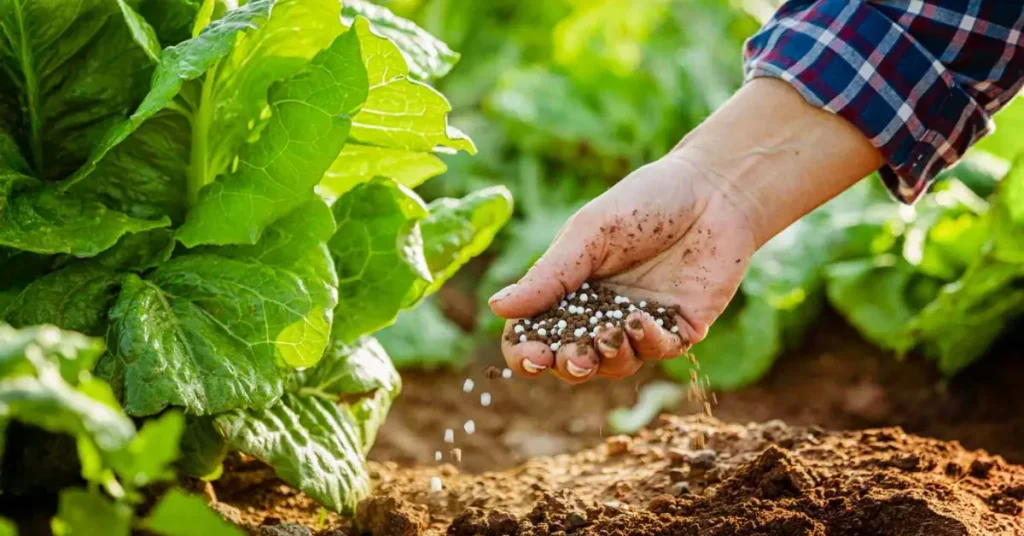
When I first started growing vegetables, I followed the usual advice: a little bag of fertilizer here, a sprinkle there. I thought it was the only way to get big, healthy plants. But over time, I noticed something strange—my tomatoes were growing fast, yes, but the soil felt tired, the earthworms vanished, and the garden seemed less resilient every season. That’s when I began to question the “more fertilizer equals better yield” rule.
You might be wondering the same thing: if fertilizer is supposed to help, why would anyone avoid it? The truth is, depending too much on synthetic nutrients can actually harm your plants, your soil, and even your garden’s ecosystem. In this article, I’ll walk you through why skipping or carefully limiting fertilizer might be the smartest choice for your vegetable garden—and what you can do instead to grow thriving, healthy plants naturally.
What Do People Mean by “Fertilizer” — And What Most Gardeners Expect It To Do
When we talk about fertilizer, it’s easy to assume everyone knows what we mean, but there’s actually a lot packed into that simple word. Fertilizers are essentially nutrients that plants need to grow—nitrogen, phosphorus, potassium, and sometimes trace minerals. But not all fertilizers are created equal, and knowing the differences can completely change how you approach your garden.
Here’s a quick breakdown:
- Synthetic Fertilizers: These are manufactured chemically, usually providing nutrients in a concentrated, immediately available form. They can give fast growth, but over time they can deplete soil life and disrupt the natural balance.
- Organic Fertilizers: Made from natural materials like compost, manure, bone meal, or plant residues. These release nutrients slowly and help build long-term soil health.
- Quick-Release vs Slow-Release: Quick-release fertilizers act fast and are tempting when you want instant results, but they can burn plants if overused. Slow-release options feed the soil gradually, encouraging healthy, steady growth.
Most gardeners use the term “fertilizer” with the expectation that adding it will automatically make their vegetables bigger and faster-growing. But as I learned, that expectation can be misleading if the soil itself isn’t ready to support those extra nutrients. Even respected resources like the University of Florida Gardening Solutions note that fertilizer should be applied carefully, after understanding your soil’s real needs—not just blindly sprinkled.
By clarifying these types, you’ll see why “avoiding fertilizer” doesn’t mean leaving your garden starving—it means giving your soil and plants what they actually need without overloading them.
The Typical Promises of Fertilizers (And Why They Appeal)
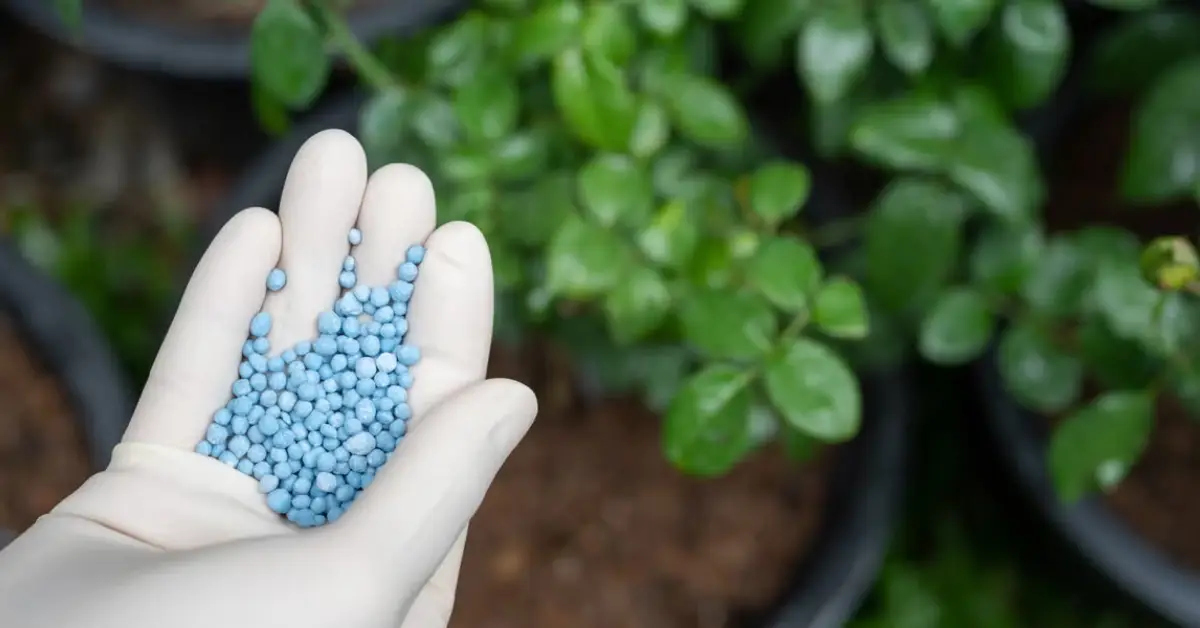
I get it—when you’re staring at tiny seedlings, the idea of a quick boost is incredibly tempting. Fertilizers are marketed and praised for a few big promises that appeal to every gardener:
- Faster Growth: Plants often respond quickly to extra nitrogen, showing greener leaves and larger stems.
- Higher Yield: More nutrients can mean more vegetables in the same space, at least initially.
- Bigger Fruits and Leaves: Some fertilizers are designed to encourage larger fruits or more lush foliage, which is visually satisfying and feels like instant success.
These promises are powerful because they tap into a very human desire: to see immediate results for your effort. When I first bought my first bag of synthetic fertilizer, I admit I wanted all of these benefits. And in the short term, it worked—my lettuces and tomatoes looked great.
But here’s the catch: relying solely on fertilizers often masks underlying problems in your soil or garden ecosystem. Your plants may look strong, but the soil’s natural fertility can slowly decline, leading to long-term dependency.
Understanding what fertilizers promise versus what they deliver is key. By recognizing these expectations, you can start asking the right questions about your garden:
- Does my soil really need this extra boost?
- Could my plants thrive with organic amendments instead?
- What happens if I let the soil do the work naturally over time?
Once you start thinking like this, avoiding unnecessary fertilizer stops being a limitation—it becomes a strategy for a healthier, more resilient garden.
The Hidden Downsides of Fertilizers in a Vegetable Garden
When I first started reading about organic gardening, I realized that the short-term gains from fertilizers often come with hidden costs. It’s easy to see greener leaves and bigger vegetables and assume everything is perfect. But beneath the surface, several issues quietly develop—problems that many gardeners overlook until it’s too late.
Here’s what I’ve learned about the downsides of fertilizers:
1. Plant Dependency / Weakening of Natural Soil System
- When you repeatedly rely on synthetic fertilizers, plants can become dependent on them, taking less advantage of the nutrients naturally present in the soil.
- Over time, the soil’s microbial life—which helps break down organic matter and make nutrients available—can decline.
- I noticed that in beds where I used heavy fertilizer early on, the soil became “lazy,” and I had to keep feeding just to get the same results.
Takeaway: A garden that leans on fertilizer may grow fast initially, but it loses resilience in the long run.
2. Environmental Impacts (Run-Off, Ecosystem Damage, Carbon Footprint)
- Excess fertilizer rarely stays put. Rain or irrigation often washes chemicals into nearby waterways, causing algae blooms or disrupting local ecosystems.
- The production and transport of synthetic fertilizers also add to your garden’s carbon footprint.
- Even small home gardens contribute, and being aware of this makes you rethink “just sprinkle some more.”
3. Soil Health Deterioration and Nutrient Imbalance

- Too much of a single nutrient can create imbalances. For example, excess nitrogen may stunt root development or reduce fruiting in some vegetables.
- Continuous fertilizer use can lower soil organic matter and alter pH, making it harder for plants to absorb nutrients naturally.
- A detailed guide from Idyl emphasizes that over-fertilisation can slowly strip your soil of the very life that makes a garden productive.
4. Risk of “Fertilizer Burn,” Over‑Feeding, and Unintended Consequences
- Over-applying fertilizer can literally “burn” plants, leaving brown, scorched leaves.
- Too much fertilizer can encourage leafy growth at the expense of flowers and fruits.
- I’ve seen gardeners chase instant results only to realize they slowed overall garden productivity because the plants became stressed or unbalanced. If you want to avoid common fertilizer mistakes and learn which ones can actually harm your plants, check out this guide on never using certain fertilizers on your garden beds.
The key insight here is that fertilizers aren’t inherently bad—they’re just tools. Misused, they can do more harm than good. Understanding these hidden downsides helps you start thinking about alternatives that nurture both your plants and the soil beneath them.
When You Might Consider a Fertilizer Anyway
Even though I’m a big advocate for avoiding unnecessary fertilizer, I want to be honest: there are times when adding a small amount can actually help. Ignoring these situations can make your plants struggle and leave you frustrated.
Here’s when fertilizer might make sense:
1. Soil Test Shows Major Deficiency
- If a soil test reveals a real lack of key nutrients, your plants simply won’t thrive without some supplementation.
- The Smiling Gardener emphasizes that it’s better for plants to have consistent access to small amounts of fertilizer over time rather than one big application that might overwhelm them. Before reaching for any fertilizer, it’s smart to know exactly when your plants need it and how to respond—this guide explains it in detail.
- This means you can support growth without overloading the soil or harming microbial life.
2. New Garden Bed With Depleted Soil
- Brand-new garden beds or plots that have been neglected for years may need a gentle nutrient boost to get plants established.
- Even a measured, organic fertilizer application can help seedlings take root while you build soil health naturally.
3. Specific Crops With Heavy Nutrient Needs
- Certain vegetables like corn, tomatoes, or squash are heavy feeders.
- If you choose to fertilize, use organic or mineral inputs carefully and observe how your plants respond.
The key here is moderation and intention. Fertilizer isn’t banned—it’s about using it wisely and only when truly necessary.
Practical Alternative Approach: Building Healthy Soil Without Relying on Fertilizer
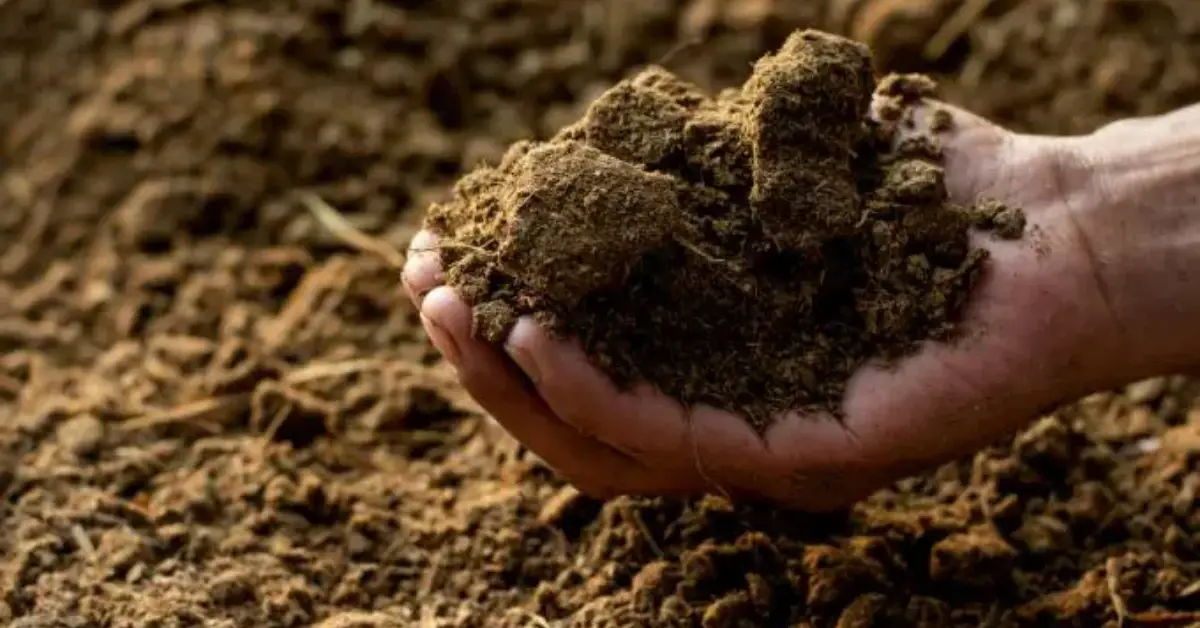
Avoiding fertilizer doesn’t mean neglecting your soil. Over the years, I’ve learned that thriving gardens come from building soil health and letting nature do most of the work. Here’s how I approach it:
1. Add Organic Matter: Compost, Well‑Rotted Manure, Mulches
- This improves soil structure, retains moisture, and slowly releases nutrients.
- I usually layer compost before planting and top with mulch to protect the soil and feed microorganisms.
2. Use Cover Crops / Legumes to Fix Nitrogen Naturally
- Plants like clover, peas, and beans enrich the soil with nitrogen.
- Cover crops also prevent erosion and improve soil texture.
3. Encourage Soil Life / Microbial Activity (Worms, Fungi, Microbial Diversity)
- Healthy soil life is the engine behind plant growth.
- Earthworms, fungi, and microbes break down organic matter and make nutrients available naturally.
4. Practice Intensive and Companion Planting
- Planting complementary species close together maximizes nutrient use and reduces pests.
- Over time, your garden becomes a balanced ecosystem, requiring fewer inputs.
5. Regular Soil Testing and Monitoring
- Keep an eye on pH, moisture, and nutrient levels.
- Testing helps you avoid deficiencies and make smarter, minimal interventions when needed.
6. Patience and Incremental Improvement
- Healthy soil takes time.
- Resist the temptation for instant results and allow your garden ecosystem to build slowly—plants and soil will reward you with long-term resilience. If you’re thinking ahead for seasonal care, you’ll also want to prepare your garden for colder months—these winterizing tips are a must-read.
By following these methods, you create a garden that’s productive, sustainable, and less reliant on fertilizer, while supporting both plants and the living soil beneath them.
Mistakes to Avoid If You’re Skipping Fertilizer

Skipping fertilizer can be highly rewarding, but I’ve seen gardeners make mistakes that set them back. Here’s what to watch out for:
1. Assuming “No Fertilizer” Means No Fertility
- Avoid thinking that plants will magically get everything they need without any input.
- You still need to feed the soil with compost, organic matter, and mulch to maintain fertility.
2. Ignoring Soil Test or Baseline pH/Nutrients
- Skipping testing is like driving blind.
- A simple soil test lets you know what your garden really needs, preventing deficiencies before they happen.
3. Over‑Planting or Over‑Watering to Compensate
- Some gardeners try to “make up” for missing fertilizer by planting too many crops or watering excessively.
- This stresses plants and can actually reduce yields or cause root rot.
4. Switching Abruptly Without Monitoring
- Suddenly removing all fertilizer from a garden that was dependent on it can shock plants.
- I recommend a gradual transition while observing plant health and soil response.
5. Thinking “Organic” Means No Monitoring or Intervention
- Organic gardening still requires attention.
- You need to watch for nutrient gaps, pest issues, and soil health changes—organic doesn’t mean “hands-off.”
By being aware of these pitfalls, you’ll set yourself up for success while skipping synthetic fertilizer. Small, thoughtful actions make a bigger difference than occasional heavy feeding ever could.
Summary Insights and Next Steps for Your Garden
Let’s wrap this up with the most important takeaways:
- Healthy soil is the foundation of a thriving vegetable garden.
- Avoiding fertilizer doesn’t mean neglect—it means focusing on compost, organic matter, and building microbial life.
- Use fertilizer only when necessary, guided by soil tests and plant needs.
- Transition gradually and pay attention to your garden’s response.
Now it’s your turn! I’d love to hear about your experience: have you tried skipping fertilizer in your garden? What worked or didn’t work for you? Leave a comment below.
And don’t forget to check out more tips and guides on Plant Care Dairy—we dive deep into practical, real-life ways to make your garden thrive naturally.
Disclaimer: The advice in this article is for home vegetable gardens and general informational purposes only. Soil conditions and climate vary, so always test your soil and observe your plants before making major changes. Plant Care Dairy is not responsible for any outcomes from following this guidance.