

When I first planted my Blue Spruce in the yard, I was mesmerized by that silvery-blue glow on its needles. Over time, though, I noticed the color fading, turning more green than the icy blue I loved. If you’ve experienced the same, you know it’s frustrating — this isn’t just about aesthetics; the vibrant hue signals a healthy, thriving tree.
In this guide, I’ll walk you through why your Blue Spruce loses that signature shimmer, the little-known care tricks that keep it dazzling, and the practical steps you can take today to preserve its silvery-blue brilliance. By the end, you’ll not only understand what’s happening but also feel confident in giving your tree the care it truly needs.
What Gives the Blue Spruce Its Silvery‑Blue Colour
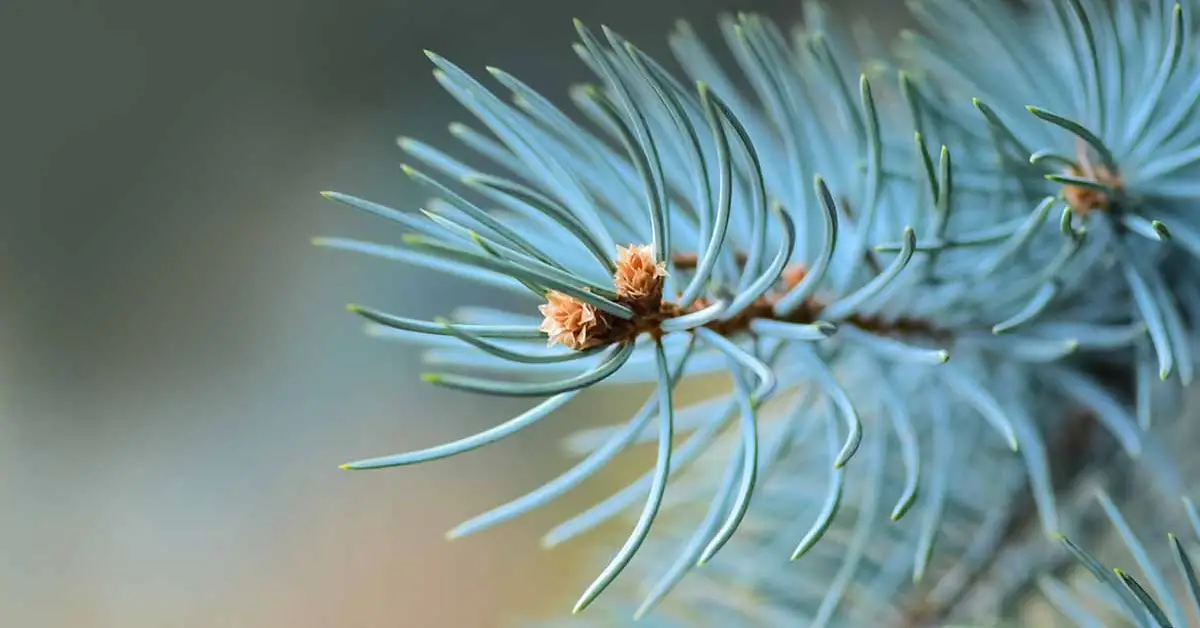
When I first started studying Blue Spruce, I was fascinated to learn that the color we see isn’t just green painted with a hint of blue — it’s a natural optical effect. That shimmering silvery-blue comes from a protective waxy coating on the needles, technically called epicuticular wax. Think of it like a sunscreen for your tree: it shields the needles from harsh sun, moisture, and environmental stress while giving you that stunning blue tone. Without it, even the healthiest tree would look more green than silver.
Here’s a closer look at what determines that signature hue:
- The waxy “bloom” on needles: This layer reflects light in a way that produces the silvery-blue effect. The wax sits on top of the green chlorophyll underneath, which is why the color can shift slightly with light or when the wax wears off.
- Genetic and cultivar differences: Not all Blue Spruce are created equal. Cultivars like ‘Hoopsii’ and ‘Fat Albert’ tend to have a thicker wax coating, giving them a more intense blue shade. So, if you’ve noticed your tree isn’t quite as vibrant as a neighbor’s, genetics may be the reason.
- Environmental factors: Sun exposure, wind, rain, and even air pollution affect the wax layer. I’ve seen trees in open, sunny spots maintain a strong silvery tone, while those in shaded, crowded areas gradually fade to green. Poor soil nutrition or chemical exposure can also interfere with wax production, as noted in Gardening Know How’s guide on Blue Spruce turning green.
Understanding these factors is key. When you know why the color exists, you can take smarter steps to keep it looking its best.
Common Reasons the Blue Spruce Loses Its Silvery‑Blue Hue
Even with the perfect genetics, I’ve noticed that Blue Spruce can still lose its signature color if certain conditions aren’t right. Here’s what I’ve learned:
- Natural ageing of needles & canopy shading: Inner needles naturally lose the wax bloom over time. Trees in dense shade also produce thinner wax layers, so some green is inevitable.
- Environmental stress: Too much rain, wind abrasion, or overhead watering can physically wear down the wax coating, dulling the blue shine.
- Nutrient deficiencies & poor soil: If your soil is low in essential nutrients, your tree’s needles may weaken, making it harder for the wax layer to form properly. Nutrient deficiencies can subtly affect plants in ways you might not expect — just like how tomato leaves turn purple when they lack certain nutrients, your Blue Spruce needles may fade or lose wax if the soil isn’t right. For a detailed look at diagnosing nutrient issues in plants, check out why tomato leaves turn purple and how to fix it.
- Air pollution and chemical exposure: Urban pollutants or the improper use of oils and pesticides can strip or inhibit wax formation, leaving needles looking pale or green. Sometimes, environmental stressors like pollution, poor watering, or mechanical damage can cause discoloration in evergreens, much like boxwoods turning brown. Understanding these stress factors helps prevent permanent damage to your Blue Spruce; you can read more about similar issues in why boxwood turns brown and common fixes.
- Diseases and pests: While these don’t directly remove the color, problems like needle-cast diseases or cankers weaken the tree overall, which indirectly affects the vibrancy of the needles.
Just as some ornamental plants like roses can fall prey to rust diseases, Blue Spruce can also suffer from needle-cast or fungal infections, which may indirectly affect their silvery-blue hue. If you want a reference on identifying and controlling similar fungal problems, see our guide on how to identify and get rid of rose rust naturally or with chemical options.
When you recognize these causes, you can start protecting your tree proactively rather than just reacting when it turns green. Keeping your Blue Spruce looking silvery isn’t magic — it’s about paying attention to the right details.
Site Selection & Planting Best Practices for Maintaining Colour
If you want your Blue Spruce to shine with that silvery-blue hue, where you plant it matters just as much as how you care for it. I’ve learned that getting the basics right from the start makes all the difference.
- Choosing the right location: Blue Spruce thrives in full sun. I recommend giving it at least 6–8 hours of direct sunlight each day. Sunlight encourages the wax layer to form fully, keeping those needles vibrant. Good air circulation also reduces fungal issues and helps the wax last longer.
- Soil preparation: Well-drained, fertile soil supports strong roots, which in turn supports healthy needles and wax production. Loamy soil with organic matter and a slightly acidic to neutral pH is ideal.
- Planting spacing and canopy growth: Avoid overcrowding. Give your tree enough space for its mature width, so branches don’t shade one another or get stressed. Overcrowding can stunt wax development and reduce the overall color intensity.
Getting these steps right before planting gives your tree the foundation it needs to stay blue year after year.
Ongoing Care to Keep the Needles Silvery‑Blue
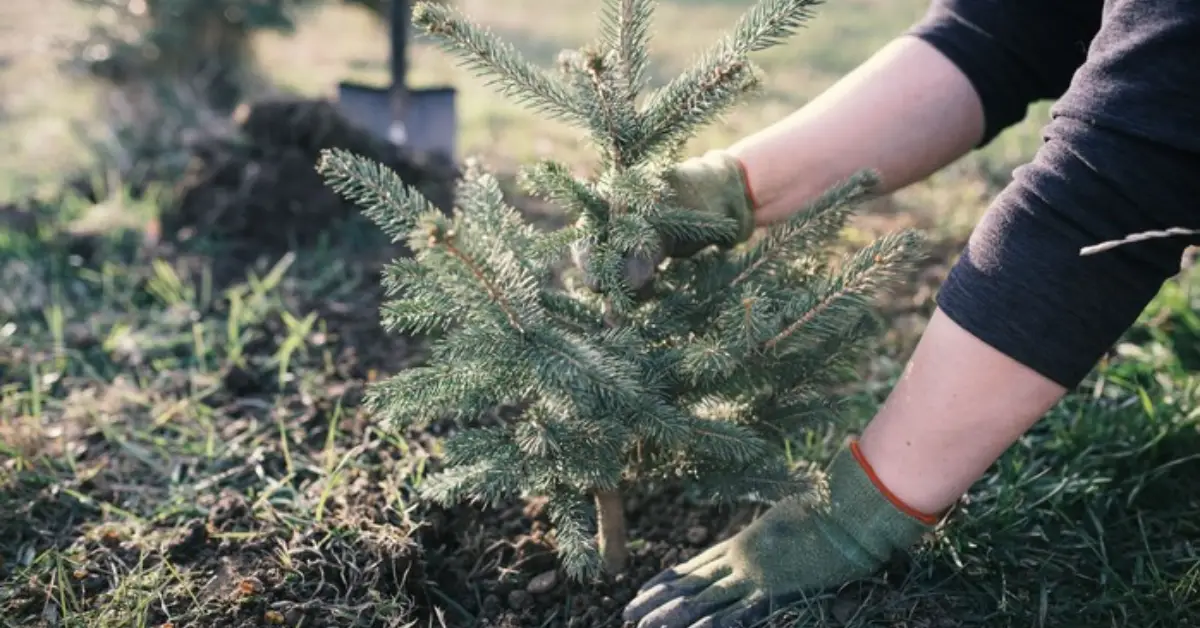
Even after planting, your Blue Spruce needs regular care to maintain its striking color. I follow a few consistent routines to make sure my tree stays vibrant:
- Watering regimes: Keep the soil evenly moist, especially for young trees. Avoid overhead watering that splashes on the needles, because too much water can wear down the wax coating.
- Fertilization and nutrition: Use a balanced fertilizer — one that doesn’t overload nitrogen, which can produce soft, less resilient growth. A 12‑12‑12 formula in spring and early summer works well.
- Mulching and root-zone care: Mulch keeps roots cool, retains moisture, and reduces stress. Less stress means more robust wax formation on the needles.
- Pruning and maintenance: Remove dead or inner branches, but avoid over-pruning, as you want to preserve the new shoots that produce the wax layer.
- Protecting from mechanical and environmental abrasion: Strong winds, heavy rain, pets, or kids climbing nearby can strip the wax. Installing a windbreak or carefully controlling irrigation helps protect the coating.
Following these routines ensures your Blue Spruce doesn’t just survive — it thrives with that silvery sheen you love.
Troubleshooting Colour Loss: What to Do When It Starts Turning Green
Sometimes, despite your best efforts, the silvery-blue starts fading. Don’t panic — I’ve walked through this before, and you can usually pinpoint the cause quickly:
- Step‑by‑step checklist for diagnosing the issue:
- Check sun exposure — is the tree shaded by new growth or nearby structures?
- Review your watering pattern — is it too much or too little?
- Assess nutrient levels — has the soil been tested recently?
- Inspect for pests or disease — needle casts or cankers can weaken the tree.
- Consider environmental stressors — chemicals, pollution, or physical abrasion.
- Corrective actions for each cause:
- Shading: Trim surrounding vegetation or open up the canopy.
- Wax erosion (wind/rain): Consider a temporary windbreak or avoid overhead irrigation.
- Nutrient problem: Conduct a soil test and apply targeted fertilizer based on the results.
- Disease or pests: Identify the pathogen (e.g., Rhizosphaera kalkhoffii) and treat or prune accordingly, following guidance from Michigan State University Extension on spruce decline.
- Realistic Expectations: When Colour Can’t Be Fully Restored
- Older needles won’t regain colour: Once the wax is stripped from older needles, the blue won’t return until new growth appears.
- Some cultivars fade with age: Certain varieties naturally lose intensity over time, even under ideal conditions.
- Patience matters: It can take a full growing season for new shoots to develop that strong silvery layer.
Understanding this helps you avoid frustration and focus your efforts where they can actually make a difference.
Selecting the Right Cultivar & Landscape Use for Maximum Blue Colour
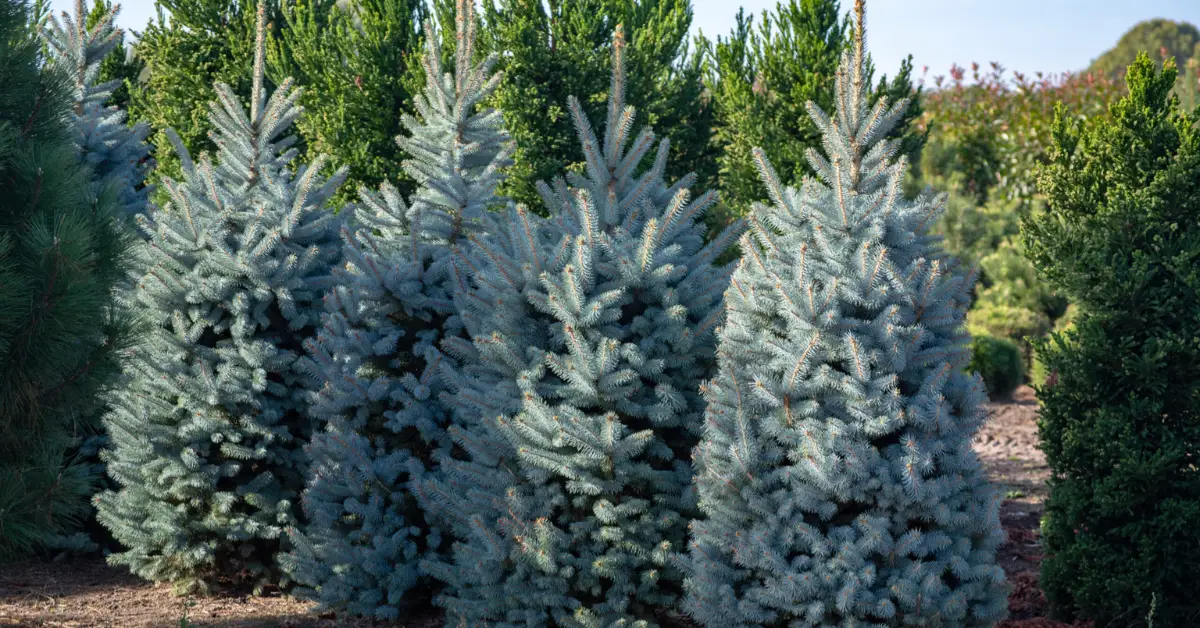
Choosing the right cultivar and placing it strategically in your landscape can make a huge difference in maintaining that silvery-blue glow. Here’s what I consider when planning:
- Top cultivars known for strong silvery-blue colour:
- ‘Hoopsii’ – intense blue, slow-growing, maintains wax well
- ‘Fat Albert’ – broader, upright, strong blue tone
- ‘Globosa’ – compact, globe-shaped, retains wax nicely in sun
- Matching cultivar to site and climate: Some cultivars don’t do well in hot, humid areas or poor drainage. I always choose a variety that fits my local conditions to reduce stress and colour loss.
- Strategic landscape placement:
- Use as a focal tree to showcase its colour
- Consider border planting to frame a yard
- Windbreaks or open spaces can reduce abrasion and encourage wax formation
By selecting the right cultivar and giving it the best position, you’re already doing half the work to keep your Blue Spruce looking spectacular year after year.
Summary of Key Actions & Cheat‑Sheet for Homeowners
Let’s wrap everything up in a quick cheat-sheet. These are the key actions I always follow to keep my Blue Spruce looking silvery-blue:
- Site selection: Plant in full sun with good air circulation; avoid overcrowding.
- Soil preparation: Ensure well-drained, fertile soil with organic matter; check pH and nutrients.
- Watering & care: Maintain consistent moisture, avoid overhead watering, and mulch around the root zone.
- Fertilization: Use balanced fertilizer in spring/early summer; avoid excess nitrogen.
- Pruning & maintenance: Remove dead or inner branches carefully; preserve new shoots that produce wax.
- Protection from stress: Shield from wind, heavy rain, pests, or mechanical damage.
- Troubleshooting: Monitor for shading, nutrient deficiencies, disease, pests, or pollution affecting wax formation.
Keeping this checklist handy makes it easy to quickly spot what your tree might need without guessing.
Final Thoughts & Maintenance Timeline
Maintaining that silvery-blue appearance isn’t a one-time task — it’s an ongoing process. From genetics and cultivar choice to sunlight, watering, and protection, everything works together to preserve that icy glow.
- Proactive monitoring: I like to check my tree in spring and early summer for any wax wear, nutrient deficiencies, or environmental stress.
- Realistic expectations: Remember, some green is normal as needles age, and cultivars naturally fade slightly over time.
With consistent care and attention, you can enjoy a vibrant Blue Spruce year after year.
I’d love to hear about your own experience! Have you noticed your Blue Spruce losing its silvery-blue shine, or do you have a trick that works for you? Share your story in the comments below — and if you want more detailed guides and plant care tips, visit us at Plant Care Dairy for expert advice tailored to your garden.
Disclaimer: The information provided here is for general gardening guidance. For specific issues, local conditions, or suspected disease, consult a certified arborist or local extension service. Results may vary depending on tree cultivar, climate, and care practices.