

I’ll be honest — most of us plant things in our gardens because they look good or attract butterflies, not because we’re thinking about rats. But here’s the uncomfortable truth I learned after years of gardening: some of those beautiful plants are basically open invitations for rodents. And once rats find a steady food source and a little shelter, they don’t leave easily.
If you’ve ever spotted gnawed fruit, dug-up bulbs, or strange little tunnels under your mulch, you’re not imagining things. Rats are smart, adaptable, and surprisingly picky about where they settle. The kicker? Many common garden favorites — from tulips to fruit trees — give them exactly what they want: food, cover, and a cozy nesting spot close to your home.
When I first discovered which plants were secretly luring them in, it changed how I gardened. It wasn’t about panic or poison — it was about awareness and smart choices. Once you know which plants attract rats, and what to grow instead, you can keep your garden thriving without turning it into a rodent resort.
In this guide, we’ll go through the plants that might be quietly inviting rats into your garden, why that happens, and the swaps that make a real difference. By the end, you’ll see how a few thoughtful changes can protect both your garden and your peace of mind.
So, before you plant another bulb or fruit tree this season — are you sure it’s not something rats will thank you for later?
Why Rats Show Up in Gardens – The Real Causes

If you’ve noticed small holes near your plants, chewed fruits, or that faint rustling sound at dusk — you’re not alone. Before we start pointing fingers at certain plants, it helps to understand why rats show up in the first place. They’re not showing up out of spite; they’re just following the basics — food, shelter, and water.
Once you see your garden through their eyes, it becomes easier to figure out what’s inviting them in and how to quietly show them the way out.
1. Food Sources: Bulbs, Fruit, Nuts, and Vegetables
Let’s be real — your garden probably smells like a buffet to a hungry rat. Most people assume rats only go for garbage or pet food, but their favorite treats often come straight from the soil.
Rats are drawn to:
- Bulbs and tubers like tulips and crocuses — they can sniff them underground.
- Fallen fruits under trees or vines, especially apples, peaches, and berries.
- Nut trees that drop acorns or walnuts — easy calories and protein.
- Vegetables such as corn, pumpkin, carrots, and beans — soft enough to gnaw and packed with energy.
As Homes & Gardens notes, many of these common garden favorites are basically “rat magnets” because they combine scent, shelter, and steady food access. And here’s the thing — you don’t even have to grow a lot. A single fruit tree or veggie patch is enough to send out the scent signal.
If you see half-eaten bulbs or fruit disappearing overnight, it’s not random. It’s a sign your garden is feeding more than just you.
2. Shelter and Hiding Spots: Dense Shrubs, Groundcover, and Mulch Piles
Rats are smart survivors. They don’t just want food — they want safety while they eat it. That’s why even the cleanest yard can become a hideout if there’s too much groundcover or clutter.
Common hiding spots include:
- Thick, low shrubs planted close together
- Ivy, vines, or other dense groundcover near fences or walls
- Deep layers of mulch or compost piles that stay warm and damp
- Stacked firewood or leftover plant pots stored outdoors
If you notice narrow pathways through mulch or droppings under shrubs, it’s worth trimming or clearing those areas. The less cover they have, the less likely they are to stick around.
3. Water and Access: Bird Feeders, Dropped Fruit, and Irrigation
Here’s something most people overlook — rats get thirsty too. And if your garden offers easy access to water, it becomes a full-service resort.
Typical water attractants include:
- Leaking irrigation lines or sprinklers that keep soil damp
- Birdbaths and pet water bowls left outside overnight
- Fallen fruit that releases sugary liquid as it rots
- Gutters, drains, or puddles forming near compost bins
Even if your plant choices are perfect, standing water and leftover fruit can still draw rats in. I’ve seen people swap out plants but forget to fix the leaky drip line — and a week later, the rats were back.
In short, rats don’t just follow food — they follow opportunity. The goal isn’t to make your garden lifeless, it’s to make it less convenient for them to settle.
Smart Alternatives: What to Plant Instead (with Layout Strategy)
If certain plants have been luring rats into your garden, don’t worry — the solution isn’t to strip everything bare. It’s about choosing smarter, scent-driven, and strategic replacements that make your space less appealing to rodents without sacrificing beauty or yield.
These plants don’t just look good — they work for you, quietly sending a message that your garden isn’t open for rat business.
1. Aromatic Herbs & Border Plants (Mint, Rosemary, Sage, Lavender)
When you step into a garden that smells like mint or rosemary, it’s refreshing — but for rats, it’s overwhelming. Strong-scented herbs like mint, rosemary, sage, and lavender are nature’s way of setting boundaries. Their essential oils irritate a rat’s sensitive nose, making it harder for them to navigate or mark territory.
Here’s how to use them effectively:
- Line garden edges or pathways with mint and lavender.
- Mix rosemary and sage between vegetable beds.
- Let them grow thick near compost bins or trash areas where smells might attract pests.
These herbs aren’t just deterrents — they also attract pollinators and can be used in your kitchen. According to Tom’s Guide, aromatic plants like these “keep mice and rats from invading your garden” while adding practical beauty to your landscape.
2. Bulbs and Flowers That Deter Rodents (Daffodils, Alliums, Marigolds, Chrysanthemums)
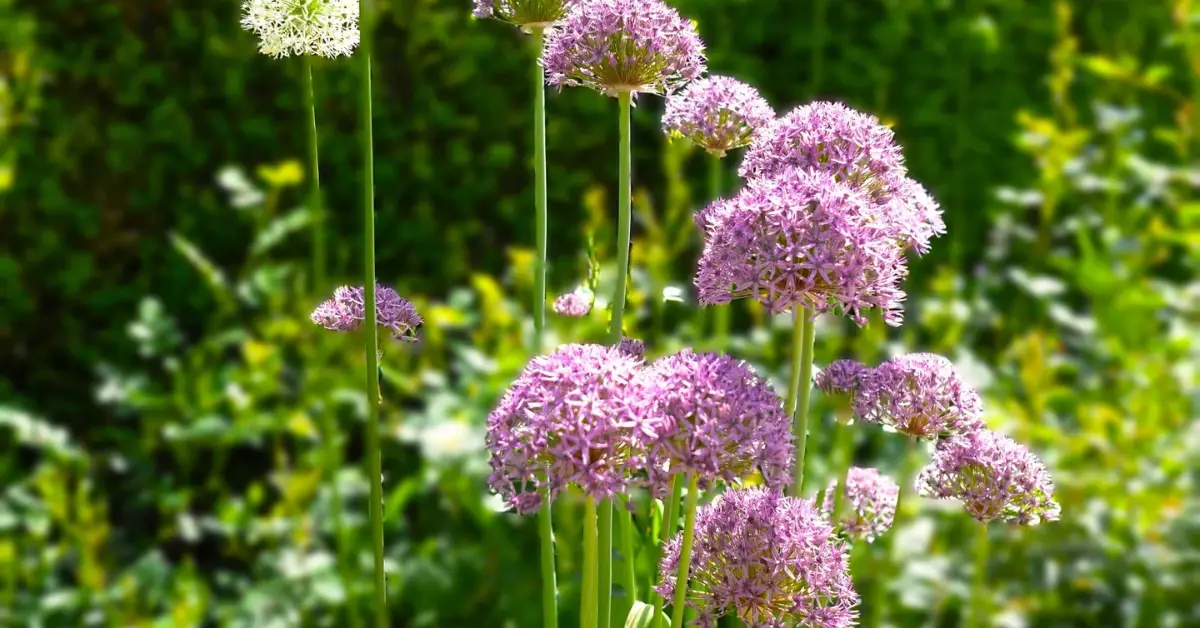
Instead of tulips or crocuses — which rats love — go for bulbs and flowers that repel them naturally.
- Daffodils and alliums contain toxins that rodents avoid.
- Marigolds release a strong scent that masks food smells.
- Chrysanthemums have pyrethrum, a natural insect and pest deterrent.
They’re colorful, low-maintenance, and safe to plant around borders or walkways. By replacing a few rat-attracting bulbs with these, you’re already cutting off one major incentive for rodents to dig in your yard.
3. Strategic Planting Around High-Risk Zones
It’s not just what you plant — it’s where you plant it. If you already have fruit trees or vegetable patches, create buffer zones using deterrent plants.
Try this simple setup:
- Ring fruit trees with lavender or rosemary borders.
- Interplant mint between raised veggie beds.
- Avoid trees or shrubs that touch fences or house walls — they become perfect climbing routes.
Spacing and smart layering are just as powerful as plant choice. When deterrent scents mix around your high-risk zones, rats lose the comfort and cover they rely on to move unseen.
4. Structural Garden Layout: Raised Beds, Clean Edges, and Reduced Shelter Zones
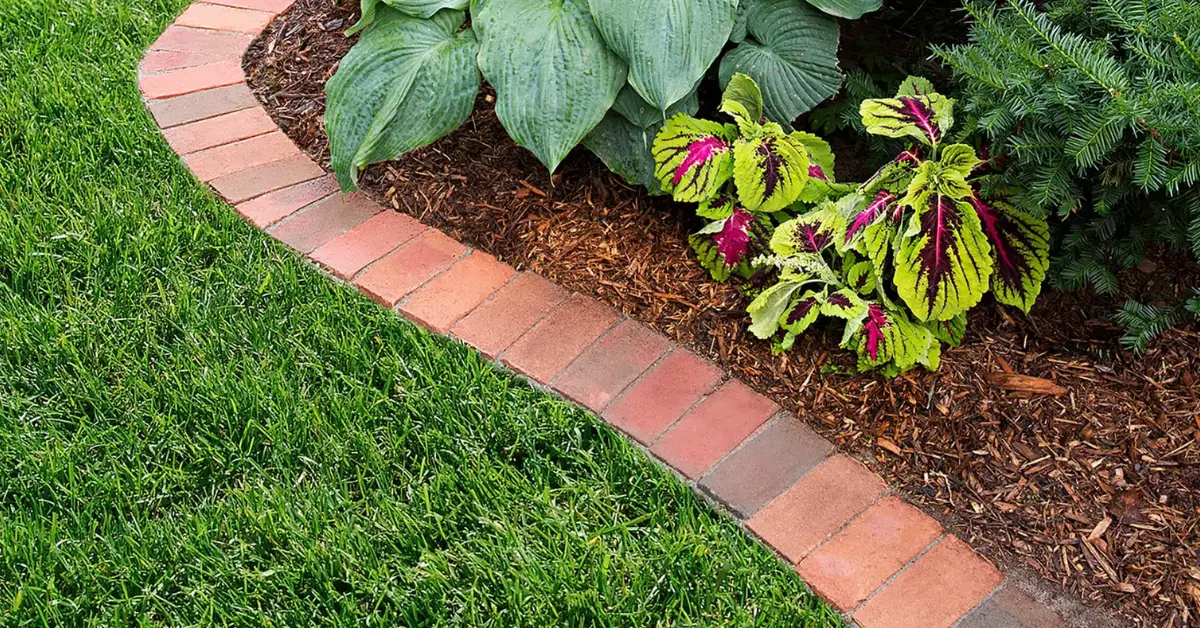
Sometimes the problem isn’t your plants — it’s your layout. Dense or cluttered gardens create perfect hideouts, while open, tidy layouts send a clear “no vacancy” message.
Practical layout tips:
- Use raised beds with firm borders (metal or stone) to reduce burrowing.
- Keep clean edges between planting zones.
- Replace deep mulch layers with gravel or bark chips that dry quickly.
- Trim back overhanging shrubs touching walls or fences.
These small layout tweaks do more than improve aesthetics — they cut down hiding spots and make your garden less comfortable for rodents overall.
And if burrowing pests like moles have also been disturbing your soil, check out our complete guide on how to get rid of moles naturally without harming your garden. It shares eco-friendly ways to protect your lawn and roots without using traps or chemicals.
Maintenance & Behavioral Habits to Reinforce Your Planting Strategy
Even the best deterrent plants won’t work if the garden stays messy or full of attractants. Maintenance is your silent weapon — it keeps your deterrent plants effective and your space uninviting to unwanted guests.
1. Clean Up Fallen Fruit, Nuts, and Vegetables Promptly
Rats are scavengers. The longer fallen produce sits on the ground, the stronger the scent trail becomes. Make it a routine: walk your garden every few days, especially after rain or wind, and remove anything edible that’s dropped. A clean garden is a quiet one — rats follow smell, not loyalty.
If you’re noticing other seasonal pests showing up along with rodents, you might want to read our guide on how to get rid of boxelder bugs naturally without harming your plants. It walks you through simple, non-toxic methods that keep your garden ecosystem balanced year-round.
2. Remove Dense Groundcover, Clutter, and Wood Piles Near Buildings
Clutter equals cover. Piles of wood, unused pots, or thick groundcover near walls make ideal nesting areas. Keep at least a 12-inch clearance between any vegetation and your house or fence line. Open space gives them nowhere to hide, and the difference in rat activity is usually visible within weeks.
3. Use Fragrant Plant Cuttings, Essential Oils, or Fresh Herb Groundcover
Boost your plant strategy by reinforcing scent barriers.
Try this:
- Scatter mint or rosemary clippings around compost bins.
- Mix lavender or sage oil with water and spray around garden edges.
- Crush herb leaves between your hands and drop them near bird feeders.
If ants are another issue in your garden, you can use a similar natural approach. Learn how to get rid of ant hills without harming your plants using ingredients and techniques that fit right into an eco-friendly garden routine.
These natural reinforcements create short-term scent walls that rats instinctively avoid. They’re sa fe, non-toxic, and complement your planted deterrents.
4. Monitor and Inspect Garden Edges, Foundations, and Drainage
Make a habit of walking the perimeter. Look for burrows, small holes, or greasy rub marks — signs of rat runs. Focus near fences, compost bins, and under decks. Early detection is key; catching activity before they settle is easier than evicting them later.
5. Seasonal Checklist: Fall and Winter Focus
Rats seek warmth when temperatures drop, so autumn and winter are high-risk seasons. Prepare ahead:
- Harvest produce early before it overripens.
- Trim shrubs before cold weather hits.
- Double-check irrigation leaks before freezing temps.
These habits make your garden less inviting just when rodents start looking for shelter — and they pay off year-round.
Quick Reference Cheat-Sheet: “Do This / Avoid That”
Even seasoned gardeners like having a quick visual guide — something they can save, pin, or print for reference. This “Do This / Avoid That” chart sums up everything we’ve covered so far in one simple, action-ready format.
It’s a fast way to double-check what you’re planting (and where), especially when you’re picking new bulbs or trees for the next season.
| Avoid | Plant Instead / Do This |
|---|---|
| Tulips, crocuses, and other soft spring bulbs | Daffodils, alliums, or marigolds — naturally rodent-resistant |
| Fruit trees planted close to fences or walls | Maintain distance; ring trees with lavender or rosemary borders |
| Nut-bearing trees too close to structures | Swap with berry bushes (blueberry, currant) surrounded by mint or sage |
| Sweet root crops like carrots, corn, or pumpkins | Grow above-ground vegetables like lettuce, kale, or herbs in raised beds |
| Dense ivy, juniper, or thick groundcover near buildings | Use low, airy plants like ornamental grasses or compact flowers for visibility |
| Deep mulch piles, compost heaps, or clutter near the home | Keep mulch thin; use gravel paths and maintain open sightlines |
| Bird feeders that scatter seed on the ground | Use catch trays or clean up regularly; plant rosemary or thyme below feeders |
| Cluttered, shaded garden corners with low branches | Prune low branches and plant deterrent borders (lavender, sage) to open airflow |
| Fallen fruits left under trees | Collect promptly and use strong-scented plants like mint nearby |
| Standing water or leaky irrigation areas | Fix leaks and grow aromatic herbs that prefer drier soil (rosemary, sage) |
This table isn’t just a summary — it’s a practical cheat-sheet you can glance at anytime. It helps you instantly identify problem spots, make swaps, and keep your garden both beautiful and pest-free without harsh chemicals.
Final Thoughts: Reclaiming Your Garden Peacefully and Safely
When I first realized that some of my favorite plants were practically sending out invitations to rats, I felt frustrated — like I had to choose between a beautiful garden and a clean one. But the truth is, you don’t have to compromise either. You just need awareness and a plan.
By understanding what draws rats in — food, shelter, and easy access — and swapping out those tempting plants for smarter, aromatic, or pest-resistant ones, you’re already steps ahead of the problem. Add a few layout tweaks and simple maintenance habits, and your garden becomes a space that’s both vibrant and unwelcoming to rodents.
You’ll notice the difference fast:
- Less digging or gnawing at bulbs
- Fewer droppings or tunnels
- Healthier, stronger plants that aren’t competing with hidden pests
Most importantly, you’ll feel at ease again — knowing your garden is under your control, not theirs.
If this guide helped you spot the plants that secretly attract rats or gave you a few new ideas for replacements, drop your thoughts or questions in the comments below — I’d love to hear what’s working (or not) in your yard.
And if you’re ready to keep your garden thriving year-round, visit Plant Care Dairy for more hands-on guides, seasonal care tips, and pest-free planting strategies. Let’s keep your garden beautiful, balanced, and 100% yours.
Disclaimer: The information in this article is for general gardening and educational purposes only. While every effort has been made to ensure accuracy, pest behavior can vary by region and environment. Always consult a local horticulturist or pest control professional before making major planting or pest management decisions.