

I still remember the first time I noticed those uneven ridges snaking through my lawn. At first, I thought it was just the rain or maybe my dog digging around again. But the next morning, there were more—fresh mounds of soil, soft underfoot, as if something had been tunnelling right beneath me. That’s when I realized I had moles.
My first instinct was to panic and reach for whatever chemical product promised a quick fix. But the truth is, I love my garden too much to fill it with toxins. I’ve spent years building up the soil, planting native flowers, and attracting birds and bees—I wasn’t about to undo all that just to chase away a few tiny creatures.
If you’ve ever stood in your garden wondering how to stop moles without harming the life around them, I’ve been there too. The trick isn’t about killing them—it’s about understanding why they came, what keeps them there, and how to encourage them to leave naturally. Over time, I’ve tested every method you can imagine—some worked beautifully, others not so much—and what I’ve learned can save you a lot of time and frustration.
So if you’re ready to protect your yard, keep your soil healthy, and finally stop those midnight diggers from turning your garden into a maze, let’s start with what really works—and what doesn’t.
What signs first made you think you might have moles in your garden?
Why Those Raised Mounds Are Really Moles (And Why You Should Care)
What exactly is a mole — not a vole, not a gopher
I used to assume every small tunnel in the yard meant the same culprit. But moles, voles, and gophers are completely different guests underground — and knowing which one you have changes everything.
Here’s how to tell them apart when you look closer:
- Moles are insect-eating mammals with pointed snouts and paddle-shaped front paws built for digging. They create raised surface tunnels and volcano-shaped mounds.
- Voles are small rodents that nibble on roots and stems; their tunnels often have visible entry holes and no raised ridges.
- Gophers push flat, fan-shaped soil mounds and actually drag plants underground to eat them.
If your lawn feels spongy or you see continuous raised lines of soil, that’s a mole’s handiwork. Identifying it correctly means you won’t waste time on the wrong trap or repellent.
Why moles are drawn to your garden
When I finally understood why moles showed up, it all made sense — they weren’t attacking my plants, they were chasing food.
Moles come for three main reasons:
- A buffet underground – Grubs, earthworms, and beetle larvae are their main diet. If your soil is rich and moist, it’s like a five-star meal.
- Soft, loose soil – Well-kept lawns and garden beds are easy to tunnel through.
- Moisture and shade – Over-watering or shaded spots make the ground ideal for burrowing.
If you’ve been feeding your soil with compost and watering regularly (as most of us do), you’ve accidentally rolled out the red carpet for them. Understanding this helps you tackle the real cause — not the animal itself but what’s attracting it.
The dual role of moles — nuisance and nature’s tiller
It’s easy to see moles as pure trouble, but they actually play a mixed role in your ecosystem.
On the downside, they:
- Uproot young plants and bulbs by shifting soil.
- Leave raised tunnels that ruin the look of lawns.
Yet they also:
- Aerate the soil, improving drainage and oxygen levels.
- Eat harmful grubs, which can save your grass from bigger pest outbreaks.
So before you wage war, remember — the goal isn’t revenge, it’s balance. You just want to guide them out, not destroy what they contribute.
Assessing Your Situation: How Bad Is the Infestation – And What Zone Are You In?

Signs of active mole tunnels vs abandoned ones
When I first started fighting moles, I made the rookie mistake of treating every mound like a live tunnel. Most were old. Here’s how you can tell the difference:
- Active tunnels: The soil looks fresh and damp; pressing the ridge down will see it pop back up within a day.
- Abandoned tunnels: The soil is dry, compacted, or crumbles easily when touched.
- New mounds: Appear overnight — a sure sign the mole is still working beneath.
Check a few spots before taking action. This saves you time and avoids pouring repellents into dead soil.
Soil type, moisture level, and garden layout
Every garden reacts differently to moles because of how the ground is built.
- Clay soil: Tunnels collapse easily, so moles keep digging new ones — making control harder.
- Sandy soil: Easier to aerate, but moles travel deeper, often below root zones.
- Loam or compost-rich soil: Their favourite — full of worms and easy to move through.
If you have vegetable beds, check near compost piles and irrigation lines. Flowerbeds with thick mulch layers are also inviting. Adjusting watering habits or tightening soil compaction slightly can make your space less appealing.
Time of year and mole behaviour
Timing matters more than most people realise. Moles are busiest when the ground is soft and full of insects:
- Spring: They move closer to the surface for breeding and feeding on fresh grubs.
- Autumn: Another peak, as they fatten up for winter.
- Summer/Winter: They shift deeper underground where conditions are cooler or warmer.
Knowing their seasonal rhythm helps you act at the right moment — apply natural repellents or plant deterrents when they’re most active near the surface.
For a detailed look at mole activity patterns and soil cues, you can check The Spruce’s research-based guide.
Natural Deterrents That Work — With Mechanism & How-To
When you’re trying to keep your garden mole-free without hurting the soil or its tiny ecosystem, the goal isn’t to overwhelm it with chemicals—it’s to make the environment gently uncomfortable for moles so they move on. Over the years, I’ve tried nearly every “natural” remedy you can think of. Some failed completely, others worked better than expected. Here’s what’s proven effective and worth your time.
Castor-oil based repellents
I’ll start with what I’ve found to be the most consistent natural fix: castor oil. Studies from Nebraska Extension Publications confirm that it works by coating soil particles and irritating a mole’s sense of smell and taste. Once they tunnel through treated soil, it becomes unpleasant enough for them to leave.
How to mix and apply:
- Combine 3 parts castor oil + 1 part mild dish soap.
- Mix two tablespoons of that concentrate with 1 gallon of water.
- Use a garden sprayer or watering can to apply evenly over affected areas.
Pro tip: Water the lawn lightly before and after applying so the mixture sinks into the soil.
Pros: Non-toxic, proven by research, safe for pets and plants.
Cons: Needs reapplication after rain or heavy watering.
If you enjoy using gentle, eco-friendly solutions like castor oil, you might also want to read our guide on how to get rid of whiteflies naturally without chemicals — it follows the same garden-safe approach to pest control without harming beneficial insects.
Planting mole-repellent flora
This is one of my favourite passive strategies—because it makes your garden look better while keeping pests away. Daffodils, marigolds, alliums, and fritillarias release natural scents and alkaloids that moles hate.
How to plant effectively:
- Create a border row of these around the edges of your beds.
- For extra protection, interplant daffodils near your bulbs and root vegetables.
- Replant annuals like marigolds each spring to maintain coverage.
Why it works: The scent from these plants lingers in the soil and forms a mild chemical barrier that deters digging.
Pros: Long-term protection, visually appealing.
Cons: Doesn’t stop deeply tunnelling moles; better as a preventive.
Vinegar & strong-smell sprays
When I didn’t have castor oil handy, vinegar became my quick fix. It’s cheap, easy, and surprisingly effective for mild activity. The strong odour irritates moles and temporarily changes soil acidity where it’s sprayed.
DIY recipe:
- Mix ½ cup white vinegar with 1 cup water and a few drops of peppermint oil (optional).
- Spray directly into fresh mounds and along tunnels.
- Cover the openings with soil afterward.
Pros: Fast and affordable.
Cons: Only short-term results; too much vinegar can harm delicate plants.
For more detailed field guidance, see Triple A Pest Control’s blog on safe vinegar application.
Food-source management
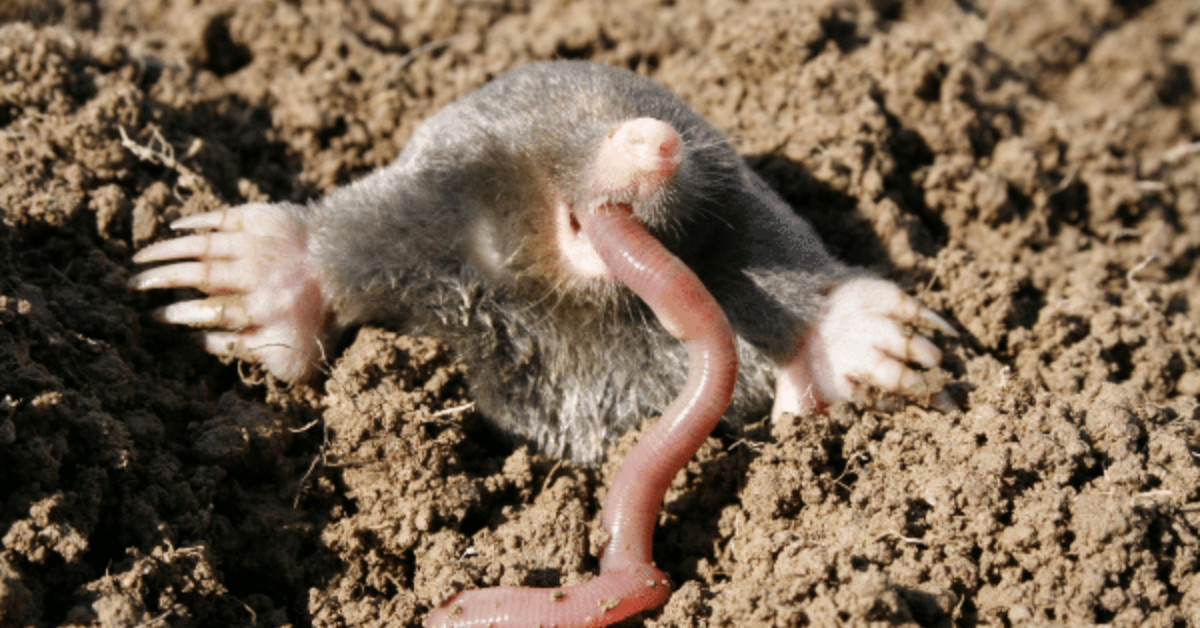
The truth is, moles don’t come for your plants—they come for your worms and grubs. Reducing their food supply is one of the most effective long-term controls.
Here’s what works:
- Use beneficial nematodes or milky spore to control grubs naturally.
- Don’t overwater—wet soil brings worms closer to the surface.
- Keep compost piles covered; they’re like buffets for burrowers.
When the buffet disappears, the guests move on. Simple as that.
Barriers & habitat modification
If you’re protecting high-value beds or vegetable patches, barriers are worth the effort. Underground fencing or rock trenches physically block tunnelling.
How to install:
- Dig a trench 2 feet deep around the target area.
- Line it with hardware cloth or fine mesh, angled outward slightly.
- Refill the trench with soil and compact it firmly.
It’s labour-intensive but extremely effective, especially near raised beds.
Encouraging natural predators & ecosystem balance
This is nature’s way of handling things. Encouraging owls, snakes, or even foxes creates a natural check on mole populations.
You can help by:
- Adding bird boxes or perches for owls.
- Keeping hedgerows and wild edges intact for habitat diversity.
- Avoiding harsh pesticides that remove natural prey and disrupt balance.
This isn’t an overnight fix—but it’s one that builds a healthier, self-managing garden in the long run.
Common Myths & Ineffective Methods to Skip
If you’ve spent any time on gardening forums, you’ve probably seen dozens of “miracle” mole hacks. Unfortunately, most of them are myths that can harm your garden or simply waste your time.
Mothballs, broken glass, pinwheels, and ultrasonic devices
Moles either ignore the smell of mothballs once it fades, or adapt quickly to vibration-based devices. Worse, chemicals in mothballs can contaminate soil and harm pets.
Avoid:
- Mothballs or kerosene-based products.
- Sound or vibration gadgets promising “instant eviction.”
- Anything that involves sharp objects like glass or wire underground.
Your garden deserves better than guesswork.
Expectation-setting: Natural doesn’t mean instant
This is where many people give up too soon. Natural control takes consistency. You’re changing the environment, not eliminating a pest overnight.
Here’s what to keep in mind:
- Most repellents take 1–2 weeks to show visible improvement.
- Moles may test treated areas before leaving completely.
- Reapply or adjust methods seasonally.
Think of it as retraining your garden’s balance, not a one-time battle.
Creating Your Step-by-Step Natural Mole Control Plan
It’s easy to get lost in options, so here’s how I structure it when helping friends or clients tackle mole issues safely.
Quick-start checklist (first week)
- Confirm active tunnels (press down and check in 24 hours).
- Choose one repellent to start—castor oil works best for beginners.
- Water lightly before and after treatment.
- Mark treated areas to monitor results.
This helps you see early signs of progress without confusion.
30-day plan: Repel, monitor, and adapt
- Reapply repellent every 10–14 days, especially after rain.
- Plant repellent flowers like daffodils or marigolds along mole runs.
- Note any new activity—fresh mounds usually appear in untreated spots.
- Adjust watering schedules to make soil less inviting.
By the end of a month, you’ll either see fewer mounds or find patterns to refine.
Long-term maintenance (seasonal upkeep)
Mole control isn’t about chasing them—it’s about prevention. Every few months:
- Refresh plant barriers before spring and autumn activity peaks.
- Maintain balanced moisture; avoid soggy patches.
- Reapply repellents after heavy rainfall.
- Encourage predators by keeping your garden biodiverse.
This rhythm keeps your yard healthy, balanced, and mole-free year after year—without ever touching poison or traps.
What’s your current biggest challenge—new mounds popping up overnight or tunnels returning after treatment?
When Natural Methods Aren’t Enough — Escalation Options (Garden-Safe)

Sometimes, despite your best effort, the little diggers just won’t leave. That’s when it’s time to move from prevention to control — but still in a way that keeps your garden, pets, and conscience safe.
Recognizing signs that control is failing
I’ve learned that moles are stubborn. Even after weeks of natural deterrents, you may notice signs that your strategy isn’t holding up.
Watch for these clues:
- Fresh mounds keep reappearing every few days, especially in treated areas.
- Tunnels extend toward neighbouring lawns, meaning you’re dealing with reinfestation.
- Plants begin to slump or die unevenly, showing underground disruption is still active.
If any of this sounds familiar, it doesn’t mean you’ve failed—it means the mole population is either larger or more mobile than your yard alone can manage. That’s when humane escalation makes sense.
Garden-safe humane traps & relocation options
Before you imagine metal traps and grim endings, know this: there are humane, catch-and-release options that don’t harm moles. They’re designed like narrow tunnels with spring doors—once the mole enters, it can’t exit but remains unharmed.
How to use them safely:
- Place traps along fresh surface runs (active tunnels).
- Check them every few hours; never leave animals confined for long.
- Relocate captured moles at least half a mile away, ideally near fields or wooded areas where soil is soft.
Always check local wildlife laws before relocating, since some regions restrict it. Humane removal works best when paired with deterrents afterward—otherwise, a new mole may simply take the vacant tunnel.
When to call a pro (and what to ask)
If you’ve tried multiple methods for a month and still see active mounds, it’s time to get professional help. A good pest-control specialist can assess tunnel depth, soil type, and feeding zones much faster than trial-and-error DIY.
When hiring, ask these questions:
- Do you use live traps or chemical deterrents?
- Can you guarantee garden-safe and pet-safe methods?
- What’s your follow-up process if activity returns?
Don’t hesitate to ask for references or certifications. A legitimate service will gladly explain its methods—and never pressure you into toxic baits or fumigants.
Preventing Future Invasions: Design & Soil Practices
Once your garden is clear, keeping it that way becomes much easier than starting over. Prevention is where most people slack—but it’s also where long-term success lives.
Soil management for mole resistance
Healthy soil attracts life, which includes moles. The goal is to balance soil quality without turning it into a buffet.
According to Solutions for Your Life, proper lawn and soil management can drastically reduce mole presence.
Try these practical tweaks:
- Fix drainage — aerate compacted zones and redirect standing water.
- Avoid over-watering — moist soil draws worms upward.
- Encourage plant diversity — mixed roots discourage continuous tunnelling. Maintaining this kind of biodiversity also helps you keep other pests in check — for example, our guide on how to get rid of bagworms naturally explains how balance and diversity protect trees from infestation without harsh sprays.
Small changes here make your yard less appetising to both moles and their food sources.
Border design & root-system awareness
Garden layout makes a big difference. Raised beds, root barriers, and border trenches stop moles from wandering freely.
- Line garden borders with underground mesh or stones.
- Use deep-rooted plants like lavender or peonies near edges—they strengthen soil walls.
- Keep mulch layers thin near fences to prevent soft, diggable zones.
Think of it as landscaping with intention—each structure subtly says “no entry.”
Monitoring & seasonal check-ups
Even after you’ve solved the problem, a little vigilance keeps it from returning.
- Do a quick ground scan every few weeks.
- After heavy rain, check for new soft spots or ridges.
- Refresh repellents or replant deterrent flowers each spring and fall.
Consistency beats crisis every time. A five-minute walk around your garden now saves you hours of repair later.
Budget, Timeline & What to Expect
Every gardener wants to know two things: how much it’ll cost, and how long it’ll take. Here’s the realistic breakdown I give anyone starting this journey.
Cost-range for each natural method
| Method | Average Cost | Duration / Reapplication |
|---|---|---|
| Castor-oil repellents | ($6–$10) per gallon | Every 2 weeks |
| Vinegar spray | ($1–$2) | Weekly |
| Mole-repellent plants | ($3–$7) per pack | Seasonal |
| Barrier trench (DIY) | ($18–$36) | Long-term |
| Humane trap | ($8–$14) | Reusable |
Timeline to see results
Natural mole control rarely happens overnight. Based on experience:
- First week: You’ll notice reduced new mounds in treated zones.
- 2–4 weeks: Moles start relocating deeper or away.
- 6–8 weeks: Tunnels flatten and grass begins healing.
Stay patient—your garden’s rhythm takes time to rebalance.
What can still trigger new activity
Even after success, a few things can bring moles back:
- Heavy rain forcing worms upward again.
- Neighbouring yards that stay untreated, drawing tunnels across boundaries.
- Seasonal grub surges in spring and fall.
When that happens, just reapply your repellents or refresh plant borders. You’re not starting from scratch—you’re just maintaining balance.
If ants have also started appearing around your mole tunnels, they could be taking advantage of loosened soil — here’s a helpful guide on how to get rid of ant hills without harming your plants that can help you handle them safely alongside your mole control plan.
Final Thoughts: Balance Your Garden Ecosystem While Saying Goodbye to Moles
After years of battling those tiny underground engineers, I’ve realised that mole control isn’t really about getting rid of them—it’s about restoring balance. Your garden is its own living community, and every creature, from worms to moles, plays a part in it. When you choose natural methods, you’re not just protecting your lawn—you’re protecting the soil life that keeps it thriving.
You’ve learned by now that quick fixes rarely work. Real results come from patience, observation, and small consistent habits—watering smartly, planting strategically, and staying tuned in to what your soil is telling you. When you combine these steps, you don’t just stop moles; you build a healthier, more resilient garden that welcomes the right kind of life.
If you’re starting your own mole-free journey, use what you’ve learned here: test, tweak, and trust the process. Nature rewards persistence.
Have you tried any of these natural mole control methods before? I’d love to hear what worked best for you—share your experience in the comments below. And for more practical gardening tips and eco-friendly guides, visit Plant Care Dairy — where real gardeners grow, learn, and keep their soil alive.
Disclaimer: The information shared in this guide is for general gardening knowledge only. Always check your local wildlife and pest-control regulations before using traps or repellents. Results may vary depending on soil, climate, and garden conditions.