

If you’ve ever walked into your garden and found your plants covered in tiny whiteflies, you know just how frustrating it can be. These pests may look harmless, but they can do serious damage by feeding on your plants’ sap, weakening them, and even spreading diseases. I’ve been there, watching my prized tomatoes or lush greenery wilt away because of these tiny invaders.
But here’s the thing — you don’t have to reach for harsh chemicals to solve the problem. There are simple, natural ways to get rid of whiteflies that not only protect your plants but also the environment around them. The best part? You can do it all without the risk of harming beneficial insects, like bees and ladybugs, or adding toxins to your garden soil.
In this article, I’m going to share proven, easy-to-follow methods that can help you take control of your garden and keep it healthy, all while staying chemical-free. So, if you’re ready to reclaim your garden and say goodbye to those whiteflies for good, let’s dive in!
Understanding Whiteflies and Their Impact on Your Plants
What Are Whiteflies?
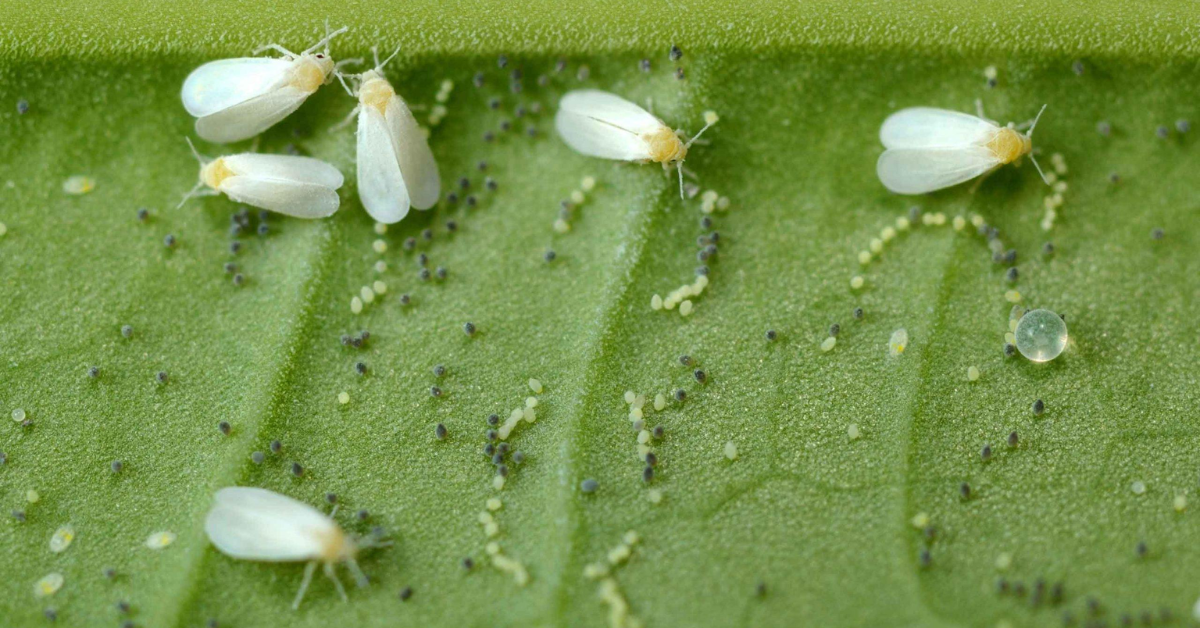
Whiteflies might be tiny, but their impact on your garden can be significant. These pests are small, winged insects that appear as tiny white specks, often seen fluttering around your plants when disturbed. But don’t let their size fool you.
Here’s what you need to know about their life cycle:
- Eggs: Whiteflies begin as tiny, oval-shaped eggs that are laid on the underside of leaves. If you look closely, you might see clusters of these eggs.
- Larvae: After hatching, the larvae or “nymphs” stick to the underside of leaves and begin feeding on the plant’s sap. They look like tiny, soft scales.
- Adults: As the nymphs mature, they become adults, which are winged and fly off to other plants. They leave behind honeydew, a sticky substance that can cause mold growth.
So, why do these little creatures matter so much? Whiteflies feed on the sap of your plants, and over time, this weakens them. Their feeding damages the plant’s vascular system, preventing it from getting the nutrients and water it needs. Worse, they also spread plant diseases, making the problem even more severe.
Why Conventional Chemical Treatments Don’t Work
Now, you might be thinking, “I’ve got some pesticide sitting in my garage. Why not just spray it?” But before you grab that bottle, let’s take a deeper look at why chemical insecticides might not be your best option.
Here are a few reasons chemical treatments fall short:
- Resistance: Over time, whiteflies can become resistant to the chemicals you’re using, making it harder and harder to get rid of them. You may find yourself spraying more often, but it’ll have less of an effect.
- Harm to Beneficial Insects: Chemical pesticides don’t just target whiteflies—they can also harm beneficial insects like bees, ladybugs, and other pollinators that are vital for your garden’s health.
- Plant Toxicity: Many chemical treatments can be harmful to your plants, causing damage that isn’t immediately visible but weakens them over time. This could lead to poor growth, discoloration, or even plant death.
Rather than using harmful chemicals, natural treatments can be just as effective and much safer for your plants, beneficial insects, and the environment.
For more information check out this article by the University of California Agriculture and Natural Resources.
By understanding why conventional chemical treatments don’t work, you’ll be more motivated to explore natural alternatives that are not only better for your garden but also better for the planet. You’ll see why avoiding chemicals is not just a better option—it’s a smarter, more sustainable choice in the long run.
Natural Solutions to Get Rid of Whiteflies
Neem Oil and Other Essential Oils
When it comes to natural pest control, neem oil is often the first option that comes to mind, and for good reason. Neem oil is a powerful yet gentle pesticide derived from the neem tree, and it has been used for centuries in natural farming. Here’s why it’s so effective:
- Natural Pesticide: Neem oil works by disrupting the feeding and reproduction of whiteflies. It contains compounds like azadirachtin, which prevent whiteflies from growing and reproducing.
- Safe for Plants and Humans: Unlike harsh chemical pesticides, neem oil is safe for plants and won’t harm beneficial insects when used properly.
- Essential Oils: Other essential oils, such as peppermint, rosemary, and eucalyptus, also have natural insect-repelling properties. These oils are effective at deterring whiteflies while being gentle on your plants.
How to Apply:
- Dilute neem oil (or essential oils) with water, usually at a ratio of 1-2 tablespoons per quart of water.
- Spray the mixture directly on the leaves of the affected plants, particularly the underside where whiteflies like to hide.
- Apply early in the morning or late in the evening to avoid leaf burn from the sun.
Introducing Beneficial Insects
Sometimes, the best way to fight pests is by bringing in some allies. Ladybugs, lacewings, and predatory beetles are all excellent natural predators of whiteflies.
- Ladybugs: Known for their voracious appetite for aphids and whiteflies, ladybugs will happily munch on your pests and help keep the population in check.
- Lacewings: Their larvae are excellent whitefly hunters. Lacewings will also feast on aphids, mealybugs, and other pests.
- Predatory Beetles: These beetles will actively seek out and consume whiteflies and their larvae.
When and How to Introduce:
- Purchase these beneficial insects from garden centers or online.
- Release them during the evening or early morning when temperatures are cooler. Place them near the infested plants and let them do their work.
- Remember, these insects may need a few days to adjust to their new environment, so give them time to establish themselves.
Homemade Whitefly Traps

Creating your own whitefly traps is another great natural solution that’s both easy and inexpensive. Yellow sticky traps are particularly effective at capturing whiteflies because they are drawn to the color yellow.
How to Make the Traps:
- Use bright yellow card stock or plastic boards (old folders or trays work great).
- Coat them with a sticky substance like petroleum jelly or double-sided tape.
- Hang or place them near infested plants to catch flying whiteflies.
How They Work:
- Whiteflies are attracted to the yellow color, and once they land on the traps, they get stuck in the sticky substance.
- These traps can help reduce the whitefly population over time, especially when combined with other natural remedies.
If you’re also dealing with ant hills in your garden, you may find our guide on how to get rid of ant hills without harming your plants useful for managing other common garden pests.
Diatomaceous Earth and Other Powder Solutions
Diatomaceous earth (DE) is a fantastic, non-toxic solution to kill whiteflies and other pests. DE works by physically damaging the exoskeletons of whiteflies, leading to dehydration and death.
- How It Works: The tiny, sharp particles of DE scratch the whitefly’s outer shell, causing it to dry out and die. This method is safe for plants, pets, and humans when applied correctly.
- Other Powders: Clay-based powders or talc can also create a barrier that prevents whiteflies from landing on plants, while also drying them out.
How to Apply:
- Lightly dust diatomaceous earth on the tops and bottoms of your plants’ leaves, particularly the areas where whiteflies are most active.
- Reapply after rain or watering, as DE loses its effectiveness when wet.
Companion Planting to Repel Whiteflies
One of the easiest ways to protect your plants is by planting companions that naturally repel whiteflies. Certain plants are known to have pest-repelling properties that can help keep whiteflies at bay.
- Marigolds: These bright flowers not only attract pollinators but also repel a range of pests, including whiteflies.
- Basil: Known for its aromatic oils, basil can naturally repel whiteflies when planted near susceptible crops like tomatoes and peppers.
- Garlic and Onions: Strong-smelling plants like garlic and onions can also help keep whiteflies and other pests away.
Why It Works:
The strong smells of these plants confuse or repel whiteflies, making it less likely they’ll want to settle on your other plants. Companion planting is an easy, natural prevention method that can be part of your garden’s overall pest management strategy.
For more insights on how to identify and get rid of whiteflies, check out this guide from The Spruce.
Additional Tips for Preventing Future Whitefly Infestations
Regularly Inspect Your Plants
One of the simplest yet most effective ways to prevent a whitefly infestation is by regularly inspecting your plants. Early detection can make all the difference in stopping a small issue before it turns into a full-blown infestation.
- Why It Matters: Whiteflies tend to hide on the underside of leaves, so it’s important to check not just the tops of your plants, but also the undersides.
- What to Look For: Look for signs like tiny white specks, a sticky residue on leaves, or deformed plants. If you spot any, you’ll be able to take action right away, reducing the need for intense treatments later.
- How Often to Inspect: Check your plants weekly, especially during peak pest seasons in the warmer months.
Regularly checking for pests, including scarlet lily beetles, can help protect your plants—learn more about how to get rid of scarlet lily beetles using natural methods to keep your garden healthy.
Keep Your Garden Clean
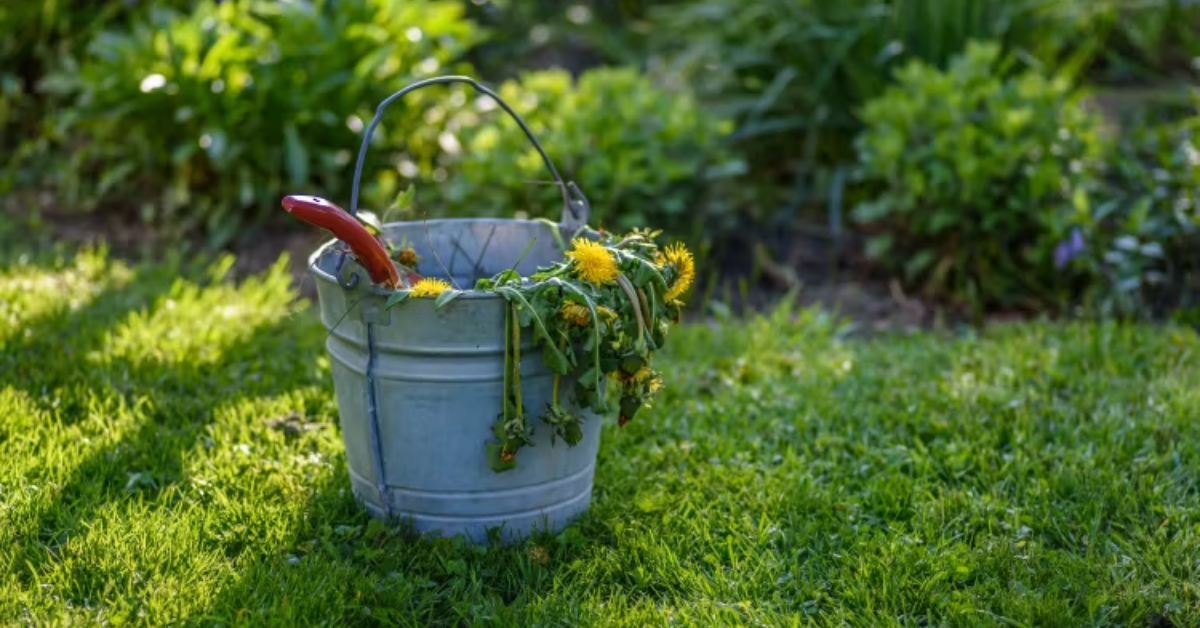
A tidy garden is a happy garden. Whiteflies, like many pests, thrive in messy environments where there’s a lot of fallen leaves, weeds, or plant debris. Keeping your garden clean helps eliminate potential breeding grounds for these pests.
- How to Do It: Remove dead or dying plants, fallen leaves, and weeds regularly. These areas are prime real estate for whiteflies to lay their eggs.
- Add Mulch: Using mulch can also help keep pests at bay by preventing weeds and providing a protective layer for your plants.
Improve Plant Health
The healthier your plants are, the less likely they are to attract pests. Whiteflies, like most pests, tend to target stressed or weakened plants. By keeping your plants healthy, you’re making them less attractive to whiteflies and other pests.
- How to Improve Plant Health:
- Proper Watering: Ensure your plants get the right amount of water—not too little, but not too much either.
- Soil Health: Healthy, well-drained soil is key. Consider adding compost or organic matter to improve soil structure.
- Nutrient Balance: Use balanced fertilizers to ensure your plants get the nutrients they need to grow strong and resist pests.
For more on improving plant health and preventing pest infestations, check out this guide How to Manage Pests Without Pesticides. In addition to improving your soil’s health, using natural solutions like coffee grounds can help repel slugs in your garden—find out more about whether coffee grounds really keep slugs away and how they benefit your plants.
Conclusion: Natural Solutions Work—Start Taking Action Today!
We’ve covered a lot of natural ways to tackle whiteflies without chemicals, from using neem oil and essential oils to introducing beneficial insects and making your own sticky traps. Remember, healthy plants and a clean garden are key to preventing future infestations. By taking a proactive approach, you can keep your garden thriving, free from harmful chemicals, and safe for beneficial insects.
Now it’s your turn. Start implementing these natural solutions in your garden today and see the difference they make!
Share your experiences with natural whitefly control in the comments below! Have you tried any of these methods in your garden? Let us know! And for more gardening tips and advice, visit us at Plant Care Dairy.
Disclaimer: The information provided in this article is for general gardening advice and educational purposes only. Results may vary depending on plant species, environmental factors, and local pest conditions. Always test any method on a small area before applying it widely. For serious pest issues, consult a professional.