

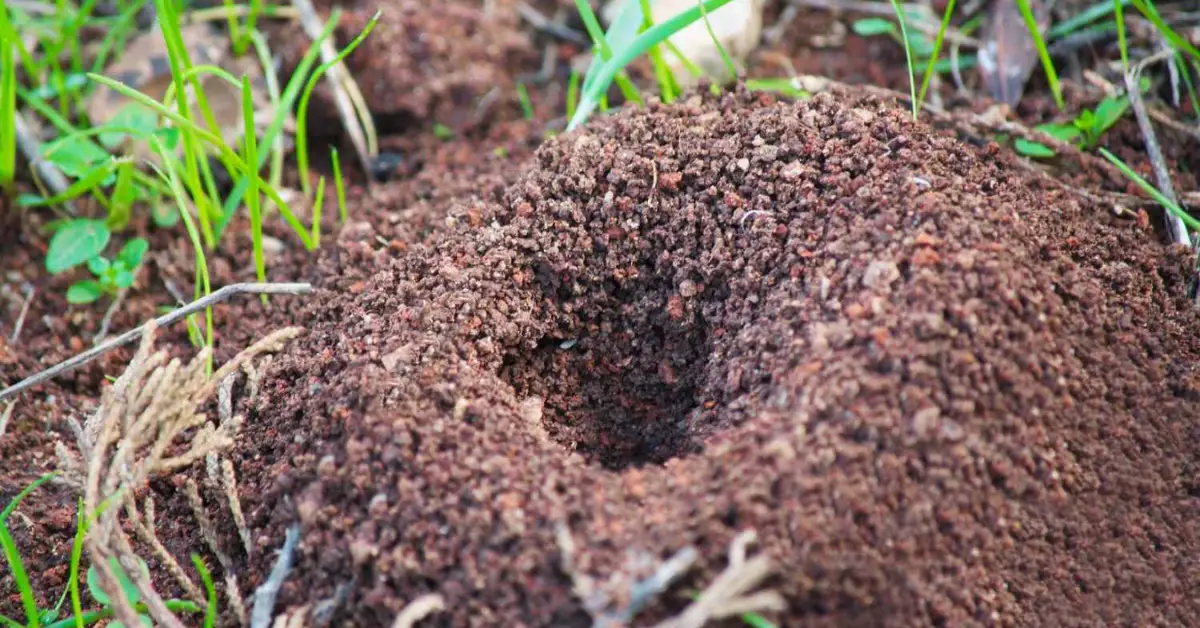
Every time I walk out to water my plants, I notice it — those small piles of fine soil scattered between the roots. At first, I used to think, “It’s just part of gardening.” But over time, I realised those mounds weren’t harmless. They were ant hills, and beneath them was a whole network of tunnels quietly shifting the soil around my plants.
If you’ve ever seen your seedlings droop for no reason, or noticed roots exposed after a rain, chances are ants are busy rebuilding their cities right under your garden beds. It’s frustrating — you want to get rid of them, but you don’t want to scorch your soil or risk damaging the plants you’ve worked so hard to grow.
I’ve tried everything over the years — from natural deterrents like vinegar and cinnamon to old-school tricks like pouring boiling water. Some worked, most didn’t. What I eventually learned is that it’s not about killing ants blindly, it’s about understanding why they’re there and using methods that protect the delicate balance of your garden.
In this guide, I’ll show you exactly how to get rid of ant hills safely — no toxic sprays, no plant damage, just smart, proven steps that actually make a difference.
Before we dive in, tell me — have you ever tried removing an ant hill and ended up making it worse?
Understanding Ant Hills & Their Impact in Your Garden
When you look closely at an ant hill, it’s easy to underestimate what’s really happening beneath the surface. I used to think those tiny mounds were just a few inches deep until I dug one up and realised — the network went down nearly two feet, with tunnels stretching far beyond the visible hill. It’s like an underground city built with perfect coordination.
Most colonies have a queen hidden deep below (the heart of the operation), and worker ants constantly moving soil, carrying food, and protecting their nest. The mound you see above the ground is just the ventilation and waste zone — a small part of something much bigger. Some colonies can extend several feet sideways underground, even reaching your flower beds or vegetable roots without you noticing.
Which Ant Species Actually Harm Your Garden

Not every ant is your enemy. Some species, like field ants or pavement ants, mostly build harmless hills that just look messy. Others, like fire ants, can sting, destroy roots, and make gardening miserable.
According to the Iowa State University Extension’s Yard and Garden resource, field ants are among the most common mound-builders in lawns and gardens — and while they’re not always dangerous, their large mounds can disrupt soil and plant growth.
But here’s the tricky part: ants often “farm” tiny pests called aphids. They protect these sap-suckers from predators because aphids produce a sugary substance (honeydew) that ants love. The more aphids you have, the more ants you attract — and that’s how your plants start to weaken, not from ants biting the roots, but from aphids draining them.
So how do you know when an anthill is actually a problem?
- When roots or seedlings look disturbed or start leaning oddly.
- When soil feels too loose or uneven around stems.
- When plants nearby stop thriving, even if you’re watering properly.
If your garden still looks healthy, it’s okay to leave a few hills alone — ants aerate soil and even eat smaller pests. But once they start taking over, it’s time to act smartly.
Pre-Action Checklist: What to Observe Before You Act
Before jumping into any method, take a little time to understand what you’re dealing with. The right start can save your plants from damage.
Identify the Hill and Its Reach
When I plan to treat a mound, I first watch it early morning or at dusk, when the ants are busiest. That’s when you can trace their trails — where they’re coming from and where they disappear.
Here’s what to check:
- Use a gentle water test with a hose to see how quickly the tunnels drain.
- Note how close the mound is to roots or stems — the nearer it is, the more careful you’ll need to be.
- If you find multiple mounds within a few feet, you’re likely looking at one connected colony.
Check Plant Sensitivity and Soil Type
Some plants, like herbs and soft-stemmed flowers, can’t handle harsh treatments or excess moisture. Before doing anything:
- Identify what’s growing nearby and whether roots are shallow or deep.
- Notice if your soil is sandy, clay-heavy, or compacted — it affects how water and treatments spread.
- Avoid pouring anything strong if the soil is already dry and cracked; it could shock the roots.
Safety and Timing Matter
Even natural methods can backfire if done at the wrong time. From experience, I follow three simple rules:
- Work during cooler hours, like early morning or late evening, when ants are out but heat is low.
- Always wear gloves and long sleeves — not just for protection, but because ant bites itch for days.
- Skip aggressive methods like boiling water if the mound sits too close to fragile plants.
Taking this extra prep time might feel slow, but trust me — it’s the difference between solving the problem and damaging your own garden.
So, before you reach for vinegar, soap, or water, look around your garden. What kind of ant activity do you see right now — harmless wanderers, or a full-blown invasion?
Safe, Plant-Friendly Techniques to Remove Ant Hills
After years of battling ant mounds across my garden beds, I’ve learned that quick fixes rarely last. The real trick is using gentle, targeted methods that destroy the colony structure without harming nearby roots or beneficial soil life. Below are some of the safest ways to remove ant hills — tested, simple, and plant-friendly.
Physical Disruption and Flattening
Sometimes, the simplest solution is the most effective. Regularly leveling the mound with a rake or shovel prevents ants from rebuilding easily. You can also dig gently into the tunnels to collapse them from within. It doesn’t kill the colony immediately, but it interrupts their rhythm and forces them to relocate.
- Use when: The mound is small or away from delicate plant roots.
- Limits: May require several rounds over a few days.
- Caution: Avoid digging too deep near flower beds; roots can be sensitive to soil shifts.
Flooding and Flushing with Water
A steady stream of water for 3–5 minutes can drown surface workers and collapse tunnels without harming soil biology. For extra effectiveness, mix a few drops of mild dish soap in the water — it breaks the surface tension and suffocates ants quickly.
- Use when: You spot medium-sized mounds in open soil areas.
- Limits: Results are temporary if the queen remains alive underground.
- Caution: Avoid overwatering; excess water may lead to root rot in nearby plants.
Boiling Water (Use with Extreme Caution)
I’ve tried this method during early experiments, and while it works, it’s not for every garden. Pour boiling water slowly over small mounds, focusing on the central opening. It kills ants instantly but can also harm surrounding soil if overdone.
- Use when: The mound is far from sensitive roots or vegetables.
- Limits: Only effective on small, isolated hills.
- Caution: Never use near plant stems or seedlings — heat shock can kill them.
If you’re dealing with other stubborn pests nibbling on your leaves, check out our guide on how to get rid of slugs in your garden without chemicals. It shares gentle, soil-safe methods that protect your plants just as effectively.
Natural Dusts and Barrier Powders
If you prefer chemical-free options, diatomaceous earth (DE) is your best friend. It’s a fine powder that dehydrates ants on contact. Sprinkle it lightly over and around the mound, but reapply after rain. You can also try chili powder, cinnamon, or coffee grounds along the ant trails — they disrupt scent lines and discourage regrouping.
- Use when: You want to avoid moisture-based methods or prefer a dry solution.
- Limits: Needs reapplication every few days, especially after watering.
- Caution: Don’t overload the soil; excessive dusting can reduce airflow.
Homemade Bait and Attractant
Mix borax or boric acid with sugar and water to form a paste. Place small portions near the mound entrance — the worker ants will carry it inside, gradually poisoning the colony. This method works slowly but reaches the queen, making it more effective long-term.
- Use when: You notice heavy ant traffic around one mound.
- Limits: Takes 1–2 weeks to show results.
- Caution: Keep bait away from pets and children.
Biological and Ecological Methods
Nature can often solve its own problems if we let it. Encourage beneficial nematodes or ant-eating birds by keeping your soil healthy and slightly moist. Since ants prefer dry conditions, maintaining moderate soil moisture naturally deters nesting.
You can also grow ant-repellent plants like mint, lavender, and rosemary around garden edges — their strong scent keeps ants and aphids away. Companion planting near vulnerable crops helps prevent infestations before they start.
According to Real Simple, consistent moisture and healthy soil conditions can drastically reduce ant activity without chemicals.
- Use when: You want long-term, environment-friendly control.
- Limits: Results take time — best for prevention rather than quick fixes.
- Caution: Don’t overwater; constant dampness can invite fungus or mold.
Each of these methods works best when matched to the size of your colony and the sensitivity of your plants. Start small, observe, and adjust — your garden will thank you for it.
So, which one do you think fits your garden best — the quick-fix approach or the gentle, sustainable route?
Prevention & Long-Term Ant Control Strategies

Once you’ve managed to clear the existing ant hills, the real work begins — keeping them from coming back. Over the years, I’ve realised prevention is less about fighting ants and more about making your garden an unfriendly place for them to settle. It’s all about routine care, clean soil, and small daily habits that quietly protect your plants year-round.
Garden Hygiene and Reducing Attractants
Ants thrive in cluttered, sugary environments. If there’s fallen fruit, sticky sap, or an aphid outbreak, you’re basically rolling out a welcome mat.
Here’s what helps me keep them away:
- Clear fallen fruit and vegetable scraps before they decay.
- Wipe off honeydew or sugary residue on leaves from aphids and mealybugs.
- Prune thick foliage that traps debris and moisture.
- Keep mulch layers light to prevent dry, hidden pockets where ants can nest.
Healthy soil and clean surroundings make it harder for ants — and the pests they protect — to stick around. If you’re also struggling with tiny pests like mites or aphids that attract ants, you’ll find our article on how to effectively get rid of spider mites without chemicals really useful — it shows safe, plant-friendly fixes that reduce infestations naturally.
Soil and Watering Practices
Ants prefer dry, compacted soil because it’s easier to dig into. The fix is simple: keep the soil slightly moist and airy. You don’t need to flood your garden — just maintain consistency.
Try these steps:
- Loosen the soil once a week to disrupt tunnels.
- Add organic matter or compost to improve water retention.
- Avoid long dry spells, which invite new colonies.
A stable moisture level confuses ants and discourages them from building mounds again.
Barrier and Perimeter Treatments
Sometimes, the best defense is a line they can’t cross. Natural barriers work surprisingly well if you’re consistent.
You can use:
- Diatomaceous Earth (DE) lightly sprinkled around beds.
- Cinnamon, turmeric, or crushed mint as safe scent deterrents.
- Sticky barriers or jelly bands around pots to block climbing ants.
If most of your ant problems start in pots or raised containers, don’t miss our guide on how you can prevent ants from nesting in your plant pots with these eco-friendly tips. It’s a simple, step-by-step approach perfect for balconies and indoor gardeners.
Reapply after watering or rainfall — think of it like garden maintenance, not a one-time trick.
Monitoring and Early Detection
Ant control gets easier when you catch them early. I’ve made it a weekly ritual — just walking around the garden for five minutes, coffee in hand, keeping an eye out for early signs.
Here’s what to do:
- Check near fences, compost piles, and containers where ants love warmth.
- Flatten small mounds immediately before they expand underground.
- Use simple ant traps or cards near vulnerable plants.
A little attention now saves you weeks of damage later.
When to Call Professionals or Use Stronger Methods

Sometimes the colony just won’t give up. If your soil looks fine but mounds keep reappearing, or if you’re dealing with fire ants, it might be time for backup.
Dealing with Fire Ants or Aggressive Species
Fire ants are easy to spot — reddish-brown, fast-moving, and unafraid to bite. Their mounds are firm, often appear overnight, and can kill young plants by tunnelling too close to the roots. In such cases, most natural methods fall short.
If you notice fire ant activity, it’s best to consult a professional pest service. They use controlled baits that target the queen without disturbing your plants or pollinators.
Selective Insecticides (As a Last Resort)
If you absolutely must use a chemical option, do it sparingly and safely. According to Ideal Home, harsh substances like salt can harm soil and nearby roots, so avoid quick-fix myths and stick to targeted garden-safe solutions.
Here’s how to handle stronger treatments:
- Apply only to the mound itself, never across the entire garden.
- Leave a buffer zone around flowers and edible plants.
- Follow the label directions carefully, especially for timing and dosage.
Think of it as a precision treatment, not a long-term solution.
Safety, Environmental, and Legal Considerations
Before using any chemical, check your local guidelines — some regions restrict certain insecticides near pollinator zones or water sources.
Keep these golden rules in mind:
- Avoid spraying near blooming plants where bees visit.
- Choose low-toxicity or eco-certified products whenever possible.
- Follow an IPM (Integrated Pest Management) approach — start natural, escalate slowly, and always protect soil health.
By focusing on prevention, observation, and moderation, you can keep your garden thriving — not just ant-free, but alive and balanced.
Tell me, how often do you walk through your garden just to observe what’s changing? That small habit could be your best pest control tool.
Summary
Here’s a quick look at everything we’ve covered — the safe, effective ways to remove and prevent ant hills while keeping your plants happy. Use this as your go-to reference whenever those little mounds show up again.
| Method | Pros | Cons | Best Use Scenario |
|---|---|---|---|
| Physical Disruption (Flattening/Digging) | Simple, no chemicals, instantly visible results | May require repetition; can disturb roots if overdone | Small mounds in open soil, away from delicate plants |
| Flooding with Water or Soapy Mix | Natural, quick collapse of tunnels | May cause slight erosion or overwatering | Medium mounds in well-drained soil |
| Boiling Water | Immediate effect, kills on contact | Can harm roots or soil microbes; risky near plants | Small, isolated hills far from root zones |
| Natural Dusts (DE, Cinnamon, Chili) | Pet-safe, non-toxic, good for prevention | Needs frequent reapplication after rain | Around pots, raised beds, or dry areas |
| Homemade Baits (Borax + Sugar) | Targets queen, long-term effect | Takes time; keep away from pets/kids | Persistent colonies or recurring ant trails |
| Biological Methods (Nematodes, Repellent Plants) | Eco-friendly, supports soil health | Results take time; preventive rather than curative | For ongoing, natural control across the garden |
| Professional/Selective Treatments | Deep reach, effective for fire ants | Costly; potential impact on pollinators | Large or aggressive colonies; fire ant infestations |
Quick Decision Map
- If the hill is small and isolated → Try flooding or flattening.
- If it’s near sensitive roots → Use natural dusts or repellent plants.
- If ants return repeatedly → Set up borax baits for slow colony control.
- If you’re dealing with fire ants → Skip DIY; call a professional.
Keeping ants under control isn’t about fighting nature — it’s about working with it. Each garden is different, so start small, observe how your soil and plants respond, and adjust as you go.
Have you found a natural trick that works best for ant hills in your garden? Share your experience in the comments below — your tip might help another gardener save their plants.
For more proven, eco-friendly garden care ideas, visit Plant Care Dairy — where we turn real garden struggles into simple, practical solutions that work.
Disclaimer: All methods mentioned in this guide are for general gardening use. Always test any treatment on a small area first and keep pets and children away during application. Avoid using boiling water or strong substances near delicate roots. Plant Care Dairy is not responsible for damage caused by improper use of these techniques.