
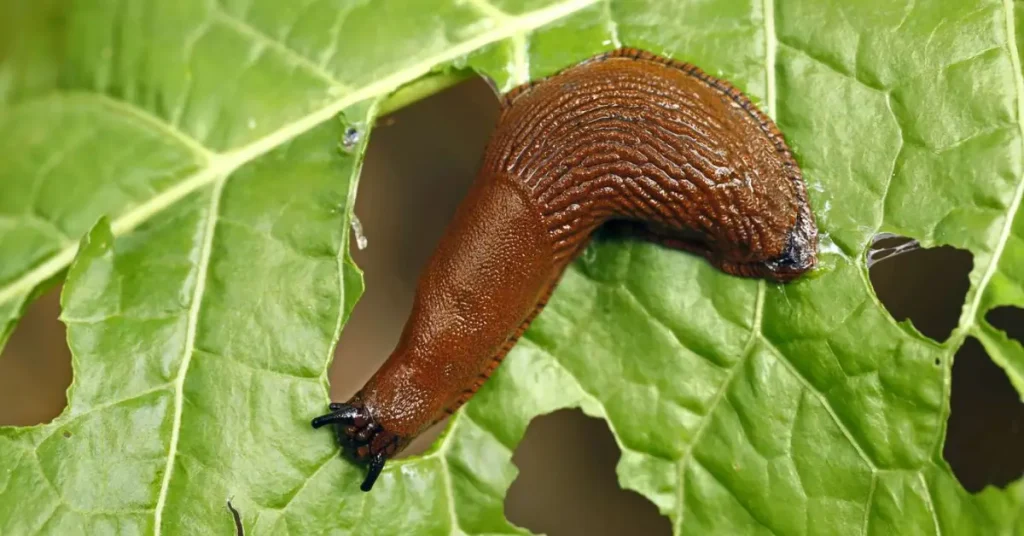
Every spring, right after a good rain, I’d find those telltale silvery trails winding across my lettuce beds. Slugs. I’d heard all the old tricks—eggshells, beer traps, and of course, coffee grounds. It sounded perfect: something I already had in the kitchen that might finally stop those slimy invaders. So I sprinkled a thick layer around my plants, feeling oddly proud of my eco-friendly defense.
A week later, the leaves were riddled with holes again. The coffee had melted into the soil, and the slugs didn’t seem to care. That’s when I started digging deeper—not just into the dirt, but into the science. Did coffee grounds ever really work, or was this another garden myth passed around like folk wisdom?
If you’ve tried this too—or you’re about to dump your morning brew around the roses—stick with me. I’ll show you what uncovered about coffee’s supposed war on slugs. By the end, you’ll know exactly when it helps, when it doesn’t, and what actually keeps your plants safe.
What about you—have you ever tried using coffee grounds in your garden? Did it work, or just make the soil smell like Starbucks?
What People Say: The Coffee-Grounds Myth (and Why It’s Popular)
When I first heard that coffee grounds could keep slugs away, I was hooked. It sounded perfect — a free, eco-friendly way to save my lettuce and hostas. Just scatter what’s left from your morning cup, and the slimy invaders are gone. It felt clever, sustainable, and just believable enough to try.
Origin of the Claim (Caffeine, Grit, Odor)
The idea actually makes sense on paper.
- Caffeine is known to overstimulate or dehydrate slugs, so it sounds like a natural pesticide.
- The rough texture of the grounds might feel uncomfortable for them to crawl over.
- And then there’s the smell — strong enough to mask the scent of tender greens.
When you hear that mix of “sciencey” logic and household convenience, it’s easy to believe coffee could double as pest control.
How Gardening Blogs & Home Remedies Spread the Belief
Search any gardening group or watch a few home remedy videos, and you’ll find people swearing by this trick. They sprinkle coffee around plants, post before-and-after photos, and talk about how slugs “suddenly disappeared.” It’s shared again and again because it feels practical — and harmless.
The truth is, most of these stories come from personal trials, not real evidence. Some gardeners see fewer slugs for a while and credit the coffee. Others get the same damage days later and blame the rain. Either way, the story keeps circulating every spring like a seasonal rumor that refuses to die.
Popular gardening sites like Better Homes & Gardens and Garden Myths point out that coffee grounds might offer a little resistance, but not enough to rely on. A few gardeners have even filmed slugs crawling straight across the supposed “barrier” without hesitation.
And yet, the myth survives — probably because it feels empowering. Who doesn’t love the idea of turning waste into a weapon? It’s one of those tips that sounds too smart not to share, even if the results are hit or miss.
What Science Actually Shows: Caffeine, Grounds & Slugs

Let’s leave stories aside for a second and look at what real research says.
Lab Studies with Caffeine Solutions (1–2%) — Kill or Repel Stats
Researchers have found that caffeine sprays above 1% strength can kill or repel slugs and snails. Caffeine interfered with the slugs’ nervous systems, causing paralysis and even death at high doses.
But there’s a catch — your morning grounds don’t have nearly that much caffeine left in them. Most of it’s already in your cup, which means sprinkling used grounds won’t come close to the lab-tested strength.
The Limits of What’s Been Proven
Even the best studies so far have limitations:
- Most were done in containers or labs, not real gardens.
- Only a few slug species were tested.
- Weather, moisture, and soil life — all factors that affect results — weren’t the same as your backyard.
So while caffeine can hurt slugs under specific conditions, using brewed coffee grounds at home isn’t the same thing.
Side Effects Most Gardeners Don’t Think About
Overdoing coffee grounds can quietly harm your garden more than it helps. It can:
- Hurt earthworms that actually protect your soil.
- Limit oxygen flow and make the ground dense.
- Change pH levels enough to stress sensitive plants.
That doesn’t mean you can’t reuse coffee — just use it wisely. Mix it into compost or spread it thinly as mulch, not as your main line of defense against slugs.
Have you ever noticed any difference when you used coffee in your garden — or did the slugs just treat it like breakfast in bed?
Why Coffee Grounds Often Fail (Even If the Theory Sounds Good)
I’ve lost count of how many times I’ve seen gardeners swear that coffee grounds are their secret weapon — only to end up disappointed a week later. It’s not that the idea is bad; it’s that the reality doesn’t match the theory. Let’s break down why those dark rings around your plants don’t always stop the slug parade.
Low Residual Caffeine in Used Grounds
By the time you’ve brewed your morning cup, most of the caffeine that could harm slugs is already gone. Used coffee grounds have very little left to make a difference. Unless you’re pouring strong, unbrewed coffee directly on your soil (which could harm your plants), the leftover caffeine content simply isn’t high enough to repel or kill slugs. It’s like trying to fight off pests with decaf.
Slugs Can Cross the Barrier Easily
You might think the gritty texture of coffee grounds would bother slugs — after all, they have soft, exposed bodies. But tests and firsthand trials show otherwise. Slugs can glide right across coffee-covered soil without hesitation. Once the grounds absorb moisture, they lose their abrasive quality and become just another damp surface.
It’s a bit like laying out sandpaper that turns to mud overnight — not much of a defense after the first rainfall.
Rapid Breakdown, Rain Washing Away, Moisture Reducing Effect
Even if you start with a solid barrier, it doesn’t stay that way for long. Coffee grounds decompose quickly, especially when it rains or when your soil stays damp. Within days, the layer blends into the soil and loses any physical or scent-based deterrence.
Moisture also dulls whatever caffeine or acidity is left, making the grounds even less effective. The wetter your garden, the faster this trick fails.
Slug Species, Size, and Environmental Context
Not all slugs behave the same. Some species are more sensitive to dryness or acidity; others are tougher and can crawl through almost anything if food is nearby. The size of the slug, local humidity, and even what kind of mulch you use all play a part. In wetter regions, where soil rarely dries out, coffee barriers break down in no time.
So, the problem isn’t just the coffee — it’s that nature doesn’t follow one rule.
Best Practices (If You Still Want to Try It)

If you’re still tempted to give coffee a shot — and I get it, because it feels like it should work — there are smarter, safer ways to test it without risking your soil health.
Choosing Fresh vs Used Grounds
Fresh, unused coffee grounds contain more caffeine, but they’re also more acidic and can burn delicate roots. Used grounds are milder and safer for most plants but weaker as a deterrent. If you decide to try this, stick with used grounds and keep the layer thin.
How Thick and How Wide to Lay the Grounds
A light sprinkle (no more than a quarter inch thick) is enough. Anything thicker can block airflow, hold too much moisture, and start to smell sour. Focus on creating a ring around the base of vulnerable plants rather than covering the entire bed. The idea is to discourage, not smother.
Combining with a Caffeine Drench or Spray
According to Plantura Garden, mixing brewed coffee with water can create a mild slug-repelling solution.
Try this:
- Mix 1 part brewed coffee with 4 parts water.
- Pour it around plants or spray lightly on leaves in the evening.
- Avoid using strong, undiluted coffee — it can damage foliage and acidify the soil.
This diluted approach mimics some lab-tested effects without overwhelming your garden ecosystem.
Foliar Spray Method and Safety Tips
Use a fine mist sprayer and test on a few leaves first. If you notice leaf curling, yellowing, or burnt edges, dilute further. Always spray in the late afternoon to avoid leaf scorch under sunlight. If you’re exploring other gentle, natural methods to strengthen plants while managing pests, you might also enjoy learning how to use sea salt for plants — it’s another simple way to improve soil health and resilience.
Timing and Reapplication
Reapply after heavy rain or every 2–3 days during damp weather. Coffee grounds and sprays lose potency quickly, so consistency matters more than quantity. Think of it as a short-term experiment, not a permanent solution.
Where to Use It — and Where to Avoid
Safe zones:
- Around non-edible plants like hostas or ornamentals
- Small container gardens where you can control moisture
Avoid:
- Near seedlings or acid-sensitive plants
- Areas rich with earthworms — caffeine can harm them
- Overly wet soil or compost piles that already hold enough nitrogen
Used carefully, coffee can still have a small place in your garden routine — just not as a magic shield. Treat it as a test, observe what happens, and adjust. You’ll learn far more from one honest experiment than a dozen internet claims.
Would you still try coffee after knowing this — or are you leaning toward something more reliable next season?
Alternatives & Complementary Methods (When Coffee Fails)
If coffee grounds didn’t make a dent in your slug problem, don’t be discouraged — you still have several reliable and natural ways to protect your plants. Each one works differently, and the real magic happens when you use them together.
Physical Barriers: Copper Tape, Crushed Eggshells, and Diatomaceous Earth
Physical deterrents are old-school but effective when maintained properly.
- Copper tape creates a mild electric shock when a slug touches it, stopping them from climbing pots or raised beds.
- Crushed eggshells can help a little in dry weather — slugs dislike sharp, dry textures.
- Diatomaceous earth is one of my favourites for short-term defense. Its tiny mineral edges dehydrate slugs as they move across it, though it needs reapplication after every rain.
Simple, low-cost, and safe — these options build the first line of defense.
Just like coffee or eggshells, even common household items can double as helpers in pest control. For instance, you can check out how to get rid of dandelions in your garden using easy, chemical-free steps that keep your soil healthy.
Traps: Beer Trap and Organic Slug Bait
Sometimes, the best way to fight slugs is to lure them.
- Pour beer into a shallow dish or jar buried at soil level; slugs crawl in, drawn by the yeast smell.
- You can also use iron phosphate pellets, an organic slug bait approved for wildlife-safe gardening.
Both options give quick results and can be refreshed weekly.
Biological: Encouraging Natural Predators
If you’re lucky enough to have frogs, birds, or beetles around, you already have natural pest control.
- Frogs and toads thrive in damp corners or small ponds.
- Ground beetles and hedgehogs eat slugs at night.
- Setting out a birdbath or leaving a few leaves untouched can make your garden more inviting to them.
Encouraging these allies often reduces slugs more effectively than any single barrier.
Cultural: Reducing Slug Habitat
Slugs love hiding where it’s dark and damp. Cut down their comfort zones by:
- Clearing old mulch, boards, and leaf piles.
- Watering in the morning, so soil dries out before nightfall.
- Spacing plants for better air circulation.
You’ll be surprised how quickly fewer hiding spots lead to fewer slugs.
Combining Methods into a Smart Plan
The real win comes from combining small actions into a single system — a mini integrated pest management (IPM) plan. A thin coffee barrier may slow them down, copper tape can block them, and a beer trap will finish the job. You don’t need one miracle trick — you need balance.
When to Use Coffee Grounds (Situations Where It Might Work Best)
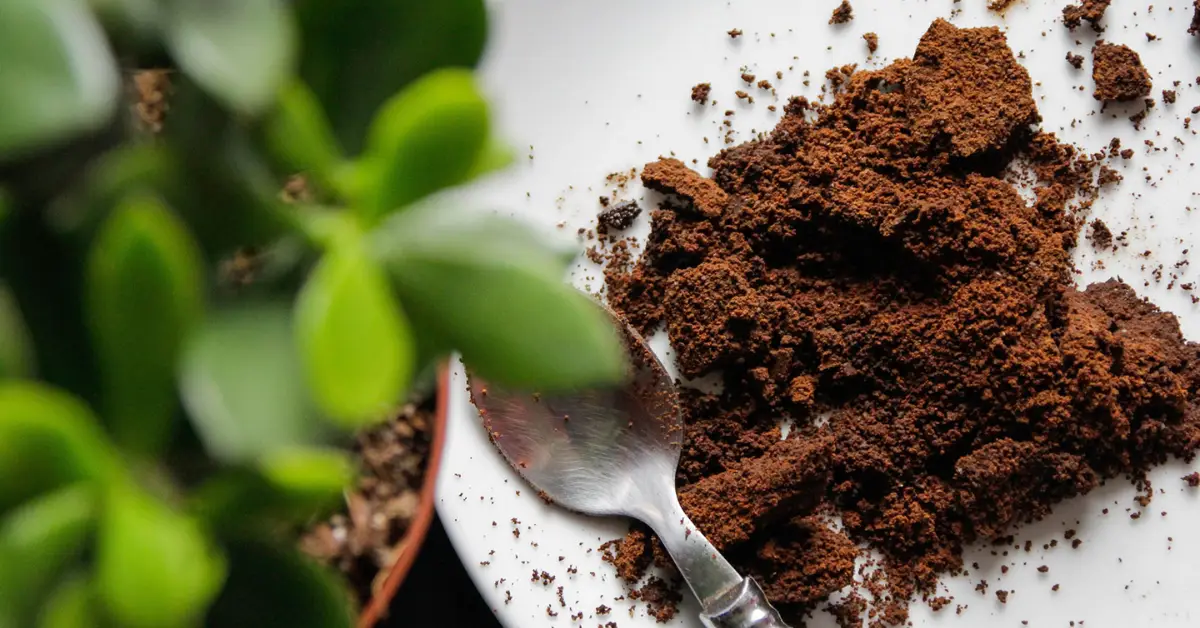
Coffee isn’t useless — it just works best in specific conditions and alongside other strategies. Knowing when to use it makes all the difference.
Container Gardens or Small Beds vs Large Garden Beds
Used coffee grounds make more sense in container gardens or small raised beds, where you can control moisture and replace them easily. On larger plots, rain and wind make it nearly impossible to maintain any lasting barrier.
Dry Climates or Times (Less Moisture)
The drier your soil, the longer coffee grounds stay gritty and aromatic — both qualities that help a little against slugs. In wetter regions, they quickly decompose and lose effectiveness within days. And if you’re looking for an easy nutrient boost while keeping plants greener, try using Epsom salts for plants — it pairs perfectly with small-scale organic experiments like this one.
Early Season Usage Before Slug Populations Explode
Using coffee early in spring, before the first heavy slug wave hits, can offer mild prevention. Once the population peaks, though, it won’t be enough on its own. Prevention beats control here.
In Combination with Other Repellents
If you want to experiment, you can combine coffee grounds with a diluted caffeine drench, as the study found that higher caffeine levels (1–2%) are what actually kill or repel slugs — not the leftover grounds themselves.
Try this simple version:
- Mix 1 part strong brewed coffee with 4 parts water.
- Spray or pour lightly around affected plants.
- Avoid soaking roots or leaves, as caffeine can harm sensitive growth.
According to the USDA Agricultural Research Service, these concentrations were strong enough to make slugs leave treated plants or die within 48 hours — but only when caffeine was applied directly, not through spent grounds.
Used with caution, this diluted version can boost your coffee barrier’s power without harming your soil life.
Coffee grounds might not be the miracle they’re made out to be, but when used thoughtfully — as part of a bigger plan — they can still play a small, useful role.
Have you ever tried mixing coffee spray with your garden routine? I’d love to hear what actually worked for you.
Summary
After digging through the science, gardener stories, here’s the honest answer — no sugar-coating, just what actually holds up in the real world.
Quick Answer: Yes… but Mostly No
Coffee grounds don’t truly repel or kill slugs on their own. The caffeine levels left after brewing are too low to do much damage, and the texture barrier breaks down within days. However, strong brewed coffee (diluted safely) can work as a short-term repellent if applied correctly.
So, if you’re looking for a quick natural boost in early spring, coffee might give you a head start — but it’s not the hero of the story.
Decision Matrix: What to Try in Your Garden
| Your Garden Type | Moisture Level | What Works Best |
|---|---|---|
| Small containers or pots | Light / dry | Thin sprinkle of used coffee + copper tape |
| Large outdoor beds | Wet / humid | Beer traps + iron phosphate pellets |
| Compost-heavy or shady garden | Constant moisture | Remove debris + encourage frogs or birds |
| Newly planted beds (early spring) | Moderate | Light caffeine spray + dry mulch barrier |
Use coffee as a helper, not a main defense. The key is combining small steps that together make life difficult for slugs without harming your soil life or beneficial insects.
Top 3 Safe “Best Bets”
- Used coffee grounds + copper tape: Easy, eco-friendly, and adds a mild scent barrier.
- Beer traps + early-morning watering: Reduces slug hiding spots and captures active ones.
- Caffeine drench (1:4 coffee-to-water ratio) + habitat cleanup: Mimics USDA-tested strength and cuts their numbers safely.
If you love experimenting, test one of these combinations for a week and see what actually changes in your garden.
Have you found any homegrown tricks that worked better than coffee? Share your experience in the comments — real gardener stories help everyone learn.
For more smart, evidence-based plant care guides, visit Plant Care Dairy — where real gardeners talk about what actually works in the soil, not just online.
Disclaimer: Information in this article is for general gardening guidance only. Results can vary based on climate, soil, and plant type. Always test any home remedy on a small area first and follow local environmental guidelines before applying caffeine or other treatments in your garden.