
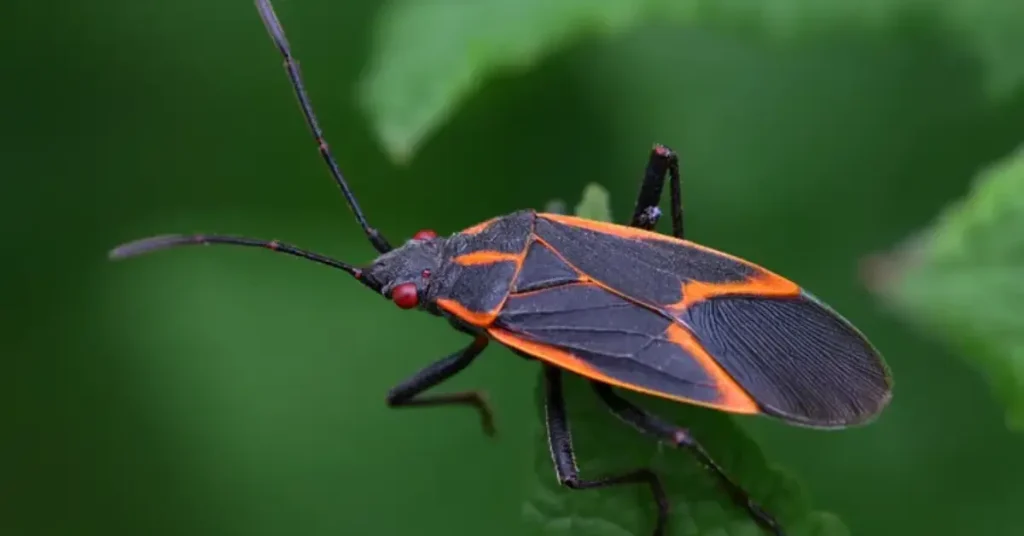
I still remember the first time I noticed those little red-and-black bugs swarming the sunny side of my house. At first, I thought they were harmless — just another part of fall settling in. But by the next afternoon, they were everywhere: on the windows, the deck railings, even tucked around my flower pots. That’s when I realized I was dealing with boxelder bugs — and that getting rid of them wouldn’t be as simple as grabbing a spray can.
If you’ve been there too, you know the frustration. You want them gone, but not at the cost of your garden. I’ve spent years learning how to handle them the right way — without harming my plants or disrupting the balance of the garden I’ve worked so hard to build. Most guides out there tell you to “just use dish soap” or “seal the cracks,” but few talk about how to do it safely when you’ve got delicate leaves, beneficial insects, and a healthy ecosystem to protect.
In this guide, I’ll walk you through natural, plant-safe ways to remove and prevent boxelder bugs — methods I’ve tested myself, backed by reliable research, and refined over several seasons. By the end, you’ll know not just how to get rid of them, but how to keep your garden thriving while you do it.
What about you — have you ever found your patio or plants covered in these red-marked invaders?
What Are Boxelder Bugs and Why They Have Invaded Your Home or Garden
When I first learned what boxelder bugs actually were, it made everything click — their timing, their habits, and even their strange obsession with sunny walls. Understanding them is half the battle.
Identification — key features, lifecycle & behaviour
Boxelder bugs are those small, black insects with bright red or orange markings along their backs. They grow to about half an inch long and, while harmless to humans, can become a serious nuisance. In spring and summer, they live on trees, feeding mostly on sap and developing seeds. By early fall, they begin looking for warm places to spend the winter — and that’s where the trouble starts.
You’ll often notice:
- Flat clusters of bugs sunbathing on the south or west side of your home.
- A faint, sweet odor when disturbed or squashed.
- Sudden swarms after warm autumn afternoons or before rain.
They don’t bite, but they stain fabrics, walls, and outdoor furniture, leaving behind reddish marks and an unpleasant smell. Once they move indoors, they can hibernate quietly until spring — reappearing as soon as temperatures rise.
Why they tend to cluster on homes, patios & near trees
Boxelder bugs are drawn to heat and light. When fall arrives and the days get shorter, they seek out the warmest surfaces — usually sun-facing walls, decks, or windows. If there are gaps in your siding or tiny openings around vents, that’s their invitation inside.
They prefer to gather in large groups for protection and warmth, which is why you’ll often see dozens of them huddled together like they’re sunbathing. Once they find a cozy crack or attic space, they settle in for the entire winter.
What plants/trees attract them — and why your garden matters
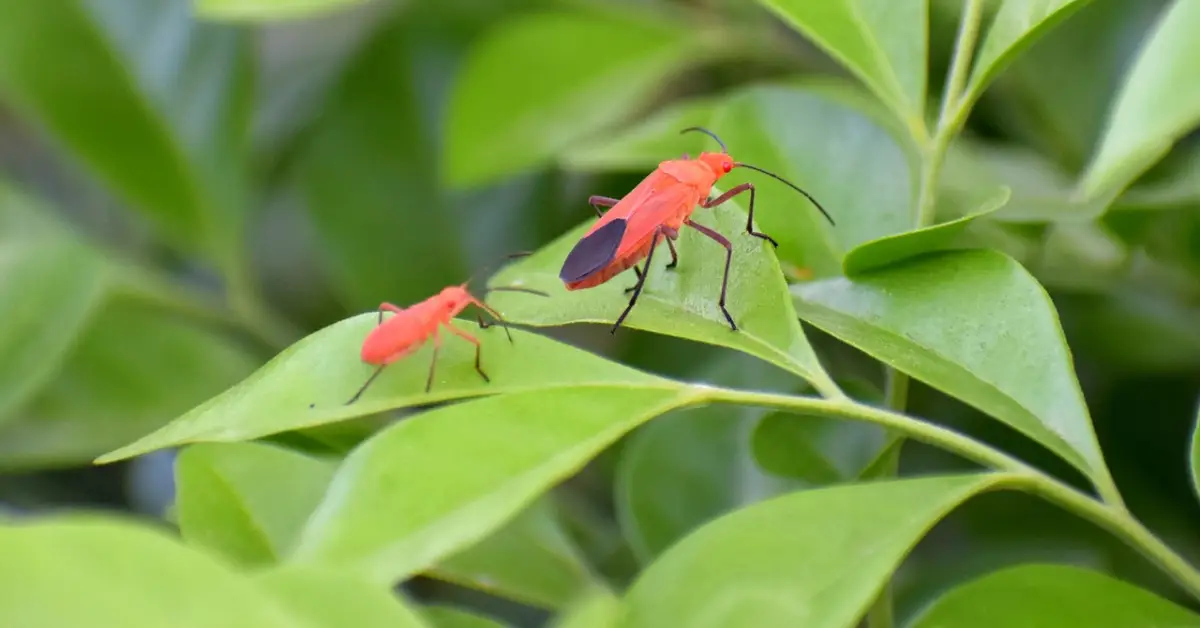
If your garden has boxelder, maple, or ash trees, that’s probably their main hangout. These trees produce seeds that boxelder bugs feed on — especially the female seed-bearing boxelder tree. Even if you don’t have one in your yard, a nearby neighbour’s tree can still draw them to your property.
Other reasons your garden might be attracting them include:
- Seed pods and fallen leaves left under trees.
- Warm surfaces and mulch beds that retain heat.
- Cracks near garden sheds or foundations offering shelter.
You don’t need to chop down trees or strip your garden bare — the trick is knowing how to manage the environment they love without harming your plants.
According to the University of Minnesota Extension, boxelder bugs rely heavily on seed-producing trees and tend to migrate toward sun-warmed structures when the weather cools.
Why “Natural” and “Plant-Safe” Control Matters
When I first started tackling these bugs, I made the same mistake most people do — I grabbed the strongest spray I could find. It worked… but it also left my marigolds wilted and my soil smelling like chemicals. That’s when I learned the hard way: getting rid of bugs doesn’t have to mean harming your garden.
Limits of conventional insecticides — risks to plants, pollinators and indoor use
Conventional insecticides can wipe out boxelder bugs fast, but they often bring bigger problems:
- They harm pollinators like bees and butterflies that your garden depends on.
- They contaminate soil and disrupt helpful insects that control other pests.
- They’re unsafe indoors, especially around children, pets, or houseplants.
- Over time, some bugs even build resistance to chemical sprays, making them less effective.
You want a method that fixes the problem without poisoning the space you’ve nurtured. Natural solutions do that — they work with your garden’s ecosystem instead of against it.
Potential harm to plants even from “natural” sprays if misused (soapy water, oils) — how to avoid that
Even natural remedies can cause damage if used the wrong way. I’ve scorched a few leaves myself by spraying too much during hot daylight hours. To keep your plants safe while using natural sprays like soapy water, neem oil, or peppermint oil, remember these simple rules:
- Test first: Spray a small leaf and wait 24 hours to check for damage.
- Apply in shade or evening: Prevents sunburn or leaf scorch.
- Use mild soap: Avoid detergents or degreasers that strip plant oils.
- Rinse if needed: A quick rinse the next morning helps protect sensitive plants. Leaf pests like whiteflies can be just as persistent as boxelder bugs. If you’re struggling with them, here’s a detailed guide on how to get rid of whiteflies naturally without chemicals while keeping your garden healthy and chemical-free.
You and I both want a garden that’s alive, healthy, and buzzing with pollinators — not one silenced by chemicals. The key is balance: target the bugs, protect the life around them. That’s where the real difference lies between just “getting rid of pests” and gardening with intention.
Step-by-Step Plant-Safe Removal from Your Home & Garden
If there’s one thing I’ve learned, it’s that fighting boxelder bugs is less about killing them all at once and more about breaking their routine. You need to make your garden unwelcoming, your home sealed tight, and your plants off-limits — all without using anything toxic. Here’s how I’ve done it, step by step.
Outdoor First: Reducing Habitat & Entry Potential
Before you grab a spray bottle, start outside. The fewer bugs you attract, the fewer you’ll have to remove later.
Here’s what works best:
- Rake up fallen leaves and seeds. Boxelder bugs love to hide under layers of debris and feed on seed pods, especially from maple or boxelder trees.
- Prune and tidy up. Cut back branches that hang too close to walls, gutters, or windows — these act as ladders for the bugs.
- Clear clutter. Move stacked wood, garden tools, or pots sitting right against your house.
- Seal every small gap. Use caulk or weatherproof foam around siding cracks, vents, and foundation edges. Even tiny crevices are like open doors for them.
Doing this once each season can save you hours of cleaning later — prevention outdoors means fewer bugs sneaking inside. And if you’ve also spotted small tunnels or soft mounds in your yard, you might be dealing with moles. Here’s a helpful guide on how to get rid of moles naturally without harming your garden using the same eco-friendly approach.
Natural Spray Mixes You Can Safely Use Around Plants
When I first started experimenting with sprays, I learned that “natural” doesn’t always mean “harmless.” These three simple, plant-safe options actually work — and if you follow the right ratios, they won’t hurt your leaves or soil.
Recipe A: Mild Dish Soap + Water
- Mix 2 tablespoons of gentle liquid dish soap in 1 litre (about a quart) of water.
- Spray directly on bugs you can see — it suffocates them on contact.
- Test before spraying: Try it on one leaf and wait 24 hours. If the leaf looks fine, proceed.
- Avoid using it in strong sunlight; early morning or late afternoon is best.
Recipe B: Neem Oil Spray
- Combine 1 teaspoon neem oil and ½ teaspoon mild soap in 1 litre of water.
- Shake well before spraying — neem works as both a repellent and disrupts bug growth cycles.
- Apply in the evening or on cloudy days to protect tender leaves.
- Avoid on ferns, succulents, or waxy-leaf plants — they can be sensitive.
Recipe C: Essential Oils Mix
- Add 10–15 drops of peppermint or eucalyptus oil to a litre of water.
- Shake well and spray near windows, door frames, and patio areas.
- Avoid direct spraying on plants in hot weather — essential oils can burn foliage if the sun is strong. If you ever notice web-like cocoons or silken bags hanging from your trees, you may be dealing with bagworms. Learn how to get rid of bagworms naturally without harsh chemicals using the same gentle spray methods that protect your plants.
According to Better Homes & Gardens, A simple mixture of soap and water will kill boxelder bugs.
Always remember: when you spray, less is more. Overdoing it can harm delicate plants just as much as the pests.
Physical Removal & Non-Chemical Aids
Sometimes, old-fashioned cleanup does more than any spray. When I’m dealing with a heavy swarm, these tricks make a big difference:
- Vacuum them up. Use a handheld or shop vacuum with a disposable bag — then toss it immediately.
- Hose them down. A strong stream of water knocks them off siding and keeps surfaces clean.
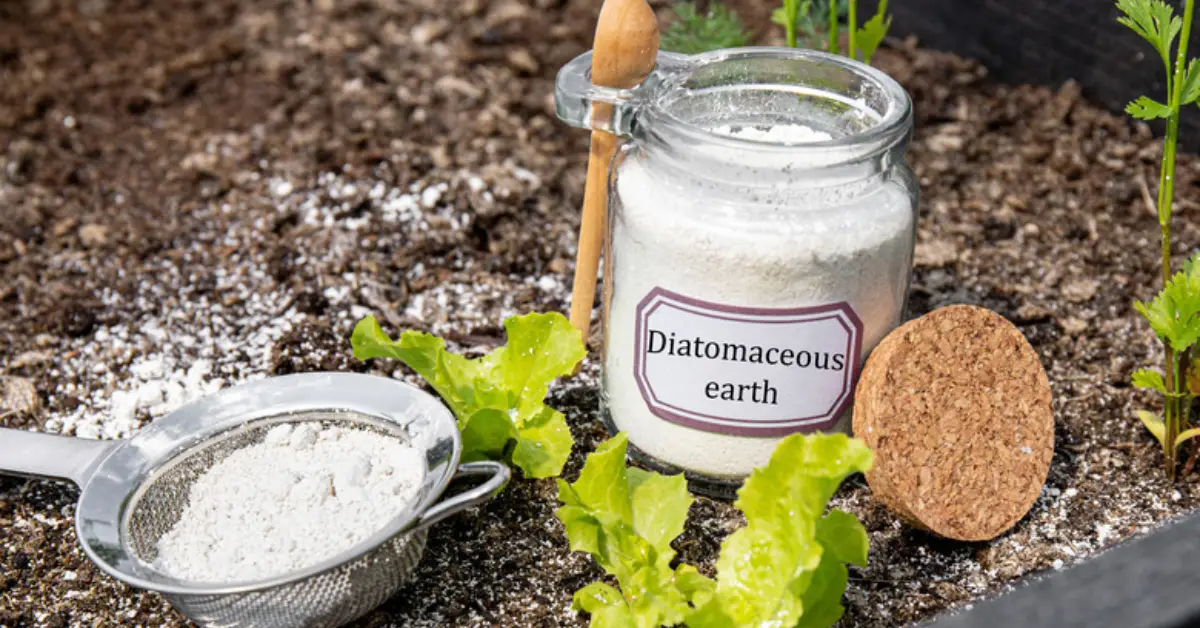
- Use diatomaceous earth (DE). Sprinkle it lightly around the base of your home and on the soil perimeter (but never directly on leaves). DE dries out their shells naturally.
- Skip the squashing. It’s tempting, but crushing them leaves stains and releases an odor that attracts more bugs.
Consistency is the key. Do a quick sweep once a week during fall — it keeps the numbers down before they get comfortable.
Indoor Safe Steps (If They’ve Made It Inside)
Even with the best prevention, a few might sneak indoors. When that happens, resist the urge to grab bug spray — it’s not worth the risk to your plants or air quality.
Here’s what I do instead:
- Vacuum gently and empty the bag right away outdoors.
- Wipe surfaces with a mild soap-water mix to remove residue.
- Seal window screens and door gaps — even the smallest tear is an entry point.
- Avoid chemical sprays near your houseplants or pets; it’s better to remove them manually than risk contamination.
Once they’re gone, leave a small dish of water with a few drops of peppermint oil near windowsills — it helps keep stragglers away.
Long-Term Garden-Friendly Prevention Strategy
You don’t want to do this every year — and you don’t have to. Once you understand what attracts boxelder bugs, prevention becomes second nature.
Host Tree/Seed-Pod Management — What to Do if You Have Boxelder, Maple, or Ash Trees
If your yard has any of these trees, take small steps to make them less inviting:
- Rake up seed pods right after they fall. Don’t let them pile up.
- Trim lower branches so they don’t touch walls or roofs.
- Consider pruning or replacing female boxelder trees if infestations are constant.
You don’t need to remove your trees entirely — just keep them clean and pruned so the bugs have fewer food sources.
Landscaping Tips That Discourage Boxelder Bugs but Support Beneficial Insects
Your goal isn’t to sterilize the garden — it’s to make it uncomfortable for pests while keeping bees, butterflies, and ladybugs happy. Try these:
- Avoid large flat south-facing walls or reflective surfaces where bugs cluster in fall.
- Keep mulch thin and turn it occasionally to prevent warm hiding spots.
- Plant repellent herbs like lavender, sage, or cloves near patios and windows.
- Use gravel borders instead of thick mulch near your home’s foundation — bugs don’t like walking over rough, dry ground.
These subtle landscaping tweaks make your garden less of a resort for boxelder bugs without disturbing its natural balance.
Annual Timing & Monitoring Checklist
Once you’ve cleared an infestation, maintenance becomes simple. Here’s a seasonal routine I follow that keeps them away year after year:
- Late Summer / Early Fall: Do a full perimeter check — clean debris, reseal cracks, and apply natural sprays before the first cold snap.
- Early Spring: Inspect under window ledges, sheds, and decks for overwintered bugs before they wake up.
- Monthly Quick Check: Scan sunny walls and garden edges. If you spot a few, use your soapy water mix for a “spot shampoo” treatment.
A little consistency pays off. One afternoon of upkeep each month is all it takes to keep your home and garden bug-free — and your plants happy.
Common Mistakes and Myths About Boxelder Bug Control

I’ve lost count of how many times I’ve seen people take the wrong approach with boxelder bugs — sometimes out of frustration, sometimes because of misleading “quick fixes” they read online. Let’s clear up the most common myths so you can save yourself time, effort, and a few stained walls.
“Squash them all” myth — and why it backfires (odor, stains)
Your first instinct might be to stomp or swat them. I get it — seeing dozens crawling on your siding is annoying. But squashing boxelder bugs only makes things worse. When crushed, they release a strong, foul-smelling liquid that can stain walls, clothing, and outdoor furniture. Even worse, the smell can attract more bugs from nearby clusters.
Instead, vacuum them up or spray a mild soapy water solution to kill them without mess or odor. It’s quicker, cleaner, and doesn’t make your patio smell like burnt leaves.
“Remove all trees” myth — is it always necessary? When yes, when no
You might have heard that removing your boxelder or maple trees is the only real way to stop infestations. That’s a half-truth. Yes, female boxelder trees (which produce seeds) do attract more bugs. But cutting down every tree in sight isn’t realistic — or environmentally responsible.
Here’s what works better:
- Prune seed-bearing branches if your tree is close to the house.
- Rake up fallen seeds and pods early in the season.
- Create distance between trees and sun-facing walls by trimming nearby shrubs.
You don’t need to turn your garden into a concrete yard. Smart tree care does more than tree removal ever could.
“Spray and forget” myth — why repeated & combined action is needed
One spray won’t solve the problem. Boxelder bugs are seasonal pests, and new waves arrive every fall. The key is combining prevention with gentle, consistent action:
- Weekly perimeter checks during fall.
- Reapply natural sprays after rain or heavy watering.
- Seal new gaps before winter starts.
Think of it as garden maintenance, not just pest control. A little consistency goes a long way — especially if you want results that last year after year.
When to call in a pro (and why natural methods may still require professional advice in heavy infestations)
If the bugs have made their way deep into your siding, attic, or walls, or if you’re finding hundreds at once, it might be time to call a licensed pest control professional. Natural methods still work, but in severe cases, a targeted, low-toxicity treatment can reset the problem faster — allowing you to return to gentle prevention afterward.
Always ask the technician about eco-friendly or integrated pest management (IPM) options. A good pro will understand you want your plants, pets, and pollinators safe.
Natural Control Cheat-Sheet for Gardeners
Here’s your one-stop reference for tackling boxelder bugs naturally — simple, safe, and plant-friendly.
| Mix / Method | Where to Apply | Plants to Avoid or Test First | Follow-Up Interval |
|---|---|---|---|
| Soapy water (2 tbsp mild dish soap + 1 L water) | Spray directly on bugs, siding, or patios | Test first on delicate blooms (like petunias or ferns) | Every 2–3 days until clear |
| Neem oil (1 tsp per litre of water + few drops soap) | Around plant stems, under leaves, and window frames | Avoid on soft herbs or during high heat | Weekly, or after rain |
| Peppermint or citrus essential oil (10 drops in 500 ml water) | Entry points, pots, doors, or sunny walls | Avoid direct leaf contact on small seedlings | Every 4–5 days as repellent |
| Diatomaceous earth (food-grade) | Around foundation, patio edges, window sills | Keep off plant leaves and soil with seedlings | Once every 2 weeks |
Do’s and Don’ts for Safe Plant Protection
Do:
- Apply sprays during evening or early morning to prevent leaf burn.
- Test a small section before full application.
- Keep your garden well-raked and debris-free to limit hiding spots.
- Use mild, fragrance-free soaps for spray mixes.
Don’t:
- Spray during midday sun or windy conditions.
- Overuse oils or soaps — they can clog leaf pores.
- Ignore the perimeter — bugs often start on the walls before moving in.
- Forget to rinse sensitive plants after treatment.
For deeper scientific guidance on eco-friendly pest control, you can check the US Environmental Protection Agency’s guide on safe pest management — it’s a great resource for gardeners who prefer natural, low-impact methods.
By following these safe, consistent steps, you can enjoy a clean patio, healthy plants, and a garden that thrives naturally — no harsh chemicals needed.
Wrap-Up: Taking Back Your Garden in a Safe & Sustainable Way
By now, you know that keeping boxelder bugs out doesn’t have to mean waging war on your garden. It’s about balance — protecting your plants, respecting the ecosystem, and choosing gentle, consistent steps that actually work. When you understand their habits and apply the right natural methods, you don’t just get rid of the bugs — you reclaim your peace of mind.
Start small today. Maybe it’s spraying that soapy water mix around your patio or sealing a tiny crack near your window. Then plan one bigger step for next month — like trimming seed-heavy branches or clearing that pile of leaves where the bugs love to hide. Each small move keeps your garden healthier, calmer, and more alive.
And remember, this isn’t just about pest control — it’s about creating a space where every part of your garden can thrive together. Think “ecosystem first,” and your plants will reward you with fewer pests, stronger growth, and a more balanced environment year after year.
Have you tried any natural boxelder bug fixes that worked wonders for you? Share your experience in the comments below — your tips might help another gardener!
For more trusted plant care guides and eco-friendly gardening advice, visit Plant Care Dairy— where green living and smart growing go hand in hand.
Disclaimer: The information in this article is for general gardening guidance only. Always test natural sprays on a small area before full use and follow local pest control guidelines. Results may vary depending on climate, plant type, and infestation level.