
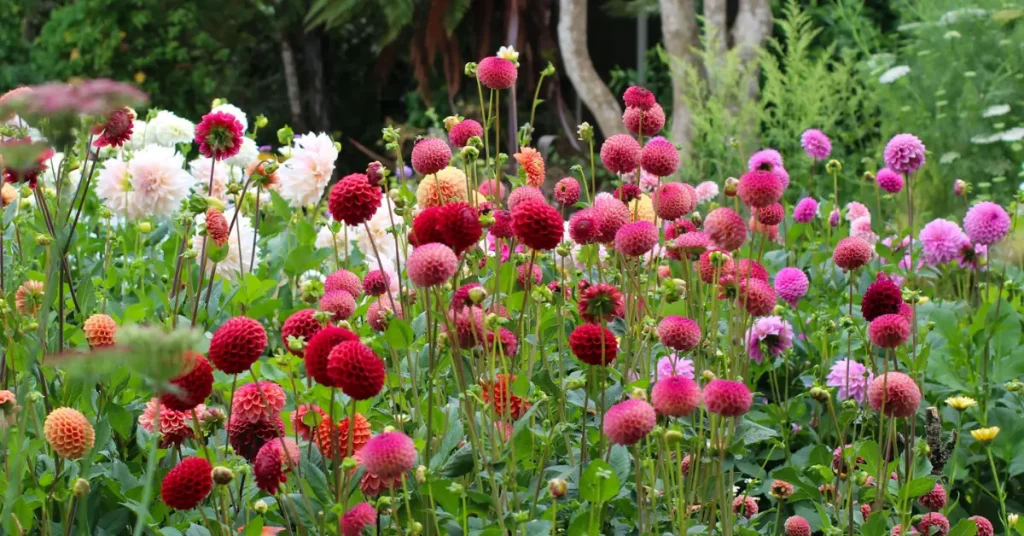
I still remember the first time I saw my dahlias start to fade in autumn—the vibrant blooms that had lit up my garden all summer slowly losing their colour as the air turned sharp. My first instinct was panic. Should I cut them back? Cover them? Leave them alone? I’d spent months nurturing those plants, and the thought of losing them over winter didn’t sit right with me.
If you’ve been there too, standing in your garden wondering how to protect those heavy-headed flowers from the first frost, you’re not alone. Dahlias may look delicate, but they’re tough survivors—if you give them the right care before winter sets in. The real trick isn’t just about lifting the tubers or throwing some mulch over them. It’s about timing, temperature, and a bit of patience.
Over the years, I’ve learned that fall is the make-or-break season for next year’s dahlia blooms. Protecting them now—before the ground hardens or the frost deepens—means you’ll have strong, healthy tubers ready to burst back in spring. In this guide, I’ll walk you through everything I’ve learned about keeping dahlias safe through the cold months—what to do, what to avoid, and how to store them so they come back even better next year.
Have you ever tried saving your dahlias over winter? What worked—or didn’t—for you?
Why Fall Care Matters for Dahlias
The Lifecycle of Dahlias and Why Fall Is Critical
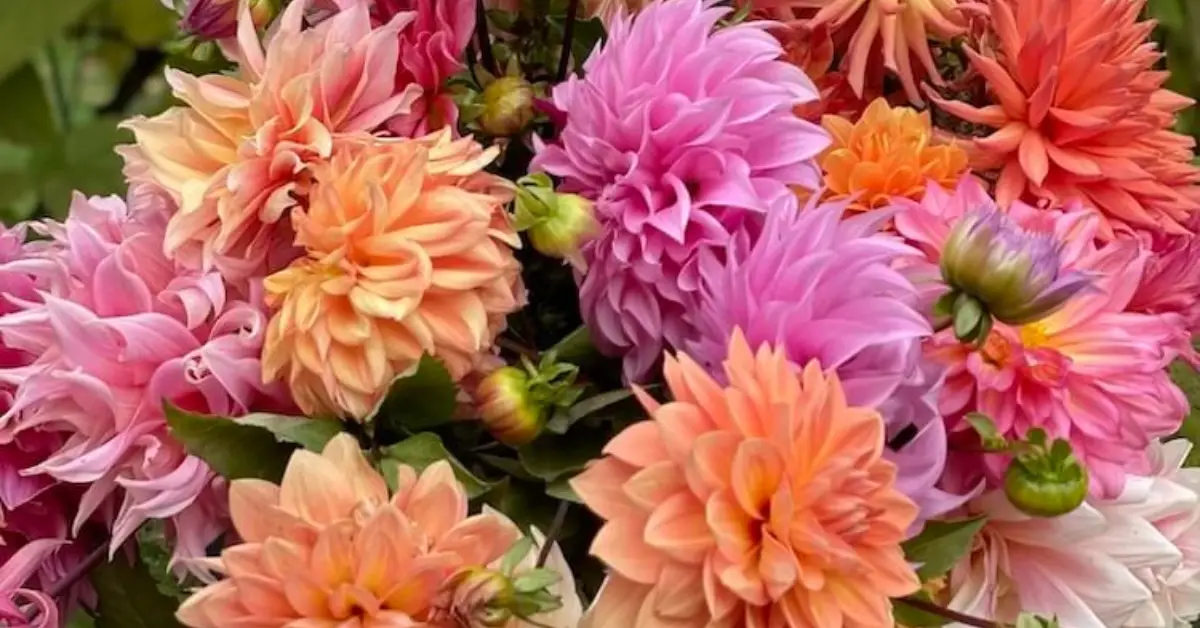
By the time autumn rolls in, dahlias have already given you their best — lush, colourful blooms that turn heads all season. What most gardeners don’t realise is that this is also the stage when the plant begins to redirect its energy underground. As the flowers fade, the plant starts building strength in its tubers, the storage organs that will fuel next year’s growth.
If you step in at the right time, you can help your dahlias store that energy properly and protect those tubers before frost damage sets in. I like to think of fall as a “reset phase” — the plant is wrapping up one cycle and quietly preparing for the next. Without your help during this short window, all that effort from spring and summer can easily go to waste.
Here’s what’s happening below the surface:
- The leaves are fading, but the tubers are still absorbing nutrients.
- The soil temperature begins to drop, triggering dormancy.
- Excess moisture or frost at this point can cause irreversible rot.
By managing this phase well, you give your dahlias the best possible start when spring returns.
What Happens If You Do Nothing (Freezing, Rot, Lost Tubers)
I learned this the hard way during my early gardening years. One mild October, I decided to leave my dahlias untouched, thinking they’d “tough it out.” A few weeks later, frost arrived — and by spring, every tuber had turned to mush.
Here’s what typically happens if you skip fall care:
- Freezing temperatures split and damage tubers.
- Rot sets in if soil stays wet or poorly drained.
- Pests (especially slugs and rodents) target unprotected bulbs for easy food.
- Next spring’s growth becomes weak or fails entirely.
It’s a painful lesson but an important one. A single evening of frost can undo months of effort. Proper preparation isn’t about being overcautious — it’s about giving your plants a fighting chance to return strong next year.
Quick Overview: Climate and Zone Matter (Cold vs Mild Winters)
Not every gardener faces the same challenge. The way you protect your dahlias depends entirely on your local climate. If you live in a cold region where the ground freezes solid, lifting your tubers is the only reliable option. In mild or coastal zones, you can sometimes leave them in the ground with proper insulation.
Here’s a simple breakdown:
- Cold climates (below 0°C / 32°F): Lift and store tubers indoors.
- Mild climates (above 5°C / 41°F): Leave in ground but cover with thick mulch (like straw or dry leaves).
- Tropical climates (India, southern states): Watch for heavy winter rains that can cause rot even without frost.
As the BBC Gardeners’ World experts explain, adjusting your fall care to local weather is key — a one-size-fits-all approach rarely works for dahlias.
So before you grab the spade or the mulch bag, pause and think about your garden’s unique conditions. Understanding your climate isn’t just a technical step — it’s the foundation for everything that follows.
Assess Your Climate & Soil — Should You Lift or Leave In Ground?

Decision Tree: Zone, Temperature, and Soil Type
When gardeners ask me whether to dig up their dahlias or leave them alone, I always say: it depends on your ground, your weather, and your storage options.
Here’s how to make that call quickly:
- Check your winter low: Does the ground freeze where you live? If yes, lifting is a must.
- Test your soil:
- Heavy clay soil → prone to waterlogging → lift them.
- Free-draining sandy soil → possible to leave, but still mulch.
- Container dahlias: Move pots to a sheltered spot or garage — they’re easier to manage than in-ground ones.
When you understand these three factors (temperature, soil, and placement), you can choose the safest option for your plants without guessing.
Leaving in Ground: When It Works and How to Insulate
If you’re lucky enough to live where winters are mild, you can save a lot of effort by leaving dahlias right where they are. The key is insulation. I usually start this just after the first frost blackens the foliage.
Here’s what to do:
- Cut stems down to about 4–6 inches above ground.
- Cover the base with a thick 6–8 inch layer of mulch — straw, dry leaves, or pine needles work great.
- In wetter regions, add a plastic sheet or frost cloth on top to shed excess rain.
- Mark the spot with stakes so you don’t accidentally dig them up later.
This method keeps the soil warm and prevents frost from reaching the tubers while letting air circulate underneath. For Indian climates, focus more on moisture control than cold — the goal is to stop soggy soil from rotting your tubers.
When You Must Lift: Signs and Criteria
Sometimes, no matter how carefully you mulch, the safest route is to lift the tubers. Here’s how to know it’s time:
- Repeated frost warnings or soil starting to harden.
- Heavy clay soil that stays wet for days after rain.
- Container plants that you can easily move inside.
- Past experience of rot or pest damage in your area.
When I lift mine, I wait for the first frost to blacken the foliage, then dig carefully with a fork, keeping a few inches of soil around each clump. That light frost triggers dormancy and helps the tubers store energy better.
It’s a small amount of extra work now that pays off massively come spring — healthy tubers, strong stems, and a garden full of blooms instead of empty patches.
Pre-Lift / Pre-Winter Checklist
Timing: Wait for First Frost or Blackened Foliage — Why This Matters
I always tell gardeners not to rush when it comes to lifting dahlias. The timing is everything. You need to wait until the first frost gently blackens the leaves — that’s your cue that the plant has finished its growing season. Those last few chilly nights push the plant into dormancy, sending remaining nutrients down into the tubers where they’re stored for winter.
If you lift too early, the tubers might still be “soft” — full of water and unsealed — which makes them more likely to rot during storage. Too late, and frost can penetrate the soil, turning them mushy. The sweet spot is a day or two after the first light frost, when the leaves are dark but the ground hasn’t frozen yet. That’s when I grab my spade.
Clean-Up Tasks: Deadheading, Remove Foliage, Tidy Soil, Maybe Feed Lightly
Before lifting, I like to give the area a quick clean-up — it’s not just for looks, it actually keeps the soil healthy and prevents fungal problems next year. Here’s what I do step by step:
- Deadhead any remaining blooms. This stops the plant from wasting energy on dying flowers.
- Cut down the stems to about 4–6 inches above ground level. This makes lifting easier and signals dormancy.
- Rake away any fallen leaves or weeds so they don’t trap moisture around the base. While cleaning the bed, it’s also smart to tackle any stubborn weeds around your dahlia patch — they compete for nutrients even in late fall. If you prefer a natural method, try this guide on how to kill weeds with salt without harming your plants for a safe, eco-friendly solution.
- Lightly loosen the soil so air circulates better while you work.
- Optional: If your soil is nutrient-poor, sprinkle a bit of compost before winter — it breaks down slowly and preps the area for spring.
This tidy-up takes only 15–20 minutes per patch but saves you a lot of trouble later.
Tools & Supplies You’ll Need
Before frost arrives, I like to keep a small “dahlia kit” ready so I’m not scrambling in the cold. Here’s what usually goes in mine:
- Garden fork or spade: For lifting tubers gently without slicing through them.
- Buckets or crates: To carry and separate different varieties.
- Peat moss, sawdust, or vermiculite: For storage medium later.
- Labels and markers: Because every gardener forgets which colour was which by spring!
- Soft brush and old towel: For cleaning soil off tubers.
- Gardening gloves: Dahlia stems can be sharp when they dry out.
Being prepared means you can work efficiently before frost sets in — no rushing, no tubers left behind.
Lifting & Curing Tubers – Step-by-Step

How to Dig Safely
When the day finally comes to lift, choose a dry, mild afternoon. I start by circling the plant with a garden fork, keeping at least 6–8 inches away from the main stem. That space helps avoid puncturing the tubers hiding just beneath the soil surface.
Here’s my usual rhythm:
- Loosen all around the clump.
- Gently lift from underneath.
- Shake off loose soil without tugging on stems.
- Place the clump on a tarp or in a crate to dry.
If you’ve got heavy clay soil, lift slowly and let the soil crumble naturally — forcing it off can snap the roots.
Washing/Cleaning vs Leaving Soil On — Pros & Cons
Gardeners are often divided on this, and honestly, both methods can work — it depends on how damp your storage space is.
Washing tubers:
- Removes soil-borne pests and fungi.
- Easier to inspect for rot or cuts.
- Increases moisture risk — must dry completely before storing.
Leaving soil on:
- Reduces moisture loss; less shrivelling.
- Good for very dry storage areas.
- Harder to spot early rot.
I usually rinse mine gently and let them dry for a few hours before curing — it’s the middle ground that’s worked best for me.
Curing Process: Where, How Long, and Conditions
Curing is the stage most gardeners underestimate, but it’s what determines whether your dahlias will make it to spring. After cleaning, spread your tubers out in a single layer in a cool, dry, and well-ventilated place — like a garage, shed, or shaded porch.
Keep them there for 7–10 days, until the outer skin feels dry and slightly firm. Don’t stack them yet — let air move freely around each clump. Ideal curing temperature is around 10–15°C (50–60°F).
If you notice condensation or a musty smell, you may need more airflow. A small fan on low speed helps during humid weeks.
Common Mistakes at This Stage
Most dahlia losses happen here, not in storage. Avoid these pitfalls:
- Cutting tubers too early or slicing into them accidentally.
- Storing wet tubers before they’ve fully cured.
- Stacking clumps too tightly (no airflow = rot).
- Forgetting labels — you’ll regret it in spring when every tuber looks identical.
Taking an extra day to dry properly is always better than rushing into storage.
Winter Storage Techniques
Storage Medium Options and Why Moisture Control Matters
Once cured, your tubers are ready for hibernation. The key now is moisture balance — too dry, and they shrivel; too wet, and they rot. The best medium depends on what you have on hand:
- Peat moss: Holds light moisture, great for cooler, drier areas.
- Vermiculite: Perfect for humid regions — absorbs excess water.
- Sawdust or wood shavings: Inexpensive, but check they’re untreated.
I prefer a mix of peat and vermiculite — it keeps moisture even without suffocating the tubers. Place them in cardboard boxes or crates lined with newspaper, layering the medium between each clump.
As the experts at Dahlias.com explain, the right airflow and humidity levels are crucial — airtight plastic containers almost always lead to mold.
Temperature & Humidity Requirements
Dahlia tubers like to rest cool and slightly damp. Try to keep them at around 4–10°C (40–50°F) with 70–80% humidity. Too cold and they’ll freeze; too warm and they’ll sprout prematurely.
A basement, garage, or under-stairs cupboard often works well — just avoid spots near furnaces or direct sunlight. If your climate is unpredictable, check them every few weeks and adjust ventilation as needed.
How to Label, Organize, and Monitor Tubers
If you grow multiple varieties, labelling saves endless confusion. Use plastic tags or waterproof labels, and write clearly with permanent marker before storage. Then:
- Group by colour or variety in separate boxes.
- Leave a small gap for airflow.
- Check monthly for signs of soft spots, mould, or sprouting.
If a tuber starts shrivelling, mist the medium lightly; if it feels soggy, open the box to dry. Consistent small checks prevent major losses.
Handling Containers, Raised Beds, or Small Spaces
Urban gardeners often don’t have storage rooms or basements, but that doesn’t mean you can’t save your dahlias. Try these ideas:
- Use cloth grow bags filled with dry peat or sawdust, stored in a balcony corner.
- For container-grown dahlias, move pots into a garage or stairwell — don’t water them until spring.
- Mini greenhouses or old shoe racks with breathable covers also work for short-term storage.
Wherever you store them, make sure the air can circulate — it’s the single most important factor for healthy tubers.
Common Pests, Diseases & Storage Problems

Rot, Mold, and Shrivelling — Signs & Prevention
Even the best gardeners lose a few tubers each winter. The trick is to catch problems early.
- Rot: Mushy texture, sour smell — caused by excess moisture. Remove damaged tubers immediately.
- Mold: White or grey fuzz — indicates poor ventilation. Open boxes and dry them out.
- Shrivelling: Too dry — mist the storage medium lightly, not the tubers themselves.
Prevention comes down to three words: cool, dry, breathable.
Pests in Winter Storage + Garden Pests After Planting
Rodents love a dark, warm box of tubers as much as you hate finding them chewed through. Keep storage off the ground and sealed with mesh if mice are common. Slugs can also sneak in if the area is damp — sprinkle a little diatomaceous earth around boxes as a deterrent.
In spring, when you replant, look out for early aphid infestations or leaf miners on young shoots — they target weak, overwintered plants first.
What to Do If Tubers Sprout Early or Look Weak
Sometimes, especially in warmer rooms, tubers wake up before they should. Don’t panic — here’s what to do:
- If only tiny shoots appear, trim them off and move the box to a cooler spot.
- If they’re fully sprouted, pot them in trays with a light mix of compost and store in bright but cool light until outdoor temps rise.
- For weak or damaged ones, cut away the bad sections and let the cut surface dry before re-storing.
Think of this as spring arriving early — not a failure, just a head start if you handle it right.
By this stage, your dahlias are safely tucked away for winter, resting until the first warm weeks call them back to life. The care you’ve given now — precise timing, careful lifting, and smart storage — sets the tone for a season full of strong stems and vibrant blooms ahead.
Spring Re-planting Prep & Quick Win Tips
When and How to Replant for an Early Start
When spring finally creeps back in, your dahlias are ready to wake up—but how you reintroduce them makes all the difference. I like to start mine indoors about four to six weeks before the last frost date. It gives them a head start without exposing the tender shoots to cold nights.
Here’s how I do it:
- Bring the stored tubers into a warm, bright spot (around 18°C / 65°F).
- Inspect for firmness—healthy ones should feel solid, not spongy.
- Pot them up in trays or pots with moist, free-draining compost, burying them just deep enough to cover the tuber tops.
- Keep the soil just damp until shoots appear, then move to full light.
By the time outdoor conditions are stable, you’ll have sturdy young plants ready for transplanting, often blooming weeks earlier than if planted directly in the soil. Once your dahlias are set for spring, you might also want to explore companion plants that add beauty and utility. Check out how to grow edible flowers in small spaces — a simple way to fill even tiny corners with colour and flavour.
How to Divide Tubers Correctly
Dividing tubers sounds intimidating, but it’s actually the secret to keeping dahlias vigorous and multiplying your plants without spending a penny. I usually do this right before spring planting—after curing, when the tubers are firm but not brittle.
Here’s a quick mini-guide:
- Lay out the clump and look for distinct tubers attached to the crown (the stem base).
- Each new section must have at least one eye—a tiny bump near the crown—that will sprout into a new plant.
- Use a clean, sharp knife to separate them gently.
- Dust the cut ends with sulphur powder or cinnamon to prevent infection.
- Let the divisions dry for a few hours before planting or re-storing.
This small step rejuvenates older plants and gives you extra stock for containers or gifts to fellow gardeners.
Pea-Sized Actions You Can Do Now (in Fall) to Ensure Ease in Spring
Good spring results actually start in fall. A few small habits make replanting smoother:
- Label clearly now with variety and colour—you’ll thank yourself later.
- Store your stakes and supports together so you can find them easily next season.
- Plan your layout—decide which beds will host your dahlias next year to rotate soil and prevent disease buildup.
- Note bloom performance this season. Some varieties that lagged may need sunnier spots or deeper soil.
Taking these 15-minute actions now keeps your spring organised and stress-free.
Quick Checklist & Action Plan
One-Page Fall Action Checklist
Here’s a quick reference you can print or save on your phone for when the temperature drops:
Early Fall (before frost):
- Stop feeding and reduce watering.
- Prepare tools and supplies.
- Label plants while still blooming for easy ID.
After First Frost:
- Cut stems to 4–6 inches.
- Lift carefully using a garden fork.
- Clean and cure for 7–10 days.
Before Winter Sets In:
- Pack tubers in peat moss, sawdust, or vermiculite.
- Store at 4–10°C (40–50°F) in a dark, dry place.
- Check boxes for ventilation and label everything clearly.
Storage Monitoring Checklist (Monthly)
Winter is long, and it’s easy to forget what’s tucked away. A simple monthly check prevents nasty surprises:
- Inspect for soft or mouldy tubers; remove immediately.
- Feel the medium—add moisture if too dry; ventilate if damp.
- Check temperature and humidity—keep cool, never freezing.
- Re-label anything smudged or faded.
- Note early sprouts and move boxes to a cooler spot if needed.
Regular five-minute checks keep your dahlia collection alive and thriving till spring.
For a little extra reassurance, the experts at Better Homes & Gardens recommend combining both prevention and consistency—monitoring stored tubers monthly is the simplest way to ensure a flawless comeback when the season turns warm again.
Final Thoughts & Next Steps
Every year, as the last blooms fade and the evenings turn crisp, I’m reminded that caring for dahlias isn’t just about colour — it’s about patience, timing, and respect for the plant’s rhythm. The difference between a garden full of lush blooms and one that struggles next spring often comes down to the quiet work you do right now, before winter takes hold.
By lifting, curing, and storing your tubers properly — or insulating them if you’re in a milder climate — you’re not just preserving plants, you’re protecting the results of an entire season’s effort. Fall care isn’t busywork; it’s insurance for beauty that returns stronger each year.
So, take a moment this week to look over your patch. Feel the soil, check the forecast, and decide whether it’s time to lift or mulch. Even small actions — trimming, cleaning, labelling — make a huge difference when spring rolls back around. And if you’re planning ahead for your next burst of colour, consider adding poppies — they thrive beautifully alongside dahlias. Here’s a helpful guide on how to grow poppies that will transform your garden to inspire your spring lineup.
If you found this guide helpful, I’d love to hear from you. What’s your go-to method for protecting dahlias during winter? Share your thoughts or tips in the comments below — your experience could help another gardener save their blooms.
And if you’re ready to keep your garden thriving year-round, visit Build Like New for more practical guides, home improvement tips, and garden care insights designed to make your outdoor space look — and feel — brand new every season.
Disclaimer: The information in this guide is based on personal experience and trusted horticultural sources. Always consider your local climate, soil type, and conditions before applying any care or storage methods. Build Like New is not responsible for individual results or losses caused by weather, pests, or improper handling.