
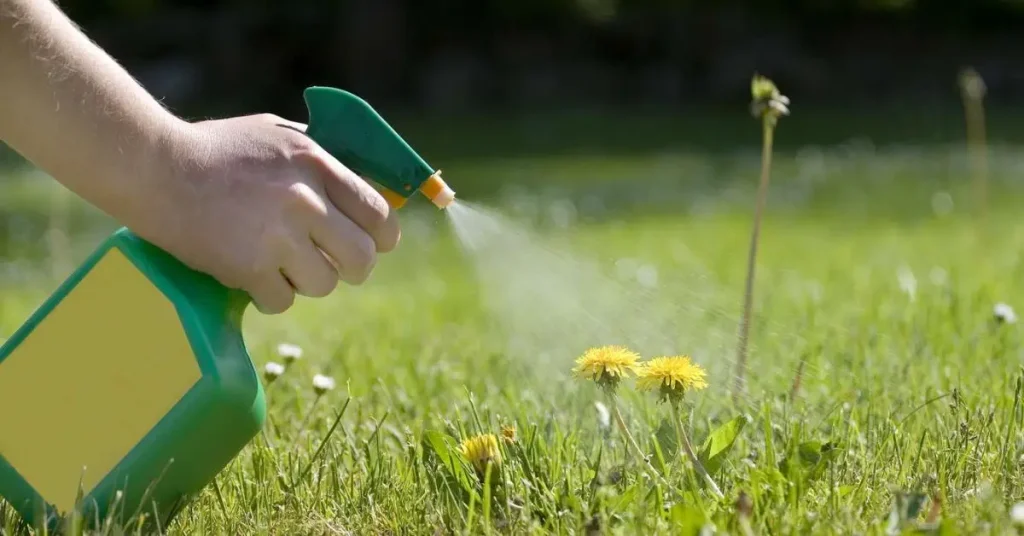
Every gardener hits that moment: weeds pop up fast, you want them gone even faster, and the salt hack feels like the cheapest, cleanest fix. I get it—you don’t want chemicals, and you don’t want a weekend lost to hand-pulling.
Here’s the truth most posts skip: salt does kill weeds, but it doesn’t stop at the weed. It can seep into the soil, drift to roots you care about, and keep that spot barren longer than you planned. That’s why people love the result on a driveway—and regret it in a flower bed.
If you’re wondering how to kill weeds with salt without wrecking nearby plants, you’re in the right place. We’ll keep it simple, targeted, and careful—no vague tips, no risky “spray everything” shortcuts.
You’ll see exactly where salt makes sense (cracks, gravel, hardscape), where it doesn’t (near roots, lawns, beds), the dilution ratios that matter, and small tools that keep the solution on the weed, not in your soil.
I’ll also flag the common mistakes—over-salting, mixing it with the wrong stuff, and using it where runoff can carry it straight into your beds. The goal isn’t a quick kill today and a dead patch tomorrow; it’s control without collateral damage.
Before we dive in, tell me this: which weeds are you fighting, and where—patio cracks, gravel paths, or close to your plants? Your spot helps me tailor the safest options.
Why Gardeners Use Salt for Weed Control
I’ve always thought of salt as one of those everyday tools hiding in plain sight. It’s cheap, you already have it in your kitchen, and it feels “natural” compared to a bottle of chemicals. That’s why gardeners for centuries—literally going back to ancient farmers—have tried sprinkling or dissolving it to deal with stubborn weeds.
And honestly, the appeal makes sense:
- It doesn’t cost you extra.
- You don’t have to store harsh sprays.
- It gives quick results on cracks, driveways, or paths.
But here’s the catch: what worked for someone tossing salt on a stone road centuries ago isn’t always the same as what will work in your flower bed today. That’s where knowing the when, where, and how becomes critical.
Quick Answer: Can Salt Kill Weeds Safely?

Yes—it can. Salt will kill weeds, but the concentration and method decide whether you end up celebrating or regretting it. If you pour too much, it doesn’t just stop the weed; it lingers in the soil and can spread to roots you want to keep alive. Used carefully, though, it’s a simple spot solution.
Think of it as three golden rules:
- Choose the right salt — plain table salt works; avoid mixes with additives.
- Dilute properly — strong enough to hit the weed, weak enough to avoid soil damage.
- Apply directly — target the weed, not the surrounding soil.
Even agencies like the USDA caution that high salinity in soil can disrupt growth, reduce fertility, and harm beneficial microbes. That’s why precision matters—your aim isn’t to sterilize the ground, just to knock out what’s in the way.
Science Behind Salt and Plant Growth
If you’ve ever spilled salt on a slice of cucumber, you’ve seen the water beads form. The same thing happens with weeds.
How Salt Dehydrates Weeds
Salt pulls moisture out of plant cells. Without that water, the leaves wilt, the stems collapse, and the weed can’t recover.
Why Roots and Soil Microbes Are Sensitive
Here’s the tricky part: roots of wanted plants and tiny soil organisms are just as sensitive. Salt doesn’t know the difference—it dries everything in its path. Over time, this can make the soil less fertile and throw off the balance underground.
Safe vs. Harmful Concentration Thresholds
- Safe side: light, diluted sprays on weeds in cracks or driveways.
- Danger zone: repeated or heavy applications in garden beds, especially near vegetables, shrubs, or trees.
- Red flag: any spot where water runoff can carry salt into surrounding soil.
That’s why I say salt is best treated like a scalpel, not a hammer. Use it sparingly, in the right place, and you’ll get the clean results you want without paying for it later in dead soil or damaged plants.
Step-by-Step: How to Apply Salt Without Harming Other Plants
When I first tried using salt on weeds, I learned quickly that it’s not just about “dump and done.” The way you choose, mix, and apply salt makes the difference between a clean fix and a long-term soil problem.
Choosing the Right Salt
- Table salt (sodium chloride): Cheap and easy, but strongest impact.
- Rock salt: Works for large cracks in driveways or patios, but slower to dissolve.
- Epsom salt (magnesium sulfate): Softer option, sometimes used by gardeners, but still risky near roots.
If you’re treating weeds between pavers or along a gravel path, table salt is usually the most practical.
Mixing Safe Solutions
This is where most guides fall short—they say “use salt” but never tell you how much. I’ve found these ratios work best:
- Driveways & cracks: 2 parts water + 1 part salt (stronger solution since no roots nearby).
- Garden edges or beds: 3 parts water + 1 part salt (weaker, safer dilution).
Always stir until dissolved so you don’t end up with clumps that burn more than you planned.
Application Methods
- Direct pour: Best for weeds in gravel or along fences.
- Spray bottle: Lets you target individual weeds with diluted solution.
- Paste for cracks: Mix salt with a little water to make a thick paste and press it right into deep cracks.
Pro Tip: I like to use a small funnel or even an old syringe to get the solution exactly where I want it. That way, nothing spreads into the soil where my flowers are growing.
Best Places to Use Salt Weed Killer

Salt isn’t a one-size-fits-all solution—it shines in hardscape areas, not in your garden beds.
Safe zones for salt use:
- Paths and sidewalks
- Patio cracks
- Driveways
- Gravel walkways
Danger zones (avoid salt here):
- Anywhere near tree roots
- Vegetable gardens
- Lawns or flower beds
Think of it visually: hard, sealed surfaces = safe; open soil with roots = risky. If I could draw it for you, the “green zones” would be paths and cracks, while the “red zones” would circle around anything you actually want to keep alive.
What NOT to Do With Salt
This is where people often go wrong, and I’ve seen the regrets shared in countless garden forums.
- Over-salting soil: A heavy hand can make that patch infertile for months or even years.
- Using it near vegetables, lawns, or trees: Salt can spread underground and damage roots you never intended to touch.
- Mixing salt with bleach or other harsh chemicals: That’s not just unsafe for plants, it’s unsafe for you and the environment.
Even experts like Gardening Know How stress caution—once salt is in your soil, it’s stubborn to remove. That’s why spot treatment is key: treat it like a scalpel, not a bomb.
Safer Alternatives & Salt Blends
Sometimes salt feels too harsh, especially if you’re working close to plants you care about. The good news? There are other natural or low-impact tricks that can fit the job.
Vinegar + Salt + Dish Soap Spray
One of the most common “DIY weed killers” floating around is a mix of vinegar, salt, and a few drops of dish soap.
Pros:
- Vinegar burns leaves fast, giving quick results.
- Dish soap helps the solution stick to leaves.
- Cheap and easy to make at home.
Cons:
- Doesn’t always reach deep roots, so weeds can regrow.
- Salt in the mix can still harm soil long-term.
- Works best on young, shallow-rooted weeds—not woody or established ones.
If you use it, I’d suggest testing a small patch first and avoiding any drift into your garden beds.
Boiling Water, Mulching, Flame Weeding
- Boiling water: Pour directly onto cracks or stubborn weeds in driveways. Instant kill, no chemicals.
- Mulching: A simple, long-term barrier. Thick layers smother weeds and keep soil moisture steady.
- Flame weeding: A propane torch lightly passed over weeds. Effective, but you need caution with safety and surroundings.
These methods give you non-salt alternatives if you want to avoid changing soil chemistry. If you’re nervous about salt and want something gentler, try planting ornamentals that do double duty—like growing edible flowers in small spaces, which add beauty and help cover soil so weeds don’t stand a chance.
Common Myths About Salt & Weeds

I’ve seen the same misconceptions pop up again and again. Let’s clear them up.
- Myth: “Salt is completely safe for gardens.”
Truth: Salt doesn’t discriminate. It harms weeds, plants, and soil microbes alike. Even Homes & Gardens warns that salt damages surfaces and seeps into surrounding soil. - Myth: “Any amount of salt works instantly.”
Truth: Concentration matters. A sprinkle won’t do much; a dump can sterilize the soil for months. It’s not about more—it’s about precision. - Myth: “Salt is eco-friendly no matter what.”
Truth: While it feels “natural,” heavy salt use disrupts soil health, pollutes runoff, and creates long-term fertility problems.
The pattern is clear: salt can be useful, but only when handled carefully. Believing these myths is what leads to frustrated gardeners and damaged yards.
Salt vs. Commercial Weed Killers
I’ve often weighed the choice myself: do I reach for a bag of salt or buy a commercial weed killer? On the surface, salt looks unbeatable—pennies per use compared to $15–$30 bottles at the store. But money isn’t the only factor.
- Cost: Salt is cheap and available in bulk. Commercial products cost more but are designed for precision.
- Safety: Salt feels safer because it’s “natural,” but overuse damages soil for years. Commercial sprays may have harsher chemicals, yet many are formulated to break down faster.
- Environmental trade-offs: Salt can leach into water runoff and harm nearby plants. Some modern weed killers, while pricey, are less persistent in soil.
When does it make sense to buy? If you’re dealing with large areas, deep-rooted weeds, or spaces near your prized plants, commercial options often give you control without long-term soil damage. For cracks in a driveway, salt wins every time.
Long-Term Prevention Tips
The smartest weed control isn’t about what you pour—it’s about what you prevent. Salt should be a tool, not a habit. Here’s a quick checklist that’s worked for me:
- Mulch generously around beds to block light and suppress seedlings.
- Plant densely so weeds don’t get the bare patches they love. Instead of relying only on salt, you can keep weeds down by filling space with useful herbs—like learning how to easily propagate thyme at home for a lush herb garden. Dense plantings not only look good but also leave fewer gaps for weeds to sneak in.
- Weed regularly before roots set deep—five minutes a week saves hours later.
- Rotate methods so you’re not relying only on salt.
- Check drainage and soil health—healthy soil fights back naturally.
Wrap-Up
Salt can be a clever ally when you use it like a scalpel—targeted, careful, and only where it won’t touch the plants you love. Think cracks, paths, and gravel—not beds and lawns.
I’d love to hear from you: have you ever tried salt for weed control, and what happened in your garden? Share your story in the comments—it helps others avoid the same mistakes and discover what really works.
And if you’re looking for more eco-friendly tips and guides, head over to Plant Care Dairy for fresh, practical advice you can use season after season.
And if you’re curious about adding more resilient plants that thrive while keeping weeds at bay, you might enjoy this step-by-step guide to growing lemongrass, a hardy plant that can double as both a kitchen staple and a natural ground cover.
Disclaimer: The information shared here is for general home gardening purposes only. Salt can damage soil and nearby plants if misused. Always test in small areas first, follow safe application methods, and consult local extension services for region-specific guidance.