

I’ll be honest with you—when I first tried growing poppies, I thought it would be as simple as tossing some seeds on the soil and waiting for blooms. What I didn’t realise was how much the timing, soil prep, and even the way I watered them mattered.
Once I figured those things out, my garden went from looking flat and ordinary to bursting with colour that stopped neighbours at the fence. If you’ve ever dreamed of having flowers that make your whole space feel alive and a little magical, poppies can do that. They’re hardy, they self-seed, and if you give them the right start, they’ll keep rewarding you year after year.
Have you ever tried planting poppies before—or are you thinking this might be the season to give them a shot?
Why Poppies Are a Game-Changer for Your Garden?
I still remember the first time I saw a patch of poppies lit up by the morning sun—it looked like the garden itself was on fire with colour. That’s the magic they bring. If you’ve ever felt your space looked a little too plain, planting poppies can instantly shift that mood.
Here’s why I think they’re such a powerful addition:
- Unmatched colour and variety – From the fiery orange of California poppies to the soft pastels of Icelandic blooms, there’s a shade for every mood.
- Pollinator magnets – Bees and butterflies love them, which means your entire garden ecosystem benefits.
- Low effort, high reward – Once established, poppies are surprisingly forgiving and thrive even if you’re not the most attentive gardener.
- Natural reseeding – Many types drop seeds that sprout the next year, giving you fresh waves of colour without extra work.
- Adaptability – Whether you prefer the delicate look of Shirley poppies or the boldness of Oriental types, there’s a poppy that fits your style.
And the best part? According to The Spruce, some varieties reseed so reliably they behave like perennials in many climates—coming back year after year with almost no effort from you.
Choosing the Right Poppy Variety for Your Climate & Aesthetic
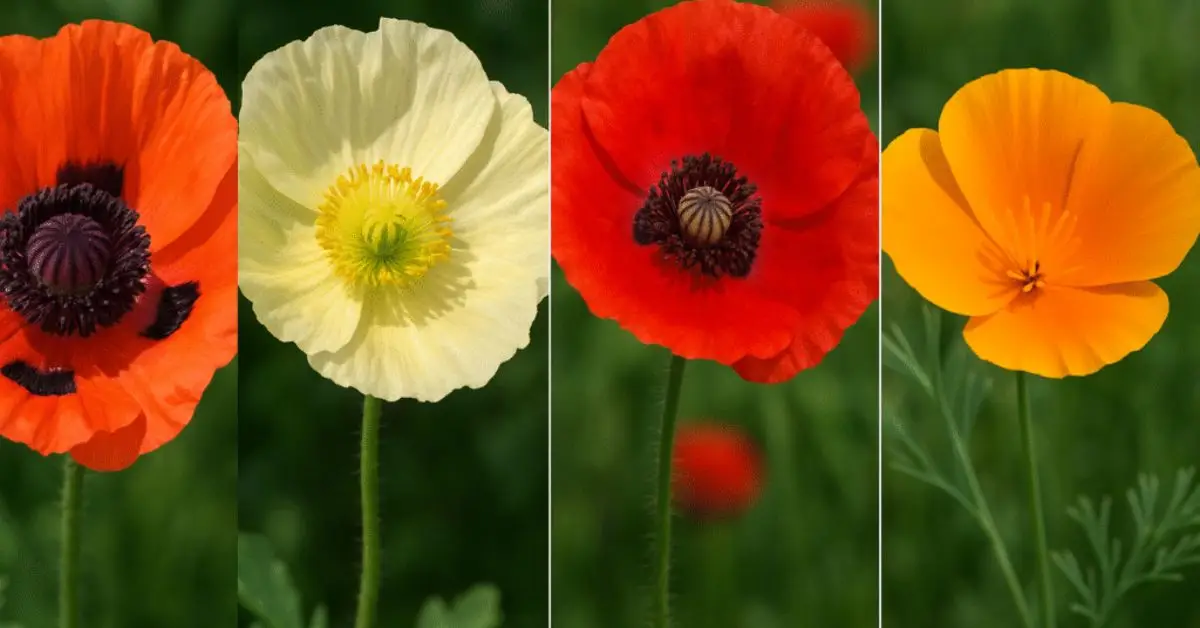
Now, let’s talk about something most beginners overlook: picking the right type. Not all poppies act the same, and choosing wisely can mean the difference between a garden full of colour and a patch of weak, straggly plants.
Here’s how I break it down:
California Poppies (Golden Poppies)
- Love full sun and sandy or even poor soil.
- Incredibly drought-tolerant—perfect if you don’t want to water constantly.
- Perennial in warmer zones (8–11) but behave as annuals elsewhere.
- One catch: they don’t like being transplanted, so it’s best to sow directly where you want them.
Icelandic & Shirley Poppies
- Known for soft pastel shades that look amazing in cottage-style gardens.
- Prefer cooler weather and moist but well-drained soil.
- Self-seeding habits mean once you plant them, you’ll likely see them pop up again next season.
- Their seeds also remain viable for years, which makes saving and re-sowing easier.
Corn (Field) Poppies & Oriental Poppies
- Corn Poppies: Easy annuals, great for beginners. They like a little cold stratification (a fancy way of saying they need a period of chill before germinating). Expect bright, simple blooms in early summer.
- Oriental Poppies: True showstoppers. These perennials produce bold, oversized flowers that look stunning in borders. They die back in mid-summer, but don’t panic—they’ll return stronger the next year.
If you match the variety to your climate and the look you want, poppies can truly transform your garden into something people stop and stare at.
Which variety do you feel drawn to—California’s golden glow, Icelandic’s soft shades, or Oriental’s dramatic blooms?
Best Time to Sow Poppy Seeds—Spring or Fall?
Timing makes all the difference when it comes to poppies. I’ve learned the hard way that tossing seeds at the wrong moment either leaves you with patchy growth or nothing at all. The good news is, you’ve got two reliable windows—fall and early spring—and each has its own benefits.
- Fall sowing: If you scatter seeds in autumn, they’ll sit quietly in the soil through winter and then burst to life once the weather warms. This mimics how poppies grow naturally in the wild, and it usually gives you stronger, earlier blooms.
- Spring sowing: The other option is to plant as soon as the ground thaws and can be worked. It’s important not to wait too long, because once the heat of summer sets in, poppies don’t germinate as well.
I like fall sowing because it feels almost effortless—you sow once, and nature does the rest. But if you miss that window, spring is still a perfectly good backup.
Soil & Site Preparation Essentials
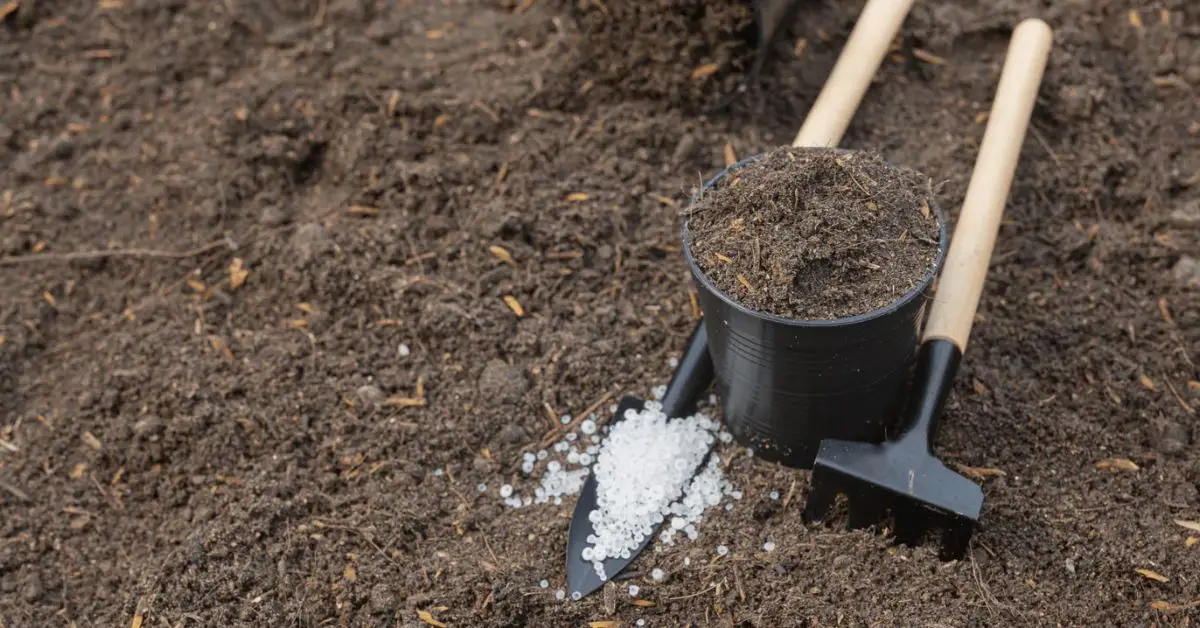
No matter when you sow, the right soil and site will decide whether your poppies thrive or struggle. Here’s what I’ve found works best:
- Full sun: Aim for at least six hours of direct sunlight a day. Poppies crave light.
- Well-drained soil: Heavy clay is their enemy. If that’s what you’ve got, use a raised bed or mix in compost to loosen it up. If you’re tempted to try poppies in containers, be cautious—many flowers struggle in pots long-term. Here’s a list of indoor and outdoor plants that don’t survive well in containers that will help you decide what truly belongs in the ground.
- Flexible pH: Unlike fussier flowers, poppies will tolerate alkaline, neutral, or slightly acidic conditions.
- Test and improve: A simple soil test can tell you what nutrients you’re missing—work in compost or a balanced fertilizer based on the results.
Think of this step as setting the stage. With the right foundation, you’ll avoid most of the headaches gardeners run into later.
Sowing Seeds: Methods That Work (and Why)
This is the part I enjoy most—actually getting the seeds in the ground. The method you choose can make or break your germination rates.
- Direct sowing: Scatter seeds thinly across the soil surface, almost like sprinkling fairy dust. Don’t bury them deep; they need light to sprout.
- Cold stratification (Ice cube method): One creative trick is freezing seeds in ice cubes and dropping them onto the soil. As the cubes melt, the seeds settle in, getting the cold period they need and staying in place instead of blowing away.
- Zone considerations: If you’re in Zone 6 or warmer, fall sowing is often easiest. In colder zones, spring sowing gives you better results.
- California poppies tip: Instead of scattering, place two or three seeds in each spot and thin later. This keeps the strongest plants and avoids overcrowding.
If you want a step-by-step visual of sowing techniques, Three Acre Farm offers some great real-world advice that matches what’s worked for me in my own garden.
Early Growth and Care—Watering, Spacing, and Thinning
This is the stage where patience pays off. Once your poppy seeds are in the ground, the first few weeks can make or break your success. I’ve had years where I overwatered or forgot to thin them out, and the results were disappointing. Here’s what I’ve learned works best:
- Moist but not soggy: Keep the seedbed lightly moist until germination, which can take anywhere from a week to nearly a month depending on temperature.
- Thin the seedlings: Once they’ve sprouted, give each plant enough breathing room—about 6 to 12 inches apart, depending on the variety. This avoids overcrowding and lets air circulate.
- Water wisely: Too much water or overhead watering can invite disease and root rot. Stick to light morning watering or use drip irrigation so the soil gets what it needs without soaking the foliage.
- Skip the night shift: Don’t water in the evenings. Damp leaves overnight are an open invitation for fungal problems. Always aim at the soil, not the leaves.
When you treat your young seedlings with care at this stage, you’re setting them up for healthy growth and strong blooms later.
Managing Pests, Diseases & Common Mistakes
Even with the best care, poppies aren’t immune to trouble. The good news is most issues are easy to spot and fix if you know what to watch for.
- Common culprits: Downy mildew, gray mold, and root rot often show up in damp conditions.
- Prevention first: Good drainage, proper spacing, and clearing away old debris go a long way in keeping your plants healthy.
- Variety-specific risks: Papaver somniferum (opium poppies) are particularly prone to viral and fungal diseases, which is why early sowing and crop rotation matter.
- Heat stress: California poppies can suffer in high heat—mulching around the roots helps keep them cool.
Most gardeners run into these problems when they overcrowd, overwater, or ignore spent foliage. A little preventive effort saves a lot of frustration. Just like poppies, other garden favourites can falter if conditions aren’t right—take lemongrass, for example. If yours is struggling, here’s exactly what you might be doing wrong and how to fix it.
Encouraging More Blooms & Extending the Show
One of the things I love most about poppies is how generous they can be if you give them just a little attention. Want them to flower longer and fuller? Here’s how:
- Deadhead regularly: Snip off fading blooms and the plant will keep producing new flowers.
- Oriental poppy trick: After their big flush of flowers, cut the foliage back hard. Pair them with companion plants like hardy geraniums to keep your beds looking full while the poppies regroup.
- Let them self-seed: If you’d like more for next year, leave a few seedpods on the plants. They’ll drop naturally and return in fresh patches the following season.
These small habits stretch your bloom time and make your garden feel alive well past the first flush of colour.
Harvesting and Saving Seeds for Future Seasons

The beauty of poppies is that they don’t just give you flowers—they give you the next generation of plants if you know how to save seeds.
- Wait for the right moment: Seedpods should be dry, brown, and starting to split before you collect them.
- Store smart: Keep the seeds in paper envelopes until they’re fully dry. Avoid plastic, which traps moisture and ruins viability.
- Know your variety: California poppies scatter quickly, so collect before they release if you want control over where they grow.
- Long-lasting seeds: Many poppy seeds remain viable for years, which makes them a great investment for cottage-style or meadow gardens. If you’re interested in growing more than flowers, herbs can bring just as much joy. Lemongrass, for instance, is simple to start from seed—here’s a step-by-step guide on how to grow lemongrass successfully
For a practical, step-by-step guide, Growing In The Garden shares tips that align perfectly with what’s worked for me when saving seeds season after season.
Growing Calendar by Zone
One of the biggest questions I get is “But when should I actually sow my seeds?” The answer depends on where you live. To make it easier, here’s a simple zone-based calendar you can lean on:
- Zone 5–6: Sow in late October for natural overwintering. If you miss fall, get seeds in as soon as the soil thaws in March.
- Zone 7–9: Sow in late fall (November–December) for a spring show, or early spring if winters are unpredictable. Mulch a little deeper to help with soil temperature swings.
- Zone 3–4: Stick to spring sowing. Your winters are too harsh for seeds to survive exposed. Aim for March–April, as soon as the ground is workable.
- Zone 10+: Cooler months are your friend. Sow in late fall or even early winter, since hot summers can stress poppies.
This calendar isn’t rigid—it’s a guide. Pay attention to your soil and weather, and adjust slightly if you need to.
Final Word (Garden Transformation Starts Here!)
If you’ve ever wanted a flower that looks like it belongs in a painting but grows with the ease of a weed, poppies are it. They reward you with colour, feed pollinators, and reseed themselves so the beauty keeps coming back. They don’t demand much—just the right timing, a sunny spot, and a little care in the early stages.
Start with one variety this season. Watch how it transforms not just your garden, but the way you feel about stepping outside each morning. Before long, you’ll wonder why you didn’t grow them sooner.
What about you—are you leaning toward the golden glow of California poppies or the bold drama of Oriental blooms? Share your thoughts in the comments below.
And if you’re hungry for more practical tips and real gardening know-how, explore more guides at Plant Care Dairy—your space for smarter, simpler plant care.
Disclaimer: This guide is for general gardening purposes only. Some varieties of poppies, such as Papaver somniferum (opium poppy), may be restricted or regulated in certain regions. Always check your local laws before planting, and choose ornamental or permitted types for home gardening.