
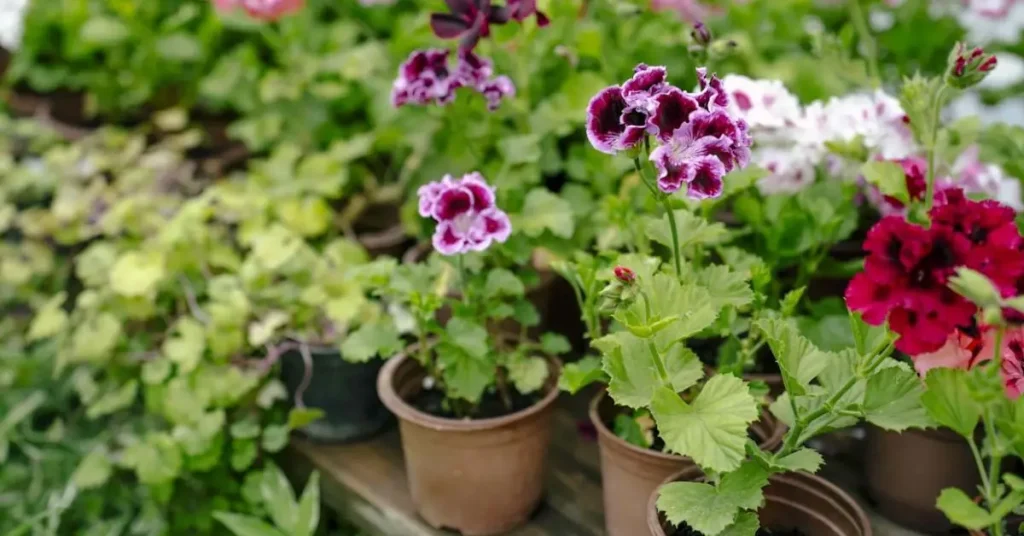
I’ve wasted more money than I’d like to admit on flowers that looked stunning in the nursery but collapsed the minute I tried to keep them in a pot. If you’ve been there too, you know how discouraging it feels—you give the plant good soil, water it carefully, even move it around for “better light,” and still it sulks or dies. The truth is, not every flower is meant for a container.
Some need deep roots, steady ground moisture, or space that no pot can provide. In this guide, I’ll walk you through which flowers simply won’t survive in pots—and more importantly, why. That way you can avoid the heartbreak and spend your time (and money) on plants that actually thrive in your space.
Before we dive in, I want to hear from you: have you ever tried to grow a flower in a pot that just wouldn’t cooperate? Share your story—I bet many of us have made the same mistakes.
Why Some Flowers Fail in Pots (The Science Behind It)
I used to think a pot was just a smaller version of a garden bed—you put the flower in, water it, and it should grow. But the reality is far less forgiving. The main issue comes down to roots. Some flowers develop root systems that want to stretch deep or wide, and a container simply doesn’t give them the room. When roots are forced into cramped quarters, growth slows and blooming suffers.
Water balance is another hidden challenge. In the ground, water drains naturally and roots chase moisture. In a pot, soil either dries too fast or holds water too long, leading to stress. Timing also matters—watering at the wrong part of the day can stress potted flowers even more. Our guide on day vs. night watering for plants explains how to get it right. According to the NC State Extension guide on container plants, container soil must be managed carefully to avoid oxygen loss and waterlogging—conditions that quietly kill many flowers.
Stress builds up in small ways:
- Stunted leaves
- Missed blooms
- Weak stems
- Early decline despite regular care
Once you understand these science-backed reasons, it becomes easier to predict which plants will never thrive in pots, no matter how much effort you put in.
Common Indoor Flowers That Struggle in Containers

Some of the most beautiful indoor favorites are also the most disappointing when kept in pots:
- Gardenias – demand steady humidity and deeper soil than most containers allow.
- Azaleas – roots dry out too fast indoors, even with careful watering.
- Hydrangeas – outgrow pots quickly and struggle without consistent moisture.
- Peonies – rarely bloom in containers and often just sit without progress.
If you’ve tried any of these flowers indoors and felt like the failure was your fault, it wasn’t. These plants are simply built for the ground, not for pots, and knowing that can save you from repeating the same mistake.
Outdoor Blooms That Don’t Thrive in Pots
It’s tempting to brighten up patios and decks with dramatic outdoor flowers, but some species simply won’t cope with container life. As highlighted in the Martha Stewart gardening guide, the problem usually comes down to space, root health, and water needs that a pot just can’t satisfy.
- Sunflowers – develop deep taproots that need open ground; in pots, roots hit the bottom too soon and growth stalls. Sunflowers aren’t just tough in pots—they’re also known as deep-rooted plants that stabilize soil. If you’re curious about other options, check our guide on deep-rooted plants that prevent soil erosion.
- Lilacs – shrubs with wide-spreading roots; confined containers lead to weak branches and limited blooms.
- Hibiscus – tropical stunners that dry out quickly in pots and need more consistent ground moisture than you can provide.
- Clematis – climbing vines with demanding root systems that prefer cool, shaded soil layers not possible in containers.
- Magnolia saplings – trees with extensive root systems; container life causes severe stress and stunted growth.
If you’ve ever tried one of these outdoors in a pot, you’ll know how quickly the plant goes from promising to pitiful. Knowing which flowers to skip for containers can save you both money and disappointment.
Costly Mistakes Beginners Make With Container Flowers

Even with the “right” plant, beginners often repeat the same errors that doom their containers. According to the UC Master Gardeners’ container gardening basics, success comes down to simple but crucial steps most people overlook:
- Overwatering / poor drainage – leads to waterlogged soil and root rot.
- Choosing pots too small – restricts root spread and prevents healthy growth.
- Not repotting annually – soil loses nutrients and roots become bound, leaving plants starved.
- Ignoring sunlight mismatch – placing shade lovers in direct sun or sun lovers indoors leaves them stressed and weak.
These mistakes may sound basic, but they’re exactly what causes many container gardens to fail. Fixing them means your pots can thrive, even if the plant is naturally suited for container life.
Smarter Alternatives to Grow in Pots (What Works Instead)
It’s not all bad news—plenty of flowers are perfectly suited to container life and can bring lasting colour to your home or patio. Instead of battling with plants that are destined to fail, focus on varieties that thrive in smaller spaces and adapt well to changing care routines.
Hardy indoor options
- Geraniums – tough, colourful bloomers that don’t mind smaller containers and irregular watering.
- Petunias – cheerful flowers that cascade beautifully from hanging baskets or window boxes.
- Orchids – thrive in pots with the right medium, offering long-lasting, elegant blooms indoors.
- Begonias – low-maintenance and versatile, they perform well in both shade and filtered light.
Reliable outdoor picks

- Lavender – compact roots and drought tolerance make it ideal for pots, plus the fragrance is unbeatable.
- Marigolds – fast-growing, hardy, and pest-resistant—perfect for patios and borders.
- Pansies – cool-season favourites that bring pops of colour to containers throughout spring and autumn.
Choosing these alternatives means you can enjoy the beauty of flowers without the constant stress of keeping them alive in the wrong conditions. Roses, while tricky, can actually be managed in containers if cared for correctly. Knowing the right timing makes all the difference—see our step-by-step guide on how and when to prune roses. Instead of pouring energy into impossible plants, you’ll get pots that bloom reliably and actually reward the care you give.
Choosing the Right Plant for the Right Place
The biggest lesson I’ve learned with container gardening is this: not every flower belongs in a pot. Some need deep roots, others demand steady ground moisture, and a few are simply too big for any container you can buy. When you understand a plant’s root needs, soil preferences, and light conditions, you can make smarter choices and save yourself the frustration of watching a beautiful flower fade too soon.
So the next time you’re tempted by a showy bloom at the nursery, pause and ask: Will this plant really be happy in a pot? If the answer is no, skip it and pick one that’s built to thrive in containers. You’ll end up with healthier plants, a prettier space, and far less stress.
Think beyond beauty—choose flowers that thrive where you plant them.
Conclusion
Container gardening can be deeply rewarding, but only when you match the right flower to the right environment. Some plants simply aren’t made for pots, and no amount of care can change that. By understanding root depth, soil balance, and each plant’s natural needs, you save yourself both time and money while creating a healthier, more vibrant garden.
I’d love to hear your experiences—have you ever struggled to keep a certain flower alive in a pot? Share your story in the comments so others can learn from it too. And if you’re looking for more practical tips and expert-backed advice, explore Plant Care Dairy for guides that help you grow with confidence.
Disclaimer: The information shared here is for general gardening guidance only. Plant performance can vary depending on climate, soil type, and individual care. For region-specific advice, consult local horticulture experts or extension services.