
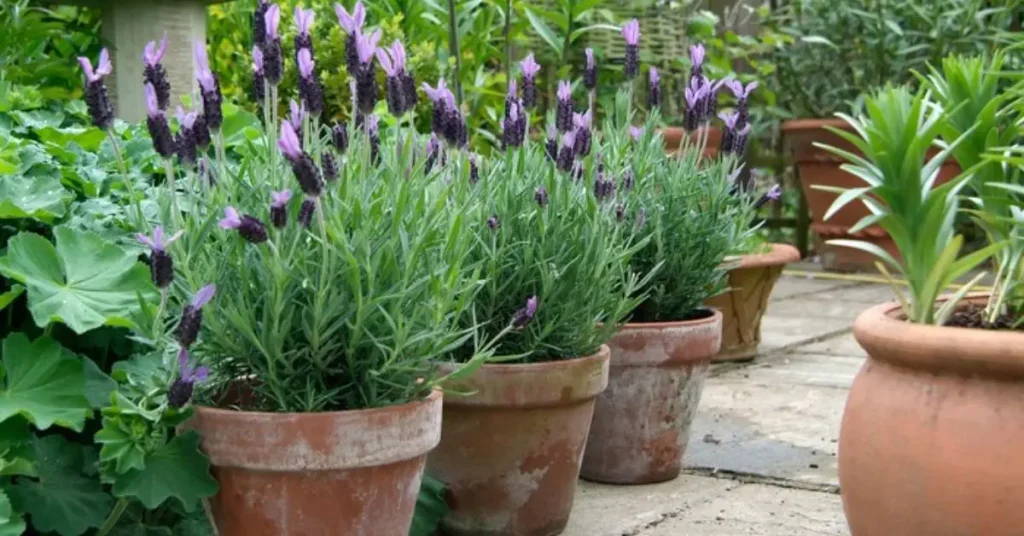
I’ve grown lavender for years, and I’ll be honest—my first few plants in pots didn’t make it. I watered like a houseplant, used soft, moisture-holding compost, and wondered why the leaves yellowed and the roots rotted. If you’ve been there, you’re not alone.
The good news? Growing lavender in pots is simple once you get three things right: a gritty soil mix, a pot that breathes and drains fast, and steady sun. When I switched to a wider terracotta pot with large drainage holes and a sandy mix, the plant stopped sulking and started blooming.
Most guides say “full sun and well-drained soil.” Helpful, but not enough. Here, I’ll give you exact pot sizes, a no-guess soil recipe, and a clear watering rhythm you can follow without a moisture meter. We’ll cover indoor vs outdoor setups, wind on balconies, heat on patios, and the winter moves that keep roots safe.
I’ll also show you when to prune so it stays bushy instead of woody, plus quick fixes for yellow leaves, leggy growth, and pest flare-ups. My goal: a step-by-step you can trust on day one.
Before we dive in—what’s your setup right now: balcony, windowsill, or patio?
Why Grow Lavender in Pots?
I still remember the first time I moved a lavender plant from the garden into a pot. Suddenly, the fragrance wasn’t tucked away in the corner of the yard—it was right there on my balcony, greeting me every morning. That’s the real charm of growing lavender in containers: you get all the beauty and aroma, exactly where you want it. If you enjoy growing fragrant herbs in containers, you might also love our guide on how to grow lemongrass from seed to harvest—another versatile plant that thrives in pots.
When you grow in pots, you’re also free from the problems of heavy clay or soggy garden beds. Lavender hates “wet feet,” and containers let you control drainage and soil mix far better than the ground ever could.
Here’s why pots make sense:
- Space-saving: Perfect for balconies, patios, or even a sunny windowsill.
- Portable: Shift pots around to chase the sun or bring them indoors in winter.
- Soil control: No more worrying about poor or acidic garden soil.
- Decor value: A line of lavender pots instantly makes any space look (and smell) special.
If you’ve hesitated because your garden soil isn’t great, or you only have a small space, pots turn lavender into a plant you can grow almost anywhere.
Choosing the Right Lavender Variety for Containers

Now, let’s talk varieties—because not every lavender is happy in a pot. I made the mistake once of planting a tall variety in a small ceramic pot, and it never looked balanced or healthy. Some types just don’t suit containers.
For pots, compact and slow-growing varieties are your best bet:
- English Lavender (Lavandula angustifolia): Classic fragrance, neat growth habit.
- ‘Hidcote’: Deep purple blooms, naturally compact.
- ‘Munstead’: Hardy, smaller, and beginner-friendly.
On the other hand, avoid varieties that spread aggressively or shoot up tall—they’ll outgrow your pot too quickly and struggle in limited soil.
A helpful guide from the Royal Horticultural Society notes that English lavender is among the most reliable for containers.
So, when you’re picking, think not just about the colour or scent but about how that plant will live in a pot for years. You want a variety that stays neat, blooms generously, and doesn’t bully the space it’s given.
Best Pot Size and Material for Lavender
One of the first mistakes I made with lavender was choosing a shallow, pretty-looking pot. It looked nice for a while, but the roots had nowhere to spread, and the plant struggled. Lavender may look delicate, but it needs room below the surface.
- Size matters: Aim for pots at least 12–16 inches deep and wide. This gives the roots enough space to anchor and prevents the soil from drying out too fast.
- Material choice:
- Terracotta: My go-to. It breathes, drains well, and keeps roots healthy, though it dries out faster in hot weather.
- Plastic: Retains more moisture, lighter to move, but not as breathable.
- Ceramic (glazed): Stylish, but you’ll need to double-check drainage holes. Without them, root rot comes fast.
- One plant or more? In most cases, one lavender per pot is best. If you want to plant multiples, leave at least 12 inches between each to stop overcrowding.
Think of the pot as the home for your lavender—strong foundation, enough space, and proper airflow make all the difference.
The Perfect Soil Mix for Potted Lavender
Here’s where I see a lot of advice fall short. People say, “just use well-drained soil.” But what does that actually mean when you’re standing in front of bags at the garden center?
My tried-and-tested recipe:
- 2 parts sandy soil or gritty compost (for drainage)
- 1 part perlite or coarse sand (for airflow)
- 1 part compost (for nutrients, but not too rich)
Lavender loves slightly alkaline conditions. If your soil tends toward acidic, add a small handful of lime or even crushed eggshells—they release calcium slowly and keep the pH balanced.
This mix dries out enough between waterings, keeps roots from suffocating, and still provides the nutrients lavender needs to bloom.
Sunlight and Placement — Indoor vs Outdoor Pots

Lavender is a sun worshipper. No matter how carefully you pot or prune, if it doesn’t get light, it won’t thrive.
- Outdoors: Choose the sunniest spot you have—balconies, patios, or garden corners with at least 6–8 hours of direct sun.
- Indoors: Place pots by a south-facing window if possible. If your space doesn’t get enough light, a small LED grow light can save the plant during darker months.
- Balcony tips: Make sure pots aren’t shielded by railings or walls that block the sun.
According to Better Homes & Gardens, light exposure is the single biggest factor in whether your lavender blooms well or sulks.
So, whether inside or out, think “sun first, everything else second.” Lavender in shade is like coffee without caffeine—it just doesn’t deliver.
Watering Lavender in Pots — How Much and How Often
I’ve lost count of how many times new gardeners tell me their lavender just “gave up” after a few weeks. Nine out of ten times, the culprit is water. Lavender isn’t like basil or mint—it wants a dry spell between drinks.
The golden rule is simple: soak and dry. Water thoroughly so the roots get a deep drink, then step back and let the soil dry before you water again.
- In summer: Check soil every few days. If the top couple of inches feel dry, give it a soak. Hot patios and balconies may need water twice a week.
- In winter: Cut watering to a minimum. Sometimes pots don’t need more than one deep drink every two to three weeks indoors.
Overwatering red flags:
- Yellowing leaves that lose their fragrance
- A heavy, soggy potting mix
- Limp stems that refuse to perk up
Trust me—if you’re unsure, skip the water. Lavender forgives a bit of drought but rarely survives soggy soil.
Fertilising and Seasonal Care for Healthy Blooms
Here’s where you can set your lavender apart from the rest. While most plants thrive on rich feeding, lavender likes restraint.
- Fertiliser: Stick with a low-nitrogen, higher-phosphorus mix—this keeps growth tight and flowers abundant.
- Pruning in summer: After the first wave of blooms, trim lightly. This encourages a second flush and prevents woody stems. Just like lavender, basil rewards you when pruned at the right time—check our tips on how to harvest basil for a thriving herb garden to see how smart cutting keeps herbs healthy and productive.
- Winter care: In cold regions, shift pots to a sheltered spot or indoors. Add a thin layer of mulch on top, but keep it away from the crown to avoid rot.
The idea is to mimic lavender’s Mediterranean roots: lean soil, sun, and just enough attention to keep it blooming year after year.
Common Problems in Potted Lavender (and Fixes)
Even with the best care, lavender will tell you when something’s off. The good news—you can usually fix it quickly.
- Root rot: Too much water or poor drainage. Repot into a grittier mix and trim any mushy roots.
- Pests: Aphids and spider mites can pop up, especially indoors. A gentle wash or neem oil spray works well. For a deeper dive into natural pest control, see our step-by-step on getting rid of aphids on houseplants without chemicals—a method you can also apply if lavender faces infestations.
- Leggy growth: Classic sign of low sunlight. Move your pot to a brighter spot or add a grow light.
- Woody stems: Natural with age, but you can slow it down by pruning lightly each year.
According to Healthline, lavender not only beautifies your space but also carries calming and health benefits—from easing anxiety to improving sleep. That’s all the more reason to keep your plant thriving instead of letting it struggle.
Mistakes to Avoid When Growing Lavender in Pots

Even when you’ve got the basics down, a few common missteps can undo all your effort. I’ve made these mistakes myself, so let me save you the trouble:
- Overcrowding pots: Lavender likes its personal space. Cramming too many plants together means poor airflow and higher risk of root rot. Stick to one plant per pot, or give at least a foot of breathing room.
- Using moisture-retaining soil: Peat-heavy or “moisture lock” mixes are a death sentence for lavender. Always go for gritty, free-draining soil instead.
- Cutting into woody stems too deep: A hard cut into the old wood can shock or even kill the plant. Keep pruning light and regular, trimming above the green growth each year.
A little discipline here will reward you with years of blooms and fragrance.
Step-by-Step Lavender Pot Care Checklist
If you want the short version you can pin to your fridge, here it is:
- Choose the right pot (12–16 inches, with drainage).
- Prep the soil (gritty, alkaline mix with perlite).
- Place in full sun (6–8 hours minimum).
- Water smartly (soak and dry method).
- Prune lightly (after blooming, avoid woody stems).
- Protect in winter (bring pots in or mulch the surface).
Follow this flow, and you’ll have lavender that thrives instead of struggles.
Bring Lavender’s Charm to Your Home
Lavender in pots isn’t fussy once you understand its rhythm. With the right pot, the right soil, and just a little seasonal care, you’ll have a plant that delivers fragrance, beauty, and even a calm mind for years. Plus, the bees and butterflies will thank you too.
So, are you ready to set up your own lavender pot and see it bloom? Drop a comment below—I’d love to hear how you’re planning to grow yours.
And if you want more practical guides like this, visit Plant Care Dairy for tips that make gardening simple, doable, and rewarding.
Disclaimer: This guide is for general gardening purposes only. Growing conditions vary by climate, soil type, and care routine, so results may differ. Always adapt these tips to your local environment and consult trusted horticultural resources when needed.