
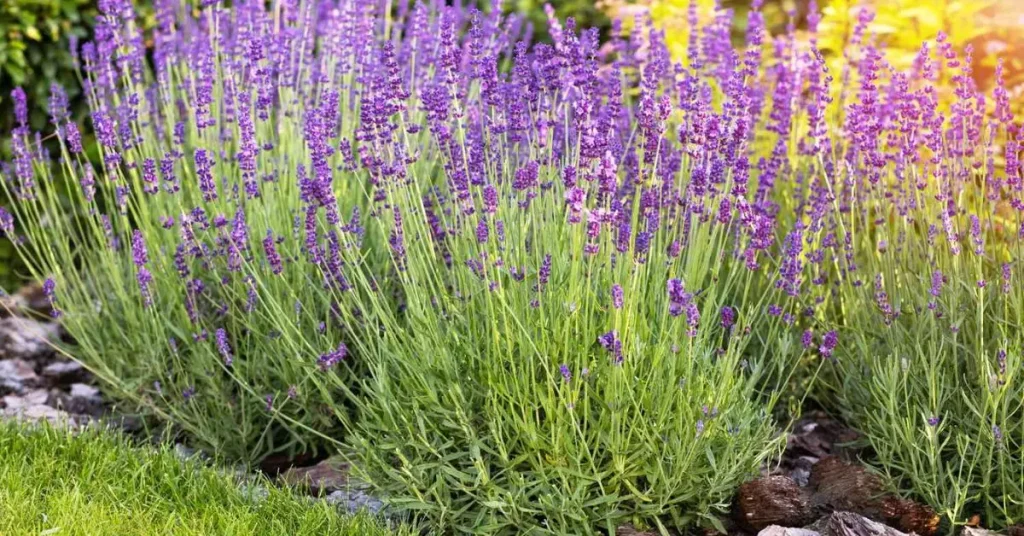
I’ll be honest with you—when I first tried to grow lavender in a corner of my garden that barely saw the sun, I thought I could cheat nature. The plants looked fine for a few weeks, but soon the leaves yellowed, the soil stayed damp no matter how little I watered, and the blooms I was waiting for never came. If you’ve had the same experience, you know how frustrating it feels to see a plant that’s supposed to thrive turn into a weak, lifeless patch.
Here’s the truth: lavender is built for hot, bright, open spaces. But that doesn’t mean you have to give up if your garden, balcony, or yard doesn’t get all-day sun. With the right choices—whether it’s picking the right variety, adjusting the soil, or even using tricks to reflect light—you can still enjoy lavender in shadier spots.
What I want to share with you isn’t the usual “full sun, well-drained soil” advice you see repeated everywhere. Instead, I’ll walk you through what actually works when you don’t have perfect conditions. Think of it as a realistic playbook: practical, tested, and honest about what lavender can and can’t do in shade.
Before we dive in, I’d love to hear—have you ever tried growing lavender in a shady corner? Did it surprise you or disappoint you?
Why Shade is a Challenge for Lavender?
Lavender comes from the Mediterranean, where the summers are long, hot, and bright. Out there, the plant basks in open fields with well-draining, rocky soil and almost no shelter from the sun. When you try to grow it in shade, you’re asking it to live in conditions completely opposite to what it’s built for.
Here’s what usually happens in low light:
- Growth slows down and stems stretch out thin and weak.
- The plant produces fewer flowers, and the fragrance is far less intense.
- Soil in shady areas holds moisture longer, which can lead to yellowing leaves and root rot.
If you’ve noticed your lavender looking dull, floppy, or just refusing to bloom, shade is often the main culprit. Understanding this gap between its natural habitat and your garden is the first step toward making smart adjustments.
Can Lavender Survive in Shade? (The Reality Check)
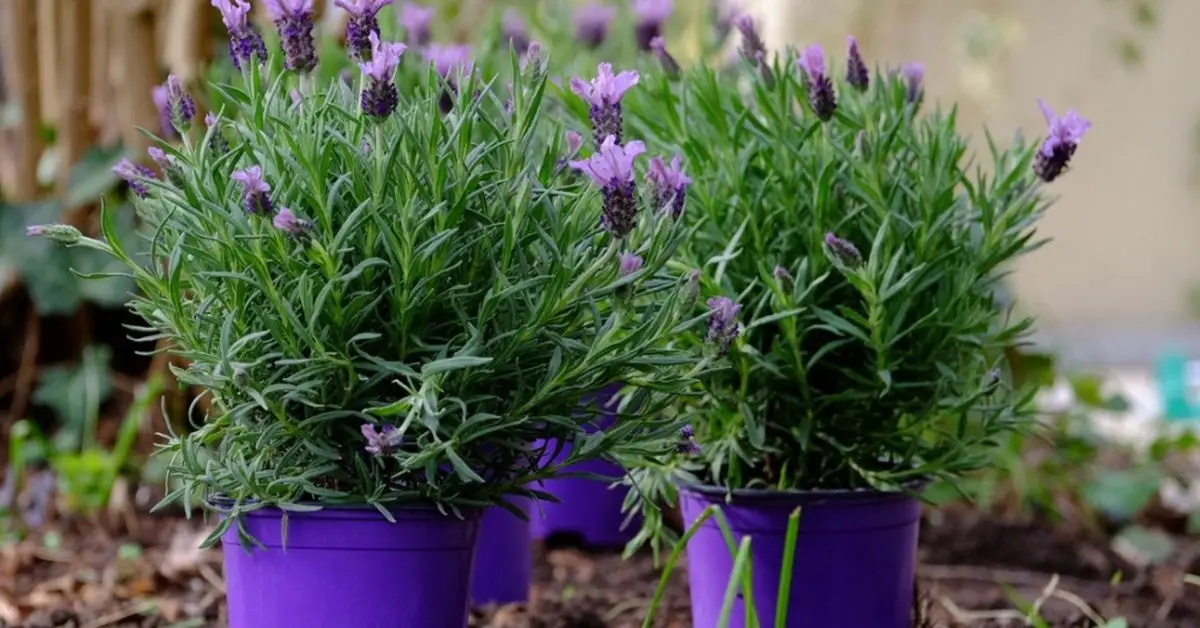
The short answer: yes, lavender can survive in partial shade, but it will not thrive in full shade. The difference between the two matters more than most people realise.
- Partial shade (3–5 hours of direct sun): The plant may live, but blooms will be fewer.
- Dappled light (sun filtering through trees): Better than deep shade, but still limited.
- Full shade (<2 hours of sun): Lavender will struggle, often looking leggy or dying back.
Think of a north-facing garden, a balcony shadowed by another building, or a bed under a large tree. These all count as shade, but the results vary depending on how many hours of sunlight your lavender actually receives. According to the RHS growing guide, lavender really needs full sun to perform at its best, which makes managing shade conditions a balancing act rather than a guarantee.
Choosing the Right Lavender Varieties for Shade
Not all lavender types are equal when it comes to coping with lower light. Some are naturally a bit tougher than others.
- English lavender (Lavandula angustifolia): The most reliable choice in partial shade. Compact, hardy, and fragrant.
- ‘Hidcote’ and ‘Munstead’ varieties: Well-known for being slightly more tolerant if your garden doesn’t get all-day sun.
- French and Spanish lavenders: Beautiful, but they demand heat and strong sun. They usually sulk in shady spots.
If you only have a few hours of direct light each day, English lavender is your best bet. Choosing the right variety from the start saves you the heartbreak of planting something that simply won’t adapt.
Shade-Friendly Planting Locations
If your garden doesn’t get full sun all day, you still have options. Lavender doesn’t need constant heat—it just needs clever placement to make the most of the light it does get.
Here are the best spots to try:
- North or east-facing gardens: These areas catch gentle morning sun, which is easier on the plant than the scorching afternoon heat.
- Balcony edges or railings: Even if your balcony is shaded, the edges usually get a few hours of direct or reflected light.
- Near reflective surfaces: Walls, light-coloured fences, or even stone paths can bounce extra sunlight onto your lavender.
A simple garden hack I’ve seen work wonders is hanging mirrors or painting walls in lighter shades to reflect light. It may sound unusual, but it can increase brightness enough to help lavender cope in less-than-ideal spots.
Soil and Drainage Secrets for Shaded Lavender
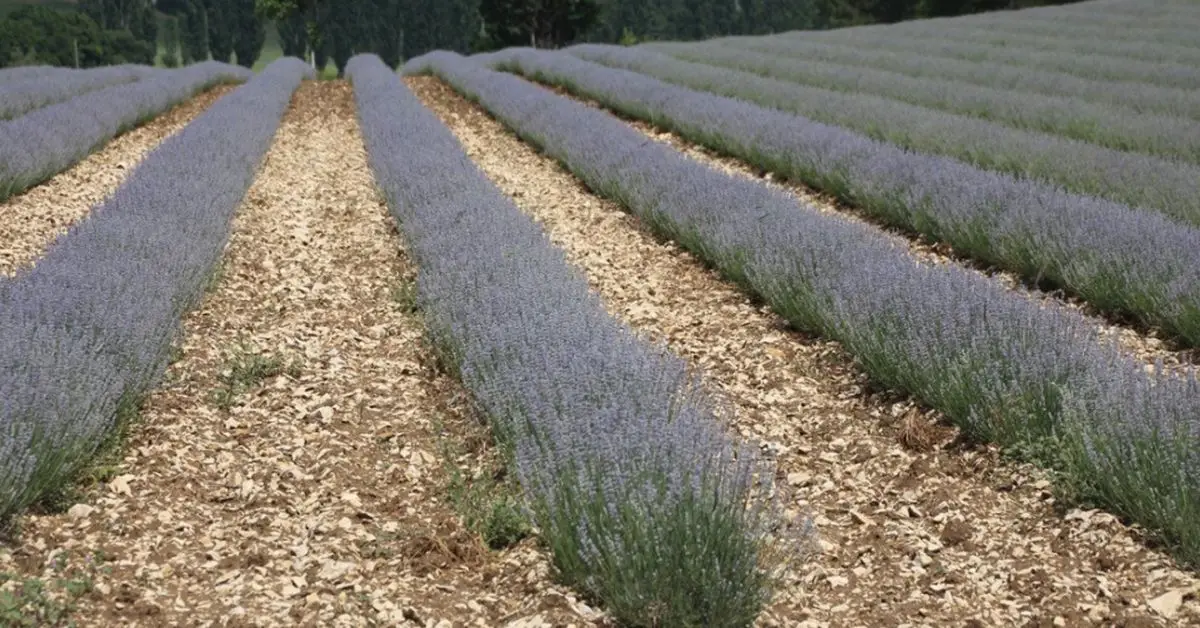
Shade creates one hidden problem most people overlook—moisture lingers longer. Since less sun means slower evaporation, lavender roots often sit in damp soil, which is the fastest way to kill them.
That’s why drainage becomes your biggest ally:
- Use a sandy, gritty soil mix to keep water moving through quickly.
- Add gravel at the base of pots or raised beds to prevent waterlogging.
- Raised beds and terracotta pots almost always outperform ground planting in shaded areas.
Just like lavender suffers if roots sit in damp soil, other plants too can face stress when exposed to harsh sunlight. Here’s a quick guide on how to save your plants from sunburn with easy fixes that every gardener should know.
As explained by Better Homes & Gardens, even potted lavender benefits from this kind of gritty mix, since it mimics the rocky soils of its native Mediterranean environment.
Watering & Fertilising Adjustments in Shade
One of the biggest mistakes I see is treating shaded lavender like a sun-grown plant. Shade changes everything about watering and feeding.
- Water less often: Since the soil stays wet longer, check moisture before watering. Stick a finger in—if it’s damp an inch down, wait.
- Watch for warning signs: Yellowing leaves or drooping stems often mean too much water, not too little.
- Go easy on fertiliser: Extra nutrients in shade often make stems grow leggy and weak instead of encouraging blooms.
Think of it this way: in shade, your job is to hold back rather than push forward. Lavender thrives on a little neglect, especially when light is already limited. Timing also matters—watering shaded lavender is different from full-sun plants, and understanding the best routine helps. You can check this guide on whether day or night is the best time to water your plants to fine-tune your schedule.
Boosting Flowering in Shady Conditions
If you’re working with limited sunlight, you’ll need to be proactive to coax out those lavender blooms. Here’s what has worked for me and many gardeners I’ve spoken with:
- Prune regularly: Cutting back the stems after flowering encourages new shoots and keeps the plant compact. In shade, this helps it channel energy into fresh growth instead of stretching weakly toward the light.
- Mulch with gravel: A layer of light-coloured gravel around the base does two things—reflects light back onto the plant and keeps the soil drier, which lavender loves.
- Companion planting: Growing lavender alongside other sun-loving herbs like thyme or oregano can create a more balanced microclimate. Their presence can draw extra sun and airflow, making conditions just a bit better for lavender.
Small tweaks like these won’t completely replace sunlight, but they give your plant every chance to flower, even in a less-than-ideal spot.
Alternative Ideas If Your Garden is Too Shady
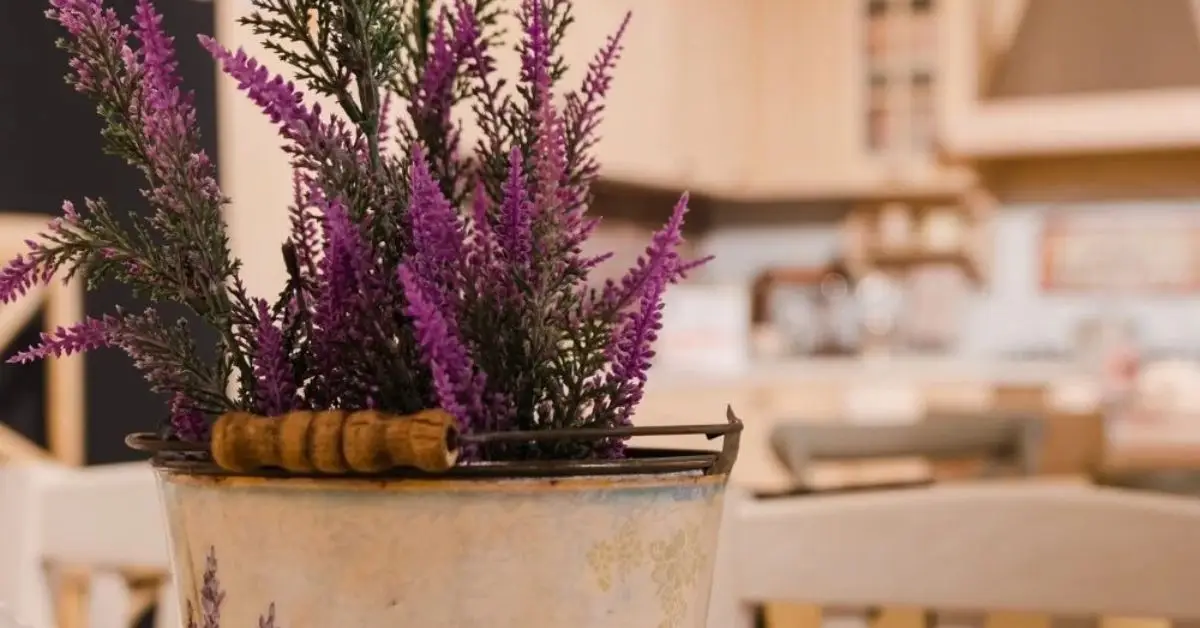
Sometimes, no matter how hard you try, the spot is simply too dark for lavender to thrive. That doesn’t mean you have to give up entirely—here are your options:
- Grow indoors with lights: A simple grow light setup can mimic Mediterranean sun. Even a few hours under a full-spectrum bulb makes a big difference.
- Reflective tricks for balconies: Place shiny or white surfaces around your pots—panels, mirrors, or even a pale wall—to bounce light onto the plant.
- Pick other fragrant alternatives: If conditions are truly unsuitable, you might be better off with shade-tolerant plants like rosemary, mint, or camellias. They offer greenery and fragrance without the constant struggle.
As Homes & Gardens notes, lavender simply isn’t designed for deep shade. Knowing when to pivot to another plant keeps your garden thriving instead of fighting a losing battle. Shade doesn’t just affect lavender—moist corners and hidden pots can even attract pests. If you’re battling this, here’s how you can prevent ants from nesting in your plant pots using eco-friendly tips.
Key Takeaways for Growing Lavender in Shade
Before you head back to your garden, let’s quickly recap the essentials you need to remember:
- Survival vs. thriving: Lavender can survive in partial shade but rarely thrives in full shade.
- Variety matters: Stick with shade-tolerant options like English lavender (‘Hidcote’ or ‘Munstead’).
- Soil & drainage: Use a sandy, gritty mix and pots or raised beds to prevent waterlogging.
- Watering tweaks: Shade means less evaporation—water sparingly and watch for signs of overwatering.
- Flowering hacks: Regular pruning, gravel mulch, and companion planting all help encourage blooms.
Shade-grown lavender may never be as full or fragrant as those basking in all-day sun, but with the right hacks, it can still survive and look beautiful in your garden.
Have you tried growing lavender in a shady corner? Did it surprise you, or was it a struggle? Share your experiences in the comments below—I’d love to hear how it went for you.
For more practical plant guides, seasonal tips, and hands-on advice, visit Plant Care Dairy and explore resources made to help your garden thrive.
Disclaimer: The advice shared here is based on general gardening knowledge and personal experience. Growing results can vary depending on your local climate, soil type, and garden conditions. Always test methods on a small scale before applying widely in your garden.