
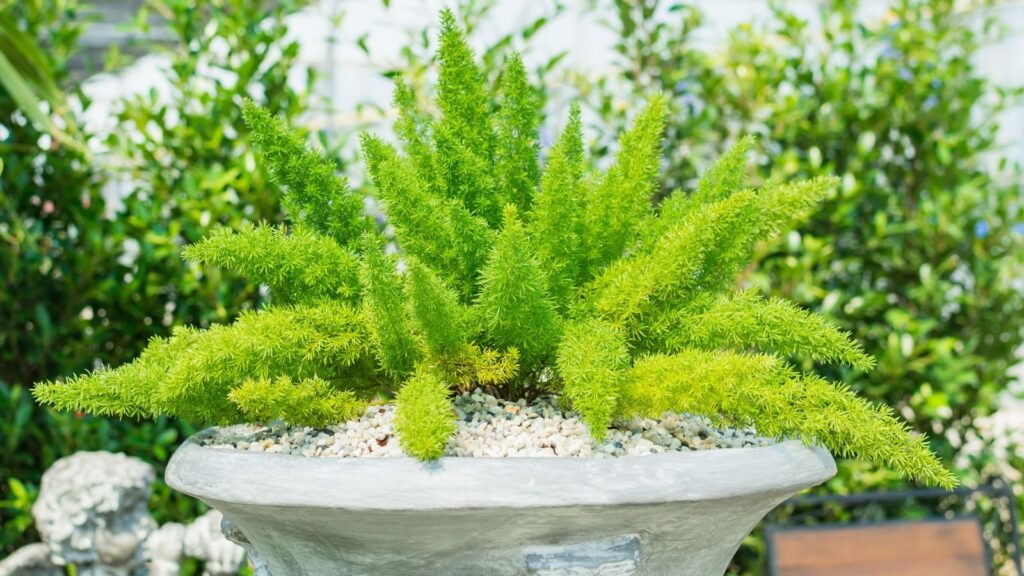
If you’ve ever stared at a lush, fuzzy foxtail fern in a pot and thought, “Why doesn’t mine look like that?” you’re not alone. I’ve been there too, watching sad, yellowing fronds and wondering what went wrong.
In this guide, I’ll walk you through exactly how to grow foxtail fern in containers so it stays full, bright green, and happy year after year. You’ll learn how to choose the right plant, pot, soil, light, and seasonal care, plus how to repot and divide it when it gets big.
My goal is to cut through the confusion and give you clear, actionable steps you can follow today—whether your foxtail fern lives on a sunny patio, a bright windowsill, or moves indoors and out with the seasons.
Understanding Foxtail Ferns (And Why Containers Work So Well)

What Makes Foxtail Ferns Different From True Ferns
The first thing I like to clarify is that foxtail fern is not a true fern. It’s actually a species of Asparagus densiflorus, a cousin of the edible asparagus you might grow in the vegetable garden.
Its long, wiry stems are covered in soft, feathery needles that look like fern fronds, which is where the nickname comes from. The foliage grows upright in dense, plush “tails” that really do resemble the tail of a fox. For a comprehensive overview of foxtail fern care, including light, water, and soil preferences, you can check out this detailed guide from The Spruce.
- Botanical name: Asparagus densiflorus (usually cultivar ‘Myersii’)
- Common names: Foxtail fern, Myers asparagus fern, Myersii asparagus
- Growth habit: Clumping, upright, with arching, tail-like stems
- Foliage: Evergreen, bright green, soft but visually “spiky”
When I first brought one home, I treated it like a delicate woodland fern and overwatered it. Once I realized it behaves more like a drought-tolerant asparagus relative, my plant suddenly became much easier to care for.
Why Containers Are a Smart Choice
Foxtail ferns are often used in landscaping in frost-free climates, where they can form dense clumps about three feet tall and wide. In some areas, they can even become a bit too enthusiastic and try to take over.
That’s why I love growing mine in containers. It gives me control over their size, spread, and environment.
- Easy to move: You can bring the pot indoors when winter temperatures drop.
- Controls spreading: Invasiveness is less of a concern because the roots are contained.
- Better soil control: You choose a well-drained, nutrient-rich mix instead of fighting bad native soil.
- Flexible styling: Foxtail ferns look stunning in patio groupings, on porches, or in bright rooms indoors.
If you’re in a colder climate, containers are the easiest way to enjoy this plant without worrying that winter will wipe it out.
‘Myersii’ and Other Ferny Asparagus You Can Grow
Most foxtail ferns you see sold in nurseries are Asparagus densiflorus ‘Myersii’. You might also see the name spelled ‘Myers,’ ‘Meyeri,’ or ‘Meyersii’—they’re all referring to the same plant. If you’re ready to bring one home, you can find live foxtail ferns with pots available for purchase from Green Paradise Live, perfect for indoor or outdoor growing.
If you fall in love with that ferny, foxtail look (I definitely did), you can also explore other asparagus ferns with ornamental foliage.
- ‘Sprengeri’ asparagus fern: More trailing and airy, great for hanging baskets.
- ‘Cwebe’ asparagus fern: A less common variety with interesting texture.
- Climbing asparagus fern (A. setaceus): Fine, lacey foliage that can climb or trail.
- Shatavari (A. racemosus): A medicinal species with delicate, feathery stems.
Start with ‘Myersii’ in a container, then branch out once you’re comfortable with its needs.
Step-By-Step: Planting Your Foxtail Fern in a Pot
Step 1: Find a Healthy Foxtail Fern
Before you do anything else, you’ll need to pick out a good-quality plant. I always take a few extra minutes at the nursery to choose the happiest-looking specimen. If you want more tips on selecting and maintaining a healthy foxtail fern, Gardening Know How provides a helpful guide that covers common issues and ideal conditions.
- Look for: Full, dense “tails,” bright green color, and no large brown patches.
- Avoid plants with: Mushy roots, very dry and shriveled foliage, or heavy pest damage.
- Size tips: Choose a smaller plant for tight indoor spaces and a larger, fuller one for outdoor containers.
Foxtail ferns are commonly available in both small and large pots, especially in regions with mild winters where they’re popular landscaping plants.
Step 2: Choose the Right Pot and Saucer

Foxtail ferns prefer to dry out a bit between waterings, so your container choice matters. I’ve had the best success with pots that drain quickly and don’t hold excess water around the roots.
- Pot material: Terra cotta is excellent because it’s porous and free-draining, but ceramic, plastic, or metal pots can work well too.
- Drainage holes: Non-negotiable. Make sure there is at least one generous hole at the bottom.
- Saucer or tray: Always place a saucer underneath indoor pots to catch runoff and protect floors or furniture.
If you don’t have a pretty saucer, I’ve found that an old plastic container or lid does the job just fine. The plant doesn’t mind at all.
Step 3: Use the Best Soil Mix for Foxtail Ferns
Once you have your pot, it’s time to think about what goes inside it. Foxtail ferns thrive in nutrient-rich but well-drained soil.
- Start with: A high-quality potting mix (not heavy garden soil).
- Improve drainage with: Perlite, pumice, coarse sand, or fine bark chips.
- Boost nutrients: Mix in a balanced organic fertilizer (equal or near-equal N-P-K) if the base mix is low in nutrients.
The goal is a mix that feels light and fluffy in your hands, not heavy and sticky. When I squeeze a handful, I want it to hold shape slightly but fall apart easily. For general tips on potting, soil preparation, and fertilization that also apply to foxtail ferns, see our guide on How to Plant and Care for Hydrangeas.
Step 4: Transplant Without Stress
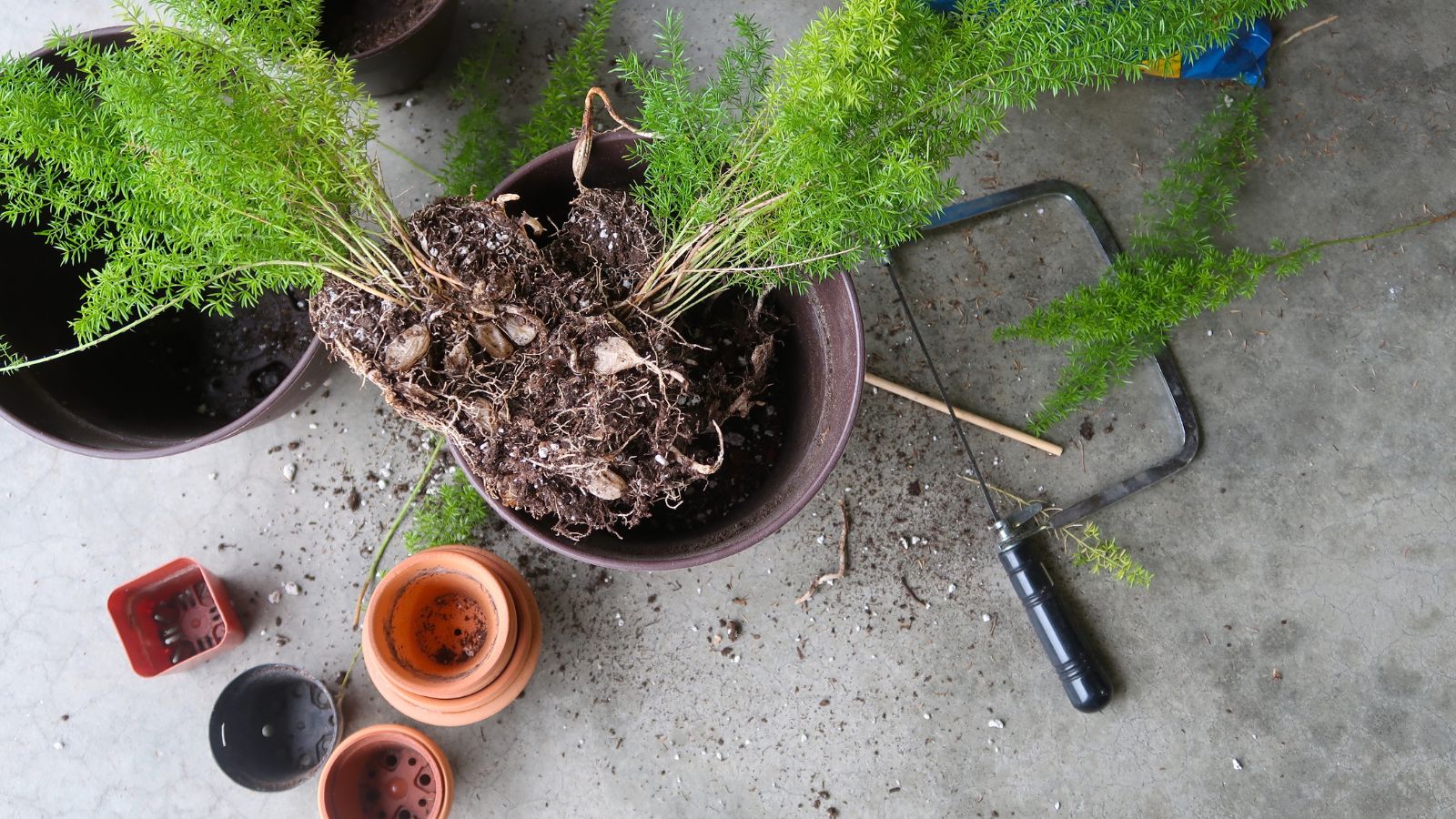
You can safely transplant foxtail ferns during the active growing season. In frost-free climates, that’s most of the year. In colder areas, I prefer to transplant in spring or summer so the plant can recover quickly.
- Prep the new pot: Fill it about halfway with your soil mix and create a hole for the root ball.
- Remove the plant: Gently slide the fern out of its old container; tap the sides if it’s stuck.
- Set the height: Position the plant so the top of the root ball sits about an inch below the rim of the new pot.
- Backfill and water: Fill in around the roots with soil, then water thoroughly to settle everything in.
If the soil sinks after watering and exposes the roots, simply add a bit more mix on top and water again. I like to keep the plant in bright, indirect light for a few days after transplanting to help it adjust.
Step 5: Light Foxtail Ferns Really Need
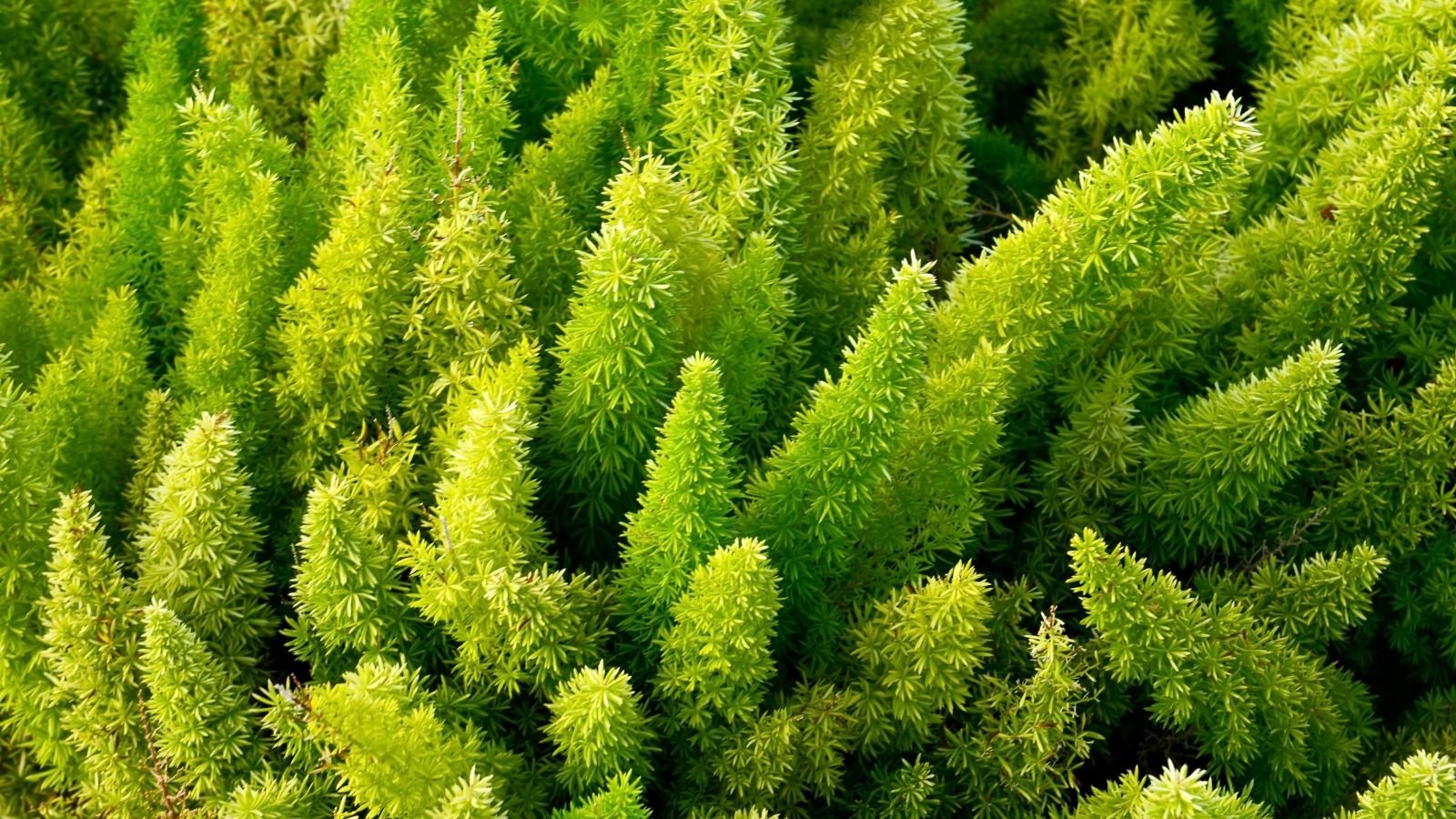
Light is where many people either make this plant thrive or accidentally stress it. I’ve learned that foxtail ferns love bright light, but harsh, hot afternoon sun can be too intense in warm climates.
- Indoors: Place your plant near a bright window with plenty of indirect light. East- or west-facing windows work well.
- Grow lights: In darker rooms or during winter, supplement with LED grow lights for 10–14 hours a day.
- Outdoors: Aim for full sun to partial shade, with protection from scorching afternoon sun in hot regions.
If you see pale, scorched, or crispy needles, your plant may be getting too much direct, hot sun. On the other hand, very sparse, stretched-out growth suggests it needs more light.
Step 6: Watering Schedule That Actually Works

Watering is where many of us overdo it at first. I certainly did. Foxtail ferns like moisture, but they don’t want their roots sitting in soggy soil.
- Let the top soil dry: Allow the top inch or two of soil to dry out before watering again.
- Use the finger test: Stick a finger into the soil—if it feels dry at your fingertip, it’s time to water.
- Water deeply: Water until it runs out the drainage holes, then empty the saucer so the plant isn’t standing in water.
- Adjust seasonally: Water more often in warm, bright months and less in cool, low-light winter conditions.
I’ve found that a slightly underwatered foxtail fern bounces back faster than an overwatered one. When in doubt, wait a day and check again.
Step 7: Boosting Humidity and Airflow
Foxtail ferns appreciate moderate humidity and gentle airflow. They’re more forgiving than many tropical houseplants, but super dry, heated indoor air can still stress them.
- Avoid dry spots: Keep plants away from heaters, radiators, and blasting A/C vents.
- Add humidity: Use a small humidifier nearby, group plants together, or place the pot on a pebble tray with water (without letting the pot sit in water).
- Encourage airflow: A ceiling fan on low or a distant oscillating fan helps prevent stagnant air without chilling the plant.
When the air is right, the foliage tends to stay greener and plumper, and you’ll see new “tails” emerging regularly.
Seasonal Care: Winter Protection and Spring Move-Out
Understanding Hardiness Zones and Cold Tolerance
Foxtail ferns are surprisingly tough, but cold is their main weakness. Knowing your USDA hardiness zone helps you decide whether your plant can stay outside year-round.
- Zones 9–11: Plants can usually overwinter outdoors, especially in sheltered spots.
- Zone 8 and colder: Treat foxtail ferns as container plants and bring them indoors for winter.
- Frond damage: When temperatures dip to about 20–25°F (-7 to -4°C), foliage may die back to the roots.
The good news is that if the roots survive, new growth will emerge in spring. Still, I prefer to protect mine before it ever gets that cold.
How To Overwinter Foxtail Fern Indoors
When chilly nights arrive, I treat my foxtail fern like a seasonal houseguest. Moving it indoors at the right time keeps it evergreen and attractive.
- Move before a hard freeze: Bring containers inside when nighttime temperatures start approaching freezing.
- Provide bright light: Place the plant near a sunny window or under LED grow lights.
- Reduce watering: Growth slows in winter, so let the soil dry a bit more between waterings. For a more detailed guide on protecting foxtail ferns during cold months, check out our post on Worried Your Foxtail Fern Won’t Survive Winter.
- Watch for stress: Expect a short adjustment period while the plant adapts to indoor conditions.
In borderline zone 9 areas, you can also protect outdoor potted plants with frost cloth on unusually cold nights. Cover them completely, then remove the cloth in the morning once temperatures rise.
Moving Foxtail Ferns Outdoors in Spring
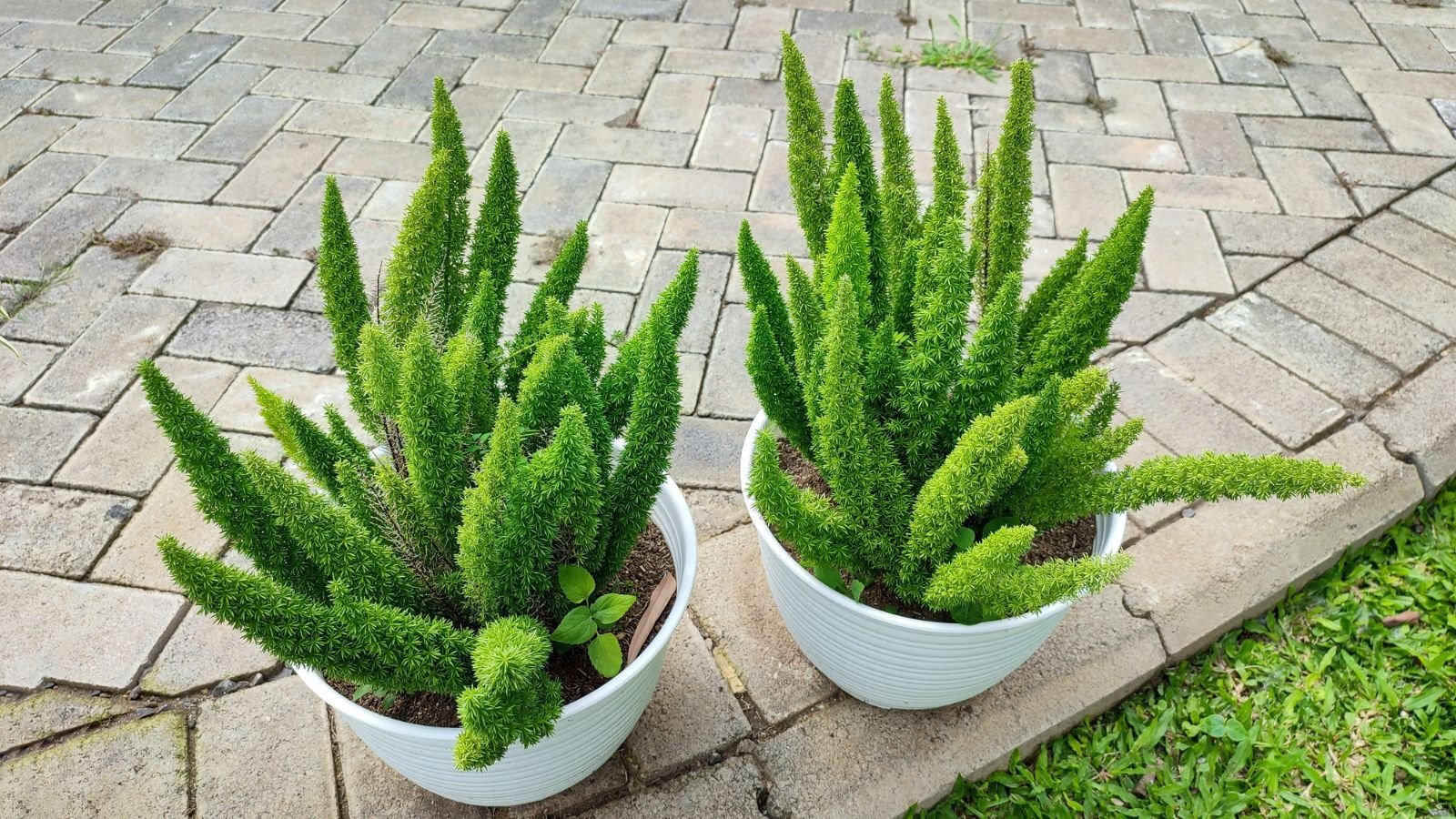
As the days lengthen and warm up, you can decide whether to keep your fern indoors or move it back outside. There’s no wrong answer, but outdoor light and fresh air usually give a big boost.
- Wait for frost to pass: Move plants outdoors about 1–2 weeks after your average last frost date.
- Harden off gradually: Start with a few hours outdoors each day, then bring the plant back in at night.
- Increase exposure: Extend outdoor time daily until the plant stays outside full-time.
Once the fern lives outside again, I like to rinse the foliage with a gentle hose spray to remove winter dust. This also gives me a chance to spot any dead or weak stems to prune out.
Occasionally, foxtail ferns develop small green berries that ripen to red. In some states, this plant can spread where it’s not wanted, so I remove the berries before they fall to the ground.
Repotting, Dividing, and Long-Term Fern Health
When and How To Repot a Rootbound Foxtail Fern
Foxtail ferns have vigorous, powerful root systems. If you ignore them for too long, they can expand so much that they start to distort or even crack their pots.
- Check the roots: If roots are circling tightly, poking out of the drainage holes, or pushing the plant upward, it’s time to repot.
- Best timing: Spring is ideal, but any warm, active growth period works.
- Pot size: Move up 1–2 pot sizes to give roots room without overwhelming them.
Don’t be afraid to be a bit firm during repotting. The roots are tough and bounce back quickly.
Dividing Foxtail Ferns for More Plants

Over time, your plant will form a dense clump that’s perfect for division and propagation. I love this step because it feels like you’re getting free plants for very little effort. If you enjoy growing foxtail ferns, you might also like our tips on rejuvenating Rabbits Foot Ferns to keep them lush and full.
- Lift the plant: Remove the entire root ball from the pot.
- Slice the clump: Use a sharp, clean knife or saw to cut the root mass into two or more sections, each with foliage and healthy roots.
- Replant divisions: Pot each division into its own container with fresh soil.
- Water and wait: Water thoroughly and place in bright, indirect light while new growth establishes.
You can repeat this every few years or whenever the plant becomes overcrowded. It’s a simple way to refresh older specimens and share extras with friends.
How Long Foxtail Ferns Live (and How To Keep Them Happy)
With the right care, foxtail ferns are incredibly long-lived container plants. They’ll often outlast many of your other perennials.
- Decades of life: Healthy plants can live for many years, even decades, in the same garden.
- Regular maintenance: Repot or divide every 2–3 years to prevent root problems.
- Prevent spreading: In mild climates, control berries and avoid dumping soil or root pieces where they could naturalize.
If you consistently provide bright light, good drainage, and seasonal protection, your foxtail fern will reward you with lush, foxtail-like fronds year after year.
Quick Reference, FAQs, and Final Checklist
Key Takeaways at a Glance
Before we wrap up, here are the core lessons I’ve learned from growing foxtail ferns in containers:
- Simple requirements: They need good soil, plenty of light, and infrequent but deep watering.
- Great for frost-free climates: In mild areas, you can keep them outside in pots year-round.
- Cold-climate strategy: In zones 8 and below, overwinter them indoors in bright light.
- Clumping habit: They form dense clumps over time—repot or divide every few years to keep them manageable.
- Lots of ferny relatives: Other Asparagus species offer similar feathery foliage if you want to expand your collection.
Foxtail Fern Care Summary Table
| Care Aspect | What Foxtail Fern Needs | What To Watch For |
|---|---|---|
| Light | Bright indirect light indoors; full sun to partial shade outdoors with afternoon protection in hot climates. | Scorched, pale needles = too much hot sun; leggy, sparse growth = too little light. |
| Water | Let top 1–2 inches of soil dry, then water deeply until it drains out. | Yellowing, mushy stems = overwatering; droopy, browning tips = extended drought. |
| Soil | Well-drained, nutrient-rich potting mix with added perlite or bark for aeration. | Heavy, compact soil stays wet too long and suffocates roots. |
| Temperature | Best in mild conditions; protect below freezing and especially below 20–25°F (-7 to -4°C). | Foliage may die back in hard freezes, but roots can resprout if protected. |
| Humidity & Airflow | Moderate humidity and gentle airflow away from heaters and strong A/C. | Very dry air can cause browning tips and slower growth. |
| Repotting | Every 2–3 years or when roots crowd the pot; divide as needed. | Rootbound plants may distort or crack containers if ignored. |
| Overwintering | Outdoors in zones 9–11; indoors in bright light in zone 8 and colder. | Sudden cold snaps can damage foliage if pots are left outside unprotected. |
Frequently Asked Questions
- What’s the lifespan of a foxtail fern? With proper care, foxtail ferns can live for many decades in containers. They’re true long-term companions if you keep up with basic maintenance.
- Do foxtail ferns like shallow pots? Young plants can cope in shallower containers for a while, but their roots grow quickly. Plan to move them into deeper, larger pots every 2–3 years.
- Do foxtail ferns grow well in containers? Yes—this is actually one of the best ways to grow them. Containers keep them from spreading too much in the garden and make it easy to move them indoors for winter.
Final Checklist and Next Steps
If you’re ready to give your foxtail fern the best possible life, here’s a quick actionable checklist you can follow:
- Pick your plant: Choose a healthy, dense foxtail fern with bright green foliage.
- Choose a pot: Use a container with drainage holes and a saucer; terra cotta is ideal.
- Mix good soil: Combine quality potting mix with drainage-boosting ingredients and a balanced organic fertilizer.
- Transplant carefully: Set the root ball at the right height, backfill, and water deeply.
- Dial in the light: Provide bright indirect indoor light or partial to full sun outdoors.
- Water wisely: Let the top soil dry before watering again—no constantly soggy roots.
- Monitor seasons: Bring plants indoors before hard frosts and gradually reintroduce them to outdoor life in spring.
- Repot and divide: Every 2–3 years, refresh the soil, increase pot size, or divide clumps for new plants.
Growing foxtail fern in containers is all about observing, adjusting, and responding. When you pay attention to light, water, and seasonal changes, you’re practicing the kind of smart, responsive gardening that keeps plants thriving for the long haul.
If you found this helpful and want more practical plant care tips, visit Plant Care Dairy and feel free to share your foxtail fern questions or experiences in the comments—I’d love to hear how your plant is doing.
Disclaimer: This article is for informational purposes only and is based on general horticultural practices and personal experience. Always consider your local climate, specific growing conditions, and consult regional experts or certified professionals if you’re unsure about plant care decisions or potential invasiveness in your area.