

I know the frustration. You’ve carefully chosen your succulents, placed them in the perfect spot, and nurtured them with love. But for some reason, they’re still wilting or worse, dying. If you’re here, you’re probably wondering: Why are my succulents dying? Don’t worry, you’re not alone. Succulents are known for being hardy, low-maintenance plants, but they still need the right conditions to thrive.
In this article, I’ll walk you through the most common mistakes people make when caring for succulents—and more importantly, how to fix them. Whether you’re new to succulents or you’ve been a plant parent for a while, we’re going to tackle the key reasons behind their struggles and provide practical, expert-backed solutions. You’ll walk away with the tools you need to bring your plants back to life and keep them healthy for the long term.
Understanding Succulent Care: The Basics of Plant Health
What Are Succulents and Why Are They Special?
You’ve probably seen them around—those adorable, compact plants with plump, water-filled leaves that come in every color of the rainbow. But what exactly makes succulents so unique? Let’s break it down.
Succulents are a group of plants that store water in their thick, fleshy leaves or stems. This ability allows them to survive in harsh, dry environments where many other plants would perish. Their natural habitats include deserts, arid climates, and rocky hillsides—places where water isn’t always easy to find.
Why are they special? It’s all about adaptability and resilience. Succulents have evolved to thrive in conditions where most other plants would struggle. They can go without water for long periods, and their leaves are designed to minimize water loss by holding onto moisture. This unique structure makes them the perfect choice for people who want low-maintenance plants.
Here’s what makes succulents stand out:
- Water retention: Their fleshy leaves store water, allowing them to survive drought-like conditions.
- Thick, waxy coating: A protective outer layer helps prevent moisture from evaporating.
- Low maintenance: Once established, they require less frequent care compared to other houseplants.
- Variety: Succulents come in many shapes, sizes, and colors—there’s a succulent for every taste!
Succulents are often the go-to choice for beginners because of their reputation for being low-maintenance. But just because they’re tough, doesn’t mean they don’t need the right care. The truth is, succulents are incredibly resilient, but they do have some specific needs that, if not met, can lead to their decline.
Why Succulent Care Is Different from Other Houseplants

If you’re used to taking care of other houseplants, you might be surprised to learn that succulents require a different approach. Many common houseplant care routines simply don’t apply to these water-storing wonders. Here’s why succulent care is a whole different ball game:
- Watering frequency: Unlike most plants that need regular watering, succulents prefer to be left alone for a while. In fact, overwatering is one of the most common mistakes that plant owners make with succulents. It’s better to let the soil dry out completely between waterings.
- Soil drainage: Succulents need soil that drains well to avoid root rot. Regular potting soil retains too much moisture for succulents, which can lead to suffocating roots and a dying plant. A well-draining soil mix, often with added sand or perlite, is essential.
- Lighting needs: Succulents are sun-loving plants. They need plenty of bright, indirect sunlight to thrive. While most houseplants can survive with moderate light, succulents prefer full sunlight or close to it. Too little light will cause them to become leggy and weak, desperately stretching toward the light source.
- Temperature tolerance: Succulents are designed to withstand heat, but they don’t like cold temperatures. Keeping them in a cooler environment or near drafty windows can lead to stress and even death.
Unlike other plants that thrive in consistently moist environments, succulents are adapted to periods of dryness. They don’t need to be pampered with frequent watering and fertilizer. Instead, they thrive on a “less is more” approach. So, when it comes to their care, you’ve got to think differently.
If you’re not sure where to start, this guide from The Spruce provides an excellent breakdown of common succulent care mistakes and how to avoid them.
By understanding what makes succulents different, you’ll be in a better position to troubleshoot their problems. Succulents might be low-maintenance, but they certainly aren’t maintenance-free.
Common Reasons Why Succulents Die
Overwatering: The Silent Killer
Overwatering is, without a doubt, the most common reason succulents die. It may seem counterintuitive—after all, plants need water to survive, right? But succulents are designed to store water in their leaves, which means they don’t need frequent watering like other plants. In fact, too much water can suffocate their roots, causing them to rot and ultimately kill the plant.
Here’s why it happens: Succulent roots need to dry out between waterings. If they sit in soggy soil for too long, they can’t get enough oxygen, leading to root rot. And once that happens, there’s no coming back.
To avoid this, make sure to:
- Check the soil: Always check the top 1-2 inches of the soil before watering. If it’s dry, it’s time to water. If it’s still moist, wait a few more days.
- Proper drainage: Use pots with drainage holes to allow excess water to escape. Without proper drainage, water will sit at the bottom of the pot and drown the roots.
- Watering frequency: Water only when the soil is completely dry. In winter, when succulents are in a dormant state, you may need to water even less often.
The best way to care for succulents is to follow the “drought” method: let the soil dry out between waterings, and resist the urge to water too often.
Overwatering is the most common issue many plant owners face, but understanding how to water air plants properly can help you avoid similar mistakes with your succulents. If you’re looking for detailed tips on air plant care, check out our guide on how to water air plants properly.
Lack of Sunlight: Succulents Need the Right Exposure
Succulents are sun-loving plants. They thrive in bright, indirect sunlight, and without it, they’ll become weak and leggy. Leggy plants are a sign that your succulent is stretching toward the light, trying to get more exposure. This can lead to a spindly appearance, weak stems, and poor overall health.
Here’s the deal: While succulents don’t need full sunlight all day, they do need several hours of indirect light daily. If your succulent is placed in a dim corner, it’s simply not going to thrive. On the other hand, too much direct sunlight can scorch their delicate leaves.
While succulents love sunlight, if you’re looking for other plants that thrive in low-light environments, you might want to consider easy indoor plants for terrariums.
Here’s how to get the lighting just right:
- Ideal placement: Place your succulents near a window with bright, indirect sunlight. A south- or west-facing window is usually the best.
- Rotate your plants: Make sure to rotate your succulents every few weeks to ensure they get even light exposure and don’t start leaning toward one side.
- Artificial light: If you don’t have a sunny spot in your home, consider investing in grow lights to provide the necessary light for your plants.
Succulents are adaptable, but they’re still picky about their light. Getting their light exposure right is key to keeping them happy and healthy.
Poor Soil: The Foundation of Succulent Health
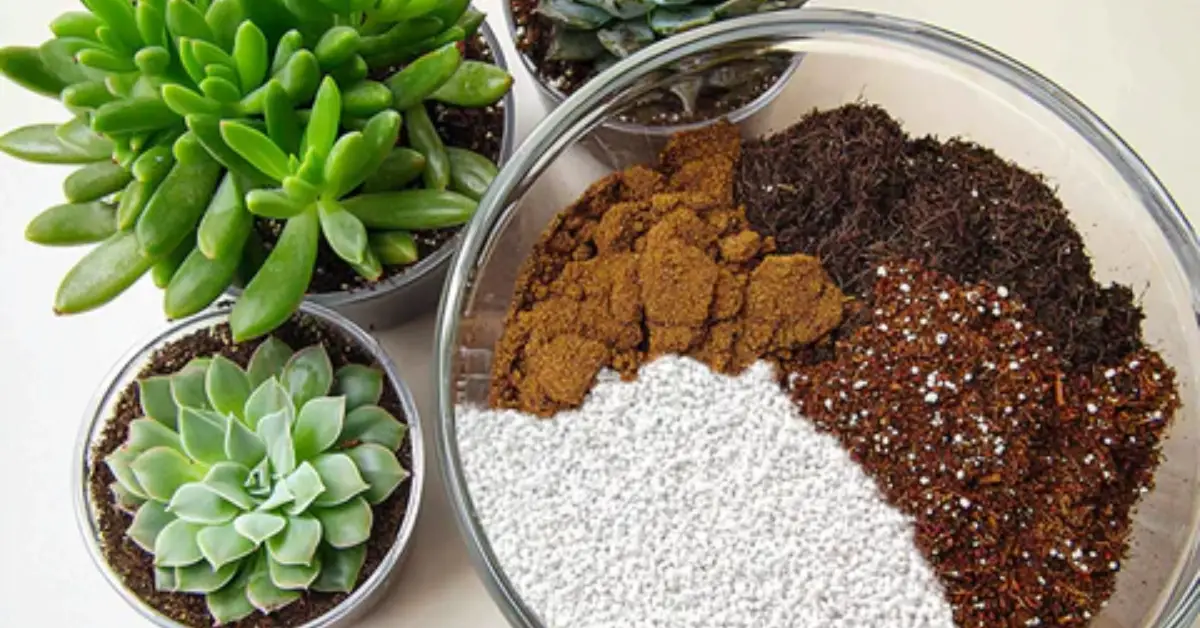
Succulent roots need soil that drains well. If the soil doesn’t drain, water will accumulate at the base of the pot, and before you know it, your succulent’s roots will rot. Regular potting soil, which holds moisture, just isn’t suitable for succulents. Succulents need soil that lets water flow through quickly to keep their roots from staying too wet.
Here’s why it matters: Succulent roots need air as well as water. If the soil is too dense or retains too much moisture, it becomes like a swamp, and the roots drown. To keep your succulent healthy, you need to give it soil that has good drainage.
- Use well-draining soil: A cactus or succulent mix is ideal, as it contains sand, perlite, or pumice to improve drainage.
- Mix your own: If you can’t find a pre-made succulent mix, you can create your own by mixing equal parts sand, perlite, and potting soil.
- Avoid heavy potting soils: Stay away from regular garden soil or heavy, moisture-retentive mixes that can hold too much water for your succulent.
Getting the right soil is one of the easiest ways to prevent root rot and ensure your succulent thrives. If you want to learn more about soil types and how they affect succulent health, check out this helpful guide on Mountain Crest Gardens.
Temperature Stress: Too Hot or Too Cold?
Succulents are tough plants, but they’re not immune to temperature extremes. They can handle heat pretty well, but freezing temperatures are a major threat. If succulents are exposed to cold drafts or frost, it can cause their cells to break down, leading to irreversible damage.
Here’s what you need to know:
- Heat stress: Succulents love warmth, but if temperatures get too high (especially above 95°F or 35°C), their growth can slow down, and they may start to lose their color.
- Cold stress: Succulents can handle a bit of chill, but they start to suffer when temperatures drop below 50°F (10°C). Keep them away from drafty windows and areas with fluctuating temperatures.
To prevent temperature-related stress:
- Ideal temperature range: Succulents do best in temperatures between 60°F and 80°F (15°C to 27°C).
- Avoid drastic temperature changes: Never place your succulent directly in front of an air conditioner or heater. Ensure their temperature remains steady.
By understanding the temperature needs of your succulent and adjusting their environment accordingly, you’ll help them stay healthy year-round.
Each of these factors—overwatering, lack of sunlight, poor soil, and temperature stress—are common pitfalls in succulent care. Addressing these issues early can prevent long-term damage and keep your succulents looking their best.
How to Revive a Dying Succulent: Step-by-Step Guide

Assessing the Damage: Can You Save It?
Before you panic and toss your succulent, it’s important to assess whether the plant is beyond saving or if it’s still salvageable. Here’s how to evaluate the damage:
- Root Rot: Check the roots by gently removing the plant from its pot. If they are mushy, brown, or have a foul smell, that’s a sign of root rot. If the roots are still firm and white, you may have a fighting chance.
- Dried-Out Leaves: If the leaves are shriveled, brittle, or brown, it may be a sign of dehydration or sunburn. Succulents are resilient, and if you catch it early, they can bounce back.
- Leggy Growth: If your succulent is becoming “leggy”—long, spindly stems with few leaves—it could be a sign that it’s not getting enough light. However, leggy growth can often be fixed with proper care.
If the roots are beyond saving, it might be time to consider propagating your succulent from healthy leaves or stems. However, if the roots are still intact, there’s hope! Assessing damage early helps prevent unnecessary panic and lets you focus on what’s fixable.
Correcting Overwatering Issues
Overwatering is the most common culprit when succulents start to decline. If you’ve been overwatering, here’s how to fix it:
- Repot Your Succulent: First, gently remove the plant from its pot. Inspect the roots for rot, and trim away any mushy, brown sections with a sterile pair of scissors or pruning shears. Be sure to leave any healthy, white roots intact.
- Check the Soil: Overwatered soil tends to stay soggy. Replace it with a well-draining cactus or succulent mix to prevent future water retention.
- Allow the Roots to Dry: Before repotting, let the roots sit out and air-dry for a few hours. This helps heal any wounds and prevents further rot.
- Repot with Care: Place the succulent in a new pot with a drainage hole. Ensure the new soil mix is light and airy, ideal for quick drainage.
- Water Sparingly: After repotting, resist the urge to water immediately. Wait for 3-4 days to allow the plant to settle in, then water lightly. Going forward, make sure the soil is completely dry before you water again.
This method is a step-by-step solution to overwatering damage, which is the number one reason for succulent decline. Fixing it early can give your plant the chance it needs to recover.
For more detailed information on how to handle overwatered succulents, you can check out this helpful guide from Succulents and Sunshine.
Adjusting Sunlight Exposure for Recovery
Succulents need plenty of sunlight to thrive, and without it, they can quickly decline. If your succulent is showing signs of damage due to insufficient sunlight, here’s how to help it recover:
- Gradually Increase Sunlight: If your succulent has been in low light, don’t move it suddenly into full sun. This could cause it to scorch. Instead, start by placing it in a location with bright, indirect light for a few days, and then gradually increase the exposure to direct sunlight over the course of a week.
- Watch for Sunburn: If you notice the leaves turning brown or crispy at the tips, it could be a sign that the succulent is getting too much direct sunlight too quickly. Move it to a less intense light and adjust again gradually.
- Optimal Light Conditions: Succulents generally do best with 6–8 hours of indirect sunlight per day. A south- or west-facing window is usually ideal. If your home doesn’t provide enough natural light, consider investing in a grow light.
By making small adjustments and providing the right light conditions, you can help your succulent bounce back from the damage caused by inadequate sunlight exposure.
Preventing Succulent Death: Proactive Care Tips

Setting Up the Perfect Environment for Your Succulents
Creating the perfect environment for your succulents is essential to ensuring their long-term health. These plants are resilient, but they still need specific conditions to thrive. Here’s how to set up the right environment:
- Lighting: Succulents love light, but they don’t always need direct sunlight all day. Ideally, place them in a spot with bright, indirect light for about 6-8 hours a day. A south- or west-facing window works best.
- Temperature: Succulents prefer moderate temperatures. Keep them in an area with temperatures ranging between 60°F and 80°F (15°C – 27°C). Avoid placing them in areas with extreme temperature fluctuations, like near air conditioners, radiators, or drafty windows.
- Humidity: Succulents thrive in low-humidity environments. If your home is particularly humid, consider using a dehumidifier or placing your succulent near a fan to help lower the moisture in the air.
By setting up the right environment, you’ll not only help your succulents thrive but also prevent issues like leggy growth or rot caused by poor lighting or temperature stress.
Seasonal Care: Adjusting Care Based on the Seasons
Succulent care isn’t a one-size-fits-all situation—it’s important to adjust your approach based on the season. Here’s how to care for your succulent year-round:
- Winter: In winter, succulents are dormant, meaning they don’t need much water. Water less frequently, and be sure the soil is dry before watering again. Keep them in a spot with bright indirect light and avoid placing them in cold drafts or near windows that get chilly.
- Summer: During the warmer months, succulents need more sunlight. If they’re in a spot with less light in winter, you can move them to a sunnier area. Increase watering slightly, but still let the soil dry out completely between waterings.
- Spring and Fall: These are the active growing seasons for succulents. You’ll want to water more often, but still make sure the soil isn’t soggy. Ensure they get plenty of light during these transitional periods.
Understanding how succulent care changes with the seasons will help you prevent issues like overwatering in winter or too much sun exposure in summer.
As you adjust your care routine based on the seasons, it’s also important to know how different plants, like snake plants, adapt to outdoor conditions. Learn more about how snake plants thrive outdoors and the essential care tips for these hardy plants.
Choosing the Right Pot and Soil for Long-Term Health
The right pot and soil setup is crucial to preventing common problems like overwatering and poor drainage. Here’s how to set your succulents up for success:
- Pot Selection: Always choose a pot with drainage holes to prevent excess water from pooling at the bottom, which can lead to root rot. A clay or terracotta pot is often a great option because it allows moisture to evaporate quicker than plastic.
- Soil Type: Use a well-draining cactus or succulent mix that contains sand, perlite, or pumice. This ensures water moves through the soil easily and prevents roots from sitting in soggy soil.
- Repotting: As succulents grow, they need more space. Repot your succulent when it outgrows its pot, ideally every 1-2 years. Choose a pot that’s just a little larger than the current one to give the roots room to grow without being too large, which can retain excess moisture.
Choosing the right pot and soil from the start helps prevent issues like root rot and poor growth, ensuring your succulents stay healthy for years to come.
When to Seek Professional Help for Your Succulent
Sometimes, despite our best efforts, our succulents still struggle. If you’ve followed all the right steps and your plant isn’t improving, it might be time to seek professional help. Here’s when you should consider reaching out to an expert:
- Local Plant Nursery: If you’re unsure about the specific needs of your succulent, visiting a local nursery can provide expert advice tailored to your region and climate.
- Online Forums and Social Media: Online plant communities can offer support from experienced succulent owners who have faced similar issues. Sharing photos of your plant’s condition can help others provide advice based on real-world experiences.
- Professional Plant Care Services: If your plant is severely damaged or you’re unsure about how to care for it, some areas have professionals who specialize in plant care and maintenance.
Getting expert advice ensures you’re not wasting time and energy on a plant that might need specific interventions or is beyond repair.
Final Thoughts on Succulent Care
Taking care of succulents can be a rewarding experience, but it requires a bit of understanding and patience. By setting up the perfect environment, adjusting care based on the seasons, and choosing the right pot and soil, you can keep your succulents healthy for years. And if you find yourself struggling, don’t hesitate to seek expert advice to get your plant back on track.
What’s your best tip for keeping succulents healthy? Share your experiences in the comments below, or visit us at Plant Care Dairy for more succulent care guides and tips!
Disclaimer: The care tips provided in this article are based on general succulent care practices. Individual plant needs may vary depending on species, environment, and specific conditions. Always monitor your plant’s health and adjust care accordingly.