
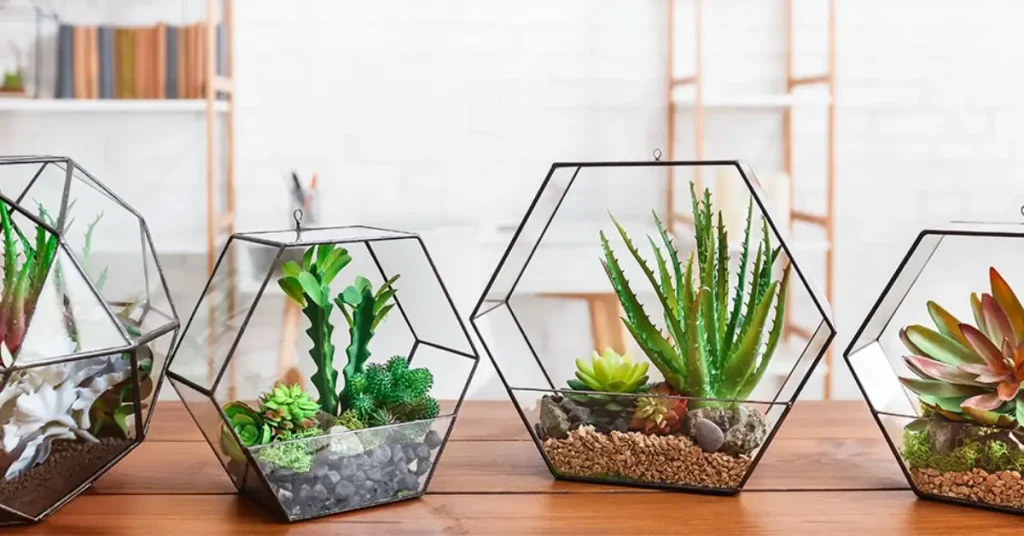
I get it—you don’t want another “top 10 terrarium plants” list that sounds like it was stitched together from Google. You’re probably here because you love the idea of having a little green world sitting on your desk or shelf, but you also don’t want plants that die the second you forget about them. I’ve been there—bought a fancy glass jar, planted a fern, and two weeks later I was staring at a brown mess wondering what went wrong.
The truth is, terrariums can be both beautiful and low-maintenance if you pick the right plants and set them up with a bit of care. Think of them as a tiny ecosystem that does most of the work for you—you just need to understand which plants thrive in that environment. In this guide, I’ll show you not only the easiest indoor plants for terrariums but also how to make them last, where people usually trip up, and how others are styling theirs on Instagram and Reddit for inspiration.
Before we dive into the plant list, let me ask you—are you looking for something purely decorative, or do you want a terrarium that actually improves the air and lifts your mood when you walk into the room? The answer matters, and I’ll help you pick accordingly.
Why Terrariums Are Perfect for Indoor Plants
You know that little glass world on your desk? That’s a terrarium — basically a mini indoor ecosystem. It traps just enough humidity and warmth to let tiny plants do their thing without needing constant care. I love them because they’re low-maintenance, purify the air a bit, and instantly elevate any room’s vibe.
Here’s a fact that surprises a lot of people: the global terrarium kit market is expected to grow from around USD 625 million in 2025 to USD 1.8 billion by 2033 — a growth rate of nearly 13 % every year, according to a recent market report on terrarium kits. To me, that tells you something — people aren’t just buying greenery, they’re investing in tiny, living décor that actually works for them.
To sum it up:
- Low-maintenance: Once set up, many terrariums care for themselves.
- Aesthetic & healing: They purify air, reduce stress, and bring calm.
- Trend-forward: They’re trending hard — your terrarium can be both pretty and purposeful.
Choosing the Right Indoor Plants for Terrariums
When you pick plants for a terrarium, the very first thing to ask yourself is: closed or open?
| Type | Humidity & Airflow | Ideal Plant Types |
|---|---|---|
| Closed | High humidity, minimal airflow | Moss, ferns, air plants, nerve plants |
| Open | Lower humidity, better ventilation | Succulents, cacti, small houseplants that dislike moisture |
I learned this the hard way — I once sealed a succulent in a closed jar, and within days it started rotting. The closed environment is perfect for tropical green friends that love humidity. Open terrariums, meanwhile, let moisture escape, so they suit plants that hate sitting in soggy soil.
Besides the container type, here’s what really matters when you choose your plant:
- Light needs – Does it want low light, bright indirect, or must it bask in the sun?
- Size & growth speed – Fast-growers can quickly outgrow a jar; go for compact varieties.
- Water tolerance – Some plants hate soggy roots; others thrive on mist.
I always tell friends: pick a plant that fits the terrarium, not the other way around. That one shift makes all the difference between a thriving mini ecosystem and a sad, soggy mess. If you’re curious about taking things a step further, you can also try building a bioactive terrarium that thrives without constant care. It’s a self-sustaining version where soil organisms help maintain balance.
Top Easy Indoor Plants for Terrariums
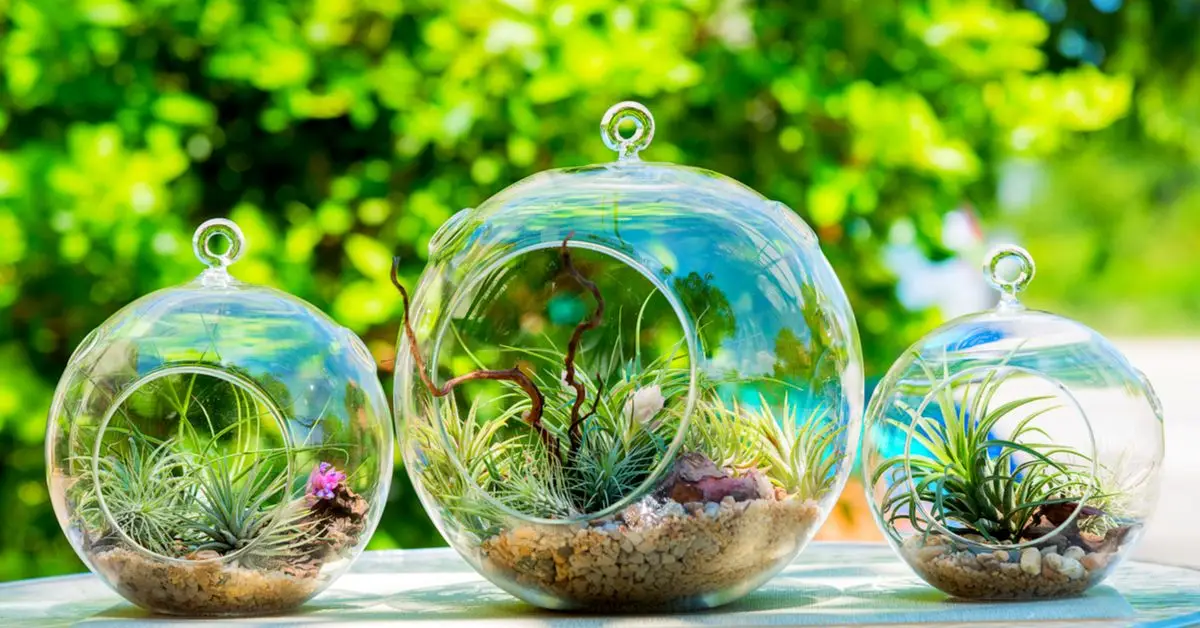
If you’re wondering which indoor plants for terrariums actually thrive without demanding constant babysitting, here’s the list I always recommend. These aren’t just pretty names — each one works because of how it interacts with the micro-environment inside a glass container.
Fittonia (Nerve Plant)
I love starting with Fittonia, also called the nerve plant. It’s small, vibrant, and its patterned leaves add instant color. Most importantly, it loves humidity, which makes it a natural fit for closed terrariums. As long as you don’t let the soil dry out completely, it will keep rewarding you with fresh growth.
Peperomia
Think of Peperomia as the low-maintenance friend in your terrarium. It stays compact, tolerates a bit of neglect, and comes in plenty of leaf shapes. If you’ve struggled with houseplants before, this is the one to ease you in — it won’t outgrow the container too quickly.
Ferns
Ferns are a classic choice. Their lush greenery instantly fills out a terrarium and makes it feel like a mini forest. They thrive in moisture and shaded spots, so closed terrariums mimic their natural habitat perfectly. Just be ready to trim them back now and then, since some varieties can grow a little wild.
Moss
Moss is like the carpet of your terrarium. It creates that soft, grounding layer and holds moisture well. I often use it as a base to cover soil, which not only looks better but also keeps humidity levels stable. Moss also helps prevent the “empty jar” look by tying everything together.
Succulents (For Open Terrariums Only)
Succulents are popular, but here’s the catch: they do terrible in closed terrariums. They need airflow and hate sitting in damp conditions. Put them in open terrariums with good drainage and bright light, and they’ll do just fine. If you’ve ever killed a succulent in a glass jar, now you know why.
Bonus Picks: Mini Orchids, Air Plants, and Pilea
- Mini orchids bring a touch of elegance if you’re willing to mist them regularly.
- Air plants (Tillandsia) are nearly soil-free and perfect for creative, decorative setups.
- Pilea stays small, has quirky coin-shaped leaves, and thrives in medium light.
For more detailed plant profiles, sites like The Spruce’s terrarium plant guide offer solid care tips and variety suggestions you can cross-check while picking your favorites.
Styling Ideas: Making Terrariums Part of Your Decor
The magic of a terrarium isn’t just in the plants — it’s in how you style it. A small bowl on your work desk instantly softens the space, while a jar on the bedside table gives you something calming to wake up to. Hanging terrariums near a window can turn into a centerpiece without taking up much room.
I’ve seen people get creative with fairy lights tucked around shelves, making their terrariums glow at night. If you scroll through Pinterest, you’ll find tons of inspiration: geometric glass containers, layered sands, or moss-covered bases that look like tiny worlds. And the best part? You don’t have to spend a fortune. As The Times highlighted through terrarium expert Ben Newell, simple materials and smart styling can look just as impressive as high-end pieces.
Care Tips & Common Mistakes
Terrariums are forgiving, but there are a few things you and I need to stay on top of:
Watering Balance

Overwatering kills faster than forgetting. A light mist or teaspoon of water goes a long way. If the glass is fogged up, that’s your sign to ease off.
Light Placement
Don’t park your terrarium in harsh sun — the glass can overheat and fry the plants. Stick to bright but indirect light.
Pruning + Mold Prevention
Snip back fast growers so they don’t choke out the smaller ones. And if mold shows up, scoop it out and leave the jar open for a few hours.
Mistakes to Avoid
- Using heavy garden soil instead of a light mix
- Sealing succulents in a closed terrarium
- Choosing containers without drainage layers
- Packing in too many fast-growing plants
These fixes save your plants — and your patience. Sometimes, even healthy terrarium plants can show warning signals like yellowing leaves or stunted growth — here’s a full guide on 10 signs your indoor plants are stressed and how to fix them so you catch problems early.
Quick Beginner’s Checklist
Here’s the quick run-through I wish I had when I started:
- Pick the right container (closed for humidity lovers, open for succulents)
- Use a well-draining soil mix
- Choose compact plants that won’t outgrow the space
- Place in bright, indirect light
- Stick to a light watering routine
- Add stones, moss, or wood accents for extra style
This checklist makes it easy to set up and hard to go wrong.
Where to Buy Terrarium Plants & Kits

Getting started doesn’t mean emptying your wallet. Big stores like Ikea and Amazon carry affordable glass containers and small houseplants. Local nurseries are great for finding fresh moss or ferns.
If you want something more unique, Etsy sellers often ship complete terrarium kits — soil, tools, and starter plants included. Just make sure the plants are pest-free and small enough for a jar. Pests like aphids sometimes sneak into terrariums through nursery plants — if that happens, here’s how to get rid of aphids on houseplants without chemicals. That way, your setup lasts longer and looks healthier from day one.
Key Takeaways: Building a Low-Maintenance Indoor Oasis
At the end of the day, terrariums are about keeping things simple and enjoyable. If you remember just three things, you’ll be in good shape:
- Pick the right plants for the type of terrarium you’re building.
- Set up the basics properly — container, soil, and light placement.
- Keep the effort minimal — light watering, occasional pruning, and let the ecosystem handle the rest.
Don’t be afraid to experiment with your own style, whether that means a mossy forest floor, a desert-inspired open jar, or something in between. Your terrarium should feel personal, not perfect.
Now I’d love to hear from you: What kind of terrarium setup are you planning — closed jungle, open succulent garden, or something unique? Share your ideas in the comments below!
And if you want more practical plant guides, tips, and inspiration, head over to Plant Care Dairy — your space for smarter, easier gardening.
Disclaimer: The information in this article is for general guidance only. Plant growth and care can vary depending on your local climate, container type, and individual conditions. For specific advice, consult a local nursery or plant care professional.