

Creating a bioactive terrarium is like building a tiny, self-sustaining ecosystem right in your living room. Imagine a beautiful, low-maintenance environment where plants, soil, and even tiny creatures work together to keep things thriving. It’s not just about aesthetics—it’s about a balanced, living system that takes care of itself, needing only occasional attention.
If you’re someone who loves the idea of having a thriving garden inside but don’t want to deal with constant upkeep, a bioactive terrarium might be the answer. In this guide, I’ll show you how to set one up step-by-step, offering practical tips that ensure your terrarium thrives without demanding your time every single day.
You might have come across plenty of articles, but here’s the thing: most guides focus on the basics, without giving you the deeper insights needed to create a terrarium that requires minimal care. Let’s skip the fluff and dive straight into how you can set up a bioactive setup that actually works long-term—without you stressing over it every other week.
So, if you’re ready to bring nature indoors in a way that’s hassle-free, keep reading. Let’s start your journey to creating the perfect bioactive terrarium.
What is a Bioactive Terrarium and Why Is It a Game Changer?
A bioactive terrarium is essentially a miniature ecosystem that mimics nature’s balance. In a bioactive setup, plants, soil, and small creatures like springtails or earthworms all work together to keep the environment thriving. Unlike traditional terrariums, which often rely on regular human intervention, bioactive terrariums are self-sustaining. The plants naturally purify the air, the microfauna break down organic matter, and the entire system remains balanced with minimal care.
But why is it a game changer? For one, bioactive terrariums are significantly easier to maintain than traditional ones. Once you set them up, they practically take care of themselves. Instead of constantly trimming dead leaves or cleaning up mold, you’ll find that nature handles those tasks, allowing you to focus on enjoying your lush, green environment.
This makes bioactive terrariums an excellent choice for busy people or beginners. If you’ve struggled with keeping traditional terrariums alive or simply want a more effortless solution, a bioactive setup is exactly what you need.
The Key Components of a Bioactive Terrarium
Before you dive into creating your bioactive oasis, it’s important to understand the key components that make it work. Each part plays a specific role in keeping your terrarium healthy and self-sustaining. Here’s a breakdown of what you’ll need to create a thriving ecosystem:
Substrate
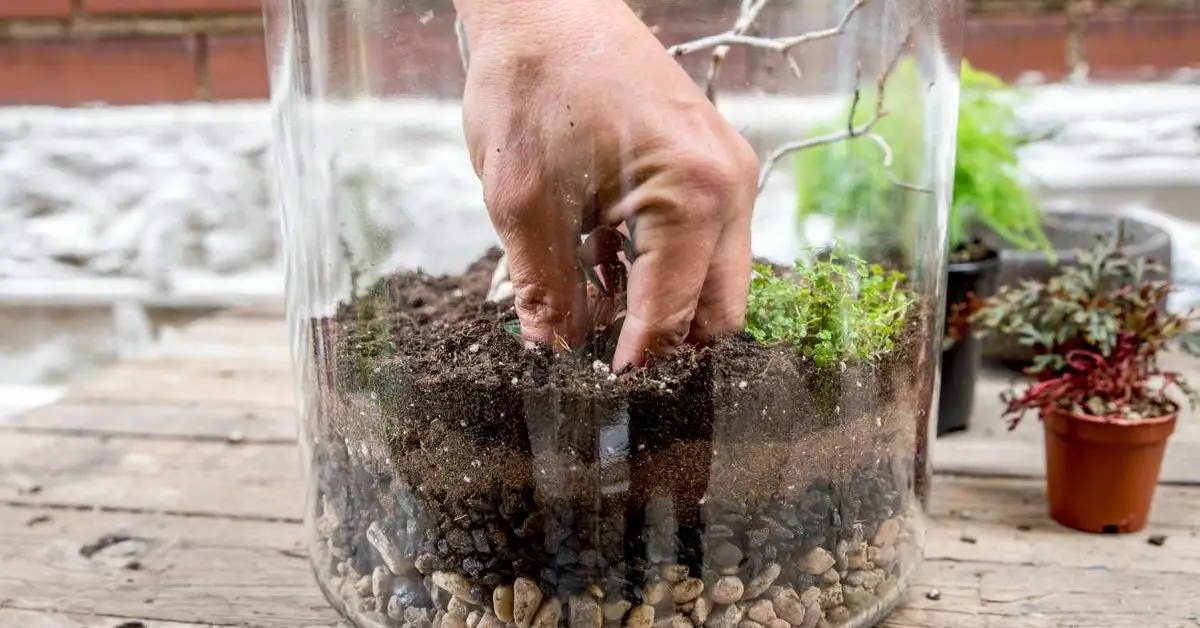
The foundation of your terrarium is the substrate—the material that forms the bottom layer of your setup. Proper drainage is crucial to prevent waterlogged soil and root rot. Typically, you’ll use a mix of soil, sand, and sometimes gravel to create layers that allow water to flow freely while still providing nutrients for plants. The substrate is like the “earth” your plants and creatures live on, so getting it right is essential.
Leaf Litter and Plant Life
Plants are the heart of a bioactive terrarium. They help maintain air quality and provide food and shelter for the small creatures living in your setup. Leaf litter, like fallen leaves, adds organic matter to the ecosystem, which breaks down over time to nourish the plants and microfauna. Together, plants and leaf litter create a dynamic, self-regulating environment that mirrors nature.
Microfauna
In a bioactive terrarium, tiny critters like earthworms, springtails, and isopods play a vital role. They break down organic matter, keeping the environment clean and balanced. Springtails, for example, feed on decaying plant matter and fungi, while earthworms help aerate the soil. These little workers prevent mold buildup and contribute to a healthy, thriving ecosystem.
The Importance of Appropriate Humidity Levels
A key factor in the success of your bioactive terrarium is maintaining the right humidity levels. Most bioactive setups thrive in humid conditions, as they simulate a natural environment for the plants and creatures. You’ll need to monitor the moisture level of the substrate and occasionally mist the plants to keep the humidity stable. This creates a healthy, balanced atmosphere that doesn’t require constant adjustments.
For more detailed advice on setting up a bioactive terrarium, check out Martha Stewart’s guide.
How to Set Up a Bioactive Terrarium Step-by-Step
Creating a bioactive terrarium might seem like a big task, but with the right steps, it’s surprisingly easy to set up. Here’s a simple, manageable guide to creating a thriving self-sustaining ecosystem, whether you’re a beginner or have some experience with terrariums.
1. Preparing the Container
The first thing you’ll need is the right container. Whether you’re using a glass tank or a large jar, make sure it’s clear enough to allow light in, but sealed well enough to retain humidity. Choose a container that’s big enough to house your plants and microfauna comfortably but not so large that you’ll have to spend hours maintaining it. A 10-20 gallon tank is usually ideal for beginners.
Consider the shape as well—taller tanks are great for plants with vines or cascading leaves, while wider, shallow tanks are better for ground cover and small plants. It’s all about giving your ecosystem room to grow, but also keeping it manageable.
2. Layering the Terrarium for Ideal Drainage and Soil Health
The next step is layering your terrarium to ensure proper drainage. Start with a layer of small pebbles or gravel at the bottom of the tank. This will help water flow through the substrate and prevent root rot. On top of that, add a layer of mesh or screen to keep the substrate from mixing with the drainage layer.
Now, it’s time to add the soil. A good mix includes organic soil, peat moss, and coconut coir, but you can also find ready-made bioactive terrarium soil at pet stores. This rich mix will allow your plants to grow well and help maintain the proper pH level for your microfauna. Make sure the soil is deep enough to accommodate plant roots and allow for proper water retention.
3. Adding the Plants
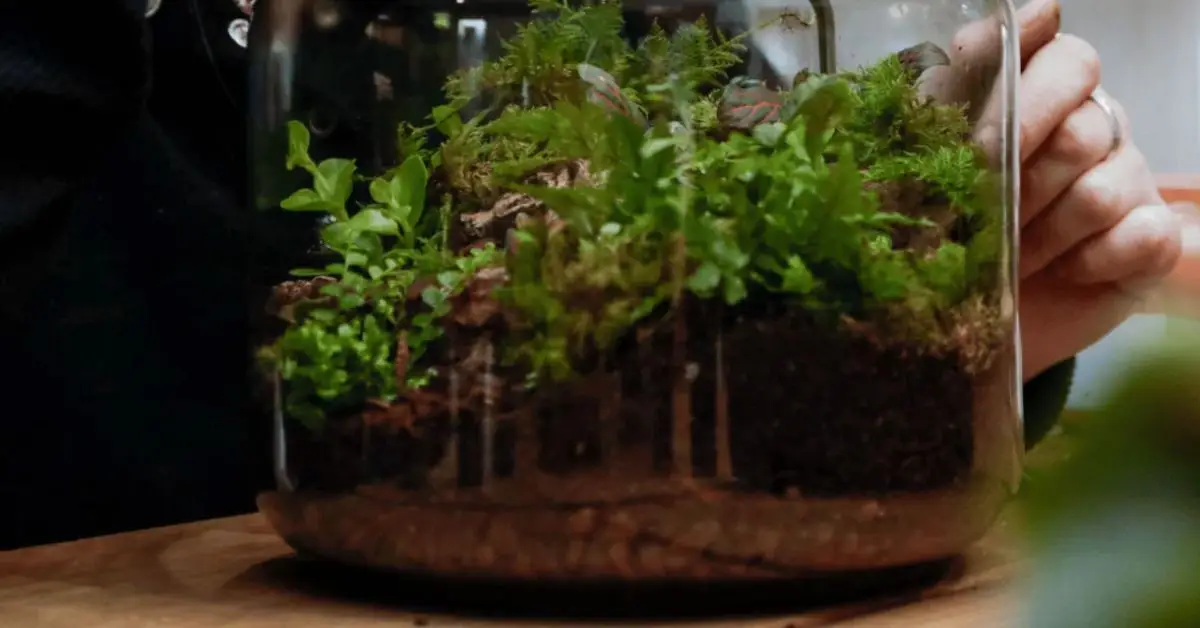
Now comes the fun part—planting! Choose plants that thrive in humid environments and don’t require constant maintenance. Some great low-maintenance options include ferns, moss, and certain species of orchids. Be sure to pick plants with varying heights and textures to create a visually interesting terrarium.
You can also add a few plants with vibrant colors or delicate flowers, but keep in mind that more vibrant plants might require a little extra care. When placing them, make sure they’re spaced out properly so each plant has enough room to grow without overcrowding others.
When setting up your bioactive terrarium, the placement of your plants plays a key role in creating a thriving environment, much like the strategic placement of birdbaths in a garden. If you’re looking to enhance your outdoor spaces too, check out these 3 bird bath placement mistakes every gardener makes and how to avoid them. For more tips on plant selection, check out Terrarium Tribe’s guide.
4. Introducing Microfauna
With your plants in place, it’s time to introduce the tiny critters that will help keep the ecosystem healthy. Microfauna like springtails, isopods, and earthworms are your terrarium’s cleanup crew, breaking down decaying plant matter and preventing mold buildup.
Introduce the microfauna slowly and carefully—start with a small number of critters and let them acclimate to their new environment. You can buy these creatures online or at pet stores specializing in reptiles or bioactive setups. Adding the right mix of microfauna is essential to keeping your terrarium balanced and self-sustaining.
5. Final Touches and Tips
Finally, add the finishing touches to your terrarium. Ensure your tank is in a location with indirect sunlight—direct sunlight can cause excessive heat and algae growth. You’ll need to keep the humidity levels consistent, so consider installing a small hygrometer to monitor moisture levels.
Misting the terrarium every few days will help maintain the right humidity, but be cautious not to overdo it. Also, check the temperature to ensure it’s within the right range for your plants and critters. Over time, you may need to trim your plants, but otherwise, your bioactive terrarium should thrive with little intervention.
Best Practices for Low-Maintenance Terrariums: Keep It Thriving Without Constant Care
One of the biggest reasons people shy away from creating a bioactive terrarium is the worry of constant upkeep. The good news is, with the right approach, you can enjoy a beautiful, thriving ecosystem without constantly tinkering. Here are some best practices to keep your terrarium healthy with minimal effort:
How to Manage Water and Humidity
Watering is crucial, but over-watering can be just as harmful as under-watering. To maintain the perfect balance, ensure the substrate isn’t constantly soggy. A good rule of thumb is to allow the soil to dry out slightly between waterings. You can also use a hygrometer to monitor the humidity levels inside your terrarium. Excess moisture can lead to mold growth, so be sure to mist lightly and sparingly. Avoiding waterlogging is key to preventing fungal issues and keeping your plants healthy.
Just as attracting pollinators can lead to a flourishing garden, selecting the right plants for your bioactive terrarium will help foster a healthy ecosystem. If you’re interested in boosting your garden’s overall yield, take a look at these easy tips to attract pollinators and improve your plant life.
Using Hardy Plants and Resilient Critters
Another way to reduce maintenance is by selecting plants and critters that are naturally low-maintenance. Opt for hardy plants like ferns, moss, and pothos that thrive in humid environments without much care. Similarly, resilient microfauna such as springtails and isopods are perfect for a bioactive terrarium. These critters don’t need constant supervision and can thrive in a balanced environment, taking care of themselves while also keeping your terrarium healthy.
Natural Waste Management
One of the main advantages of a bioactive terrarium is the natural waste management system it creates. Microfauna, like earthworms and springtails, break down organic matter such as decaying leaves and plant matter, turning it into nutrients that help the plants thrive. This natural process reduces the need for regular cleaning, making your terrarium easier to maintain over time. As long as the balance is right, your microfauna will manage most of the waste, keeping everything running smoothly.
Signs That the Terrarium is Thriving or Needs Attention

A thriving bioactive terrarium is easy to spot. Healthy plants, visible microfauna activity, and a balanced ecosystem are all good indicators. If you notice that the plants are yellowing, the critters are absent, or you spot mold growth, these may be signs that something is out of balance. The best way to keep things on track is to observe the system regularly. Healthy terrariums require minimal effort once they’ve stabilized, so only light monitoring is needed.
For more insights on maintaining a bioactive terrarium, check out Exo-Terra’s care tips.
Common Mistakes to Avoid When Setting Up Your Bioactive Terrarium
While creating a bioactive terrarium is an exciting project, it’s easy to make some common mistakes that can lead to frustration down the road. Avoid these pitfalls to ensure a smooth and successful setup:
Overcrowding the Terrarium with Too Many Plants or Animals
One of the most common mistakes is overcrowding. Too many plants or critters in a small space can lead to imbalances in the ecosystem. Each plant and animal needs its own space to thrive, and overcrowding can restrict growth, cause competition for resources, and lead to stress for both plants and microfauna.
Much like a bird bath in your garden, the plants in your bioactive terrarium should be strategically placed to create the best environment for both flora and fauna. Learn about the best plants to place around your bird bath to make your garden even more inviting.
Using Incompatible Species
Not all plants and critters work well together. Some plants may require more sunlight or drier conditions than your microfauna can handle. Similarly, certain species of critters may become aggressive or outcompete others for resources. Always research your species’ needs before introducing them into your setup to avoid these compatibility issues.
Ignoring the Importance of Proper Lighting and Temperature
Lighting and temperature are critical factors in the success of your bioactive terrarium. If the tank is too hot or too cold, or if it doesn’t get enough light, your plants and critters won’t thrive. Be mindful of your terrarium’s location and the natural light it receives, and consider adding supplemental lighting if necessary. Make sure the temperature stays within the ideal range for both your plants and your microfauna.
Conclusion – Your Effortless Bioactive Terrarium Awaits!
Creating a bioactive terrarium offers a wonderful opportunity to bring nature indoors in a low-maintenance way. With the right setup, your terrarium can thrive with minimal care, offering both aesthetic beauty and a sense of satisfaction in having a self-sustaining ecosystem. By choosing the right plants, creating a balanced environment, and incorporating resilient microfauna, you can enjoy a healthy, thriving terrarium without the stress of constant upkeep.
The benefits are clear: less time spent maintaining, more time spent enjoying your lush, vibrant creation. And with the tips and steps provided, you’re well on your way to creating your very own bioactive wonderland.
So, what are you waiting for? It’s time to roll up your sleeves and start your bioactive terrarium today. You’ve got the knowledge—now, make it happen!
Ready to create your own bioactive terrarium? Start now with the tips you’ve learned! For more plant care tips and gardening advice, visit Plant Care Dairy.
Disclaimer: The information provided in this article is for general informational purposes only. While we strive for accuracy, results may vary depending on individual conditions. Always consider consulting with a professional or conducting further research before making any significant changes to your terrarium setup.