

As gardeners, we all know that the quality of the soil can make or break our plants. But with so many types of soil out there, how do you choose the right one for your garden? Let me introduce you to loam soil — often referred to as “the perfect soil.” If you’re looking to create a thriving garden, understanding loam and its benefits will be one of the smartest moves you make.
Loam soil is a balanced mix of sand, silt, and clay, and it’s the go-to for many experienced gardeners. It’s not too heavy, not too light, and it offers the ideal structure for plant roots to grow deep and strong. But why is this such a game-changer? In this guide, I’ll explain everything you need to know about loam soil — from its benefits to how you can improve your own garden’s soil to make it loam-friendly. Ready to dig in?
Understanding Loam Soil: Definition & Composition
When it comes to gardening, soil is the foundation. But not all soils are created equal. Loam soil stands out as the gold standard — but what exactly makes it so special? Let’s break it down.
Loam soil is a perfect balance of three key soil types: sand, silt, and clay. Each of these components brings something unique to the table:
- Sand: Large particles that allow air and water to circulate easily. This helps with drainage.
- Silt: Smaller particles that retain moisture and nutrients well, ensuring your plants stay hydrated.
- Clay: The smallest particles, which help the soil hold its shape and retain nutrients.
The magic happens when the proportions are just right. The ideal loam soil consists of about:
- 40% sand
- 40% silt
- 20% clay
This balance creates soil that drains well but also retains enough moisture and nutrients for healthy plant growth. If you want a healthy garden, loam is your friend — it’s the soil that’s “just right” for your plants.
By understanding the composition of loam soil, you can make more informed decisions about what your plants need. For more details on loam soil’s components, I suggest checking out Better Homes and Gardens. This will give you a deeper insight into the soil that keeps your plants happy.
Benefits of Loam Soil for Plant Growth

Now that you know what loam soil is, let’s talk about why it’s so perfect for your garden. Loam soil has several key benefits that make it stand out:
- Excellent Nutrient Retention: Thanks to its balance of silt and clay, loam holds onto essential nutrients, ensuring your plants get the food they need.
- Superior Drainage: The sand content in loam prevents the soil from getting waterlogged, while still keeping enough moisture for your plants. This reduces the risk of root rot, which is a common issue in overly wet soils.
- Better Aeration: Loam has enough air pockets for your plant roots to breathe, preventing them from suffocating. Healthy roots mean healthy plants.
- Promotes Root Growth: Since loam soil is easy to work with, it allows roots to expand easily and grow deep, which makes your plants more resilient.
Loam also works well in a variety of climates and for different types of plants, making it an incredibly versatile soil type. Loam soil’s excellent nutrient retention helps your plants thrive, but you can boost its effectiveness even more by using methods like charcoal for plants, which helps with pest control and soil improvement.
How to Create Loam Soil for Your Garden
So, you’ve decided to transform your garden with loam soil, but how exactly do you go about creating it? Don’t worry, it’s easier than you might think. Let’s walk through some simple steps to modify your existing soil and make it more loamy.
1. Start with Soil Testing
Before you do anything, it’s a good idea to test your current soil. You can do this by purchasing a simple soil test kit from your local garden center or online. This will give you a baseline for how much sand, silt, and clay are in your soil. If your soil is too sandy or too clay-heavy, you can start adding amendments to balance it out.
2. Add Organic Matter
One of the best ways to improve your soil is by adding organic matter. This includes things like compost, well-rotted manure, or organic mulch. Organic matter improves soil structure, adding vital nutrients and improving moisture retention. Aim for about a 2-4 inch layer of organic matter spread across your garden beds.
- Why it works: Organic matter helps bind sandy soil and improves drainage in clay-heavy soil.
3. Mix in Sand and Clay
If your soil is too sandy, add some clay to help it hold moisture and nutrients. If it’s too clay-heavy, add sand to increase drainage. But remember, too much sand can cause poor nutrient retention, so balance is key. Aim for the ideal loam ratio: 40% sand, 40% silt, and 20% clay.
4. Test and Adjust pH Levels
Loam soil typically has a pH between 6.0 and 7.0, which is ideal for most plants. If your soil is too acidic (below 6.0) or too alkaline (above 7.0), consider adjusting the pH using lime or sulfur as needed.
5. Till and Aerate the Soil
Once you’ve added your amendments, it’s important to till the soil to ensure everything is evenly mixed. This helps with aeration, making sure plant roots get plenty of oxygen and space to grow.
When preparing your soil, it’s always a good idea to perform a soil test to ensure you understand its nutrient levels. A comprehensive soil test guide for gardeners can help you detect deficiencies and improve plant growth effectively.
By following these simple steps, you’ll gradually improve your soil and turn it into the perfect loamy mix that your plants will love. For more details on creating the best garden soil, you can explore Masterclass for a comprehensive guide.
How Loam Soil Compares to Other Soil Types
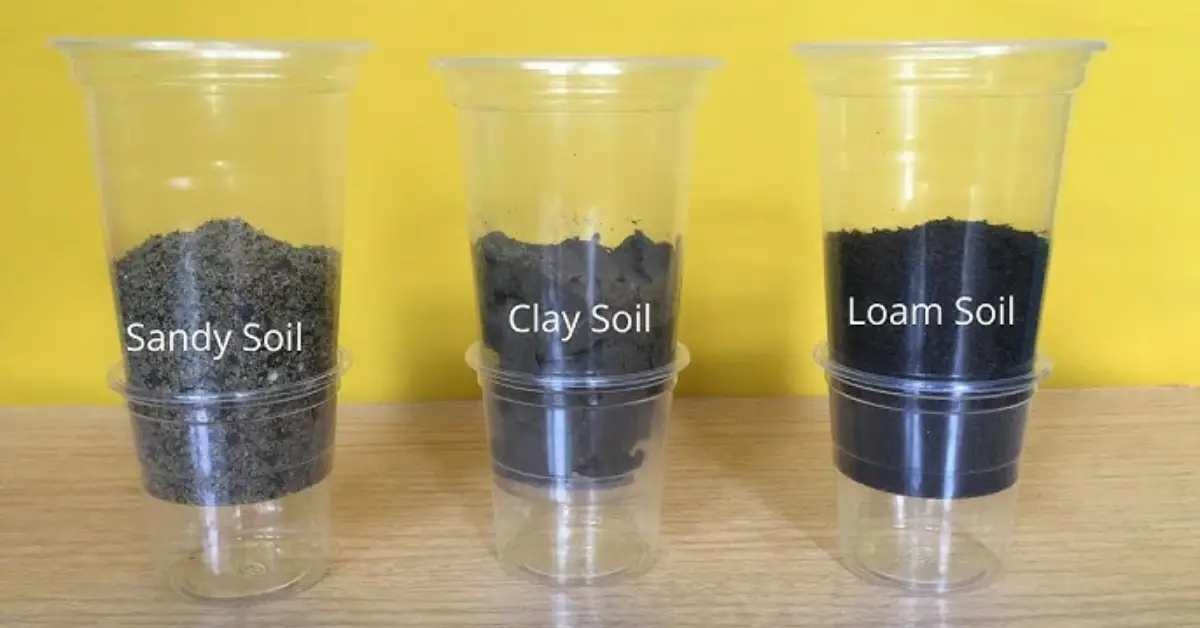
You might be wondering: Why should you go for loam soil when there are so many other types out there? Let’s break it down and compare loam with the two other most common soil types — sandy soil and clay soil — to see why loam is often the best choice.
Sandy Soil
- What it’s like: Sandy soil is light, easy to work with, and drains quickly.
- The problem: While it’s great for drainage, it often drains too much and doesn’t hold onto nutrients or moisture well. Plants may struggle to get the nutrients they need.
- Loam’s advantage: Loam has the best of both worlds — excellent drainage and moisture retention, which makes it ideal for plant roots to thrive.
Clay Soil
- What it’s like: Clay soil is dense and heavy, with tiny particles that stick together.
- The problem: While it holds nutrients well, it’s prone to becoming waterlogged. In heavy rain, it can suffocate plant roots, causing them to rot.
- Loam’s advantage: Loam improves drainage compared to clay, making it less likely to become waterlogged, while still keeping the nutrients plants need.
Loam Soil
- What it’s like: Loam soil is the balanced mixture of sand, silt, and clay. It offers the ideal combination of aeration, nutrient retention, and moisture balance.
- The benefit: Loam is suitable for most types of plants and gardens, providing a stable and well-rounded environment for plant growth. It’s versatile and perfect for gardeners of all levels.
If you’re deciding between soil types for your garden, understanding these differences can help you make the right choice. Loam is often the best because it combines the benefits of both sand and clay without their major drawbacks. You can easily adjust its composition to suit the plants you’re growing, making it adaptable and reliable.
For a more in-depth comparison of loam to other soils, check out The Spruce.
Common Misconceptions About Loam Soil
Loam soil is often praised for being the ideal gardening soil, but just like any other gardening tool, it comes with its own set of myths that can mislead gardeners. Let’s set the record straight.
1. Loam Soil Doesn’t Need Maintenance
A common myth is that once you have loam soil, it’s good to go forever. But even loam soil needs care. Over time, the soil can become compacted, and its nutrient levels can decline if not replenished. You’ll need to add organic matter, such as compost, regularly to keep the soil healthy.
2. Loam is Always Easy to Manage
While loam is easier to manage than other soil types, that doesn’t mean it’s foolproof. You might find that your loam soil needs occasional adjustments. Whether it’s balancing pH levels or improving aeration, loam soil still requires attention to ensure it continues providing the best environment for your plants.
3. Loam Soil is Perfect for Every Plant
Not all plants love the same type of soil, even loam. Some may prefer a more acidic or more alkaline environment, and loam’s neutral pH may not always be ideal. You’ll need to understand your plants’ specific needs to make sure loam soil is the right fit, or whether you need to amend it.
4. Loam Soil Doesn’t Require Regular Testing
Just because loam is often seen as the perfect soil doesn’t mean you can skip soil tests. Testing your soil helps you understand its nutrient content and pH, allowing you to make the necessary adjustments for optimal plant growth.
Improving Loam Soil for Better Plant Growth
Now that we’ve busted a few myths, let’s focus on how you can get the most out of your loam soil for your garden. Loam might be great, but regular maintenance is key to ensuring your plants thrive.
1. Maintain Proper Aeration
Loam soil naturally allows for good air circulation, but it’s important to avoid compaction. Avoid walking on your garden beds, and use a garden fork or aerator to loosen the soil periodically. This ensures plant roots get enough oxygen to grow deep and strong.
2. Add Organic Matter Regularly
One of the best things you can do for loam soil is to keep it rich in organic matter. Compost, mulch, and well-rotted manure are great additions. They’ll improve moisture retention, enhance soil structure, and provide nutrients that plants need. Think of it as a regular “feeding” for your soil.
3. Control Moisture Levels
While loam retains moisture well, it’s essential to monitor how much water your plants are getting. Overwatering can lead to root rot, while underwatering can stress your plants. Use mulch to help retain moisture during dry spells and ensure proper drainage to avoid waterlogging.
4. Check pH Levels Periodically
Loam soil usually has a neutral pH, but it’s still a good idea to test it from time to time. If you find it’s becoming too acidic or alkaline for your plants, you can add amendments such as lime to raise the pH or sulfur to lower it.
5. Rotate Your Crops
If you’re growing vegetables or annuals, crop rotation is essential for maintaining soil health. It helps prevent the depletion of specific nutrients and reduces the risk of pests and diseases.
By keeping your loam soil in top shape with these simple maintenance tips, you’ll ensure that your plants get the best possible environment to grow strong, healthy, and productive.
Incorporating organic matter like compost is one of the best ways to improve loam soil’s structure. You can also learn more about using different types of mulch to keep your plants healthy throughout the year, which will improve soil moisture retention.
Conclusion: The Ultimate Soil Choice for Your Garden
Loam soil truly stands out as the ideal choice for many gardeners — it’s a balanced mix of sand, silt, and clay that provides excellent drainage, moisture retention, and nutrient-holding power. Whether you’re growing flowers, vegetables, or shrubs, loam offers the perfect foundation for healthy, thriving plants. But like any good thing, it requires regular care and attention.
By understanding the properties of loam and how to improve it, you can create a thriving garden that’s easy to manage and provides lasting results. Remember, loam isn’t a one-size-fits-all solution — it still needs maintenance, occasional adjustments, and a little TLC to keep your plants happy.
Ready to dig into your own garden and create the perfect loam soil? Share your experiences, questions, or tips in the comments below — I’d love to hear from you! And for more gardening insights and expert advice, don’t forget to check out more articles on Plant Care Dairy.
Disclaimer: The information provided in this article is for general gardening advice and informational purposes only. Results may vary based on soil conditions, plant types, and local climate. Always conduct soil tests and consult with a gardening expert if needed for specific concerns.