
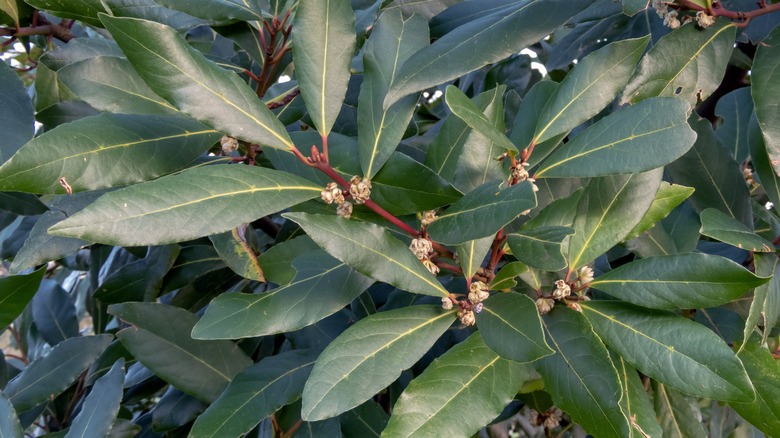
Bay laurel is one of those quietly powerful plants: the leaves are modest, the aroma is gentle, yet the results in soup pots and stews are unforgettable. This guide cuts through the confusion so you can match the right bay laurel variety to your space—whether that’s a sunny patio pot, a clipped hedge, or a small garden tree.
You’ll learn how to choose cultivars like ‘Saratoga’, ‘Angustifolia’, and ‘Aurea’, how to plant and prune for the shape you want, and when to bring containers indoors. I’ll also share practical tips I rely on for watering, feeding, and harvesting leaves at peak flavor.
Why Bay Laurel Matters And How It Grows
Flavor, Everyday Uses, And A Little Myth Busting
Bay leaves aren’t flashy, but their subtle, resinous flavor deepens broths, sauces, and slow-cooked beans. I toss one into lentils or a pot roast and notice the difference when I forget it. Beyond the kitchen, dried bay is handy at home—many gardeners use it to discourage stink bugs and other pests in pantry jars or closets.
Sweet bay (Laurus nobilis) is the culinary standard you’ll see in recipes and Plant Addicts shares tips on selecting and growing bay laurel. Unlike stronger herbs such as rosemary or basil, bay contributes a gentle backbone that shines after a good simmer. Fresh leaves are lovely, but properly dried leaves from your own plant can be even more reliable in flavor.
Growth Habit And Size In Real Gardens
Laurus nobilis can be a shrub or a tree. In perfect conditions outdoors, it may reach 30–60 feet over many years. Most of us keep it far smaller with regular pruning, especially in containers. Its naturally dense, evergreen foliage clips beautifully into hedges, standards, or topiary forms.
Pruning is your size dial. Light shaping a few times a year can maintain a neat hedge or a single-stem standard. Bay tolerates hard pruning well; even older wood rebounds with new shoots when the plant is healthy and well-sited.
Climate And Hardiness Zones Simplified
Bay laurel generally thrives outdoors in USDA Zones 8–10 (some gardeners succeed in Zone 7 with protection, and certain selections handle parts of Zone 11). If winters are colder where you live, treat bay as a container plant you can roll into bright indoor light before hard freezes arrive, as explained in this guide to container-grown bay trees.
Sun exposure is flexible: full sun to partial shade works. In hot, dry climates, light afternoon shade reduces leaf scorch. In cool-summer spots, extra sun keeps foliage dense and growth steady.
The Best Bay Laurel Varieties For Outdoor Gardens

Sweet Bay And Its Reliable Garden Cultivars
Sweet bay (Laurus nobilis) is the classic culinary bay for garden beds. It adapts to clay, loam, or sandy soils that drain well and does best in full sun to light shade. Once established, it’s moderately drought-tolerant, though you shouldn’t let it dry out fully for long stretches.
Cultivars vary in look and vigor, but most are excellent in Zones 8–10. Choose a form that matches your goal: a compact screen, a clipped standard by the gate, or a taller specimen near a patio.
‘Angustifolia’ For Hedges, Screens, And Topiary
‘Angustifolia’ sports narrow, elegant leaves and is a favorite for shaped hedges and formal or informal screens. Outdoors, it’s well-suited to mild regions (often noted for Zones 8–11). Its dense habit makes it easy to train into topiary or maintain as a multi-stem shrub.
Sun and water basics: plant in full sun to partial shade and water deeply while roots establish. After that, it tolerates drier spells but performs best with consistent moisture that never becomes soggy.
Pollination, Flowers, And Seed Set
Bay laurel can be dioecious—meaning individual plants may be male or female. If you’re hoping for seeds, you’ll need both sexes nearby for pollination. For culinary leaves, a single plant is fine and requires no pollination to be productive.
Focus on foliage if your goal is the kitchen. Choose plants for leaf quality, vigor, and shape, not for flowering. Regular harvesting encourages fresh flushes of flavorful growth.
Types Of Bay Laurel To Grow In Containers

‘Saratoga’: Compact And Low-Maintenance
‘Saratoga’ is a hybrid selected for easier care and a smaller ultimate size, making it ideal for pots and small courtyards. In-ground it may reach around 20–25 feet over time, but in containers it stays much more compact with seasonal pruning.
Soil and light: it tolerates average potting soils, but you’ll get better results with a rich, well-draining mix, much like growing foxtail ferns successfully in pots.
Give it full sun to partial shade. To form a single-trunk “standard,” start with a plant that has several lower branches, let it fill out, then gradually remove lower limbs to reveal a clean stem.
‘Aurea’ (Golden Bay): Harvest Leaves While Yellow
‘Aurea’ is prized for its bright yellow new growth that matures to deep green. For the kitchen, harvest leaves when they are still golden and tender; older, hardened leaves are slower to soften in cooking.
Container suitability: ‘Aurea’ often tops out near 10–15 feet by 6 feet wide in mild climates, but stays modest in pots. It enjoys the same care as other bays: sun, drainage, and steady moisture without waterlogging.
Potting Mix, Repotting, And Root Pruning
Well-draining media is nonnegotiable. I blend a high-quality potting mix with roughly 20–30% coarse material (pine bark fines or perlite) to prevent compaction. Containers need a drainage hole and a saucer you can empty after watering.
Repot on a two-year rhythm. Move up one pot size or lift the plant, trim the outer 10–20% of the root ball, refresh the mix, and replant in the same container. This keeps growth in check and prevents a tight root spiral.
Planting, Pruning, And Everyday Care
Sun, Soil, And Watering Routines
- Pick A Bright Spot: Bay laurel thrives in full sun to partial shade; aim for 6+ hours of light, with light afternoon shade in the hottest zones.
- Prioritize Drainage: Whether in-ground or in pots, avoid soggy conditions. Slightly acidic to neutral soil works well.
- Water Deeply, Then Wait: Let the top inch of soil dry between waterings. In summer, containers may need water every few days; in winter, much less.
- Mulch To Moderate Moisture: A 1–2 inch organic mulch ring keeps roots cool and reduces evaporation. Keep mulch off the trunk.
Training As Shrub, Tree, Or Topiary
- For A Shrub Or Hedge: Encourage multiple stems by tip-pruning young plants. Shear lightly 2–4 times per year to keep edges clean.
- For A Single-Trunk Tree: Select a strong leader and remove lower branches gradually, always leaving enough foliage to feed the plant.
- For Topiary Shapes: Clip little and often. Using sharp shears, trim new growth during the growing season; avoid cutting far into old, leafless wood.
- Prune For Health: Remove dead, crossing, or inward-growing shoots. Bay responds well to a harder spring prune if needed.
Feeding, Winter Protection, And Propagation
- Feed Lightly: A balanced, slow-release fertilizer in spring is usually enough. Container plants appreciate a light midsummer top-up.
- Protect From Deep Freezes: In cold regions, shift pots indoors before the first hard frost. Outdoors, wrap containers and use frost cloth during cold snaps, and learn more in our guide on protecting potted plants from freezing.
- Propagate For An Endless Supply: Take semi-hardwood cuttings in late summer, use a rooting hormone, and keep them warm and humid until rooted.
- Harvest Thoughtfully: Pick mature leaves from several branches to keep growth balanced, and avoid stripping any single stem bare.
Troubleshooting And Pro Tips
Reading The Signals: Cold, Heat, And Drought
- Cold Stress: Blackened leaf tips or patches after a frost signal damage. Prune only after new growth pushes in spring so you can see what’s truly alive.
- Heat Or Sun Scorch: Pale, crispy patches on the hottest side of the plant suggest too much direct, intense afternoon sun or insufficient water.
- Drought Warning: Leaves cup inward and turn dull when too dry. Water deeply and mulch; consider a bit more afternoon shade in hot climates.
Pests, Household Uses, And Natural Deterrents
- Scale And Aphids: Look for sticky residue or clustered insects on tender tips. Wipe with a damp cloth and use insecticidal soap or horticultural oil as needed.
- Stink Bugs: Bay leaves are commonly used as a natural deterrent in cupboards and closets. In the garden, hand-pick and exclude with row cover where practical.
- Good Hygiene: Remove fallen leaves from pots, water at the base, and keep plants spaced for airflow to discourage issues.
Harvesting, Drying, And Better Flavor
- Best Leaves To Pick: Choose healthy, mature leaves—except on ‘Aurea’, where the golden young leaves are prized for tenderness and aroma.
- Drying Method: Rinse, pat dry, and air-dry loosely in a shaded, well-ventilated spot for 1–2 weeks. Store in airtight jars away from light.
- Use Less Than You Think: One or two leaves per pot often suffice; remove before serving so flavors remain integrated, not overpowering.
Personal Moment: What I Learned The Hard Way
I once left a ‘Saratoga’ outside a week too long during an unexpected cold snap. The outer leaves bronzed overnight, and I had to wait until spring to prune. Since then, I move my container bay indoors just ahead of the first real freeze and give it bright, cool light until spring.
Smart Gardener’s Summary And Next Steps
| Cultivar/Type | Best Use | Approx. Size | Typical Zones | Container Friendly |
|---|---|---|---|---|
| Laurus nobilis (Sweet Bay) | General culinary; shrub, hedge, or small tree | Pruned small; unpruned can reach 30–60 ft in ideal conditions | 8–10 (7 with protection) | Yes |
| ‘Angustifolia’ | Formal/informal hedges; topiary; narrow leaves | Compact to medium shrub/tree with pruning | 8–11 (mild climates) | Yes |
| ‘Saratoga’ | Low-maintenance patio tree or standard | Smaller than species; ~20–25 ft in-ground over time | 8–10 (container anywhere with winter shelter) | Excellent |
| ‘Aurea’ (Golden Bay) | Showy yellow new leaves; harvest when golden | Up to ~10–15 ft by ~6 ft wide (smaller in pots) | 8–10 | Excellent |
Quick Start: Potting Up A New Bay Laurel (6 Steps)
- Choose The Right Pot: Pick one with a drainage hole; start 2–4 inches wider than the current root ball.
- Blend The Mix: Use quality potting soil with 20–30% perlite or bark for drainage.
- Set Plant Height: Place the root ball so the crown sits level with the rim; don’t bury the trunk.
- Backfill And Firm: Fill in around roots, gently tamp, and water to settle the mix.
- Stake If Training A Standard: Tie loosely and adjust as the trunk thickens.
- Place In Bright Light: Give 6+ hours of sun and keep evenly moist while it establishes.
Actionable Checklist
- Match Variety To Goal: ‘Angustifolia’ for hedges, ‘Saratoga’ for compact patio trees, ‘Aurea’ for colorful harvests.
- Plan For Your Climate: Gardeners in Zones 8–10 can plant in-ground; colder zones should use containers and overwinter indoors.
- Keep It Draining: Free-draining soil and pots with holes are essential; never let roots sit in water.
- Prune With Purpose: Light, regular trimming maintains shape and density; harder cuts in spring if needed.
- Repot On A Schedule: Refresh mix and trim roots every two years to prevent congestion.
- Harvest Smart: Take mature leaves (golden leaves on ‘Aurea’) and dry them properly for best flavor.
Have a question or a bay laurel win to share? Drop your thoughts in the comments—we love learning from your experiences at Plant Care Dairy.
Disclaimer: The information in this article is for educational purposes and reflects general best practices for bay laurel. Always consider your local climate, microclimate, and regulations, and consult regional extension resources or professionals for site-specific advice.