

Winter can look harsh, but here’s the twist: snow often protects seeds and soil rather than harming them. If you’ve ever wondered whether you should sow before the first snowfall, this guide cuts through the confusion and gives you simple, actionable steps to set up spring success.
By the end, you’ll know exactly which seeds love winter, how to time and sow them, and what to do when the thaw arrives. We’ll match the right plants to the right sunlight, soil, and zone, and I’ll share the mistakes I avoid so you don’t have to learn the hard way.
Real talk: the first time I winter-sowed wildflowers, I worried the snow would smother everything. Instead, I woke up to a flush of seedlings in March—many stronger than my spring-sown starts. I’ve been a fan ever since, and I think you’ll be, too.
Why Snow And Cold Help Seeds Germinate
Snow Acts Like A Protective Mulch
Fresh snow is like a cozy blanket—it insulates the soil, moderates temperature swings, and helps prevent frost heaving that can push seeds and seedlings out of the ground. That stable environment keeps seeds, seedlings, and perennials safer through winter’s ups and downs.
Cold Stratification Explained
Some seeds require a natural chilling period called cold stratification before they’ll sprout. Sowing these seeds before snow gives them weeks to months of consistent cold, triggering internal changes that say, “Okay, it’s safe to germinate now.” If you’re curious about the pros and cons of sowing before snow, this detailed guide explores how winter conditions affect germination and plant health. Come spring, they pop right on cue.
Frost-Hardy Plants Benefit From A Head Start
Not every plant needs chilling, but many are simply cold-tough. When you sow them in fall, they establish earlier and bloom early in spring—sometimes even before your garden wakes up. The result is earlier color and stronger plants with minimal fuss.
What To Sow Before It Snows: 11 Cold-Weather Winners
The 11 Seeds To Sow Now
1. California Poppy (Eschscholzia californica) — Native to the western U.S. and northern Mexico, these poppy look-alikes love sunny, dry spots and shine in early spring if sown before winter sets in.
- Sun: Full sun
- Height: 1–2 ft
- Zones: 6–10
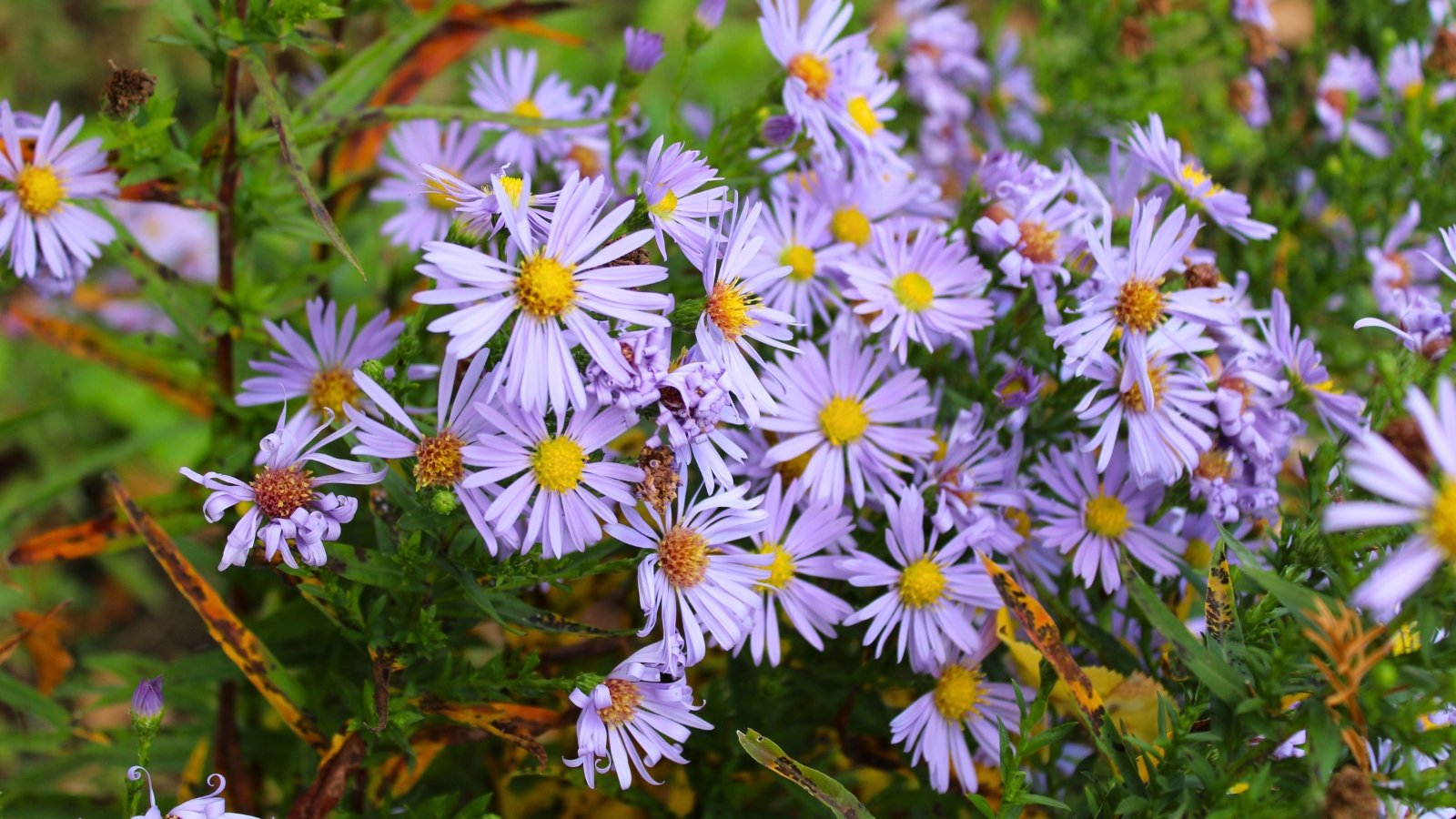
Sow Tip: Scatter on bare soil, rake lightly, and moisten so seed makes contact. Avoid shade; they want direct sun2. Douglas Aster (Symphyotrichum subspicatum) — A resilient western U.S. native that overwinters beautifully. Seeds sprout when warmth returns.
- Sun: Full sun to partial shade
- Height: 2–4 ft
- Zones: 5–9
- Sow Tip: In or beyond its native range, consider other regional American asters (New York, New England, smooth). Leave some spent blooms standing for self-seeding.

3. Forget-Me-Not (Myosotis sylvatica) — Early to bloom and full of charm. Winter sowing gives seedlings a head start for late-winter color.
- Sun: Full sun to partial shade
- Height: 6 in – 1 ft
- Zones: 3–8
- Sow Tip: Check local guidance—these can be invasive in some regions. Try pink ‘Victoria Pink’ for a twist.
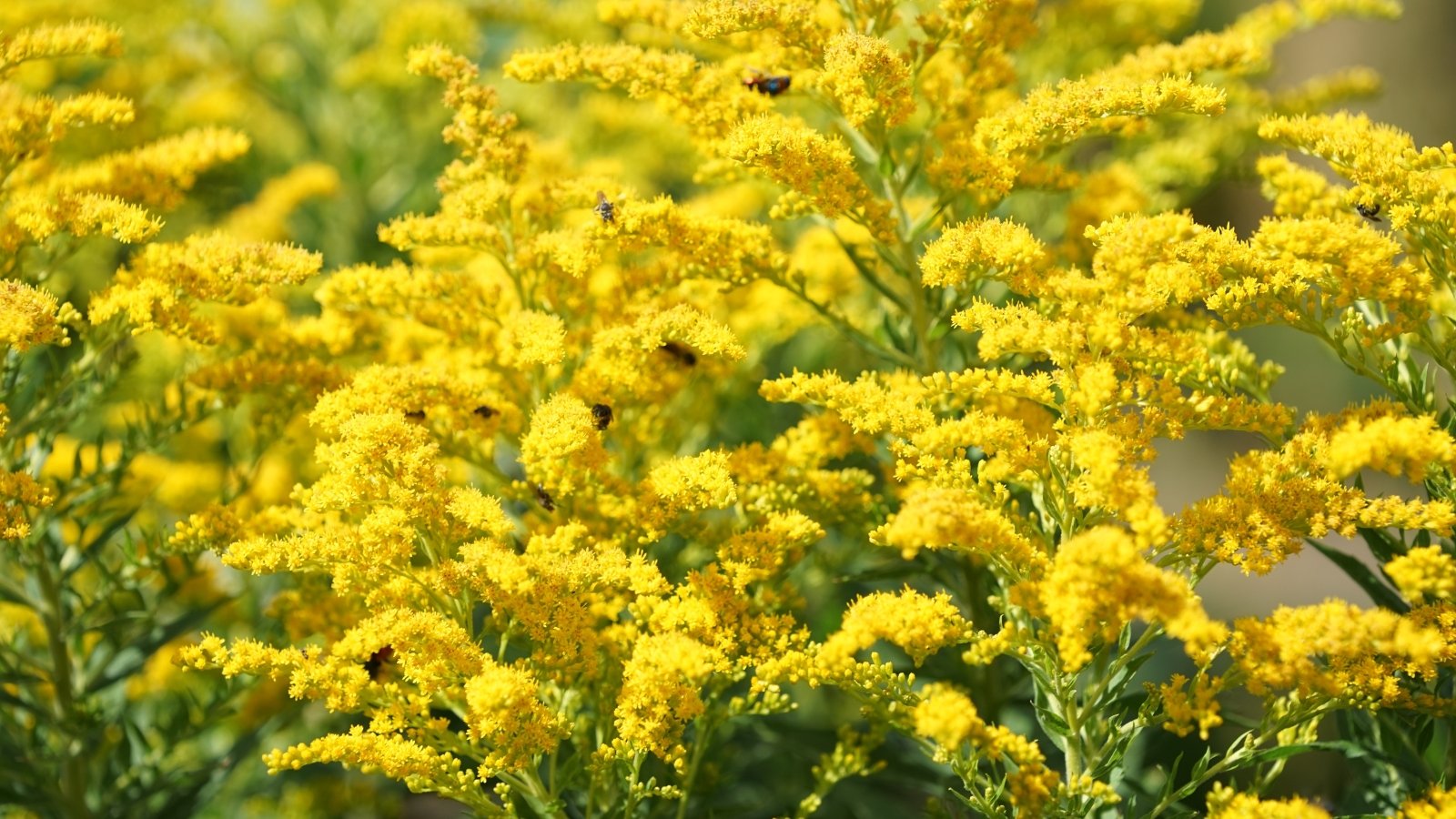
4. Goldenrod (Solidago spp.) — A pollinator powerhouse that pairs beautifully with purple asters. Winter sowing helps plants establish for late-summer bloom.
- Sun: Full sun
- Height: 1–8 ft
- Zones: 2–8
- Sow Tip: Choose species that fit your climate. Provide well-drained soil and keep irrigation infrequent.

5. Hyssop (Dracocephalum officinale) — An aromatic perennial herb with violet blooms that shines in soups, marinades, and sauces.
- Sun: Full sun to partial shade
- Height: 1–2 ft
- Zones: 3–11
- Sow Tip: Sow before hard freezes. Expect germination as winter wanes; first-year bloom is common and doubles the next year.

6. Large-Leaf Avens (Geum macrophyllum) — A tough, underappreciated native from broad swaths of the U.S. and Canada that lights up early spring.
- Sun: Full sun to full shade
- Height: 1–4 ft
- Zones: 3–10
- Sow Tip: Sow in autumn to boost chances of first-year blooms and attract small pollinators hungry for early nectar.

7. Lupine (Lupinus spp.) — With annual, biennial, and perennial species, lupines are cold-friendly germinators that reward fall/winter sowing.
- Sun: Full sun to partial shade
- Height: 1–4 ft
- Zones: 4–8
- Sow Tip: Direct-sow now, or pick up potted hybrids in spring. Seeds often need chilling for best germination.
8. Penstemon (Penstemon spp.) — Also called bearded tongues, these North American perennials come in many flashy varieties.
- Sun: Full sun
- Height: 1–6 ft
- Zones: 5–8
- Sow Tip: Seeds need a long grow-in. Sow as summer ends when seeds naturally drop. Mulch young plants the following fall to protect roots.

9. Rose (Rosa spp.) — Seeds are cold-dependent. Either refrigerate and sow in spring, or sow outdoors before snow for early spring germination.
- Sun: Full sun to partial shade
- Height: 1–20 ft (climbers can reach ~20 ft)
- Zones: 4–11
- Sow Tip: Expect genetic diversity; seedlings may differ from parents. Choose seeds from climbers for height or shrub types for bushy growth.
10. Showy Milkweed (Asclepias speciosa) — A western native that thrives on sun and low water. Its seeds require cold stratification.
- Sun: Full sun
- Height: 1–3 ft
- Zones: 3–9
- Sow Tip: Sow during the cold months and let snow cover the seed. Plant local milkweed species to support monarchs through every life stage.

11. Wild Bergamot (Monarda fistulosa) — Nectar-rich and aromatic, it pulls in hummingbirds and pollinators from prairie to city gardens.
- Sun: Full sun to partial shade
- Height: 2–4 ft
- Zones: 3–9
- Sow Tip: Sow late summer through fall for first-year bloom. Dry leaves and flowers to make a calming tea.
Why These Seeds Love Winter
- Built-In Chilling: Many listed seeds won’t germinate without a cold period, and winter supplies it naturally.
- Moisture Management: Freeze-thaw cycles help settle seed-to-soil contact and slowly hydrate seeds.
- Earlier Establishment: Plants start growing the moment soil warms, giving you earlier blooms and stronger roots.
- Low Effort, High Payoff: Most of the “work” happens while you sip tea indoors—nature handles the timing.
Quick Region Notes
- Colder Zones (2–5): Sow earlier in fall so seed settles before deep freeze. Consider snow cover as your insulation layer.
- Moderate Zones (6–8): Late fall to mid-winter sowing works well. Watch for mid-winter warm-ups—lightly mulch afterward if soil heaves.
- Warmer Zones (9–10): Focus on seeds specifically needing stratification, or use the fridge to pre-chill for 4–8+ weeks.
How To Prepare, Sow, And Protect
Schedule It Right
I like to sow after a good cool-down but before the soil freezes solid. In many regions, that’s late fall. If you miss it, you can still sow during winter thaws when the soil surface is workable.
Pick The Spot And Prep The Soil
- Match sun to plant: Full-sun lovers (poppy, goldenrod, milkweed, many penstemons) need open exposure.
- Clear and roughen: Remove debris and lightly rake to create shallow grooves—perfect pockets for seeds. If you want a practical example of winter sowing in raised beds, Gardenary has a helpful guide showing which plants to sow as soon as the soil is workable.
- Drainage matters: Most of these plants prefer well-drained soil. If your site stays soggy, consider a raised bed.
Sowing, Step By Step
- 1. Label first: Winter beds all look the same in January. Use weatherproof tags.
- 2. Broadcast or line-sow: Scatter evenly for meadows or sow in shallow rows for easier thinning.
- 3. Rake in lightly: Aim for seed-to-soil contact without burying deeply—most wildflower seed wants light coverage.
- 4. Water to settle: A quick mist or gentle watering helps seeds seat in place.
- 5. Let snow work: Natural snow cover provides insulation and steady moisture.
For additional tips on sowing seeds in winter conditions and using snow as a natural protector, check out this guide from Hudson Valley Seed.
Winter And Early Spring Care
- Mulch selectively: Use leaf mulch or straw to buffer temperature swings for tender species (young penstemon, for example). Just like protecting outdoor seedlings, indoor plants also struggle with harsh winter conditions; learn how dry winter air affects houseplants and what you can do to help them thrive.
- Watch for heaving: If you see soil cracking, gently press it back to protect exposed seed/roots.
- Go easy on water: Winter moisture is usually enough. In late winter, water only if soil is dry several inches down.
Winter sowing works best when your soil is healthy and nutrient-rich; for tips on maintaining soil through the cold months, check out our guide on how to compost in winter.
Troubleshooting And Spring Care
Common Missteps I See
- Sowing too deep: Many wildflower seeds need light contact with soil, not burial.
- Planting in shade: Sun-loving species will struggle under trees. Move them to open sites.
- Skipping labels: You’ll forget what’s where—future-you will thank you for durable tags.
Recognizing Germination Vs. Winter Kill
- Healthy sprout: Firm, upright cotyledons followed by true leaves that brighten with sunlight.
- Winter damage: Mushy, blackened stems or seedlings flattened and not recovering as days warm.
- Fix: Thin damaged seedlings early; leave space for vigorous ones to fill in.
Thinning And Volunteer Management
- Self-seeders: Douglas aster and goldenrod may volunteer generously. Thin to recommended spacing for strong bloom.
- Timing: Thin on a cool morning after rain when roots lift cleanly.
- Share the wealth: Pot up extras for friends—winter sowing often gives you bonus plants.
Protecting Tender Seedlings
- Late frosts: If a hard freeze is forecast after sprouting, toss on frost cloth overnight. For a list of flowers that tolerate frost and can survive unexpected cold snaps, see our article on frost-proof flowers.
- Mulch ring: A light mulch ring around young penstemon or hyssop protects crown and roots.
- Water smart: Deep, infrequent watering builds resilient root systems.
Smart Summary, Table, And Next Steps
Quick Reference Table
| Plant | Sun | Height | Zones | Best Sowing Window |
|---|---|---|---|---|
| California Poppy (Eschscholzia californica) | Full sun | 1–2 ft | 6–10 | Fall to early winter before hard freeze |
| Douglas Aster (Symphyotrichum subspicatum) | Full sun–part shade | 2–4 ft | 5–9 | Fall; leave some seed heads for volunteers |
| Forget-Me-Not (Myosotis sylvatica) | Full sun–part shade | 6 in – 1 ft | 3–8 | Fall through early winter |
| Goldenrod (Solidago spp.) | Full sun | 1–8 ft | 2–8 | Fall/winter to establish for late-summer bloom |
| Hyssop (Dracocephalum officinale) | Full sun–part shade | 1–2 ft | 3–11 | Fall before hard freezes |
| Large-Leaf Avens (Geum macrophyllum) | Sun–shade adaptable | 1–4 ft | 3–10 | Autumn for best chance at year-one blooms |
| Lupine (Lupinus spp.) | Full sun–part shade | 1–4 ft | 4–8 | Fall/winter for natural chilling |
| Penstemon (Penstemon spp.) | Full sun | 1–6 ft | 5–8 | Late summer for natural drop; mulch the next fall |
| Rose (Rosa spp.) | Full sun–part shade | 1–20 ft | 4–11 | Before snowfall or stratify in fridge then spring-sow |
| Showy Milkweed (Asclepias speciosa) | Full sun | 1–3 ft | 3–9 | Cold months for required stratification |
| Wild Bergamot (Monarda fistulosa) | Full sun–part shade | 2–4 ft | 3–9 | Late summer through fall for first-year bloom |
Actionable Checklist
- 1. Pick your winners: Choose from the 11 seeds above that match your sun and zone.
- 2. Prep the site: Clear debris, lightly rake, and label rows.
- 3. Sow shallow: Broadcast or line-sow and rake in lightly; water just to settle.
- 4. Let winter work: Trust snow to insulate and hydrate. Add light mulch in exposed, windy sites.
- 5. Thin in spring: Make space for strong seedlings; share extras with friends.
Wrap-Up And Next Steps
Smart gardening is about working with your climate, not against it. By sowing the right seeds before it snows, you give nature the tools to time germination perfectly and deliver earlier, stronger spring color with less work.
Have a question or want to share your winter-sowing wins? Join the conversation at Plant Care Dairy—I read every comment and love seeing what you’re growing!
Disclaimer: Growing conditions, local regulations, and invasive-species risks vary by region. Always check your local extension service or regulatory guidance before planting, and confirm a species’ suitability for your climate and landscape.